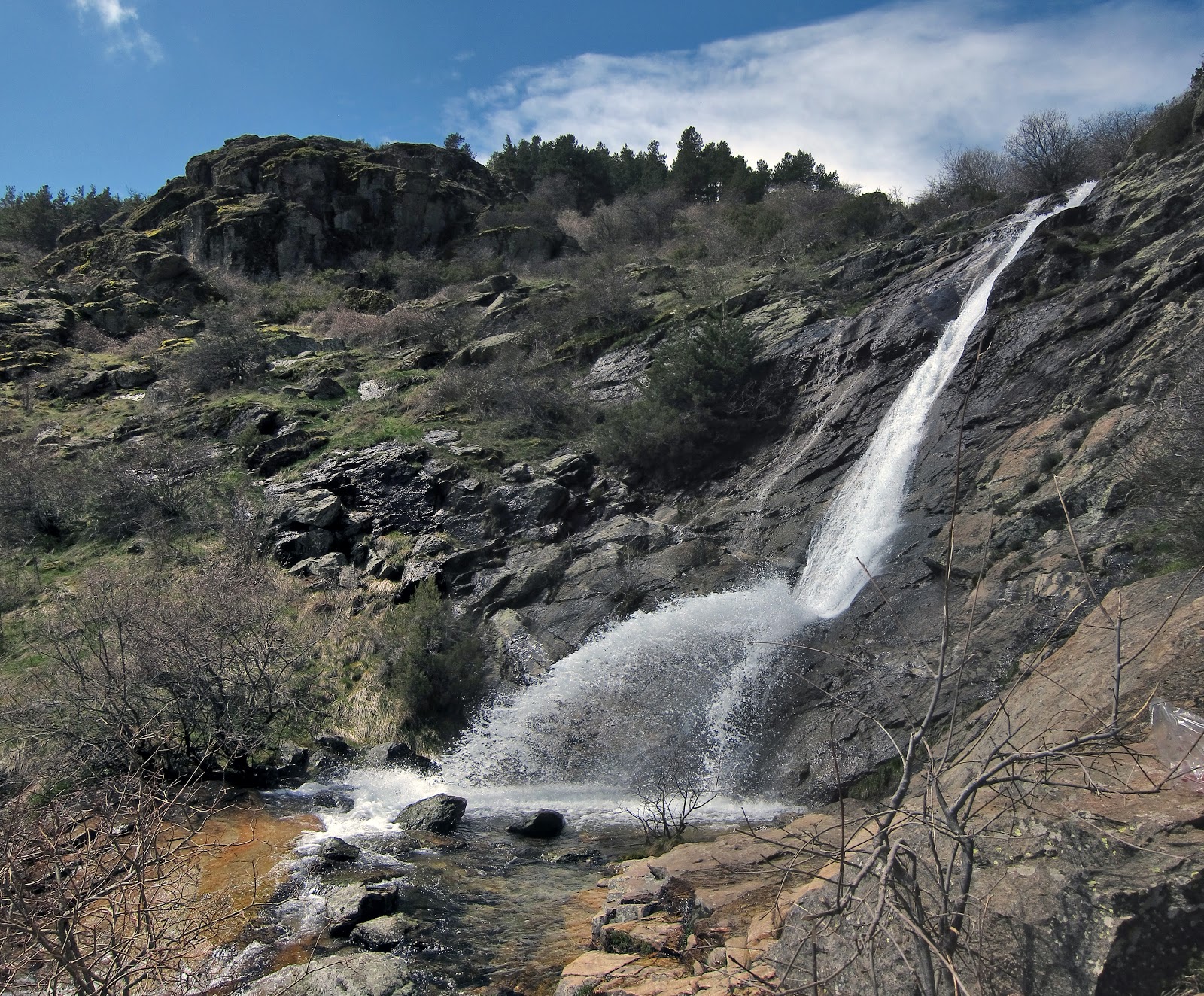
Chorrera de San Mamés – A Hidden Waterfall Gem in the Heart of Madrid’s Sierra
If you think Madrid is only about bustling plazas and world‑class museums, think again. Nestled in the tranquil municipality of Villavieja del Lozoya, the Chorrera de San Mamés offers a refreshing splash of nature that will surprise even the most seasoned travelers.
1. Introduction
Imagine stepping off the main road and being greeted by the soothing roar of water cascading over smooth stone, surrounded by pine‑scented air and the distant echo of mountain birds. That’s the moment you experience at Chorrata de San Mamés, one of the most underrated waterfalls in the Community of Madrid.
Located at 41.015557 N, ‑3.737039 W, this natural wonder lies just a short drive from the capital, making it an ideal day‑trip for families, hikers, photographers, and anyone craving a break from the urban hustle. In this guide we’ll explore everything you need to know to plan an unforgettable visit: the waterfall’s story, how to get there, the best seasons to go, what you’ll see on arrival, nearby attractions, and insider travel tips.
2. About Chorrera de San Mamés
A Brief Description
The Chorrera de San Mamés (literally “San Mamés cascade”) is a modest but enchanting waterfall that feeds into the Lozoya River basin. While its exact height and altitude remain undocumented, the waterfall’s charm lies in its unspoiled setting rather than sheer size. The water tumbles over a series of rocky ledges, creating a series of small pools that reflect the surrounding forest canopy.
Historical & Cultural Significance
The name “San Mamés” is a nod to the ancient hermitage that once stood nearby, dedicated to Saint Mammes, a 3rd‑century martyr venerated in the Iberian Peninsula. Over centuries, locals have used the cascade as a natural watering point for livestock and as a quiet spot for contemplation. Though the waterfall never achieved the fame of Spain’s larger cascades, it has always been a beloved local landmark, celebrated in regional folklore for its “healing waters.”
Why It Matters
For nature lovers exploring Madrid’s hidden waterfalls, Chorrera de San Mamés offers a rare glimpse into the region’s mountainous ecosystems. The site is part of the Sierra del Guadarrama protected area, which hosts diverse flora such as holm oak, juniper, and the iconic Spanish pine. Visiting the waterfall supports sustainable tourism and helps raise awareness about the importance of preserving these fragile habitats.
3. How to Get There
By Car
The most convenient way to reach the waterfall is by private car or rental vehicle:
| Step | Directions | Approx. Distance |
|---|---|---|
| 1 | From central Madrid, take the A‑1 highway north toward Segovia. | 45 km |
| 2 | Exit at Villavieja del Lozoya (exit 22). Follow signs for Lozoya and then San Mamés. | 10 km |
| 3 | Turn onto the local road M‑608 (signs: “Chorrera de San Mamés”). The parking area sits just before the trailhead. | 2 km |
The drive takes roughly 1 hour depending on traffic. Parking is free but limited; arrive early during weekends or holidays.
By Public Transport
While public transport is less direct, it’s still possible:
- Cercanías (commuter train) – Take the C-9 line from Chamartín to Lozoya (≈ 1 h 15 min).
- Bus – From Lozoya, catch the Bus 724 (operated by ALSA) toward Villavieja del Lozoya; alight at the “San Mamés” stop (check the latest timetable).
- Walking – From the bus stop, a short 15‑minute marked trail leads to the waterfall.
Note: Service frequency drops after 6 p.m., so plan accordingly.
4. Best Time to Visit
| Season | Weather | Visitor Experience |
|---|---|---|
| Spring (Mar‑May) | Mild temperatures (12‑20 °C), occasional showers | Water flow is strongest; wildflowers bloom along the trail, making it perfect for photography. |
| Summer (Jun‑Aug) | Warm to hot (22‑30 °C) | Water may be less voluminous, but the pools are ideal for a quick dip. Arrive early to avoid midday heat. |
| Autumn (Sep‑Nov) | Comfortable (15‑22 °C), crisp air | Leaves turn amber, providing a spectacular backdrop; crowds thin out. |
| Winter (Dec‑Feb) | Cold (5‑10 °C), occasional frost | The cascade can be dramatic with mist; however, some paths may be slippery—bring sturdy boots. |
Overall recommendation: Late spring (April‑May) and early autumn (September) deliver the best combination of water flow, pleasant weather, and manageable visitor numbers.
5. What to Expect
The Trail
From the parking lot, a well‑marked gravel path (≈ 800 m) leads to the waterfall. The route is easy to moderate, with a gentle incline and a few short wooden boardwalk sections that cross small streams. Signage highlights local plant species and provides brief historical notes about the San Mamés hermitage.
The Waterfall Experience
Upon arrival, you’ll hear the soft rush of water before seeing it. The cascade forms a tiered series of mini‑falls, each feeding into clear, shallow pools. The water is fresh and cool—perfect for a quick splash if you’re comfortable with the temperature.
Photography Tips
- Golden hour (just after sunrise or before sunset) casts warm light on the water, enhancing texture.
- Use a polarizing filter to reduce glare and bring out the green of the surrounding foliage.
- A tripod helps capture silky‑smooth water motion with longer exposures.
Facilities
- Restrooms: Small eco‑toilets near the parking area (seasonal).
- Picnic area: A few benches and a shaded spot under a pine.
- No commercial vendors on site—bring your own water and snacks.
6. Nearby Attractions
After soaking in the ambiance of Chorrera de San Mamés, extend your adventure with these natural gems that lie within a short drive:
| Attraction | Type | Distance from Waterfall | Quick Note |
|---|---|---|---|
| Unnamed Spring | Spring | 0.6 km | A tiny bubbling spring tucked behind a rock outcrop—great for a quick photo stop. |
| Fuente Muela | Spring | 2.7 km (Castile & León) | Known for its crystal‑clear water, the spring is surrounded by limestone formations. |
| Fuente Vieja | Spring | 3.1 km | A historic water source that once supplied the nearby village of Villavieja. |
| Fuente de Reajocil | Spring | 4.4 km | Set in a lush meadow, perfect for a relaxed picnic. |
| Unnamed Spring (2) | Spring | 6.0 km | Another secluded spring, ideal for birdwatching. |
All attractions are accessible via the same local road network that leads to the waterfall. For more details, you can explore their Wikipedia pages:
7. Travel Tips
| Tip | Why It Matters |
|---|---|
| Wear sturdy walking shoes | The trail includes uneven stones and occasional mud, especially after rain. |
| Pack a rain jacket | Weather in the Sierra can change quickly; a lightweight waterproof layer keeps you comfortable. |
| Bring enough water | No vending machines on site; a reusable bottle helps you stay hydrated and reduces plastic waste. |
| Check the water flow | During prolonged droughts, the cascade may be reduced. Local tourism offices in Villavieja provide up‑to‑date flow information. |
| Respect the environment | Stay on marked paths, avoid picking plants, and carry out all litter. The area is part of a protected natural park. |
| Timing | Arrive early (8‑9 a.m.) in summer to enjoy cooler temperatures and avoid the weekend crowd. |
| Mobile coverage | Signal can be spotty; download offline maps (e.g., Google Maps offline area) before you go. |
| Photography | If you plan to use a tripod, bring a small, lightweight model; the trail is narrow, and you’ll need to be considerate of other hikers. |
Final Thought
The Chorrera de San Mamés may not appear on every travel brochure, but that’s exactly what makes it a treasure for the curious explorer. Its serene waters, easy access from Madrid, and surrounding natural beauty combine to create a perfect micro‑adventure that feels worlds away from the city’s bustle. Whether you’re a local looking for a weekend escape or an international traveler eager to discover Madrid’s hidden side, add this waterfall to your itinerary and let the gentle cascade refresh both body and spirit.
Happy travels, and don’t forget to share your photos of the waterfall with the hashtag #SanMamesSplash!