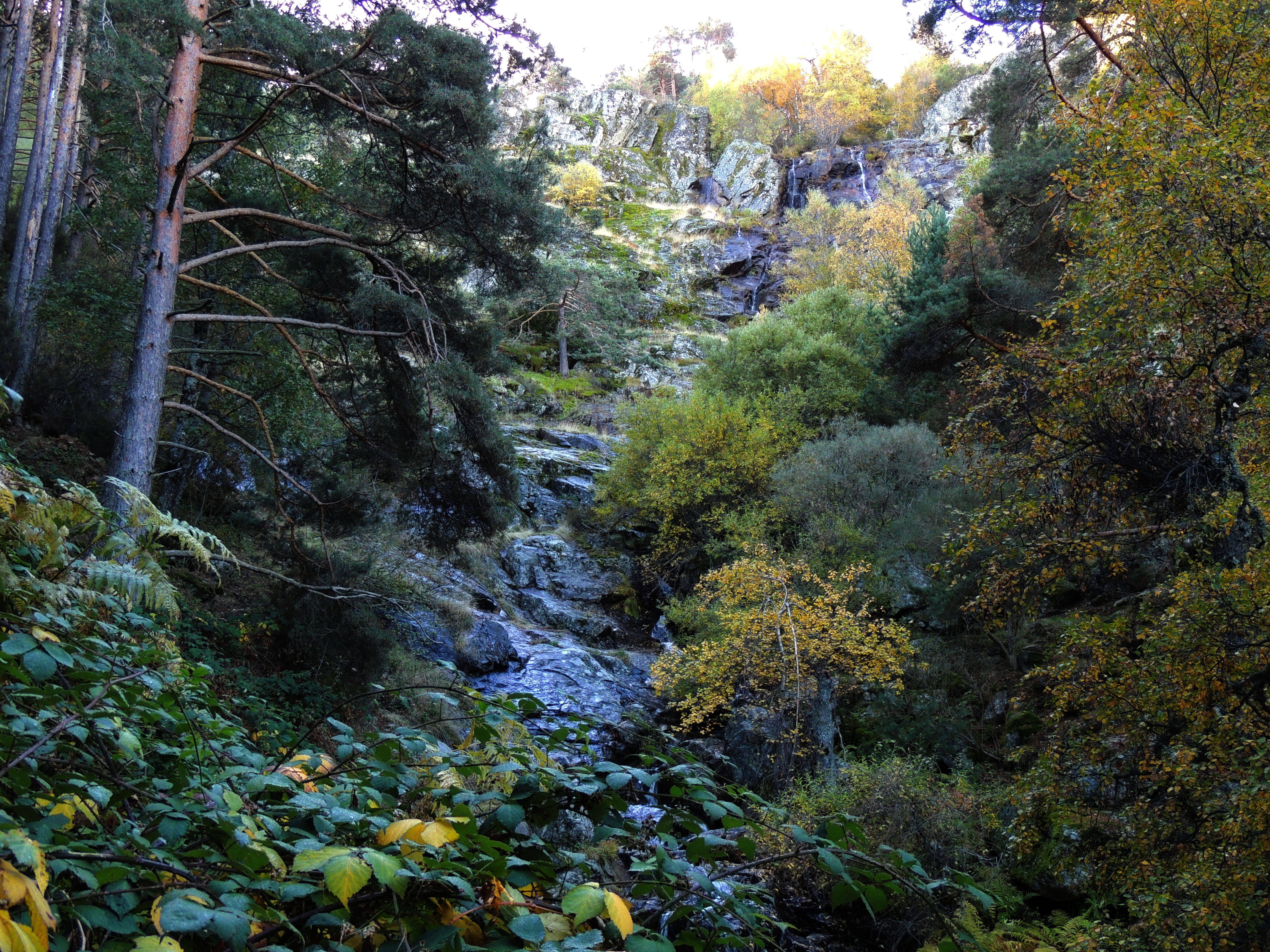
Chorrera de Mojonavalle – A Hidden Waterfall Gem in the Madrid Countryside
Discover the tranquil cascade tucked away in Miraflores de la Sierra, just a short drive from the bustling capital.
Introduction
If you think Madrid is only about world‑class museums, tapas bars, and bustling plazas, think again. A short journey north of the city opens a doorway to the lush Sierra de Guadarrama, where the Chorriva de Mojonavalle (often spelled Chorrera) awaits. This modest yet mesmerizing waterfall whispers through a narrow gorge, offering a perfect escape for hikers, photographers, and anyone craving a breath of fresh mountain air. In this guide we’ll explore everything you need to know to make the most of a day trip to this secret natural treasure.
About Chorrera de Mojonavalle
What Is It?
- Type: Waterfall 🌊
- Location: Miraflores de la Sierra, Community of Madrid, Spain
- Coordinates: 40.865595, -3.785582
Unlike the dramatic drops of the northern Spanish Cascada del Purgatorio, the Chorrera de Mojonavalle is a gentle cascade that tumbles over a series of rocky ledges, creating a soothing soundscape that blends with the surrounding pine forests. Its exact height and altitude have not been officially recorded, which only adds to its mystique—visitors often describe it as a “hidden jewel” that feels untouched by mass tourism.
A Brief Historical Note
The name Mojonavalle comes from the old Castilian term “mojón,” meaning a boundary stone, and “valle,” meaning valley. Historically, the area served as a natural waypoint for shepherds moving livestock between the high pastures of the Sierra de Guadarrama and the lowlands around Madrid. Over time, the spring that feeds the waterfall became a favored rest spot, and locals began referring to the cascade as the Chorrera de Mojonavalle. Today, the waterfall is listed on the Spanish Wikipedia page for the site, confirming its cultural relevance within the region.
Why It Matters
- Ecological Value: The cascade supports a micro‑habitat for mosses, ferns, and a variety of amphibians that thrive in the moist, shaded environment.
- Recreational Appeal: Its proximity to Madrid makes it an ideal spot for day‑hikers, families, and photographers looking for a quick nature fix without a long drive.
- Cultural Connection: The waterfall is part of a network of traditional mountain springs that have sustained local communities for centuries.
How to Get There
By Car
| Step | Directions |
|---|---|
| Start | From central Madrid, head north on the A-1 (Autovía del Norte). |
| Exit | Take exit 31 for M-601 toward Miraflores de la Sierra. |
| Follow | Continue on M-601 for about 12 km, following signs for the town center. |
| Turn | Look for the local road CM-101 (signposted “Chorrera de Mojonavalle”). |
| Park | A small, free parking area sits at the trailhead near the village. |
The total drive is roughly 55 km and takes about 1 hour depending on traffic. The route offers scenic views of the Sierra de Guadarrama, so consider a short stop at a viewpoint along the way.
By Public Transport
- Train: Take the C-9 commuter line from Chamartín to Miraflores de la Sierra (≈ 45 min).
- Bus: From the Miraflores bus station, catch the local L‑101 line that runs a few times a day toward the “Chorrera” stop. Check the CRTM website for up‑to‑date schedules.
- Final Leg: From the bus stop, it’s a 15‑minute walk along a marked trail to the waterfall.
Walking / Hiking
If you’re already exploring the Sierra de Guadarrama, the waterfall is reachable via a moderate 3 km loop that starts at the Miraflores de la Sierra village center. The trail is well‑marked with orange blazes and passes several natural springs (see “Nearby Attractions”).
Best Time to Visit
| Season | Conditions | Why Visit |
|---|---|---|
| Spring (Mar‑May) | Mild temperatures (12‑20 °C), occasional rain, higher water flow. | The cascade is at its fullest, and the surrounding flora bursts into color. |
| Summer (Jun‑Aug) | Warm, dry days (20‑30 °C). | Ideal for a refreshing dip in the pool at the base of the waterfall; bring sunscreen and plenty of water. |
| Autumn (Sep‑Nov) | Cool evenings, occasional mist, lower crowds. | The golden light creates dramatic photo opportunities; the water level may be moderate. |
| Winter (Dec‑Feb) | Cold (5‑10 °C), occasional frost. | Quietest time of year; the waterfall may be reduced to a gentle trickle, offering a serene, almost mystical atmosphere. |
Tip: The water flow is strongest after a rainstorm, so check the local forecast before you head out. Early mornings (7‑9 am) generally provide the best light for photography and fewer visitors.
What to Expect
The Trail Experience
- Length & Difficulty: The main path from the parking area to the waterfall is approximately 800 m and classified as easy to moderate. The terrain is a mix of compacted earth and occasional rocky steps.
- Scenery: Expect a gradual ascent through pine and oak groves, the occasional stone bridge, and the soothing sound of water growing louder as you near the cascade.
- Wildlife: Keep an eye out for chamois, small birds (like the goldfinch), and, if you’re lucky, a salamander hiding among the mossy rocks.
At the Waterfall
- Visuals: The water spills over a series of small ledges, forming a thin veil that catches the sun and creates a subtle rainbow on misty days.
- Sounds: The gentle roar of the cascade provides a natural soundtrack, perfect for meditation or a quiet picnic.
- Facilities: There are no built‑in restrooms or commercial facilities directly at the site, so plan accordingly. A small wooden bench near the pool offers a spot to rest and soak in the scenery.
Photography
- Best Angles: Position yourself on the left bank (when facing downstream) for a classic foreground‑background composition with the gorge framing the water.
- Gear: A wide‑angle lens captures the surrounding forest, while a macro lens can highlight the delicate moss and water droplets.
- Timing: Early morning light or late afternoon golden hour yields the most dramatic shadows and color contrast.
Nearby Attractions
While you’re in the area, consider extending your adventure to these natural springs and scenic spots—each just a short walk from the Chorrera:
| Attraction | Distance from Chorrera | Description |
|---|---|---|
| Unnamed Spring | 1.3 km | A crystal‑clear spring ideal for a quick refill or a short rest. |
| Unnamed Spring | 1.7 km | Surrounded by ferns, this spring offers a peaceful spot for birdwatching. |
| Fuente de la Raja | 1.8 km | Known for its narrow “razor” rock formation, the water flows through a thin slit, creating a unique visual effect. |
| Fuente de la Genciana | 1.8 km | The spring’s name comes from the genciana (gentian) flowers that bloom nearby in summer. |
| Unnamed Spring | 1.8 km | A small cascade that feeds into a shallow pool, perfect for a brief dip. |
All of these sites are connected by marked forest paths, allowing you to create a 5‑km loop that showcases the diversity of the Miraflores water network.
Travel Tips
-
Pack Light, Pack Smart
- Essentials: Water bottle, snack, sunscreen, hat, and a lightweight rain jacket (the mountain weather can change quickly).
- Footwear: Sturdy hiking shoes with good grip; the trail can be slippery near the water. -
Leave No Trace
- Bring a small trash bag and carry out everything you bring in. The area is a protected natural zone, and preserving its pristine condition is crucial. -
Timing is Everything
- Arrive early on weekends or holidays to avoid crowds. Mid‑week visits are typically quieter. -
Safety First
- The pool at the base of the waterfall can be cold, especially in spring and autumn. Test the water before diving.
- If you’re hiking with children, keep them close to the trail—steep sections can become muddy after rain. -
Connectivity
- Mobile signal can be spotty. Download offline maps (e.g., Maps.me or Google Maps offline area) before you set off. -
Local Cuisine
- After your hike, stop in Miraflores de la Sierra for a traditional cocido madrileño or a plate of setas (wild mushrooms) if they’re in season. The town’s tapas bar “El Rincón del Bosque” is a favorite among hikers. -
Combine with Other Activities
- The nearby Sierra de Guadarrama National Park offers longer treks, rock climbing, and birdwatching tours. A full‑day itinerary could start with the waterfall, then head to the park’s Laguna Grande de Peñalara for a high‑altitude lake experience.
Wrap‑Up
The Chorrera de Mojonavalle may not be the tallest waterfall in Spain, but its charm lies in the intimacy of the setting, the soothing sound of water, and the ease of access from Madrid. Whether you’re a local looking for a weekend escape, a visitor craving a glimpse of the Spanish countryside, or an avid photographer hunting for that perfect cascade shot, this hidden waterfall delivers a memorable experience. Pack your boots, hit the road, and let the gentle roar of the Chorrera guide you into the heart of the Sierra de Guadarrama.
Happy trails!