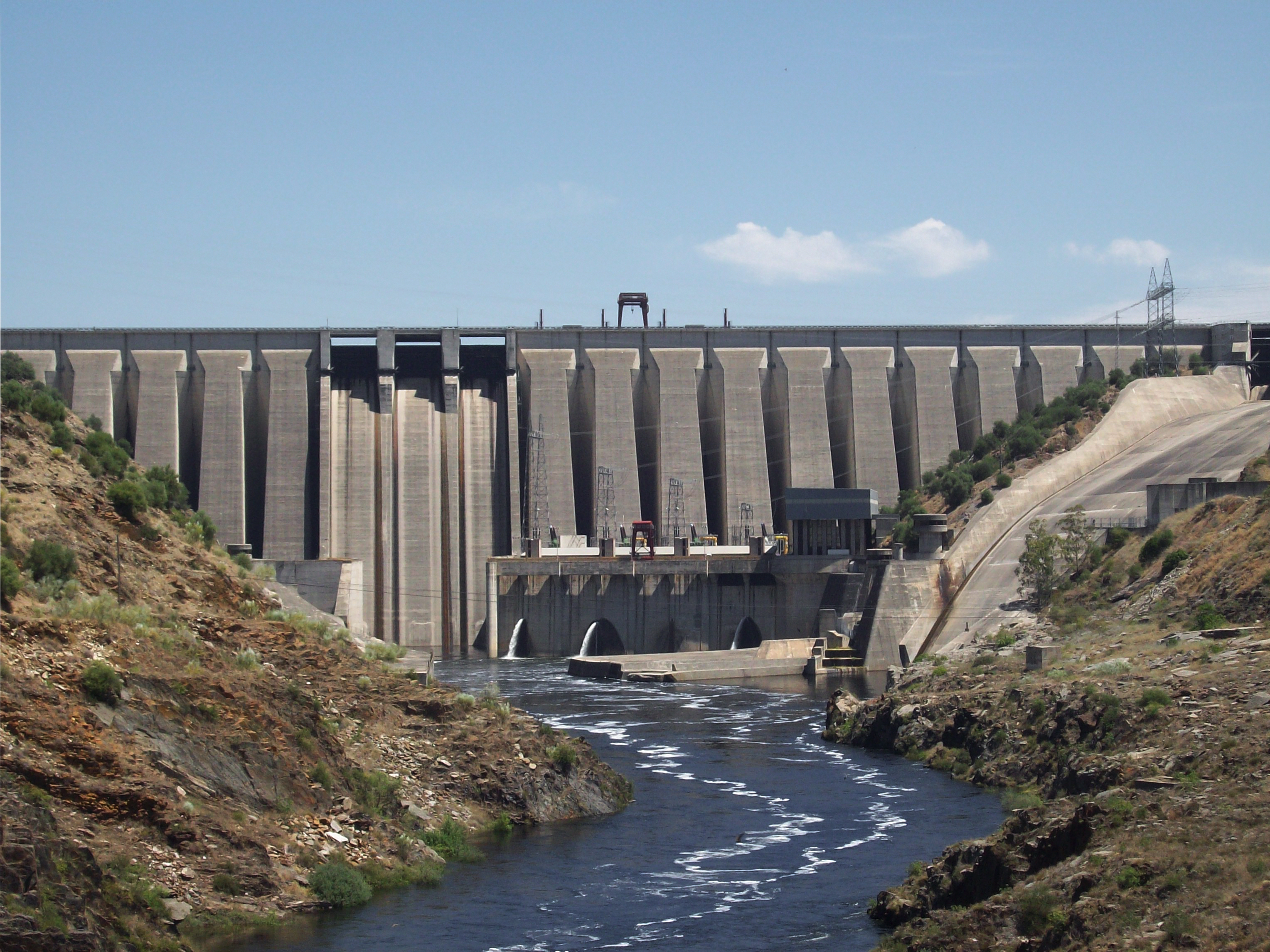
Salto José María de Oriol – The Hidden Gem of Extremadura’s Alcántara Dam
Discover the awe‑inspiring reservoir, the surrounding natural springs, and why this off‑the‑beaten‑path dam should be on every traveler’s Spain itinerary.
1. Introduction
If you picture Spain’s most famous landmarks, you probably think of the Alhambra, Sagrada Familia, or the sun‑kissed beaches of Costa del Sol. Yet, tucked away in the rolling hills of Extremadura, a region famed for its Roman ruins and unspoiled nature, lies a monumental piece of engineering that doubles as a breathtaking viewpoint: Salto José María de Oriol.
Often referred to as the Alcántara Dam, this massive concrete barrier holds back the mighty Tagus River, creating a sparkling reservoir that mirrors the sky and the surrounding landscape. Whether you’re a road‑trip enthusiast, a photography lover, or a history buff curious about Spain’s mid‑20th‑century infrastructure, Salto José María de Oriol offers a unique blend of natural beauty and industrial heritage that’s still relatively unknown to most tourists.
In this guide, we’ll dive into the dam’s story, how to get there, the best seasons to visit, what you’ll experience on site, nearby natural attractions, and essential travel tips to make your Extremadura adventure unforgettable.
2. About Salto José María de Oriol
A Brief History
The Salto José María de Oriol (officially the Embalse de Alcántara) was conceived in the 1950s as part of Spain’s ambitious post‑war hydro‑electric program. Named after José María de Oriol, a prominent Spanish politician and industrialist who championed the country’s modernization, the dam was completed in 1969. Its primary purpose is to generate electricity for the national grid, regulate the flow of the Tagus River, and provide water storage for agricultural use in the region.
Although the exact height and altitude of the structure remain unpublicized, the dam’s sheer scale is evident when you stand at its base: a concrete wall that stretches over 300 meters across the river, creating a dramatic “salto” (Spanish for “jump”) of water that cascades into the reservoir during high‑flow periods.
Why It Matters
- Engineering Marvel: Salto José María de Oriol is one of Spain’s largest gravity dams, showcasing mid‑century concrete construction techniques that are still admired by engineers today.
- Ecological Hub: The reservoir supports a thriving ecosystem, attracting migratory birds, otters, and a variety of fish species—making it a hotspot for birdwatchers and nature photographers.
- Cultural Landscape: Situated near the historic town of Alcántara, the dam sits within a landscape dotted with Roman bridges, medieval castles, and ancient pilgrimage routes, linking modern infrastructure with centuries of heritage.
3. How to Get There
By Air
- Badajoz Airport (BJZ) – The closest commercial airport, about 150 km (≈ 1.5 h drive) north‑west of the dam.
- Madrid–Barajas Airport (MAD) – Spain’s main international hub, roughly 300 km (≈ 3 h drive) east. From Madrid, you can rent a car or catch a long‑distance bus to Badajoz and continue onward.
By Train
- Renfe operates regional trains to Alcántara‑Línea station (on the line between Cáceres and Badajoz). From the station, it’s a 10‑minute taxi ride to the dam’s parking area.
By Car
Driving is the most flexible option. Follow these steps:
- From Madrid – Take the A‑5 highway (Autovía del Suroeste) west toward Badajoz.
- Exit at N‑430 – Near Cáceres, switch to the N‑430 heading south.
- Turn onto EX‑108 – This local road leads directly to Alcántara and the dam.
- Parking – A small, free parking lot sits near the visitor viewpoint (coordinates 39.729371, ‑6.884658).
Public Transport
- Bus – The Alsa and Avanza bus companies run regular services between Cáceres, Badajoz, and Alcántara. Check the latest schedules online; the journey typically takes 1.5 h from Cáceres.
- Local Taxi – Once in Alcántara, a short taxi ride (≈ 5 min) will drop you at the dam’s viewpoint.
Pro tip: If you’re traveling during the high summer season, book your accommodation in Alcántara or nearby Plasencia early, as the region’s rural hotels fill up quickly.
4. Best Time to Visit
| Season | Weather & Highlights | Why Visit |
|---|---|---|
| Spring (Mar‑May) | Mild temperatures (15‑22 °C), blooming wildflowers, lower water levels reveal the dam’s concrete contours. | Ideal for photography, birdwatching, and comfortable hiking. |
| Early Summer (June) | Warm but not scorching; water levels rise, creating spectacular “salto” displays. | Perfect for picnics by the reservoir and catching the occasional water cascade. |
| Autumn (Sept‑Oct) | Pleasant temperatures, golden foliage, fewer crowds. | Great for sunset shots over the dam and exploring nearby springs. |
| Winter (Nov‑Feb) | Cooler (8‑12 °C), occasional fog adds a mystical atmosphere; water levels are highest. | Offers a dramatic, mist‑filled backdrop—excellent for moody landscape photography. |
Avoid the peak heat of July‑August if you plan extensive walking, as temperatures can exceed 35 °C in the interior of Extremadura.
5. What to Expect
Visual Experience
- Panoramic Views – From the designated viewpoint, the reservoir stretches out like a glassy mirror, reflecting the surrounding hills and the distant Sierra de San Pedro range.
- Dynamic Water Flow – During periods of high river discharge, you’ll hear the thunderous roar of water spilling over the dam’s spillways—a powerful reminder of human ingenuity harnessing nature.
Activities
- Photography – Capture sunrise over the water, the geometric patterns of the concrete structure, or the silhouettes of migratory birds perched on the reservoir’s edges.
- Birdwatching – Look for species such as the Northern Lapwing, Common Kingfisher, and Eurasian Osprey. Bring binoculars for the best experience.
- Leisure Walks – A short, well‑maintained trail circles the dam, offering multiple viewpoints and spots for a quiet picnic.
Facilities
- Parking – Small lot with space for cars and motorbikes.
- Restrooms – Basic facilities near the parking area.
- Information Board – A bilingual (Spanish/English) panel provides a concise history of the dam and safety guidelines.
6. Nearby Attractions
While Salto José María de Oriol is the star, the surrounding Alcántara region boasts several natural springs that make perfect side trips. Each is just a short drive away, allowing you to weave them into a single day’s itinerary.
| Attraction | Distance from Dam | What to See | Link |
|---|---|---|---|
| Fuente de los Perros | 1.0 km | A crystal‑clear spring emerging from limestone, surrounded by olive groves. | Visit Fuente de los Perros |
| Fuente de Pandito | 1.2 km | Small cascade forming a tranquil pool—ideal for a quick dip in summer. | Visit Fuente de Pandito |
| Fuente del Cabezo | 1.3 km | A picturesque spring set against a rocky outcrop, perfect for sunset photos. | Visit Fuente del Cabezo |
| Fuente El Manantío | 1.4 km | Known locally for its mineral‑rich waters; legend says it has healing properties. | Visit Fuente El Manantío |
| Alcántara Roman Bridge | 5 km | One of the best‑preserved Roman stone bridges in the Iberian Peninsula. | Alcántara Roman Bridge |
Tip: Combine the dam visit with a leisurely drive through the Valle del Jerte (famous for its cherry blossoms in spring) for an even richer Extremadura experience.
7. Travel Tips
| Tip | Details |
|---|---|
| Bring Sun Protection | Even on cloudy days, the high altitude sun can be intense. Pack sunscreen, a hat, and sunglasses. |
| Stay Hydrated | The region’s climate is dry; carry at least 1 L of water per person, especially if you plan to hike. |
| Footwear | Wear sturdy, comfortable shoes with good grip; the trail around the dam can be uneven. |
| Timing | Arrive early (around sunrise) to avoid the midday heat and capture the best light for photos. |
| Parking | The lot fills up quickly during weekends in spring; consider arriving before 9 am. |
| Local Cuisine | Don’t miss gazpacho extremeño or migas extremeñas at a nearby tavern in Alcántara. |
| Language | While Spanish is the primary language, most locals in tourist spots understand basic English. |
| Respect the Environment | The reservoir is a protected water source; avoid littering and stay on marked paths. |
| Safety | The dam’s spillways can be dangerous during high flow; always heed warning signs and stay behind barriers. |
| Connectivity | Mobile signal can be spotty near the dam; download offline maps beforehand. |
Final Thoughts
Salto José María de Oriol may not appear on the typical Spain travel checklist, but its blend of engineering grandeur, natural splendor, and tranquil surroundings makes it a hidden treasure for the curious traveler. Whether you’re chasing the perfect sunrise shot, seeking a quiet spot to reflect by the water, or simply wanting to explore the lesser‑known side of Extremadura, this dam offers an experience that feels both epic and intimate.
Pack your camera, hit the road, and let the Alcántara Dam surprise you with its quiet power and stunning vistas. Safe travels!