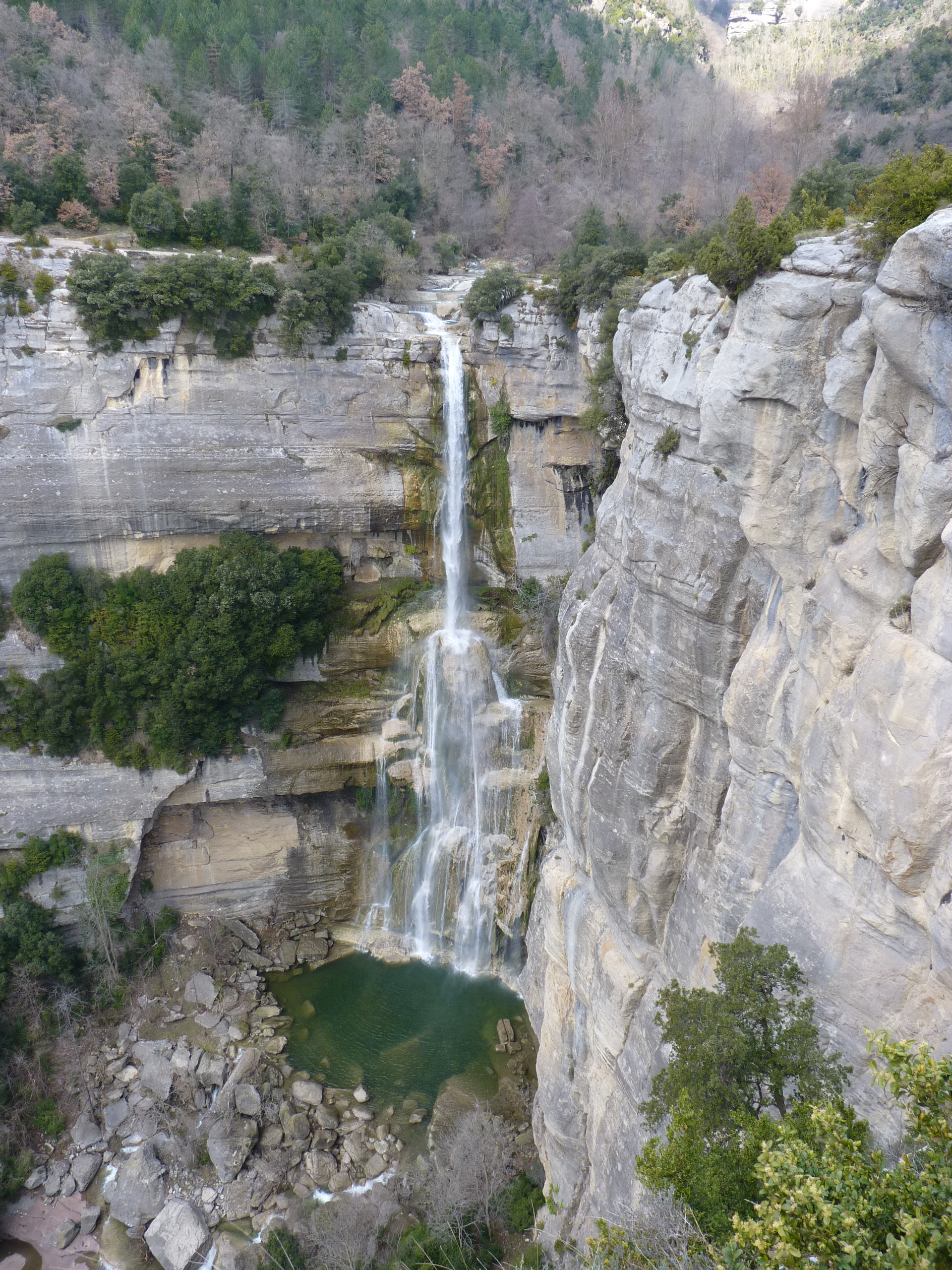
Salt de Sallent – The Hidden Waterfall Gem of Catalonia
If you’ve ever dreamed of stepping into a secret canyon where crystal‑clear water tumbles over rugged limestone, Salt de Sallent in Susqueda, Catalonia, should be at the top of your itinerary. This lesser‑known waterfall offers a tranquil escape from the bustling Costa Brava and a perfect excuse to explore the wild heart of the Catalan interior.
1. Introduction
Nestled in the municipality of Susqueda, Salt de Sallent (pronounced SALT de sah‑YENT) is a pristine waterfall that feels like it belongs to a different world. Unlike the crowded cascades of the Pyrenees, this hidden spot is surrounded by dense pine forests, moss‑covered rocks, and the gentle murmur of the Riu de la Mola that feeds it. The waterfall’s exact height remains a mystery—adding an air of intrigue that invites curious travelers to discover it for themselves. Whether you’re a seasoned hiker, a nature photographer, or simply looking for a peaceful place to unwind, Salt de Sallent delivers an authentic Catalan wilderness experience.
2. About Salt de Sallent
Description & Setting
Salt de Sallent is a natural waterfall located at coordinates 42.015570, 2.473556. It drops into a shallow pool that reflects the surrounding forest canopy, creating a mirror‑like surface perfect for long‑exposure shots. The water source is a mountain spring that feeds the river, giving the cascade a steady flow even during drier months. The surrounding terrain is characterized by granite outcrops, shaded valleys, and a network of small streams that weave through the Montseny Natural Park—a UNESCO Biosphere Reserve that borders the area.
Historical & Cultural Significance
While the exact historical records of Salt de Sallent are sparse, the waterfall has long been part of local folklore. The name “Sallent” derives from the Catalan verb saltar (to jump), a nod to the water’s lively leap over the rocks. Historically, the water from the nearby Font de la Pomareda spring was used by shepherds and farmers for irrigation and livestock. Today, the waterfall is celebrated as a natural heritage site that showcases Catalonia’s commitment to preserving its pristine landscapes.
3. How to Get There
By Car
The most convenient way to reach Salt de Sallent is by car. From Barcelona, take the C-33 highway toward Granollers, then follow signs for C-17 (Girona direction) until you reach the N-152 exit for Susqueda. The drive takes roughly 1.5 hours (≈ 120 km) and offers scenic views of the Montseny foothills. Parking is available at the Susqueda visitor center or at a small lot near the trailhead; both are free but can fill up during peak summer weekends, so arrive early.
Public Transport
If you prefer public transport, take the Renfe Rodalies train from Barcelona Sants to Sant Celoni (R1 line). From Sant Celoni, catch the bus 511 (Sant Celoni – Susqueda) operated by Sagalés. The bus drops you off at the Susqueda municipal building, where you’ll find a sign pointing to the Salt de Sallent trailhead. The total journey is about 2 hours and requires a bit of walking (≈ 15 minutes) from the bus stop to the start of the path.
Trailhead & Route
The official trail to Salt de Sallent begins at the Cami de l’Aranya footpath, marked with yellow paint on rocks. The hike is moderately easy, covering 2.5 km round‑trip with an elevation gain of roughly 150 m. The path is well‑maintained, featuring wooden boardwalk sections over wet ground. The entire walk takes 45 – 60 minutes at a leisurely pace, allowing plenty of time for photo stops and a quick dip in the pool (if water temperature permits).
4. Best Time to Visit
| Season | Conditions | Why Visit |
|---|---|---|
| Spring (March‑May) | Mild temperatures (12‑18 °C), abundant wildflowers, higher water flow from snowmelt. | Ideal for vibrant photos and comfortable hikes. |
| Summer (June‑August) | Warm days (25‑30 °C), occasional dry spells. Water flow can be lower, but the forest stays cool. | Perfect for a refreshing dip in the pool; early mornings avoid crowds. |
| Autumn (September‑November) | Pleasant temps (15‑22 °C), golden foliage, stable water levels. | Scenic colors and fewer tourists. |
| Winter (December‑February) | Cooler (8‑12 °C), occasional rain, higher water volume. | Dramatic water flow and dramatic mist; dress warmly. |
Recommendation: The late spring (mid‑April to early May) offers the most reliable water volume and comfortable hiking weather, making it the optimal window for first‑time visitors.
5. What to Expect
The Hike Experience
As you step onto the trail, the forest greets you with the scent of pine and earth. The path gently ascends through a series of switchbacks, each offering a glimpse of the river winding below. Small wooden bridges cross the tributaries, and occasional informational panels explain the local flora—European beech, holm oak, and silver fir dominate the canopy.
About 1 km into the walk, you’ll hear the distant roar of water. The sound grows louder, guiding you toward a natural clearing where the waterfall drops into its emerald pool. The water is crystal clear, and the pool’s temperature is surprisingly cool even on a hot summer day. The surrounding rocks are slick, so sturdy hiking boots with good grip are advisable.
Photography & Wildlife
The waterfall’s vertical drop (height not officially measured) creates a perfect subject for long‑exposure photography. Position yourself on the left bank to capture the cascade framed by moss‑laden stones, or climb a short rock ledge on the right for a top‑down view of the pool. Early morning light casts a soft golden hue, while late afternoon produces dramatic shadows.
Wildlife is subtle but rewarding. Keep an eye out for European green lizards, common kingfishers, and the occasional red‑winged blackbird. In autumn, you may spot squirrels gathering acorns, and in spring, the forest floor bursts with bluebells and wild thyme.
6. Nearby Attractions
While Salt de Sallent is the star of the day, the surrounding area offers several complementary natural sites that can easily be added to a full‑day itinerary:
| Attraction | Distance from Salt de Sallent | What to See |
|---|---|---|
| Salt de Sallent – Rupit | 0 km (same waterfall) | Alternate viewpoint of the cascade; great for different photo angles. |
| Font de la Pomareda (spring) | 0.6 km | A clear mountain spring that feeds the river; perfect for a short, scenic walk. |
| Església de Sant Joan de Fàbregues | 0.8 km | A historic chapel perched on a hill, offering panoramic views of the valley. |
| Saltant del Molí del Rodor (waterfall) | 0.8 km | A smaller, hidden waterfall ideal for a quiet picnic. |
| Unnamed Spring | 0.9 km | A tranquil spring surrounded by ferns; great for a quick rest. |
Tip: All these spots are reachable via marked forest paths. Bring a map or download the Catalonia Hiking Trails app for offline navigation.
7. Travel Tips
| Tip | Details |
|---|---|
| Footwear | Waterproof hiking boots with good ankle support are essential; the trail can be slippery near the waterfall. |
| Clothing | Layered clothing works best. A lightweight rain jacket is advisable, especially in spring and autumn. |
| Timing | Arrive early (7 – 8 am) in summer to avoid the midday heat and crowds. In winter, daylight is limited, so start before 10 am. |
| Food & Water | Carry at least 1 liter of water per person and a snack. There are no shops near the waterfall. |
| Safety | The pool can be cold; if you plan to swim, test the temperature first. Keep an eye on children near the water’s edge. |
| Leave No Trace | Pack out all litter, stay on marked trails, and avoid disturbing wildlife. The area is part of a protected natural park. |
| Photography Gear | A wide‑angle lens (16‑35 mm) captures the full cascade; a tripod helps with long exposures. A waterproof case protects gear from spray. |
| Connectivity | Mobile signal is spotty; download offline maps and any needed information beforehand. |
| Local Etiquette | Catalan is the regional language; a friendly “Bon dia” (good morning) is always appreciated. |
Final Thought
Salt de Sallent may not be the most famous waterfall in Spain, but that’s precisely why it feels like a secret waiting to be discovered. Its tranquil pool, surrounding pine forest, and the gentle roar of water create a magical micro‑world that embodies the rugged charm of Catalonia’s interior. Pack your boots, charge your camera, and set off for Susqueda—Salt de Sallent is ready to welcome you with a splash of natural wonder.
Happy travels, and may your journey be as refreshing as the waters of Salt de Sallent!


