Salt de Llubriqueto – A Hidden Waterfall Gem in Vielha, Catalonia
Discover the whispering cascade tucked away in the Pyrenees and learn how to make the most of your visit.
1. Introduction
If you’re chasing the secret side of Catalonia’s spectacular mountain scenery, the Salt de Llubriqueto should be at the top of your list. Nestled just a few kilometres from the charming town of Vielha, this modest yet enchanting waterfall drops into a crystal‑clear pool surrounded by alpine meadows and rugged pine forests. Unlike the crowded tourist hotspots of the Costa Brava, Salt de Llubriqueto offers a peaceful, off‑the‑beaten‑path experience that feels like stepping into a living postcard. Whether you’re a seasoned hiker, a family on a weekend getaway, or a photographer hunting that perfect splash, this hidden cascade promises a memorable encounter with nature.
2. About Salt de Llubriqueto
What Is It?
- Name: Salt de Llubriqueto
- Type: Waterfall 🌊
- Location: Vielha, Catalonia, Spain
- Coordinates: 42.571664 N, 0.818627 E
- Height & Altitude: Not officially recorded (the waterfall’s modest drop is part of its rustic charm)
The name “Salt” comes from the Catalan word for “jump” or “waterfall,” while “Llubriqueto” refers to the nearby spring that feeds the cascade. The waterfall is fed by the Font de Llubriqueto, a natural spring that emerges from the limestone rocks of the Aran Valley. The water’s journey through the mountain’s porous layers creates a gentle, year‑round flow that intensifies after heavy rains or snowmelt.
A Brief History
Salt de Llubriqueto has long been a beloved spot for locals who used the spring’s fresh water for livestock and irrigation. Over the centuries, the area remained relatively untouched by large‑scale tourism, preserving its pristine condition. In recent years, hikers and nature lovers have started sharing their discoveries on social media, turning the waterfall into a quiet but growing attraction. The site is mentioned in the Catalan Wikipedia entry for “Salt de Llubriqueto” and is listed among the natural points of interest in the Val d'Aran region.
Why It Matters
- Ecological value: The cascade supports a micro‑habitat of mosses, ferns, and amphibians that thrive in the cool, moist environment.
- Cultural relevance: The spring and waterfall have historically supplied clean water to nearby farms, linking the landscape to the valley’s agricultural heritage.
- Scenic appeal: Framed by the Pyrenean backdrop, the waterfall provides a perfect spot for photography, picnics, and quiet reflection.
3. How to Get There
By Car
The most straightforward way to reach Salt de Llubriqueto is by car from Vielha (the capital of the Aran Valley).
| Step | Directions |
|---|---|
| 1 | From Vielha, head north on N-230 toward Bordes de la Vinyana. |
| 2 | After about 4 km, look for a small, well‑marked sign for Font de Llubriqueto and turn left onto a narrow forest road (often unpaved but suitable for most standard vehicles). |
| 3 | Follow the road for roughly 1 km. A short, clearly marked trailhead leads to a parking area near the spring. |
| 4 | From the parking spot, the final walk to the waterfall is a gentle 5‑minute hike along a stone path. |
Parking: A modest gravel lot is available near the trailhead; it fills up quickly in summer, so arriving early (before 10 am) is advisable.
By Public Transport
- Bus: The ALSA line from Vielha to Bordes de la Vinyana stops close to the trailhead. Check the latest schedule on the ALSA website, as services run less frequently on weekends.
- Taxi: Local taxis in Vielha can be hired for a round‑trip drop‑off at the parking area (approximately €15–20 each way).
On Foot
If you enjoy longer treks, Salt de Llubriqueto lies on the GR‑11 long‑distance trail that traverses the Pyrenees. Hikers can incorporate the waterfall as a pleasant side‑detour after a day’s walk from Vielha or from the nearby Estanys de Gémena.
4. Best Time to Visit
| Season | Conditions | Why Visit |
|---|---|---|
| Spring (March–May) | Snowmelt boosts water flow; surrounding meadows burst with wildflowers. | Ideal for vivid photos and a refreshing mist. |
| Early Summer (June–July) | Warm days, moderate water volume, full foliage. | Perfect for picnics and swimming in the pool (if safe). |
| Late Summer / Early Autumn (August–September) | Slightly lower water levels, golden foliage begins. | Fewer crowds, pleasant hiking weather. |
| Winter (December–February) | Water may reduce to a trickle; occasional ice formations. | For adventurous photographers seeking icy textures—access may be limited by snow. |
Tip: The waterfall is most spectacular after a rainstorm or during the spring melt when the cascade is at its fullest. Check local weather forecasts before heading out.
5. What to Expect
The Walk
A short, well‑maintained path leads from the parking area to the waterfall. The trail is mostly flat, with a few gentle inclines and occasional wooden steps that navigate over small rock ledges. Expect a mix of packed earth and gravel, suitable for regular walking shoes or light hiking boots.
The Scene
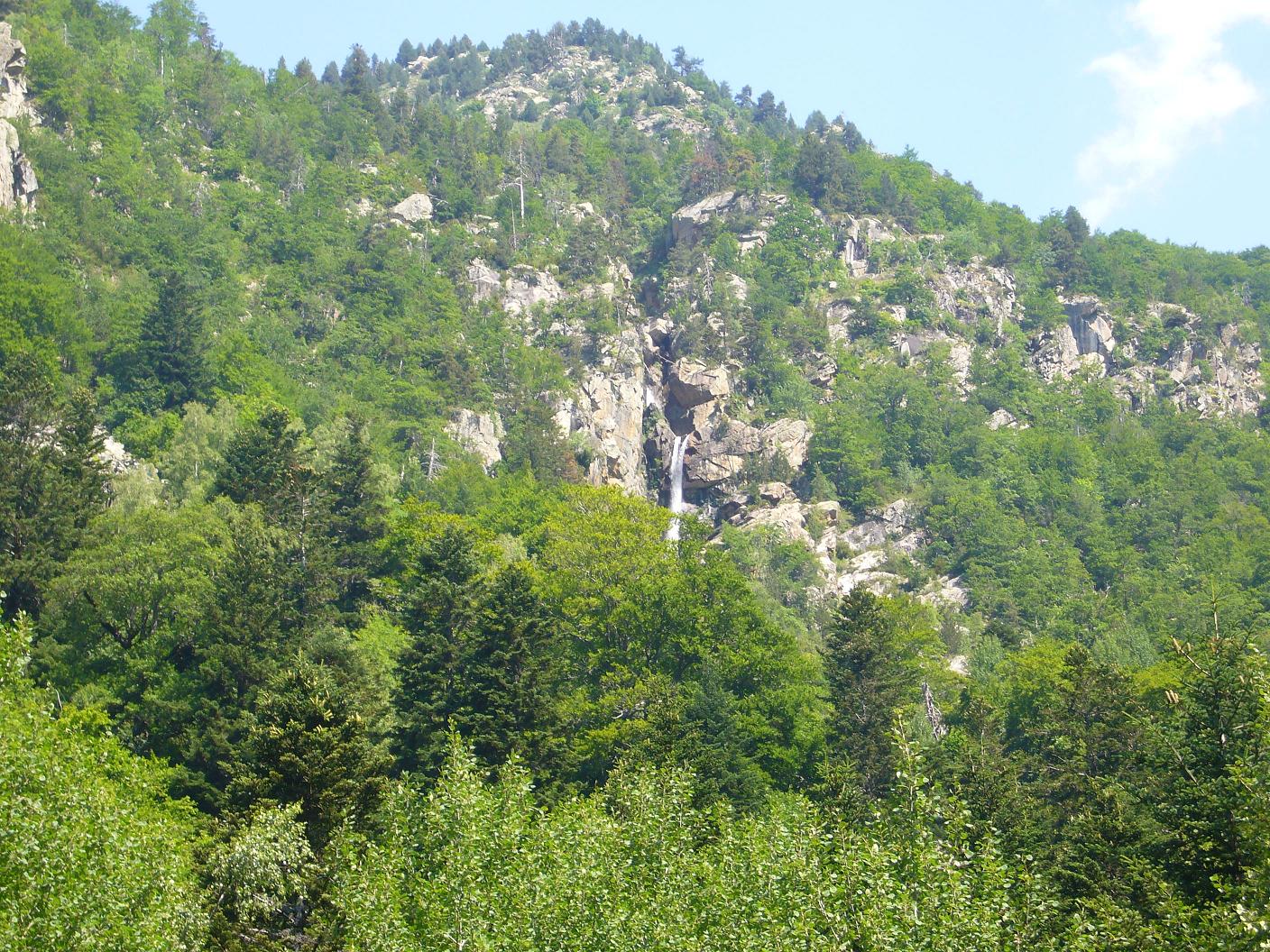
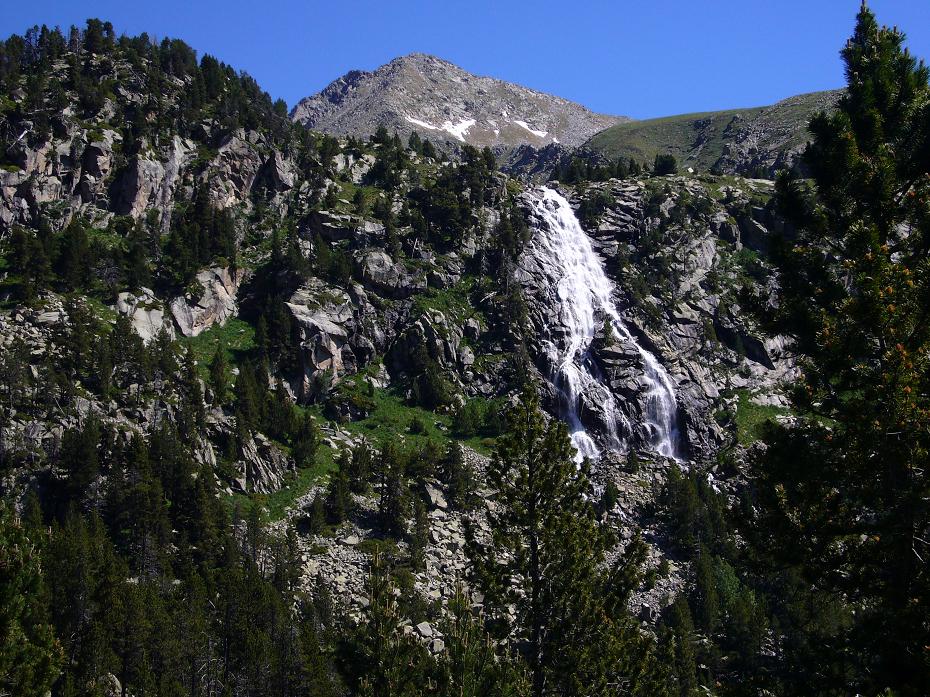
As you approach, the sound of water grows louder, creating a soothing soundtrack. The cascade spills over a modest limestone ledge into a shallow, turquoise pool that mirrors the surrounding pines and the distant peaks of the Cim de la Pala range. In summer, the pool’s temperature is cool enough for a quick dip, while in spring the surrounding mosses are a vivid emerald, adding texture to the landscape.
Wildlife
Keep an eye out for:
- Alpine newts and frogs that bask on sun‑warmed rocks.
- Birds such as the golden eagle and chiffchaff that glide overhead.
- Butterflies and bees attracted to the wildflowers that bloom near the spring.
Photography
The waterfall’s modest height makes it ideal for long‑exposure shots that capture silky water motion. Position yourself on the higher bank for a classic “waterfall framed by rocks” composition, or explore lower angles to include the reflective pool and surrounding forest.
6. Nearby Attractions
While Salt de Llubriqueto is the star, the area boasts several complementary natural sites that can easily fill a half‑day itinerary.
| Attraction | Distance from Salt de Llubriqueto | What to See |
|---|---|---|
| Font de Llubriqueto (spring) | 0.7 km | The crystal‑clear spring that feeds the waterfall; a perfect spot for a short rest. |
| Estanys de Gémena | 0.9 km | A pair of alpine lakes surrounded by steep cliffs; ideal for tranquil walks and birdwatching. |
| Cascada de la Sallent | 1.6 km | A larger waterfall with a dramatic drop, reachable via a marked forest trail. |
| [Fountain (unnamed) – 2.1 km] | 2.1 km | Small historic fountain tucked in a meadow; great for a quick photo stop. |
| [Fountain (unnamed) – 2.2 km] | 2.2 km | Another charming water source, often visited by locals for its clean water. |
Links for deeper exploration:
- Font de Llubriqueto (Catalan Wikipedia)
- Estanys de Gémena (Wikipedia)
- Cascada de la Sallent (Wikipedia)
Combine these sites into a “Waterfall Circuit”: start at Salt de Llubriqueto, continue to Estanys de Gémena for a lakeside lunch, then hike up to Cascada de la Sallent for a more dramatic waterfall experience.
7. Travel Tips
| Tip | Details |
|---|---|
| Footwear | Waterproof hiking boots or sturdy trail shoes with good grip are recommended, especially if the path is wet. |
| Clothing | Dress in layers; mornings can be cool in the mountains, while afternoons warm up quickly. A lightweight rain jacket is handy in spring. |
| Safety | The pool’s rocks can be slippery. Test the water’s depth before stepping in, and keep children supervised. |
| Timing | Arrive early (before 10 am) in summer to avoid the small crowd that gathers later in the day. |
| Food & Water | Bring a reusable water bottle (the spring is safe to drink after a quick filter) and a packed snack. There are no cafés on the trail. |
| Leave No Trace | Carry out all litter, stay on marked paths, and respect any signage protecting wildlife habitats. |
| Photography Gear | A tripod enhances long‑exposure shots. A polarizing filter can reduce glare on the water surface. |
| Local Resources | The Vielha Tourist Office (located in the town centre) offers free maps of the GR‑11 trail and up‑to‑date information on trail conditions. |
| Accessibility | The short walk to the waterfall is relatively easy, but the final approach includes some uneven stones, making it less suitable for wheelchairs or strollers. |
Final Thought
Salt de Llubriqueto may not boast towering heights or dramatic cliffs, but its understated beauty, serene atmosphere, and convenient proximity to Vielha make it a must‑see for anyone exploring the Aran Valley. By planning your visit with the practical tips above, you’ll experience a genuine slice of Catalonia’s alpine charm—one gentle splash at a time.
Happy travels, and don’t forget to share your waterfall photos with the hashtag #SaltDeLlubriqueto!