Salt d'Aigua del Rossinyol – A Hidden Waterfall Gem in Catalonia
Discover the tranquil charm of Salt d'aigua del Rossinyol, a lesser‑known waterfall tucked away in the rolling hills of Sant Feliu de Codines. Perfect for nature lovers, photographers, and anyone seeking a peaceful escape from the bustle of Barcelona.
1. Introduction
If you’ve ever chased the sound of water through Catalonia’s lush countryside, you’ll know that the region is peppered with spectacular cascades—from the thunderous Salt de la Figuera to the fairy‑tale drops of Montserrat. Yet, tucked just 40 km north‑west of Barcelona lies a secret that even many locals haven’t explored: Salt d'aigua del Rossinyol.
The name, which translates from Catalan as “waterfall of the nightingale,” hints at the melodic chorus of birds that greet visitors as they approach the site. With its crystal‑clear stream, moss‑draped rocks, and a surrounding forest that feels worlds away, this waterfall offers a perfect blend of serenity and natural beauty—ideal for a day‑trip, a weekend hike, or a quiet spot for meditation.
In this guide we’ll dive into everything you need to know to plan an unforgettable visit: the waterfall’s background, how to get there, the best seasons to experience it, what you’ll see on arrival, nearby attractions, and practical travel tips.
2. About Salt d'Aigua del Rossinyol
A Brief Description
- Location: Sant Feliu de Codines, Catalonia, Spain
- Coordinates: 41.716025 N, 2.190147 E
- Type: Natural waterfall (height not officially recorded)
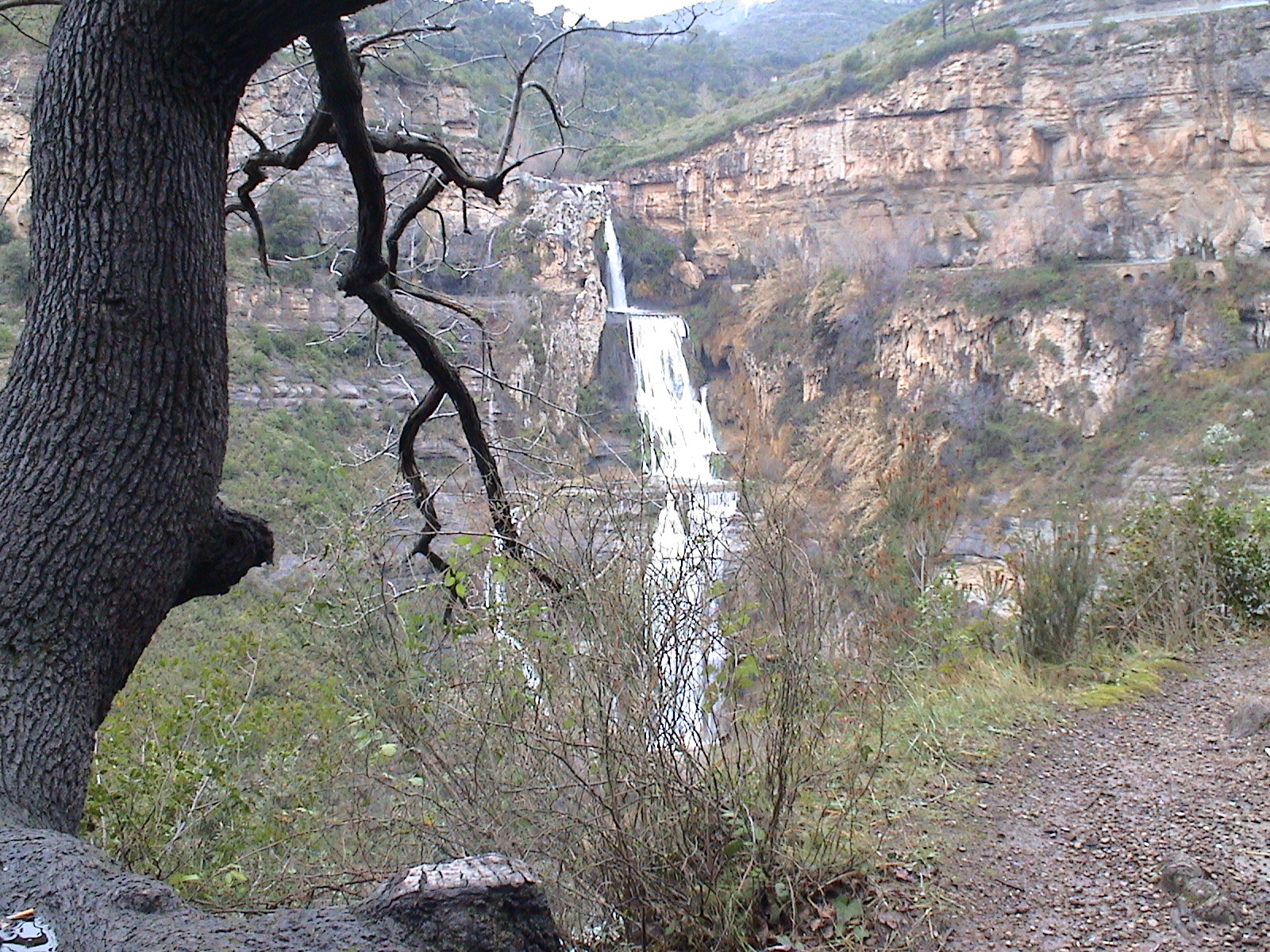
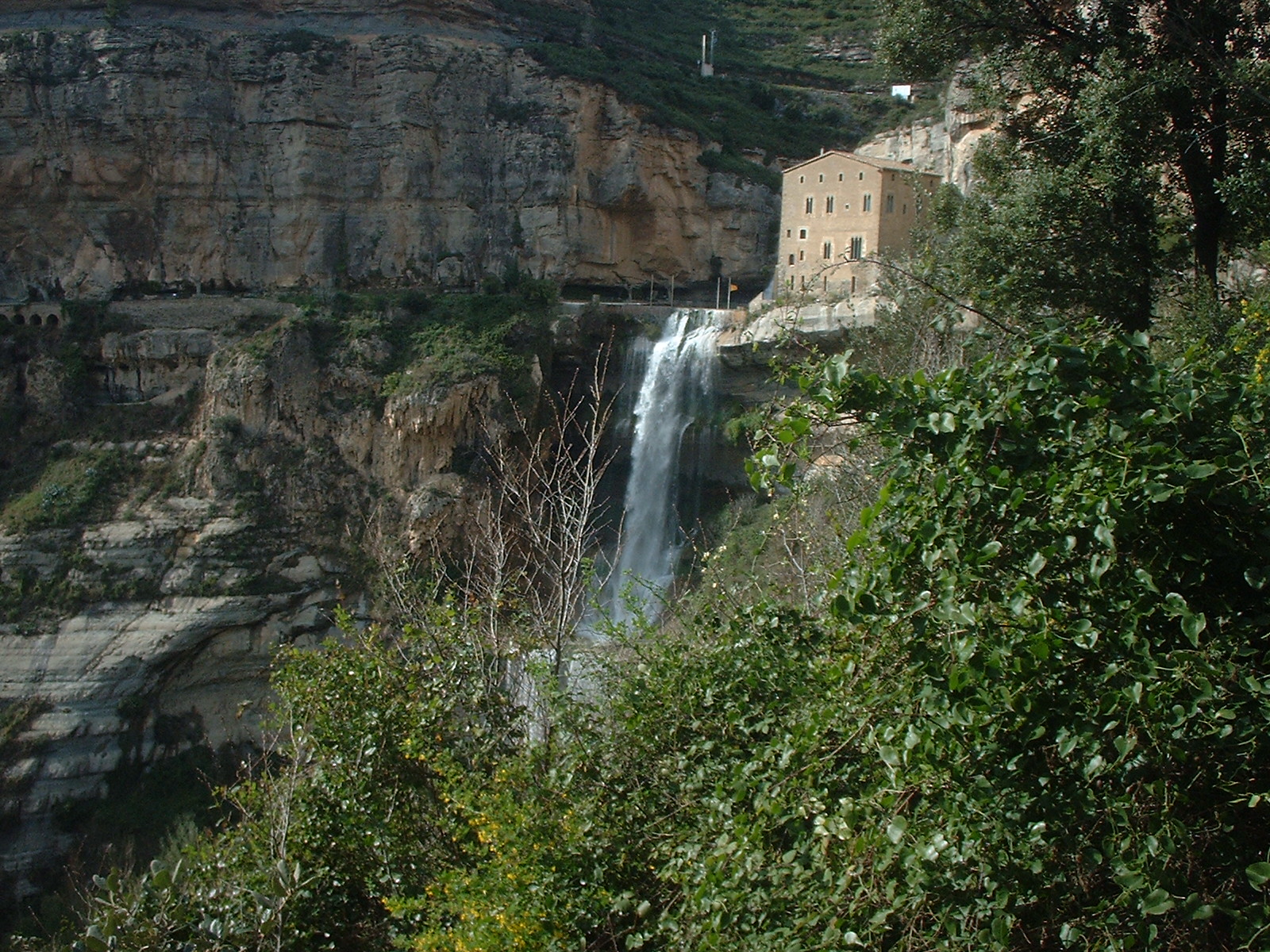
Salt d'aigua del Rossinyol is part of a small network of watercourses that weave through the Muntanyes de la Serralada. The cascade drops into a shallow pool that feeds a gentle brook, eventually joining the larger river system that drains the Vallès Oriental. While the exact height of the fall remains undocumented, the surrounding scenery more than compensates: a mix of oak and pine trees, ferns that cling to the damp rocks, and the occasional flash of a nightingale’s plumage.
Historical & Cultural Significance
The waterfall’s name reflects Catalonia’s deep connection to its natural environment. “Rossinyol” (nightingale) is a beloved symbol in Catalan poetry and folklore, representing melody, freedom, and the arrival of spring. Historically, the area around Sant Feliu de Codines has been used for small-scale agriculture and pastoral activities, with the water from the cascade serving as a modest irrigation source for nearby fields.
Although there are no grand monuments or museums dedicated to the waterfall, the site is mentioned in local guides and on the Catalan Wikipedia page: Salt d'aigua del Rossinyol. Its modest fame makes it a perfect spot for travelers who prefer off‑the‑beaten‑path experiences over crowded tourist hotspots.
3. How to Get There
By Car
The most convenient way to reach Salt d'aigua del Rossinyol is by car. From Barcelona:
- Head north on the C‑17 (Avinguda de la Generalitat).
- Take exit 9 toward Sant Feliu de Codines.
- Follow the local road signs for “Font del Rossinyol” or “Salt d’aigua del Rossinyol.”
- Park in the designated small lot near the trailhead (free, but spaces fill quickly on weekends).
The drive takes roughly 45 minutes under normal traffic conditions. The route offers scenic views of the Vallès hills, making the journey itself a pleasant prelude to the waterfall.
By Public Transport
- Train: Take the R4 Rodalies line from Barcelona Sants to Sant Feliu de Codines (≈30 min).
- Bus: From the station, a local bus (line 663) runs a few times a day toward the “Font del Rossinyol” stop.
- Final leg: From the bus stop, it’s a 15‑minute walk along a marked forest path to the waterfall.
Public transport is a greener option, but be prepared for limited service on weekends and holidays.
By Bike or Hiking
For the adventurous, the C-17 cycle route connects Barcelona to the Vallès region. Cyclists can ride to Sant Feliu de Codines and then follow the well‑marked dirt road to the waterfall. The hike from the town center is about 3 km with gentle elevation gain—suitable for moderate walkers.
4. Best Time to Visit
| Season | Water Flow | Weather | Visitor Experience |
|---|---|---|---|
| Spring (Mar‑May) | Highest – snowmelt and seasonal rains feed the cascade. | Mild, 12‑20 °C, occasional showers. | Lush vegetation, abundant birdsong (including nightingales). |
| Early Summer (Jun‑July) | Moderate – occasional dry spells. | Warm, 20‑28 °C, sunny. | Good for picnics; pool may be shallow for swimming. |
| Autumn (Sept‑Oct) | Good – autumn rains revive the flow. | Pleasant, 15‑22 °C, colorful foliage. | Fewer crowds, vibrant leaf colors. |
| Winter (Nov‑Feb) | Low – water may trickle. | Cool, 5‑12 °C, possible frost. | Peaceful solitude; not ideal for photography of water. |
Optimal visiting window: April‑early May and late September‑early October. During these periods, the waterfall is at its most photogenic, the forest is alive with wildlife, and the weather is comfortable for walking.
5. What to Expect
Arriving at Salt d'aigua del Rossinyol feels like stepping into a living postcard. The path from the parking area leads through a shaded lane of holm oaks (Quercus ilex) and maritime pines, with the gentle murmur of water growing louder with each step.
- The cascade: A modest yet elegant drop that splashes into a clear, pebble‑lined pool. The water is typically cold, especially in spring, offering a refreshing splash for the daring.
- Flora & fauna: Expect to see ferns, wild thyme, and occasional lavender patches. Birdwatchers will delight in hearing nightingales, chaffinches, and the occasional woodpecker.
- Photography: The best light occurs in the early morning or late afternoon when the sun filters through the canopy, creating dappled reflections on the water. A tripod and a polarizing filter can help capture the silky flow of the waterfall.
- Facilities: There are no built‑in restrooms or cafés at the site, preserving its natural state. However, a small picnic table near the parking lot provides a place to rest.
Because the waterfall is part of a protected natural area, visitors are asked to stay on marked trails, avoid littering, and respect the local wildlife.
6. Nearby Attractions
While Salt d'aigua del Rossinyol is the star of the day, the surrounding area offers several complementary sights that can easily fill a half‑day itinerary.
| Attraction | Distance | What to See | Link |
|---|---|---|---|
| Dam (presumably the local reservoir) | 0 km | A small dam that creates a tranquil lake, ideal for a quick walk. | — |
| Font Sant Miquel del Fai (spring) | 0.1 km | A crystal‑clear spring feeding a narrow stream; perfect for a short nature break. | — |
| Salt d'aigua del Tenes (waterfall) | 0.2 km | Another charming cascade nearby, offering a comparative view of local geology. | — |
| Unnamed Waterfall #1 | 0.2 km | A hidden drop that can be discovered by following the forest trail eastward. | — |
| Unnamed Waterfall #2 | 0.2 km | A smaller, seasonal waterfall that appears after heavy rain. | — |
Tip: Combine the waterfalls into a “Waterfall Loop”—start at Salt d'aigua del Rossinyol, continue to the Tenes cascade, and finish at the nearby spring. The loop takes about 45 minutes at a leisurely pace and offers varied photo opportunities.
7. Travel Tips
| Tip | Details |
|---|---|
| Footwear | Wear sturdy, waterproof hiking shoes with good traction; the trail can be slippery near the water. |
| Clothing | Dress in layers. Spring mornings can be cool, while midday sunshine may warm you up. |
| Water & Snacks | Bring at least 1 L of water per person and a light snack; there are no vending facilities on site. |
| Timing | Arrive early (before 10 am) during weekends to avoid the modest crowd that gathers later in the day. |
| Parking | The lot fills quickly in spring; consider a park‑and‑ride option in Sant Feliu de Codines and walk the last 15 minutes. |
| Photography | Use a neutral density (ND) filter for long‑exposure shots of the water; a wide‑angle lens captures the surrounding forest. |
| Respect Nature | Stay on marked paths, do not feed wildlife, and take all trash with you. The area is part of a protected natural reserve. |
| Safety | The pool can be slippery; children should be supervised at all times. In winter, beware of icy rocks. |
| Connectivity | Mobile signal is limited; download offline maps (e.g., Google Maps offline area) before you go. |
| Local Culture | Learn a few Catalan phrases—“Bon dia!” (Good day) and “Gràcies” (Thank you) are always appreciated by locals. |
Final Thoughts
Salt d'aigua del Rossinyol may not boast the towering heights of some of Catalonia’s famous waterfalls, but its quiet charm, lush surroundings, and the gentle song of nightingales make it a must‑visit for travelers seeking authentic nature experiences. Whether you’re a seasoned hiker, a photography enthusiast, or simply looking for a peaceful spot to unwind, this hidden cascade offers a slice of Catalan serenity that’s easy to reach from Barcelona yet feels worlds away.
Pack your camera, lace up your boots, and let the whisper of water guide you to one of the Vallès Oriental’s best‑kept secrets. Happy travels!