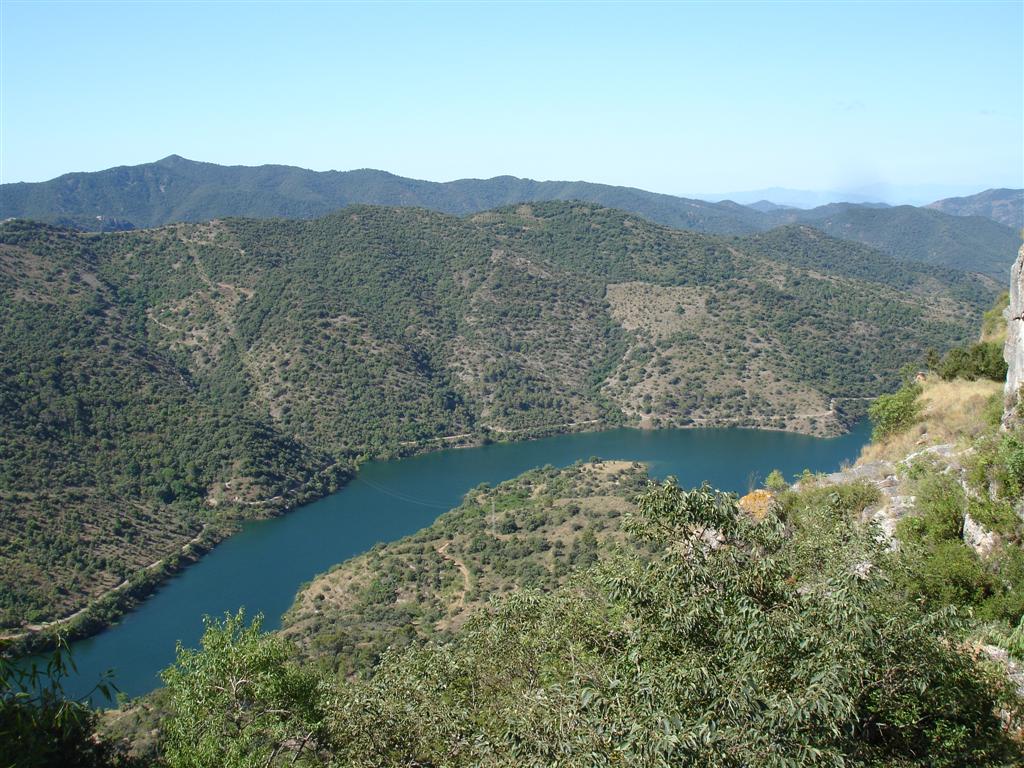
Presa del Pantà de Siurana – A Hidden Gem in Catalonia’s Heartland
If you’re hunting for a tranquil spot where crystal‑clear water meets rugged Mediterranean scenery, the Presa del Pantà de Siurana (Siurana dam) should be at the top of your itinerary. Nestled in the municipality of Alforja, this modest reservoir offers a perfect blend of nature, photography, and low‑key adventure—without the crowds of the Costa Brava.
1. Introduction
Imagine a mirror‑smooth lake tucked into a valley of limestone cliffs, the distant scent of pine and thyme drifting on a gentle breeze. That’s the vibe you’ll get at the Presa del Pantà de Siurana, a small but striking dam in the province of Tarragona, Catalonia. While the name may not ring as loudly as “Montserrat” or “Costa del Sol,” this off‑the‑beaten‑path destination is fast becoming a favorite among hikers, cyclists, and anyone craving an authentic Catalan countryside experience.
In this guide you’ll discover everything you need to know to make the most of your visit: the dam’s background, how to reach it, the best seasons to explore, what you’ll see on site, nearby natural springs, and insider travel tips to keep your trip smooth and memorable.
2. About Presa del Pantà de Siurana
A Quick Overview
- Name: Presa del Pantà de Siurana
- Type: Dam / Reservoir
- Location: Alforja, Catalonia, Spain
- Coordinates: 41.249797 N, 0.913678 E
- Altitude & Height: Not publicly disclosed (the dam blends naturally into the surrounding terrain)
The Pantà de Siurana is a man‑made reservoir created by damming the Siurana River. Its primary purpose is water regulation for irrigation and local supply, but over the years it has evolved into a scenic spot for recreation and photography. The reservoir’s calm surface reflects the dramatic limestone walls of the Siurana gorge, making it a favorite backdrop for landscape photographers.
Historical Touchpoints
The dam’s construction dates back to the mid‑20th century, a period when many Catalan municipalities invested in water infrastructure to support agriculture and rural development. While exact dates are scarce, the reservoir has been part of the local landscape for several decades, gradually gaining a reputation as a natural oasis for residents of Alforja and surrounding villages.
Why It Matters
- Ecological Value: The reservoir supports a modest but diverse riparian ecosystem, attracting birds, amphibians, and occasional otters.
- Cultural Significance: For locals, the Pantà de Siurana represents a blend of traditional water management and modern leisure.
- Tourism Boost: Its proximity to the historic village of Siurana (famous for its medieval castle) makes it a convenient stop for day‑trippers exploring the Priorat wine region and the Ports de Tortosa-Beseit natural park.
3. How to Get There
By Air
- Barcelona–El Prat Airport (BCN): ~150 km (≈2 h drive).
- Reus Airport (REU): ~70 km (≈1 h 15 min drive).
Both airports have car‑rental services and regular bus connections to Tarragona.
By Train
- Tarragona Railway Station: Direct AVE/Alvia services from Barcelona. From Tarragona, you can catch a regional bus or rent a car to Alforja (≈45 km).
By Bus
- Tarragona → Alforja: The Sants and Alforja bus lines (operated by Sants Bus and Alsa) run several times daily. Check the latest schedules on the Tarragona Transport website.
By Car
Driving is the most flexible option, especially if you plan to explore nearby springs.
From Barcelona:
1. Take the AP‑7 (E‑15) south toward Tarragona.
2. Exit at Tarragona and follow the C‑12 towards Reus.
3. Near Reus, switch to the C‑14 heading west to Alforja.
4. Follow local signs for Pantà de Siurana (look for a small parking area on the road just before the village of Siurana).
From Valencia:
1. Travel north on the AP‑7 (E‑15).
2. Exit at Tarragona and follow the same route as above.
Parking & Access
A modest, free parking lot sits at the northern edge of the reservoir. The road is paved but narrow; larger vehicles should use the designated pull‑outs. The dam itself is not open for tours, but the surrounding walking paths are publicly accessible.
4. Best Time to Visit
| Season | Weather | Why Visit |
|---|---|---|
| Spring (March‑May) | Mild temperatures (15‑22 °C), occasional rain | Wildflowers bloom on the hillsides; water levels are high, giving the lake a fuller look. |
| Summer (June‑August) | Warm to hot (25‑33 °C), dry | Ideal for early‑morning photography and picnics; evenings are pleasant. |
| Autumn (September‑November) | Comfortable (18‑26 °C), golden light | Fewer tourists, vibrant foliage, and the reservoir’s surface often mirrors the colorful sky. |
| Winter (December‑February) | Cool (8‑14 °C), occasional frost | Quietest period; great for contemplative walks, though some paths may be slippery. |
Peak recommendation: Late spring (April‑May) and early autumn (September) offer the best combination of comfortable weather, vivid scenery, and manageable visitor numbers.
5. What to Expect
Scenic Walks & Photo Ops
A short, well‑marked trail circles the reservoir, allowing you to capture the water from multiple angles. The most photogenic spot is the south‑west viewpoint, where the lake reflects the jagged cliffs of the Siurana gorge at sunrise. Bring a wide‑angle lens for dramatic landscape shots.
Birdwatching & Wildlife
While the dam isn’t a designated wildlife reserve, you’ll often see mallards, greylag geese, and kingfishers darting over the water. Early mornings are the best time for spotting wildlife.
Picnic Areas
Two modest picnic tables sit near the parking lot, shaded by pine trees. Pack a bocadillo (Spanish sandwich) and a bottle of Priorat wine for a true Catalan experience.
Limited Facilities
There are no cafés, restrooms, or souvenir shops directly at the dam. The nearby village of Alforja (≈5 km away) offers basic amenities, including a bakery, a small supermarket, and a traditional tavern.
6. Nearby Attractions
The Pantà de Siurana is a perfect base for exploring a cluster of natural springs and small villages that showcase Catalonia’s rural charm. All attractions are within a 3‑4 km radius, making them easy to combine in a single day.
| Attraction | Type | Distance from Dam | Highlights |
|---|---|---|---|
| Font del Racó | Spring | 2.0 km | A clear, bubbling spring nestled in a pine‑covered ravine. Ideal for a quick dip on a hot day. |
| [Unnamed Spring] | Spring | 2.1 km | Small water source surrounded by limestone outcrops. Great for a short nature walk. |
| Font Freda (seca) | Spring (dry) | 2.9 km | A seasonal spring that fills after heavy rain; fascinating geological formations. |
| La Font Viva | Spring | 3.2 km | Known for its vibrant turquoise water, especially after spring rains. |
| Font del Grau | Spring | 3.4 km | A peaceful spot with a wooden footbridge, perfect for photography. |
Tip: All these springs are reachable via local footpaths that start near the reservoir’s perimeter. Bring sturdy walking shoes and a water bottle.
Further Exploration:
- Siurana Village: A medieval hilltop town with a historic castle and stunning vistas over the Priorat wine region.
- Ports de Tortosa‑Beseit Natural Park: A short drive north, offering rugged mountain trails, waterfalls, and wildlife.
7. Travel Tips
| Tip | Details |
|---|---|
| Dress in layers | Even in summer, mornings can be cool near the water. A light jacket is handy. |
| Bring cash | Small villages like Alforja often prefer cash for market stalls and taverns. |
| Respect the environment | The springs are delicate ecosystems; avoid littering and stay on marked paths. |
| Timing | Arrive early (before 9 am) to beat any occasional weekend crowd and capture the best light. |
| Parking | The lot fills quickly on sunny days; if it’s full, park on the side road and walk the short trail. |
| Local cuisine | Try the coca de recapte (savory flatbread) at a nearby tavern for an authentic taste of Tarragona. |
| Language | Catalan is the primary language; most locals speak Spanish, and basic English is understood in tourist spots. |
| Safety | The water can be cold even in summer; avoid swimming near the dam’s spillway. |
| Connectivity | Mobile coverage is decent, but expect weaker signals near the springs—download offline maps beforehand. |
Wrap‑Up
The Presa del Pantà de Siurana may not be a headline attraction, but that’s precisely why it feels like a secret waiting to be discovered. Whether you’re a photographer chasing that perfect reflection, a hiker eager to explore hidden springs, or simply a traveler looking for a quiet spot to unwind, this Catalan dam offers a slice of authentic, low‑key Spain.
Pack your camera, lace up your boots, and set your GPS to 41.249797 N, 0.913678 E—the tranquil waters of Siurana are ready to welcome you.
Happy travels!