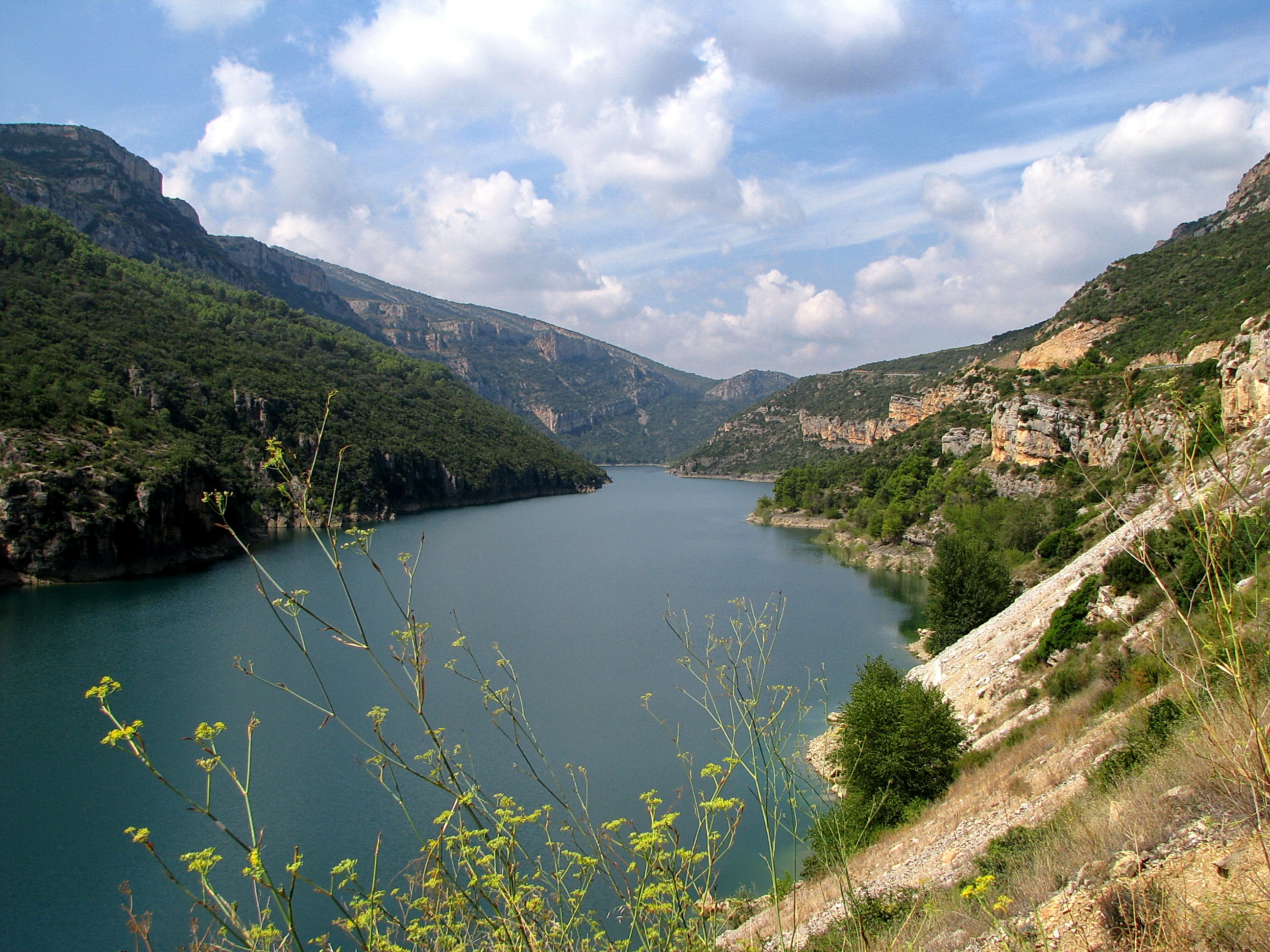
Presa de Camarasa – The Majestic 1920s Gravity Dam Hidden in Catalonia’s Landscape
If you’re chasing off‑the‑beaten‑path engineering marvels, sparkling blue reservoirs, and a slice of Catalan history, the Presa de Camarasa should be at the top of your itinerary.
1. Introduction
Imagine standing at the edge of a crystal‑clear lake, the water spilling over a towering concrete wall that has watched almost a century of Catalonia’s seasons pass by. That’s the experience at Presa de Camarasa, a 103‑metre‑high gravity dam perched near the tiny village of Camarasa in the heart of Catalonia, Spain. Built in the roaring 1920s by the legendary Barcelona Traction, Light and Power Company Limited—better known as “La Canadenca”—the dam is not only a feat of early 20th‑century engineering but also a serene spot for hikers, photographers, and anyone who loves the quiet power of water.
In this guide we’ll dive into the dam’s story, show you how to get there, tell you the best time to visit, and highlight nearby gems you can explore on the same day. Let’s set off on a journey that blends industrial heritage with natural beauty.
2. About Presa de Camarasa
A Brief History
- Construction era: Early 1920s
- Builder: Barcelona Traction, Light and Power Company Limited (La Canadenca)
- Design: Gravity dam – the massive weight of the concrete structure holds back the water.
The dam was part of a broader effort to harness the Segre River’s energy for hydroelectric power, a project that helped modernise Catalonia’s electricity grid during the interwar period. La Canadenca, a Canadian‑owned utility, invested heavily in Spain’s water infrastructure, and Presa de Camarasa became one of its flagship works.
Technical Highlights
| Feature | Detail |
|---|---|
| Height | 103 m (≈ 338 ft) |
| Type | Gravity dam |
| Coordinates | 41.907771 N, 0.886844 E |
| Primary purpose | Hydroelectric generation & water regulation |
| Altitude | Not publicly disclosed (the reservoir sits at a mid‑mountain level typical of the Pre‑Pyrenees) |
The dam creates a sizeable reservoir that stretches for several kilometres, offering panoramic reflections of the surrounding hills and a calm surface that’s perfect for early‑morning photography.
Why It Matters
- Historical significance: One of the few remaining early‑20th‑century concrete gravity dams still in operation in Spain.
- Cultural value: Represents the era when foreign investment (Canadian in this case) helped shape Catalonia’s modern infrastructure.
- Environmental role: Regulates water flow for downstream agriculture and maintains ecological balance in the Segre River basin.
3. How to Get There
By Car
The most flexible way to reach Presa de Camarasa is by car. From Barcelona:
- Take the AP‑7 (E‑15) north toward Girona.
- Exit at C-26 toward Lleida and follow signs for Camarasa (≈ 150 km, 1h 45m).
- Once you reach the town of Camarasa, follow the local road signs to the dam—look for the large concrete wall and the parking area on the right side of the reservoir.
The drive offers scenic views of the Lleida plain and the foothills of the Pyrenees, making the journey itself a pleasant part of the adventure.
By Public Transport
- Train: Take the Renfe regional train from Barcelona Sants to Lleida (approx. 1 h 30 m).
- Bus: From Lleida, catch the ALSA or Sagalés bus to Camarasa (about 45 min).
- Taxi/ride‑share: Once in Camarasa, a short 5‑minute taxi ride will drop you at the dam’s parking lot.
Note: Public transport schedules are limited on weekends, so plan ahead and check the latest timetables.
Parking & Accessibility
A modest, free parking lot sits directly opposite the dam’s visitor viewpoint. The site is wheelchair‑friendly, with paved paths leading to several lookout points. However, the steepest sections of the trail around the reservoir are best suited for sturdy walking shoes rather than wheelchairs.
4. Best Time to Visit
| Season | Weather | Visitor Experience |
|---|---|---|
| Spring (Mar‑May) | Mild temperatures (12‑20 °C), blooming wildflowers | Ideal for photography; water levels are high after snow melt. |
| Summer (Jun‑Aug) | Warm to hot (25‑35 °C), occasional thunderstorms | Great for picnics by the lake; early mornings are cooler for hikes. |
| Autumn (Sep‑Nov) | Pleasant (15‑22 °C), golden foliage | Perfect for tranquil walks; water levels start to recede, exposing more shoreline. |
| Winter (Dec‑Feb) | Cool (5‑12 °C), occasional frost | Fewer tourists; the dam’s concrete walls look dramatic against misty skies. |
Peak recommendation: Late spring (mid‑April to early May) when the reservoir is full, the surrounding vegetation is vibrant, and daylight hours are generous.
5. What to Expect
Visuals & Atmosphere
- The dam wall: A solid slab of gray concrete stretching 103 m high, punctuated by narrow spillways that release a soft roar when water is discharged.
- The reservoir: A deep, turquoise lake that mirrors the sky, framed by rolling hills and pine‑covered slopes.
- Wildlife: You may spot kingfishers, herons, and occasional otters along the water’s edge.
Activities
- Scenic walks: A short, well‑marked trail circles the reservoir, offering multiple viewpoints.
- Photography: Sunrise over the dam, sunset reflections, and the dramatic contrast of the concrete against natural foliage are all Instagram‑ready.
- Picnicking: Designated grassy spots near the parking area provide a pleasant setting for a packed lunch.
Facilities
- Restrooms: Basic facilities are available near the parking lot.
- Information board: A small plaque explains the dam’s history, construction year, and technical data (including the 103 m height).
- No formal guided tours: The site is open‑access, but local guides occasionally organize group visits during the summer months—check the Camarasa municipal website for updates.
6. Nearby Attractions
While the dam itself can fill a half‑day, the surrounding area offers additional points of interest that complement your visit.
| Attraction | Distance | Why Go? |
|---|---|---|
| Other Local Dams | 0 km – 0.5 km | The Camarasa valley is dotted with small hydro‑structures that showcase the region’s water‑management heritage. |
| Font de la Feixa (Spring) | 2.6 km | A natural spring nestled in a pine forest—perfect for a short hike and a refreshing drink of mountain water. |
| Camarasa Village | 0 km | Wander the narrow streets, sample local Catalan tapas, and visit the historic parish church of Sant Llorenç. |
| Segre River Canyon (nearby) | ~5 km | For adventure seekers, the canyon offers kayaking and rock‑climbing opportunities. |
| Lleida City | 35 km | If you have extra time, explore Lleida’s medieval castle, museums, and vibrant market. |
Links:
- Presa de Camarasa Wikipedia (Catalan): https://ca.wikipedia.org/wiki/Pant%C3%A0_de%20Camarasa
- Font de la Feixa (Spring) info: (search “Font de la Feixa Camarasa” for local hiking maps)
7. Travel Tips
- Arrive early – The parking lot fills up quickly during weekends, especially in spring.
- Bring water and snacks – While there are small cafés in Camarasa village, the dam area itself has limited services.
- Dress in layers – Weather can shift quickly, especially near the water; a light jacket is advisable even in summer.
- Respect the environment – Stay on marked paths, avoid littering, and keep a safe distance from any operational spillways.
- Check dam operation schedule – Occasionally, water releases create higher flows that may temporarily restrict access to certain viewpoints. The local tourist office can provide the latest schedule.
- Photography gear – A wide‑angle lens captures the dam’s scale, while a polarizing filter helps reduce glare on the water surface.
- Cash for small purchases – Rural Catalonia still favors cash for tiny cafés and souvenir stalls.
Wrap‑Up
Presa de Camarasa isn’t just a concrete structure; it’s a living piece of Catalonia’s industrial past set against a backdrop of pristine nature. Whether you’re a history buff, a photography enthusiast, or simply a traveler looking for a peaceful spot away from the crowded coastal towns, this 1920s gravity dam offers a unique blend of engineering marvel and scenic serenity.
Pack your camera, hit the road, and let the quiet power of the Segre River guide you to one of Catalonia’s hidden gems. Safe travels!