Forat d'Abella Waterfall – A Hidden Gem in Catalonia’s Llimiana Valley
Discover the whispering cascade, rugged landscapes, and tranquil springs that make Forat d'Abella a must‑see destination for nature lovers traveling through Catalonia, Spain.
Introduction
Imagine stepping off a quiet forest trail and hearing the soft roar of water tumbling over ancient stone. The air is cool, scented with pine and moss, and a veil of mist kisses your face. This is the moment you experience at Forat d'Abella, a modest yet magical waterfall tucked away in the municipality of Llimiana, Catalonia. While it may not boast the towering heights of Spain’s most famous cascades, its secluded setting, crystal‑clear pool, and surrounding natural wonders offer an authentic Catalan adventure far from the crowds.
If you’re planning a road trip through the Pyrenees, a weekend hike in the Alt Pirineu Natural Park, or simply a day‑trip from Lleida, Forat d'Abella should sit high on your itinerary. In this guide we’ll explore the waterfall’s story, how to reach it, the best season to visit, what you’ll see on the ground, nearby attractions, and essential travel tips to make your visit smooth and unforgettable.
About Forat d'Abella
A Brief Description
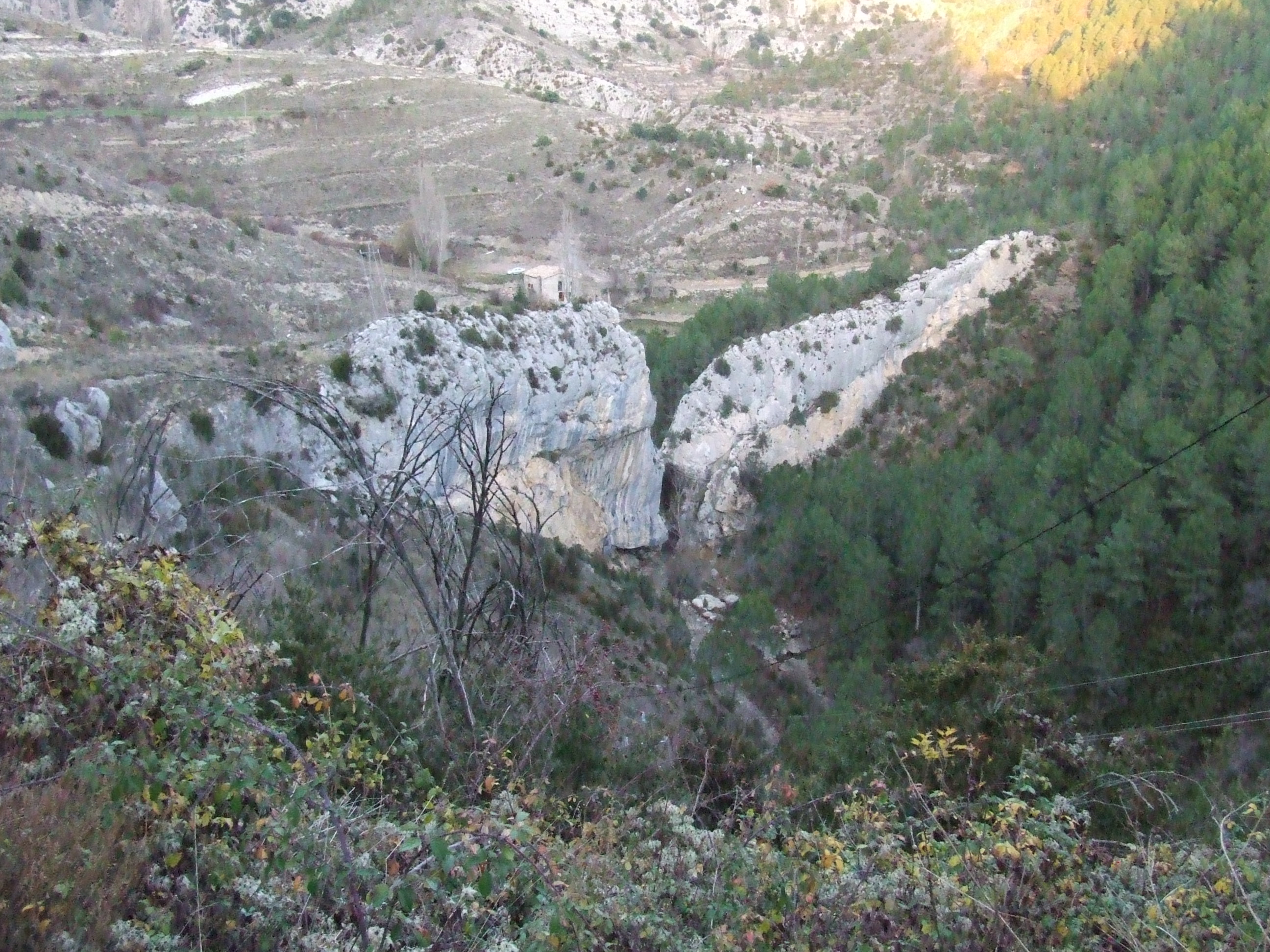
Forat d'Abella (Catalan for “Bee’s Hole”) is a natural waterfall located at 42.162016 N, 1.095462 E in the rugged terrain of Llimiana, a small town in the province of Lleida. The name is thought to reference the tiny openings in the surrounding rocks where bees once nested, creating a poetic link between the landscape and its wildlife. The waterfall drops into a shallow, turquoise pool that reflects the surrounding cliffs and forest canopy.
History & Cultural Significance
While the exact height of Forat d'Abella remains undocumented, its presence has been recorded in local folklore for generations. The waterfall has traditionally served as a gathering spot for shepherds and villagers, who would stop to water their flocks and share stories. Its remote location helped preserve a sense of mystique, and today it continues to attract hikers, photographers, and anyone seeking a quiet communion with nature.
The site is mentioned in the Catalan Wikipedia entry for Forat d'Abella, underscoring its relevance within the regional natural heritage. Although not a commercial tourist hotspot, the waterfall is part of Catalonia’s broader network of protected natural spaces, contributing to the ecological diversity of the Alt Pirineu region.
How to Get There
By Car
- From Lleida – Take the C-14 highway north toward Balaguer, then exit onto the N-230 toward Tremp. Follow signs for Llimiana and continue on the local road GI‑520.
- Parking – A small, free parking area sits at the trailhead just outside Llimiana. Space is limited, especially on weekends, so arrive early (7–8 am) to secure a spot.
By Public Transport
- Bus – The ALSA line 321 runs from Lleida to Llimiana (check the latest timetable). From the bus stop, you’ll need to walk about 15 minutes to the trailhead.
- Train – The nearest train station is Tremp, on the Rodalies de Catalunya line R3. From Tremp, catch a local taxi or bus to Llimiana.
On Foot
The waterfall is reached via a well‑marked, moderate‑difficulty trail that starts at the parking area. The path is roughly 1.2 km round‑trip, with a gentle ascent of about 150 m. Trail signs read “Forat d'Abella” and are easy to follow. Wear sturdy hiking shoes and bring a water bottle—there are no facilities along the route.
Best Time to Visit
| Season | Conditions | Why Visit |
|---|---|---|
| Spring (March‑May) | Flow is strongest after winter rains; wildflowers bloom along the trail. | Ideal for photography and fresh water sounds. |
| Summer (June‑August) | Warm temperatures, but the waterfall remains cool. Early mornings are less crowded. | Perfect for a refreshing dip in the pool. |
| Autumn (September‑November) | Leaves turn golden, water level moderate, fewer tourists. | Scenic colors and comfortable hiking weather. |
| Winter (December‑February) | Water may be reduced; occasional frost on rocks. | For the adventurous, a quiet, mystical landscape. |
Tip: The best overall experience is during late spring when the water volume is at its peak and the surrounding flora is vibrant. Check local weather forecasts before heading out, as heavy rain can make the trail slippery.
What to Expect
The Trail Experience
- Scenery: The path winds through pine forests, open meadows, and rocky outcrops. You’ll hear birdsong, the rustle of leaves, and the distant murmur of the waterfall growing louder with each step.
- Difficulty: The hike is suitable for most fitness levels. Some sections involve short, uneven stone steps, but there are no technical climbs.
At the Waterfall
- Visuals: The water plunges over a natural ledge into a clear pool, framed by moss‑covered boulders. Sunlight often creates a rainbow through the mist—an Instagram‑worthy moment.
- Sounds: The gentle roar of water offers a calming backdrop, perfect for meditation or simply soaking in the tranquility.
- Swimming: The pool is shallow enough for a quick dip, especially on warm days. Remember to respect the environment—avoid using soap or sunscreen in the water.
Wildlife & Flora
- Birds: Expect to see golden eagles, sparrowhawks, and a variety of songbirds.
- Plants: The area hosts holm oak, European beech, and seasonal wildflowers such as poppies and lavender.
Nearby Attractions
While Forat d'Abella is the star, the surrounding region offers several complementary natural sites worth a short detour:
| Attraction | Distance | Type | Quick Link |
|---|---|---|---|
| Fountain (Unnamed) | 0.1 km | Fountain | Google Maps |
| Fountain (Unnamed) | 0.2 km | Fountain | Google Maps |
| Local Dam | 4.2 km | Dam | Google Maps |
| Font de les Pujadetes | 4.7 km | Spring | Wikipedia – Font de les Pujadetes |
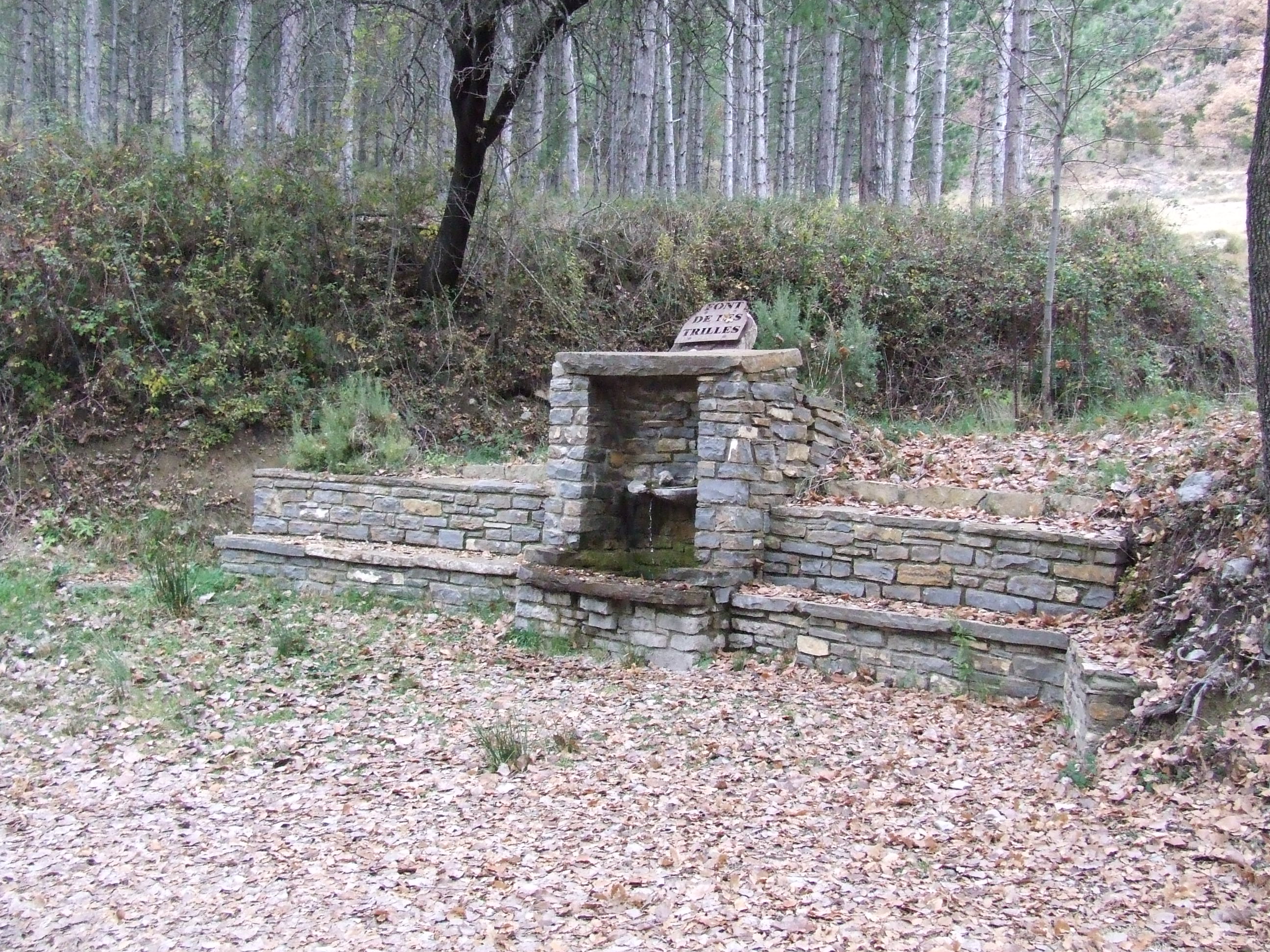
| Font de les Trilles | 5.1 km | Spring | Wikipedia – Font de les Trilles |
These spots are perfect for a picnic, a quick photo session, or extending your hike into a full‑day nature adventure.
Travel Tips
- Pack Light, Pack Smart – Bring a small daypack with a water bottle, snack, sunscreen, and a lightweight rain jacket.
- Footwear Matters – Sturdy, waterproof hiking shoes provide grip on the occasional slippery stones.
- Leave No Trace – Carry a trash bag and take all litter back to the parking area. The ecosystem is fragile.
- Timing – Arrive early in the morning (especially in summer) to avoid the occasional crowd and enjoy cooler temperatures.
- Photography – The best light occurs an hour after sunrise or an hour before sunset. A polarizing filter helps reduce glare on the water.
- Safety – The pool can be slippery; watch your step when entering or exiting. Children should be supervised at all times.
- Connectivity – Mobile signal is limited on the trail. Download offline maps (e.g., Maps.me or Google Maps offline) before you set out.
- Local Cuisine – After your hike, stop at a nearby Llimiana tavern for traditional Catalan dishes like escudella or pa amb tomàquet.
Final Thoughts
For travelers seeking an authentic slice of Catalonia’s natural beauty, Forat d'Abella offers a peaceful retreat that combines gentle hiking, refreshing water, and the raw charm of the Pyrenean foothills. Whether you’re a seasoned backpacker, a family on a weekend outing, or a photographer chasing that perfect mist‑kissed cascade, this hidden waterfall delivers a memorable experience without the bustle of major tourist sites.
Plan your journey, respect the environment, and let the sound of the water guide you into the heart of Llimiana’s wilderness. Happy travels!
Keywords: Forat d'Abella waterfall, Llimiana, Catalonia travel, Spain waterfalls, hiking in Catalonia, natural attractions near Lleida, Alt Pirineu Natural Park, hidden gems Spain, waterfall hiking trail.