Font del Fonoll – A Hidden Spring Oasis in Alella, Catalonia
Discover the tranquil charm of Font del Fonoll, a secluded spring just a short drive from Barcelona, and learn how to make the most of this natural gem.
1. Introduction
Imagine stepping off the bustling streets of Barcelona into a quiet, emerald‑green pocket where crystal‑clear water bubbles up from the earth, surrounded by Mediterranean pine and oak. That’s the experience awaiting you at Font del Fonoll, a modest yet mesmerizing spring tucked away in the rolling hills of Alella, Catalonia. While the spring may not boast towering waterfalls or dramatic cliffs, its serene ambience and the sense of stumbling upon a secret spot make it a perfect micro‑adventure for hikers, photographers, and anyone craving a breath of fresh mountain air.
If you’re planning a day trip that blends nature, local culture, and a dash of off‑the‑beaten‑path exploration, Font del Fonoll should sit high on your itinerary. Below, we’ll dive into the spring’s story, how to reach it, the best visiting windows, and the nearby attractions that can turn a simple stopover into a full‑day Catalan adventure.
2. About Font del Fonoll
A Brief Description
- Type: Natural spring (💧)
- Location: Alella, Catalonia, Spain
- Coordinates: 41.503875 N, 2.279450 E
- Altitude & Height: Not officially recorded (the spring emerges at ground level, feeding a small, clear pool).
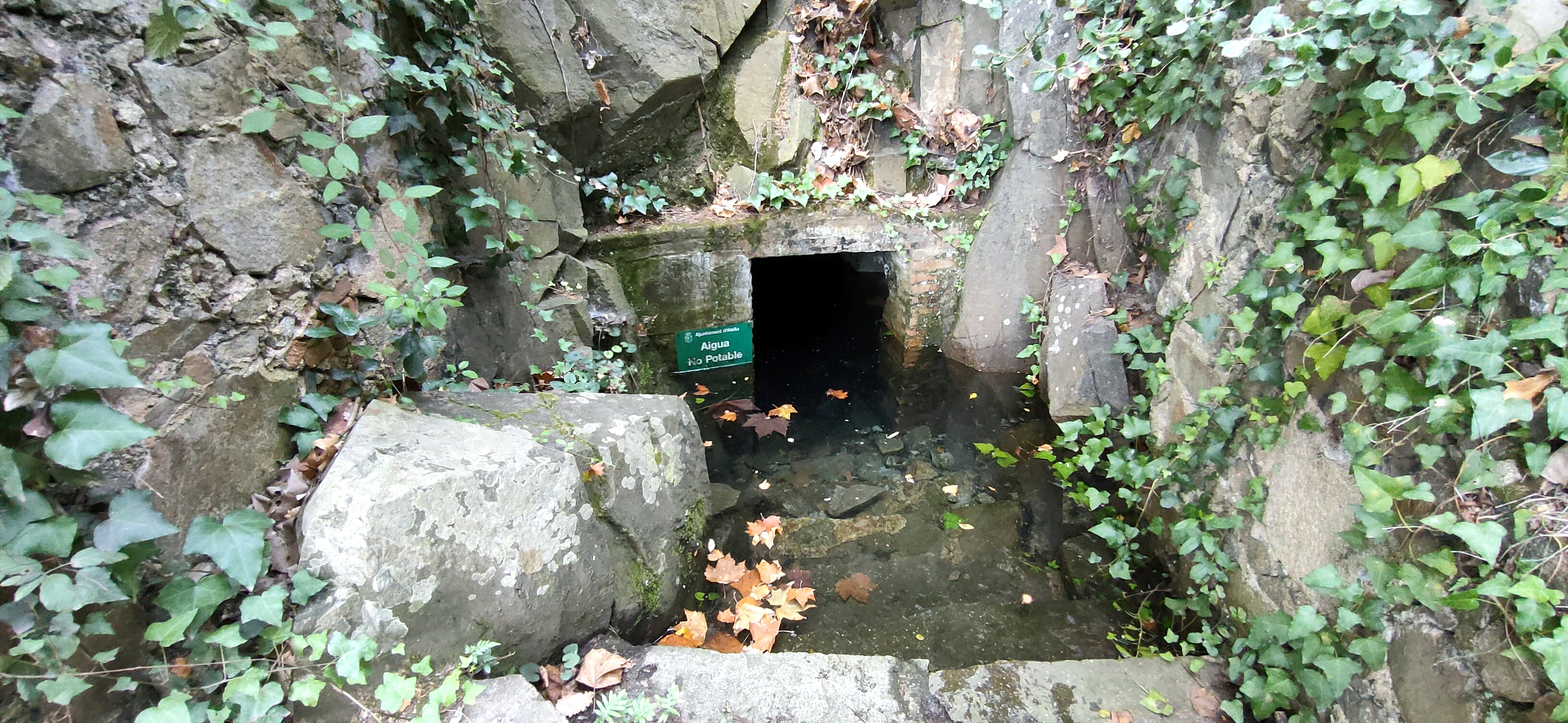
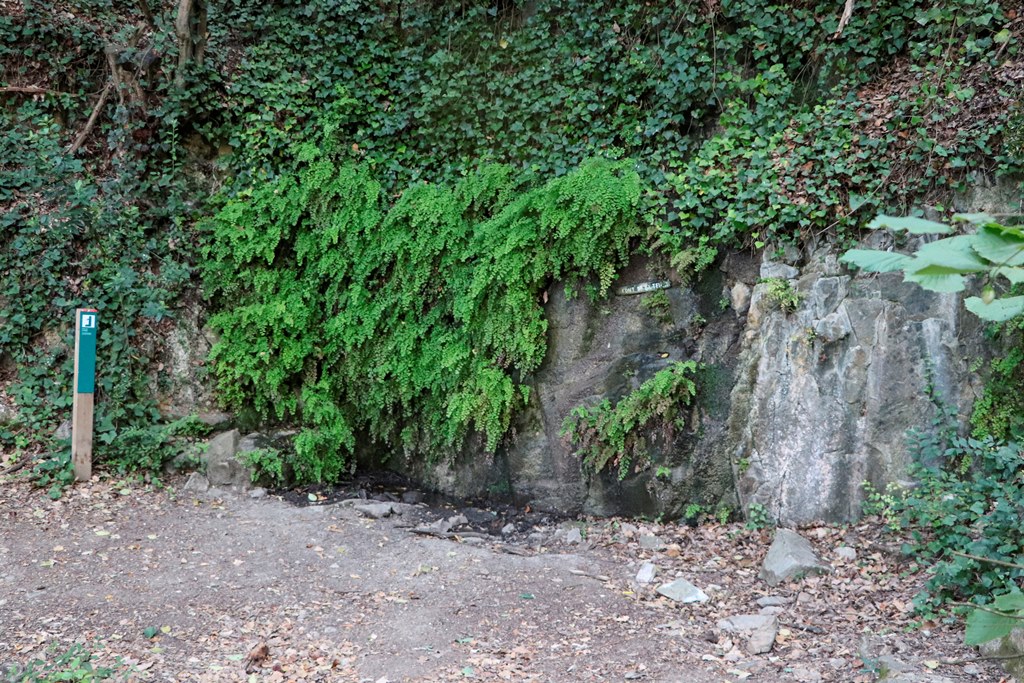
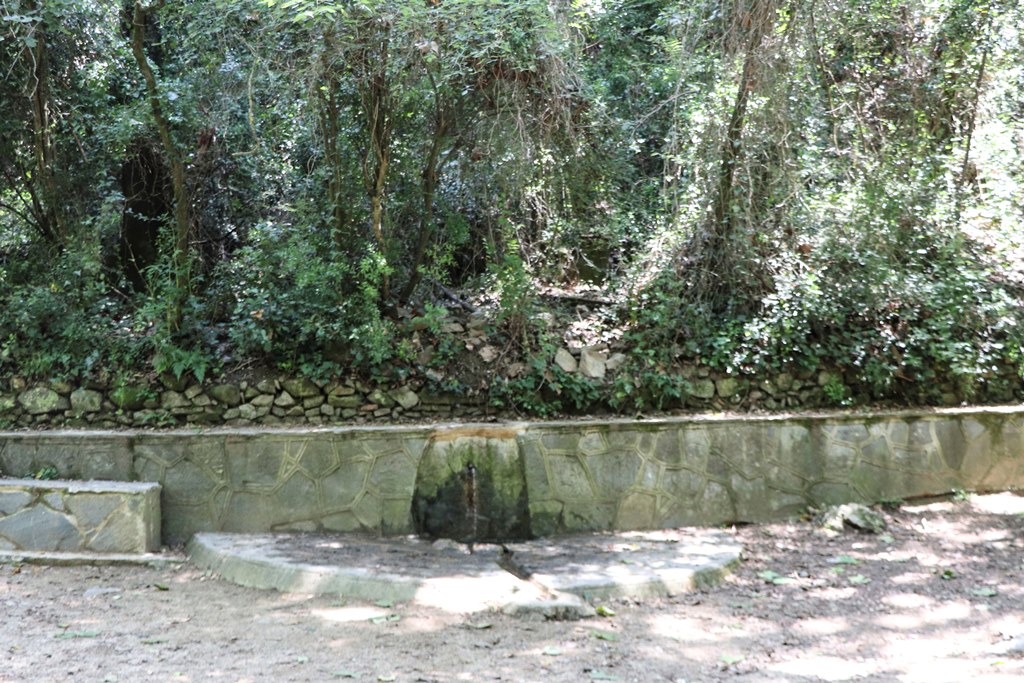
Font del Fonoll is part of a cluster of freshwater sources that dot the Garraf Massif foothills. The spring’s water is pure, cold, and continuously flowing, creating a small pool that reflects the surrounding pine canopy. Though modest in size, the spring has long served as a local watering point for shepherds, hikers, and wildlife alike.
Historical and Cultural Significance
The name “Font del Fonoll” translates from Catalan as “Spring of the Fennel,” hinting at the aromatic herb that once grew abundantly along its banks. While there is no extensive recorded history, the spring’s presence is documented in the Catalan Wikipedia entry (see ca:Font del Fonoll). Historically, such springs were vital for rural communities, providing fresh drinking water before modern plumbing reached the hills.
In recent decades, the spring has become a quiet waypoint on several regional hiking trails. Its unspoiled setting offers a glimpse into the traditional landscape that shaped Alella’s agricultural and viticultural heritage. Visitors often leave a small token—like a stone or a pressed wildflower—as a quiet tribute to the natural sanctuary.
3. How to Get There
By Car
- From Barcelona: Take the C-31 highway heading north toward Mataró.
- Exit at Alella: Follow signs for Alella town centre (approx. 20 km, 30 min drive).
- Local Roads: Turn onto C-35 toward Font del Fonoll; the road becomes a narrow, winding rural lane (signposted for “Font del Fonoll”).
- Parking: A small gravel parking area sits near the trailhead. Space is limited, so arrive early on weekends.
By Public Transport
- Train: The R1 Rodalies line stops at Alella station (about 30 min from Barcelona Sants).
- Bus: From Alella station, catch the local bus 71 toward Sant Cugat del Vallès, which drops off near the C-35 road.
- Walking/Hiking: From the bus stop, it’s a 15‑minute walk along marked forest paths to the spring.
On Foot
If you love long hikes, consider the Garraf Trail (GR‑92) that passes near Font del Fonoll. Starting from Sitges or Vilanova i la Geltrú, you can enjoy a multi‑day trek that includes the spring as a refreshing midpoint.
4. Best Time to Visit
| Season | Why It Works | What to Expect |
|---|---|---|
| Spring (March‑May) | Mild temperatures, wildflowers (including fennel) bloom along the banks. | Pleasant hiking, abundant birdsong, clear water. |
| Early Summer (June) | Longer daylight hours, still comfortable humidity. | Slightly warmer, but the spring’s cool water offers relief. |
| Autumn (September‑October) | Cooler evenings, golden foliage. | Quiet visitor numbers, vibrant autumn colours. |
| Winter (November‑February) | Rarely frozen; the region’s Mediterranean climate keeps the spring flowing. | Fewer tourists, but cooler, possibly rainy conditions—bring waterproof gear. |
Tip: The peak visitor window is late spring to early summer. If you prefer solitude, aim for early autumn weekdays.
5. What to Expect
The Sensory Experience
- Sight: A modest, glass‑like pool framed by pine and oak, with occasional glimpses of distant vineyards on the hillside.
- Sound: The gentle gurgle of water, interwoven with rustling leaves and distant birdcalls.
- Touch: Cool, clean water perfect for a quick hand‑wash or a refreshing splash (respect local guidelines—keep the water pristine).
- Smell: Subtle earthy aromas mixed with the faint scent of fennel and pine resin.
Activities
- Photography: The spring’s reflective surface makes for stunning macro shots of water droplets and macro flora.
- Short Hikes: Loop trails ranging from 1 km to 4 km connect Font del Fonoll with neighboring springs.
- Picnics: Bring a light snack and enjoy a quiet lunch on the designated stone benches (if available).
- Wildlife Spotting: Look out for European hedgehogs, small lizards, and a variety of songbirds that frequent the water source.
Facilities
- Restrooms: None on site—use facilities in Alella town (≈ 2 km away).
- Signage: Trail markers are simple wooden posts; a small information board explains the spring’s name and local flora.
6. Nearby Attractions
While Font del Fonoll is the star of the show, the surrounding area boasts several other natural springs that are perfect for a spring‑hopping itinerary. All are within a 1.5 km radius, making them easy to reach on foot or by bike.
| Attraction | Distance | Quick Note | Link |
|---|---|---|---|
| Font de l'Esquerda | 0.5 km | A slightly larger pool, often visited by local families. | Font de l'Esquerda |
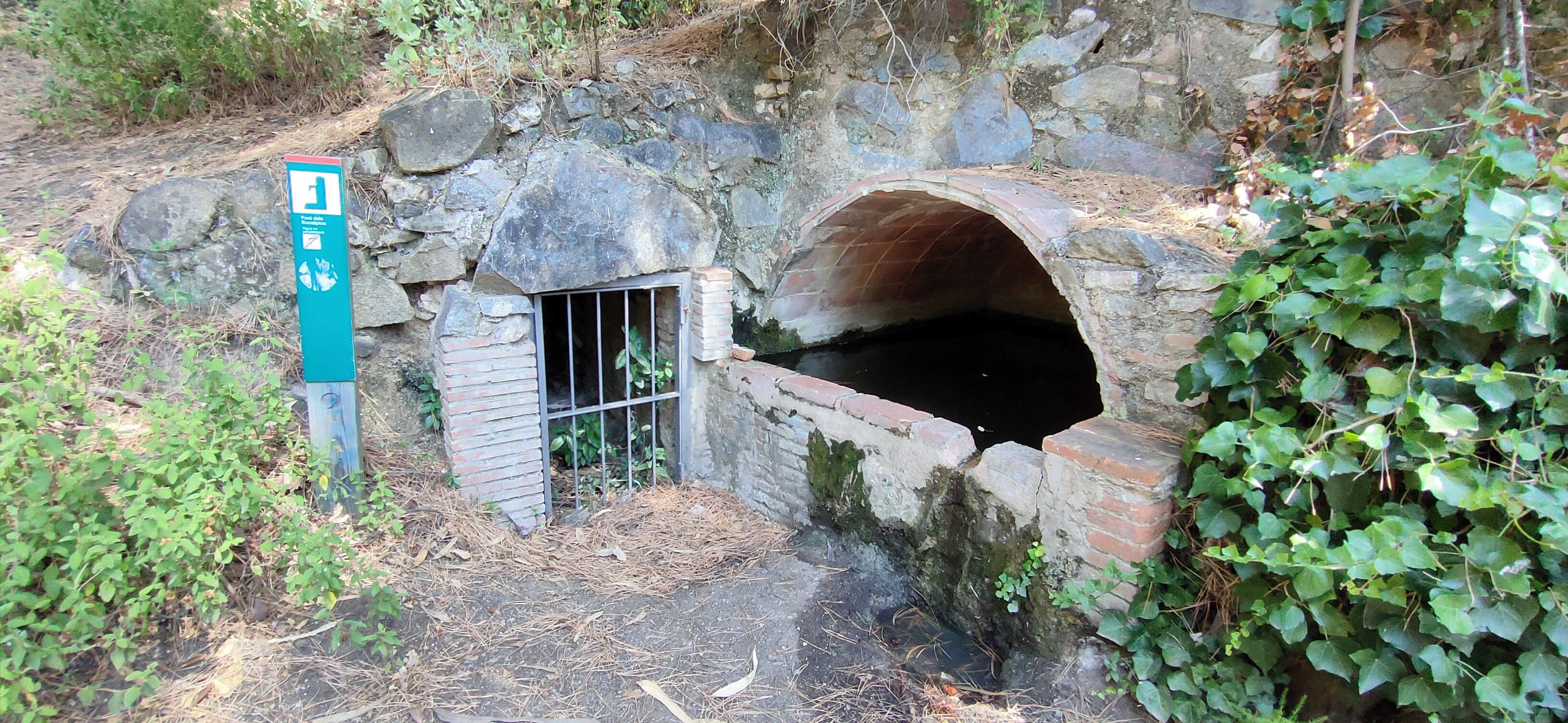
| Font dels Eucaliptus | 0.7 km | Surrounded by eucalyptus trees that give the water a faint menthol scent. | Font dels Eucaliptus |
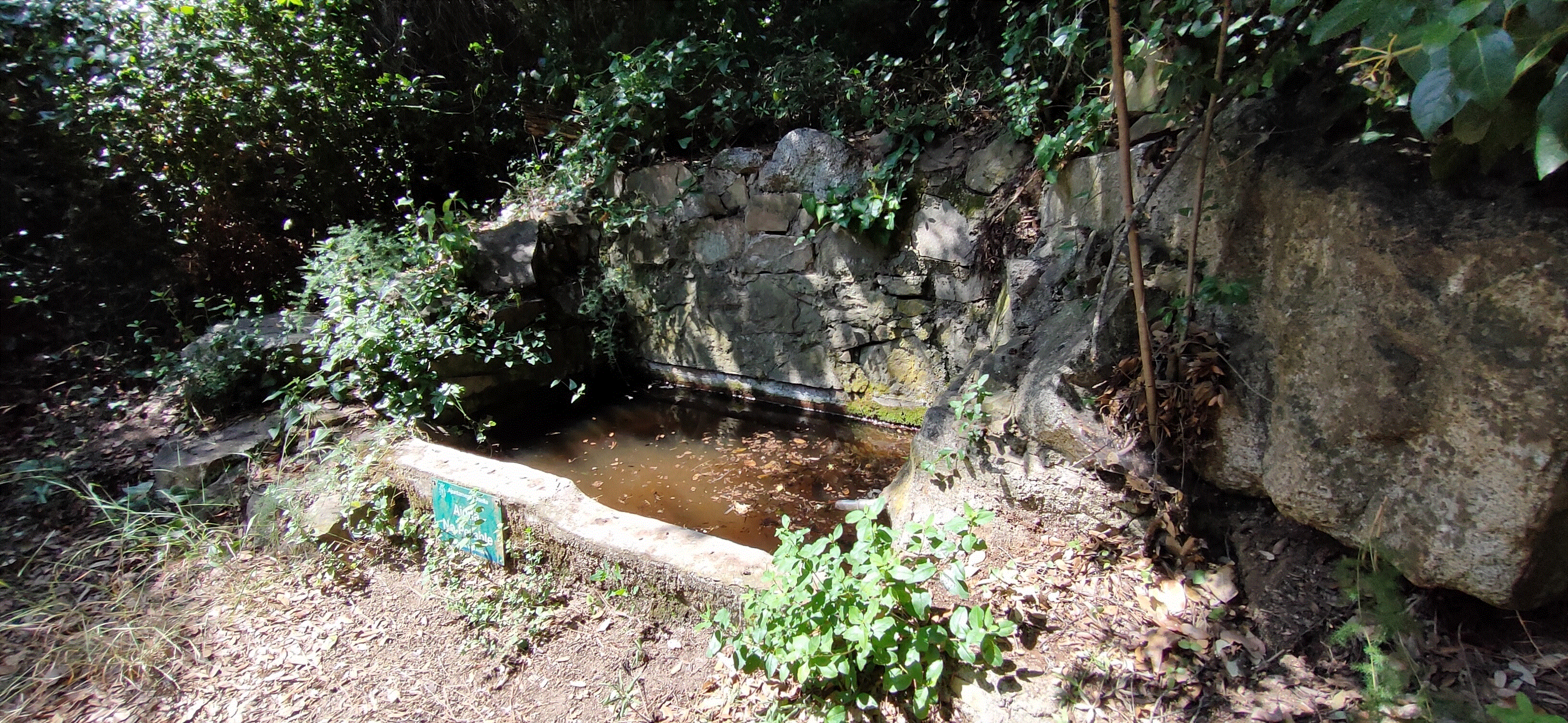
| Font del Safareig | 0.7 km | Historically used for washing clothes; the name means “spring of the washhouse.” | Font del Safareig |
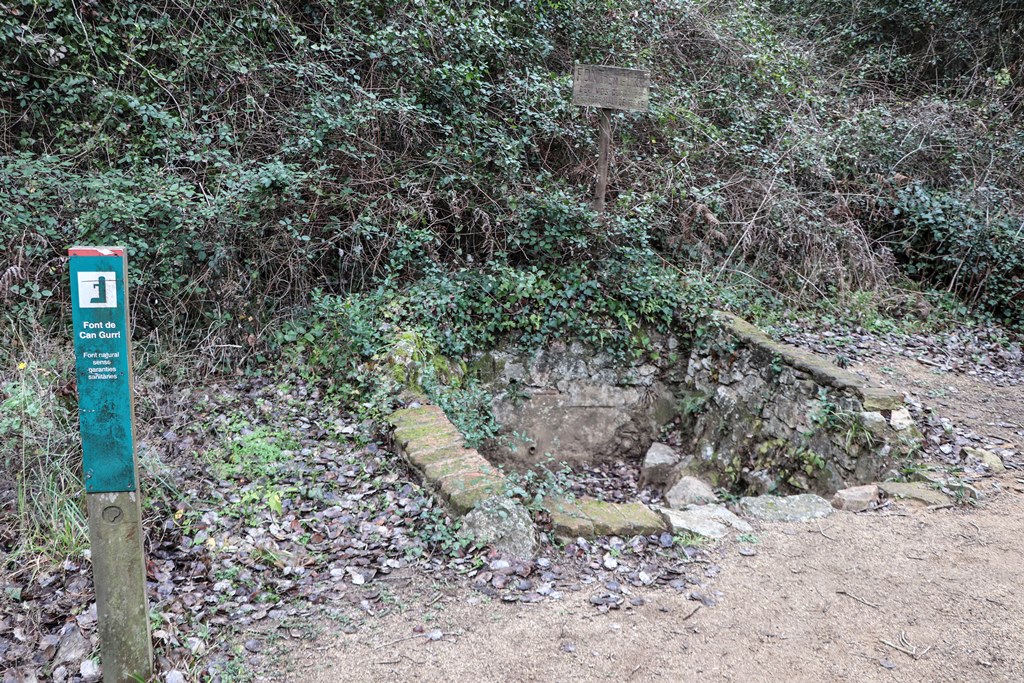
| Font de Can Gurri | 1.3 km | A quiet spot with a small stone bridge—great for photos. | Font de Can Gurri |
| Font de la Teula | 1.4 km | Nestled in a shallow valley, perfect for a short meditation break. | Font de la Teula |
Bonus Nearby: The Alella Wine Route (Ruta del Vi) runs close to these springs. After a day of hiking, stop at a local bodega for a tasting of the region’s renowned Penedès cava and white wines.
7. Travel Tips
- Footwear: Wear sturdy hiking shoes with good traction; the forest paths can be slippery after rain.
- Water: Bring your own drinking water. While the spring is clean, it’s best to avoid ingesting directly from natural sources.
- Leave No Trace: Pack out all trash, stay on marked trails, and avoid picking wild plants—especially fennel, which is part of the spring’s heritage.
- Timing: Arrive early (8 am–10 am) during summer weekends to beat the small crowd that gathers for picnics.
- Photography Gear: A polarizing filter helps reduce glare on the water surface, and a macro lens captures the delicate details of spring‑time flora.
- Safety: Mobile signal can be spotty; let someone know your route and expected return time.
- Seasonal Gear: In autumn, bring a light jacket; winter visitors should pack waterproof shoes and a raincoat.
Final Thought
Font del Fonoll may not headline the typical “must‑see” list of Catalonia, but that’s precisely why it feels like a secret worth sharing. Its gentle waters, surrounding pine‑scented woods, and proximity to other hidden springs create a micro‑paradise for anyone looking to unplug, explore, and reconnect with nature just a stone’s throw from Barcelona. Pack a daypack, follow the trail markers, and let the whisper of the spring guide you into one of Catalonia’s most tranquil corners.
Happy travels, and may the sound of the water at Font del Fonoll linger in your memory long after you leave!