Font de Santa Anna – Barcelona’s Hidden Fountain Gem
Discover the charm of a centuries‑old water feature tucked in the heart of Ciutat Vella, Catalonia.
Introduction
If you think you’ve seen every corner of Barcelona, think again. Beyond the bustling La Rambla and the iconic Sagrada Família lies a quieter, more intimate piece of the city’s heritage: Font de Santa Anna. This modest yet captivating fountain sits in the historic Ciutat Vella district, offering travelers a peaceful pause amid the medieval streets of the Gothic Quarter. Whether you’re a history buff, a photography enthusiast, or simply looking for a tranquil spot to sip a café con leche, Font de Santa Anna deserves a spot on your Barcelona itinerary.
About Font de Santa Anna
A Brief Description
Font de Santa Anna is a stone fountain located at 41.384528, 2.174204 (coordinates) in the heart of Barcelona’s old town. While the exact height and altitude of the structure remain undocumented, its simple, elegant basin and gently flowing water reflect the functional beauty typical of Catalan public fountains from the medieval period.
Historical Roots
The fountain’s name honors Santa Anna, a revered figure in Catalan religious tradition. Like many urban fountains in Barcelona, it was originally installed to provide fresh drinking water to locals and travelers before modern plumbing arrived. Over the centuries, Font de Santa Anna has survived wars, urban renewal projects, and the ebb and flow of tourism, standing as a testament to the city’s commitment to preserving its public heritage.
Cultural Significance
In Catalonia, fountains are more than decorative objects; they are communal gathering points that have historically marked neighborhoods, served as meeting places, and symbolized the life‑giving force of water. Font de Santa Anna continues this tradition, offering a quiet refuge where locals pause to chat, children splash their hands, and visitors capture a slice of authentic Barcelona life.
How to Get There
By Metro
- Line L3 (Green Line) – Get off at Liceu or Drassanes stations. Both stops place you within a 5‑minute walk to the fountain.
- Line L4 (Yellow Line) – Exit at Jaume I; the walk is slightly longer (about 8 minutes) but still pleasant through the Gothic Quarter’s narrow lanes.
By Bus
- Bus 59 (Pl. Catalunya – Barceloneta) and Bus 120 (Plaça d’Espanya – Barceloneta) both stop near Carrer del Bisbe, a short stroll from the fountain.
On Foot
If you’re already exploring Ciutat Vella, simply follow the signs for Plaça de Santa Anna or wander the cobblestone streets around Carrer del Bisbe and Carrer del Call. The fountain is easily spotted thanks to its stone basin and the gentle sound of water.
Parking
Driving in the Gothic Quarter is challenging due to narrow streets and limited parking. If you must drive, use the B: Barcelona underground car park near Plaça de Catalunya and walk or take a short taxi ride.
Best Time to Visit
| Season | Why It Works | Tips |
|---|---|---|
| Spring (March‑May) | Mild temperatures, blooming balconies, fewer crowds than summer. | Arrive early morning for soft light ideal for photography. |
| Summer (June‑August) | Long daylight hours; the fountain’s cool mist offers relief from the heat. | Visit late afternoon to avoid the peak tourist rush on La Rambla. |
| Autumn (September‑November) | Pleasant weather, golden foliage, and cultural festivals. | Combine with the Festa de la Mercè (late September) for extra atmosphere. |
| Winter (December‑February) | Quiet streets and a romantic, misty ambiance around the fountain. | Dress warmly; the fountain may be less crowded, perfect for reflective moments. |
Overall, early spring and late autumn provide the optimal blend of comfortable weather and manageable visitor numbers.
What to Expect
Visual Experience
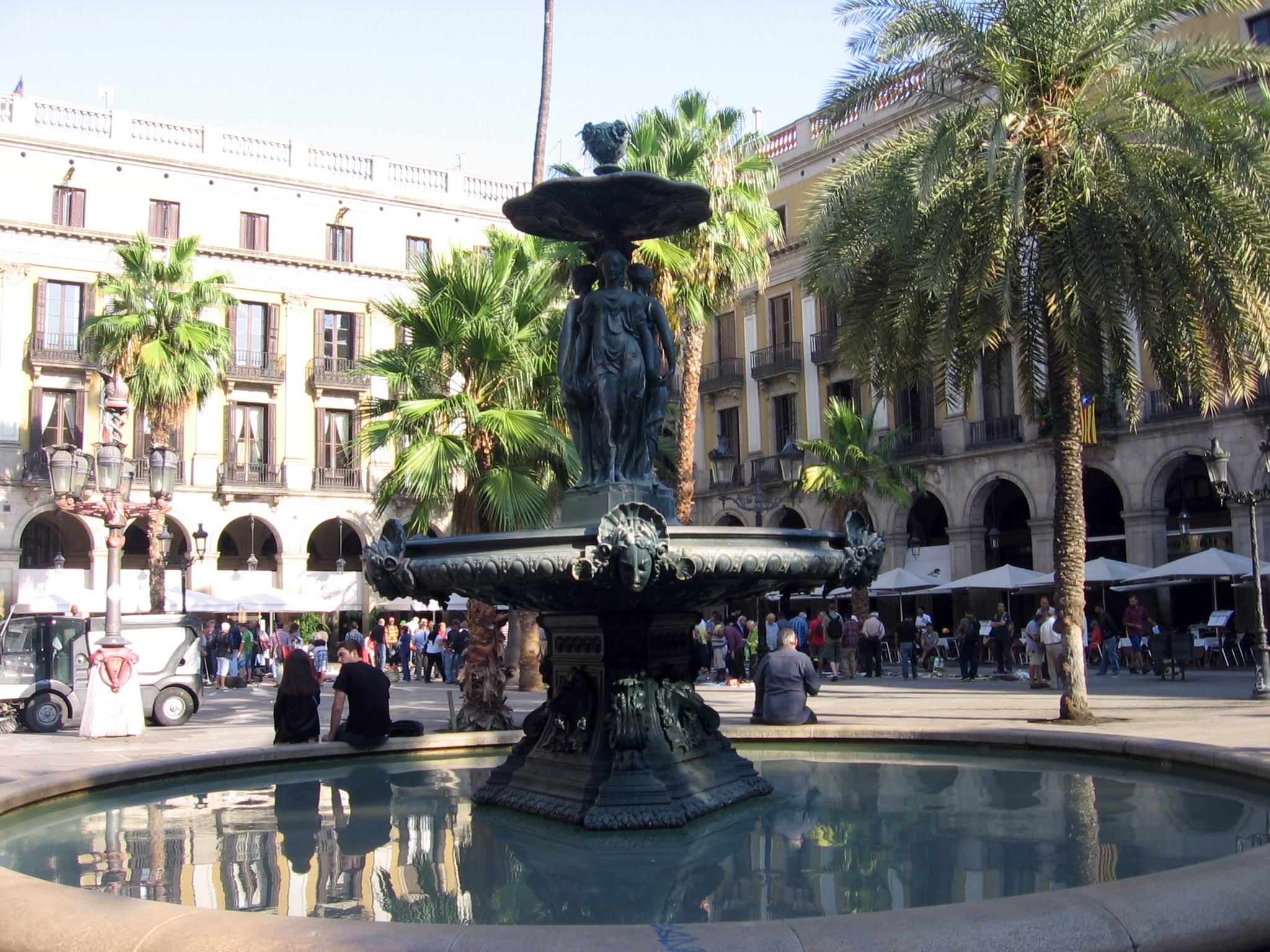
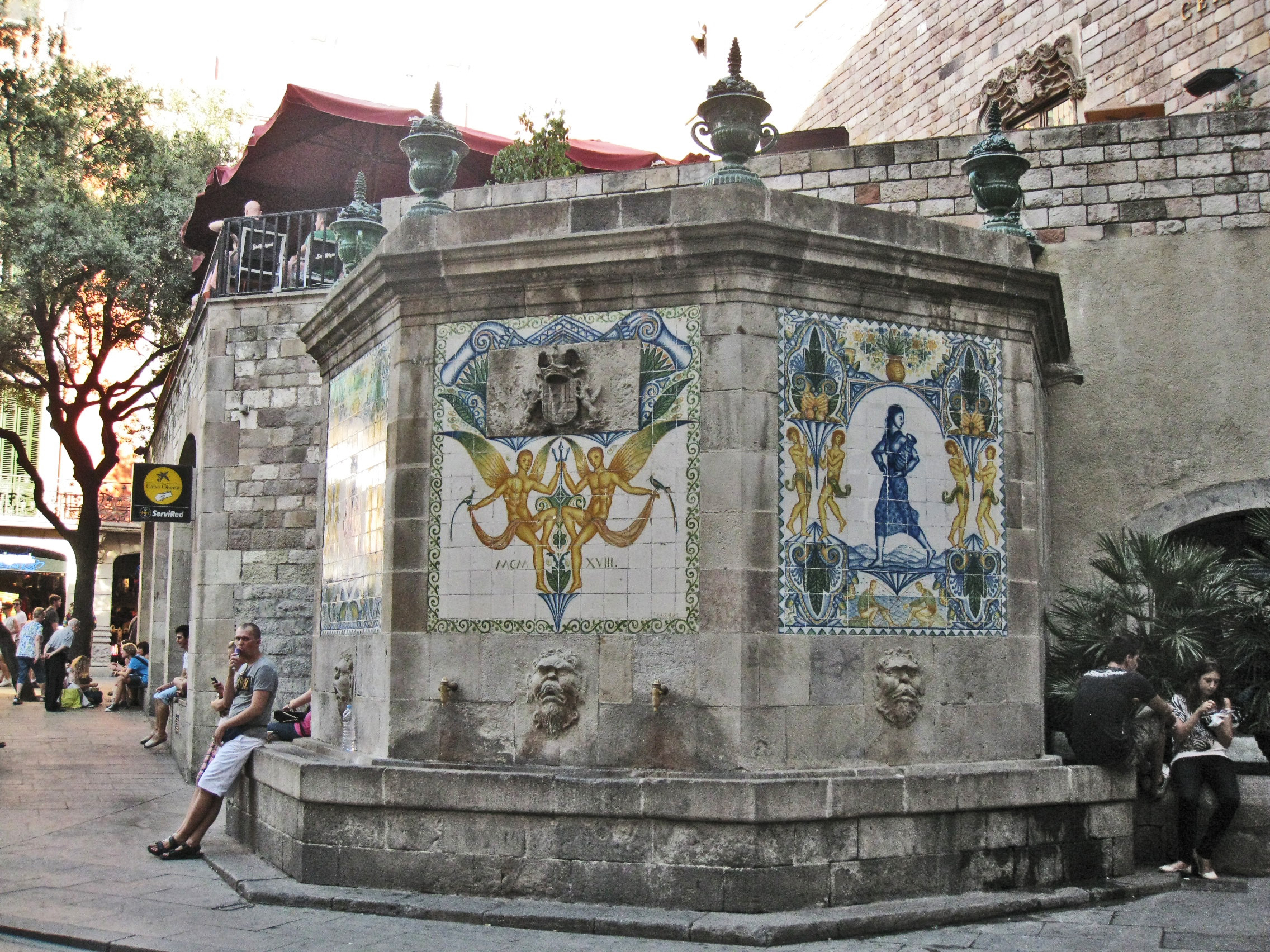
Approaching Font de Santa Anna, you’ll notice the fountain’s stonework, weathered by centuries yet still sturdy. The water flows from a modest spout into a shallow basin, creating a gentle ripple that mirrors the surrounding historic façades. The setting is intimate—no towering statues or elaborate mosaics—allowing the simplicity of the water to become the star.
Sensory Highlights
- Sound: The soft gurgle of water provides a soothing soundtrack, contrasting with the bustling streets nearby.
- Smell: In spring, the air is scented with orange blossoms and nearby cafés brewing fresh espresso.
- Touch: Feel the cool stone of the basin or dip your fingertips into the water (if locals permit).
Photographic Opportunities
- Golden Hour: Capture the warm glow on the stone during sunrise or sunset.
- Nighttime: Some evenings the fountain is subtly illuminated, creating a magical, reflective scene.
- Street Life: Snap candid moments of locals chatting or street musicians performing nearby.
Nearby Attractions
While you’re in the vicinity of Font de Santa Anna, you can easily explore several other historic fountains and points of interest, all within a short walking radius:
- Fountain A – 0.1 km away. A small stone fountain tucked behind a medieval archway.
- Fountain B – 0.1 km away. Known for its ornate ironwork and historic plaque.
- Fountain C – 0.1 km away. A charming spot popular with locals for quick photo stops.
- Fountain D – 0.2 km away. Features a slightly larger basin and decorative tiles.
- Fountain E – 0.2 km away. Located near a bustling market square, perfect for a snack break.
For more detailed information on each fountain, you can explore the general “Fountains of Barcelona” page on Wikipedia.
In addition to these water features, the surrounding Ciutat Vella district offers:
- Barcelona Cathedral – A Gothic masterpiece just a few minutes’ walk away.
- Plaça del Rei – The historic heart of medieval Barcelona, surrounded by museums.
- El Born Cultural Center – A modern museum housed in a former market, showcasing archaeological finds.
- La Rambla – The iconic boulevard teeming with street performers, shops, and eateries.
Travel Tips
- Carry a Small Bottle of Water – While the fountain offers fresh water, it’s best to bring your own for drinking, especially in summer heat.
- Respect Local Customs – The fountain is a public space for both tourists and residents. Keep noise levels moderate and avoid littering.
- Mind Your Belongings – The narrow streets can become crowded; keep wallets and phones secure.
- Use a Portable Charger – You’ll likely want to capture photos; a power bank ensures your phone stays alive.
- Check Opening Hours of Nearby Sites – Some attractions (e.g., Barcelona Cathedral) have specific visiting hours; plan accordingly.
- Learn a Few Catalan Phrases – A friendly “Bon dia!” (Good morning) or “Gràcies” (Thank you) goes a long way with locals.
- Stay Hydrated and Sun‑Smart – Even in the shade, Barcelona’s sun can be strong. Apply sunscreen and wear a hat during midday visits.
Final Thoughts
Font de Santa Anna may not boast the grandeur of the Magic Fountain of Montjuïc, but its quiet elegance captures the soul of Barcelona’s historic core. A short stroll from bustling plazas, this modest fountain offers a moment of calm, a glimpse into centuries‑old urban life, and a perfect backdrop for memorable photos.
Add it to your Barcelona travel guide, pair it with a leisurely walk through the Gothic Quarter, and you’ll experience a side of the city that many visitors miss. So, next time you find yourself wandering the winding streets of Ciutat Vella, pause at Font de Santa Anna—let the water’s gentle murmur remind you why Barcelona remains a timeless destination for travelers worldwide.
Keywords: Font de Santa Anna, Barcelona fountain, Ciutat Vella attractions, Barcelona travel guide, historic fountains Barcelona, things to do in Catalonia, Barcelona walking tour, hidden gems Barcelona, Barcelona Gothic Quarter.