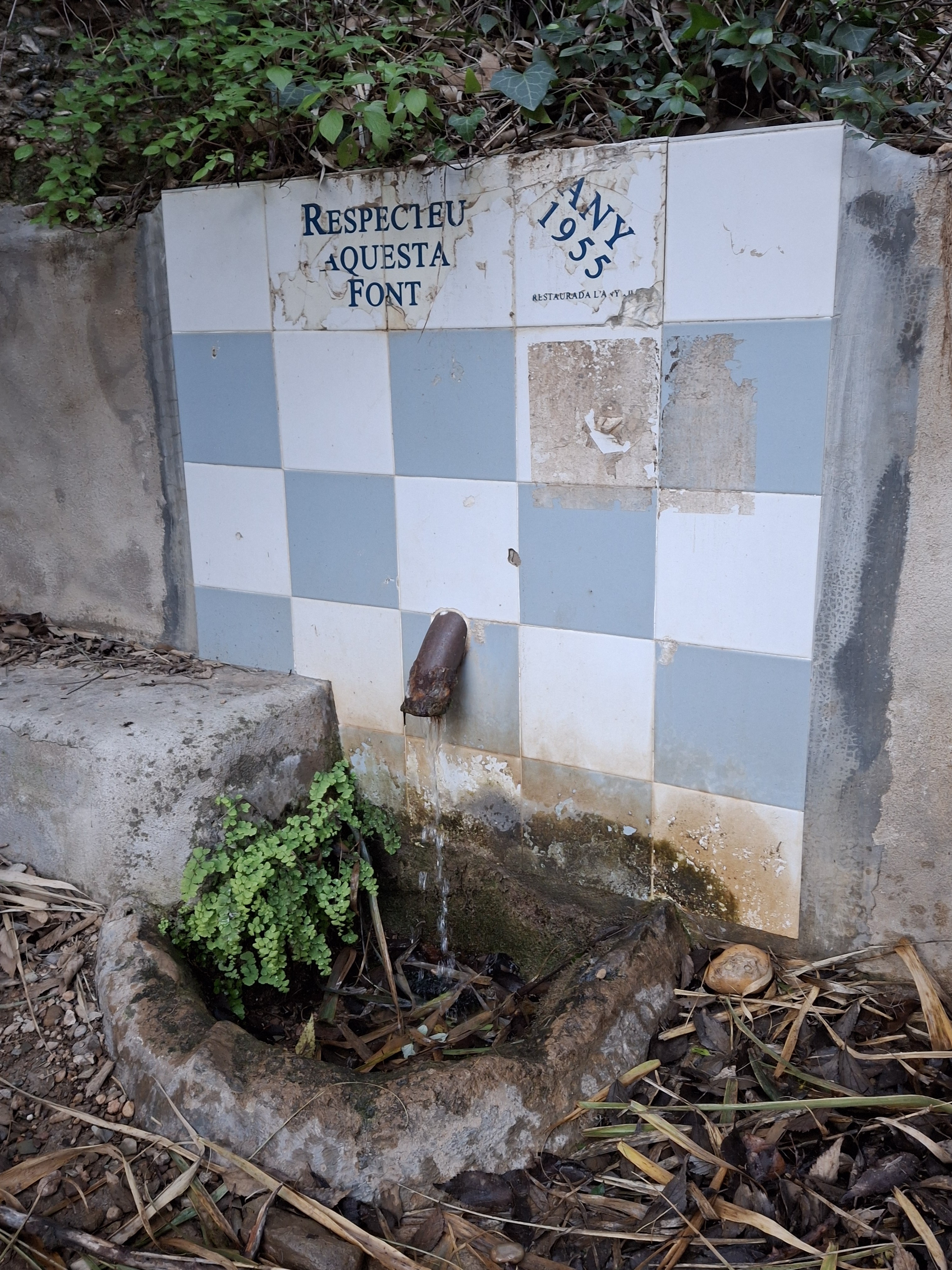
Font de Sant Valentí – A Hidden Spring Oasis in Catalonia
Discover the crystal‑clear waters, tranquil surroundings, and authentic Catalan charm of Font de Sant Valentí, a lesser‑known spring tucked away in Olesa de Montserrat.
1. Introduction
If you think Catalonia’s natural wonders are limited to the towering peaks of Montserrat or the sun‑kissed beaches of the Costa Brava, think again. Nestled in the rolling hills of Olesa de Montserrat, Font de Sant Valentí is a small but mesmerizing spring that offers a perfect blend of serenity, local folklore, and unspoiled scenery. Whether you’re a seasoned hiker, a photography enthusiast, or simply someone looking for a peaceful spot to unwind, this spring is a hidden gem waiting to be explored.
“The sound of water bubbling over stone is the most soothing melody you’ll hear in the Catalan countryside.” – A local resident
In this guide, we’ll dive into everything you need to know about Font de Sant Valentí—from its modest history to practical travel tips—so you can plan a seamless, unforgettable visit.
2. About Font de Sant Valentí
A Brief Description
Font de Sant Valentí (Catalan for “Saint Valentine’s Spring”) is a natural spring located at latitude 41.567856 and longitude 1.885754 in the municipality of Olesa de Montserrat, Catalonia, Spain. The spring emerges from the limestone substratum typical of the region, producing a clear, cool stream that feeds the surrounding meadow and small woodland patches. While the exact height and altitude of the source remain undocumented, the water’s purity and the intimate setting are unmistakable.
Historical Roots
The name “Sant Valentí” ties the spring to local religious traditions. In Catalan folklore, many springs were historically linked to saints, who were believed to protect the water and grant blessings to those who drank from it. Though there is no formal record of a chapel or pilgrimage route directly associated with this spring, the naming suggests that the locals have long regarded it as a place of subtle spiritual significance.
Why It Matters
- Ecological Value – The spring supports a micro‑habitat for native amphibians, insects, and plant species that thrive in moist environments.
- Cultural Identity – As a landmark known to generations of Olesa de Montserrat residents, it reflects the deep connection Catalans have with their natural water sources.
- Tourism Potential – Because it’s off the typical tourist radar, Font de Sant Valentí offers an authentic, crowd‑free experience that many travelers crave.
3. How to Get There
By Air & Train
- Fly into Barcelona–El Prat Airport (BCN). From the airport, take the R2 Nord commuter train to Barcelona Sants.
- Transfer to the R5 line (Cercanías) toward Manresa. Get off at Olesa de Montserrat station (approximately 45 minutes from Barcelona Sants).
The Olesa de Montserrat station sits in the town’s center, just a short bus or taxi ride away from the spring’s trailhead.
By Car
- From Barcelona: Take the C-33 highway toward Terrassa, then exit onto C-16 toward Manresa. Follow signs for Olesa de Montserrat (approximately 50 km, 45 minutes).
- Parking: There is a modest municipal parking lot on Carrer de la Font (the road leading to the spring). Parking is free but limited; arriving early on weekends ensures a spot.
By Bus
- Bus 151 (Barcelona – Manresa) stops in Olesa de Montserrat. From the bus stop, a local taxi (≈ 5 minutes) or a 15‑minute walk brings you to the trailhead.
Walking Directions from the Town Center
- Head north on Carrer de la Font toward Camí de la Font.
- Follow the signposted “Font de Sant Valentí” trail (marked with a blue water droplet).
- The path is a gentle, well‑maintained dirt track that winds through pine groves and opens onto a small clearing where the spring bubbles out of the stone.
Tip: Bring a pair of sturdy walking shoes; the terrain is uneven in places, especially after rain.
4. Best Time to Visit
| Season | Weather | Visitor Experience |
|---|---|---|
| Spring (March‑May) | Mild temperatures (12‑20 °C), occasional showers | Ideal for seeing the spring at its fullest flow and the surrounding wildflowers in bloom. |
| Summer (June‑August) | Warm to hot (22‑30 °C) | The water remains cool, offering a refreshing dip, but expect occasional crowds on weekends. |
| Autumn (September‑November) | Pleasant (15‑22 °C), crisp air | Fewer tourists, vibrant autumn foliage, and a still‑gushing spring. |
| Winter (December‑February) | Cool (5‑12 °C), possible frost | The spring may be less vigorous, but the quiet atmosphere is perfect for meditation and photography. |
Top Recommendation: Visit during late spring (April‑early May) when the surrounding meadows burst with color, the spring’s flow is robust, and temperatures are comfortable for walking.
5. What to Expect
The Senses
- Sight: A modest, crystal‑clear pool formed by water spilling over limestone. Sunlight filters through the canopy, creating shimmering patterns on the water’s surface.
- Sound: A gentle, continuous murmur—nature’s white noise that drowns out city clamor.
- Smell: Fresh, earthy aromas mixed with the subtle scent of pine and wild thyme.
- Touch: The water is cool year‑round; many visitors dip their hands (or feet) into the pool for a quick refresh.
Activities
- Picnicking: Small stone tables near the spring make for a perfect spot to enjoy a packed lunch.
- Photography: The interplay of water, stone, and light offers excellent macro and landscape photo opportunities.
- Birdwatching: Look out for European goldfinch, common kingfisher, and various warblers that frequent the water’s edge.
- Short Hikes: The spring serves as a natural waypoint on longer circular routes that connect the nearby springs listed below.
Facilities
- Restrooms: None on-site; the nearest public toilets are in Olesa de Montserrat’s town hall (≈ 1 km away).
- Water: The spring water is safe to drink, but bring a reusable bottle for convenience.
- Signage: Minimal—just a small wooden plaque indicating the name and a QR code linking to a brief history.
6. Nearby Attractions
Font de Sant Valentí sits in a cluster of natural springs, each with its own charm. They’re all within a 1‑kilometer radius, making it easy to create a “Spring Hopping” day trip.
| Attraction | Distance | What to See | Link |
|---|---|---|---|
| Font dels Rabassaires | 0.5 km | A shallow cascade surrounded by rosemary shrubs. | Learn More |
| Font del Gavatxó | 0.5 km | A narrow fissure where water forms a thin ribbon over smooth rocks. | Learn More |
| Font de la Roureda | 0.8 km | A moss‑covered pool ideal for quiet contemplation. | Learn More |
| Font de la Gronya | 0.8 km | Known for its small stone bridge and surrounding oak grove. | Learn More |
| Font de Sant Salvador | 1.0 km | The largest of the local springs, featuring a tiny waterfall. | Learn More |
Suggested Route: Start at Font de Sant Valentí, walk north to Font dels Rabassaires, then loop east to Font del Gavatxó, continue south to Font de la Roureda, and finish at Font de Sant Salvador before heading back to town. The entire circuit takes roughly 2‑2.5 hours at a leisurely pace.
7. Travel Tips
| Tip | Details |
|---|---|
| Bring a reusable water bottle | The spring’s water is clean and safe to drink, reducing waste and keeping you hydrated. |
| Wear layered clothing | Early mornings can be chilly, especially in spring and autumn, while midday may warm up quickly. |
| Pack a light snack | There are no cafés near the spring; a sandwich, fruit, and some nuts keep you energized. |
| Respect the environment | Stay on marked paths, avoid littering, and refrain from picking wildflowers. |
| Check the weather | Heavy rain can make the trail slippery; a quick look at the forecast helps you plan accordingly. |
| Use a map or GPS | While signage is present, a smartphone map (offline version) ensures you stay on track, especially if you decide to explore the neighboring springs. |
| Timing | Arrive early (before 10 am) on weekends to avoid the modest influx of local families. |
| Photography | The golden hour (just after sunrise or before sunset) provides the best lighting for capturing the spring’s sparkle. |
| Local etiquette | Catalan locals appreciate a friendly “Bon dia!” (Good day) when you pass by. A simple greeting can lead to interesting anecdotes about the spring’s history. |
Final Thoughts
Font de Sant Valentí may not appear on mainstream travel itineraries, but that’s precisely why it feels so special. Its crystal waters, tranquil setting, and proximity to other charming springs make it a perfect micro‑adventure for anyone exploring the Catalan countryside. Pack your walking shoes, a sense of curiosity, and a love for hidden natural wonders—this spring is waiting to welcome you.
Happy travels, and may the gentle flow of Font de Sant Valentí refresh both body and soul!