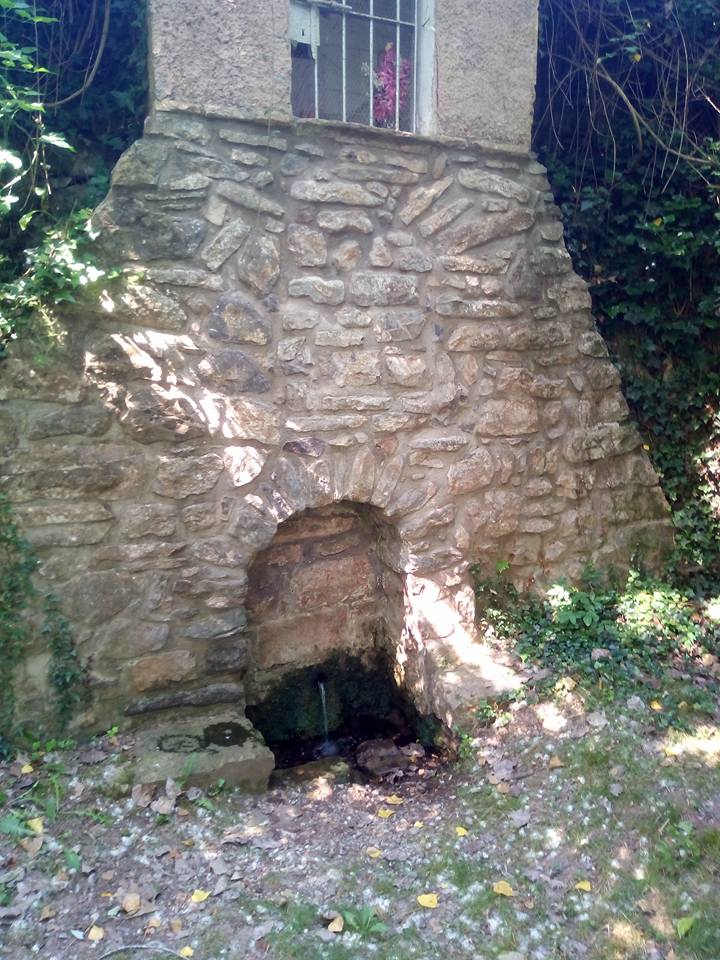
Font de Sant Jaume – A Hidden Spring Gem in Catalonia’s Avinyo Valley
Discover the crystal‑clear waters, tranquil scenery, and nearby natural wonders that make this modest spring a must‑see for off‑the‑beaten‑path travelers in Catalonia.
1. Introduction
Imagine stepping off a quiet forest trail and hearing the gentle murmur of water spilling over stone. A cool mist rises, the air smells of pine and fresh earth, and a small pool of crystal‑clear water glistens in the dappled sunlight. This is Font de Sant Jaume, a modest yet enchanting spring tucked away in the Avinyo region of Catalonia, Spain.
While it doesn’t boast the fame of larger waterfalls or the grandeur of coastal cliffs, Font de Sant Jaume offers an authentic slice of Catalan nature that appeals to hikers, photographers, and anyone looking to escape the crowds. In this guide, we’ll explore what makes this spring special, how to reach it, the best time to visit, and the other natural treasures waiting just a short walk away.
2. About Font de Sant Jaume
Description & Setting
Located at 41.830946 N, 1.975276 E, Font de Sant Jaume is a natural spring that emerges from the limestone formations that dominate the Avinyo landscape. The water is clear, fresh, and constantly flowing, creating a small, serene pool that reflects the surrounding pine‑covered hills. The exact height and altitude of the spring are not recorded, adding to its mystique as a “hidden” spot that locals know but many visitors have yet to discover.
Historical Significance
Although detailed historical records are scarce, the name “Font de Sant Jaume” (Saint James’ Spring) hints at a long‑standing connection to the region’s cultural heritage. Springs were traditionally vital for rural communities, providing drinking water for people, livestock, and agriculture. It is likely that the spring served as a communal water source for the nearby hamlet of Avinyo and the surrounding farms for generations.
Why It Matters
In today’s fast‑paced world, natural springs like Font de Sant Jaume remind us of the simple, life‑sustaining power of water. The site is also a small but important part of Catalonia’s network of natural springs, which together support local ecosystems, maintain groundwater levels, and preserve biodiversity. For eco‑travelers, visiting such sites helps raise awareness of the need to protect these fragile resources.
3. How to Get There
From Barcelona (the most common entry point)
- Drive – The fastest way is to rent a car and head north on the AP‑7 toward Girona. After about 100 km, take the exit for C‑33 toward Figueres and then follow signs for Roses. Continue on the C‑31 until you reach the town of Avinyó (approximately 150 km total, 2‑hour drive).
- Parking – In Avinyo, look for the small municipal parking area near the main road (Avinguda de la Pau). From there, follow the local signs for “Font de Sant Jaume” or use a GPS device set to the coordinates above.
Public Transport Options
- Train + Bus: Take the Renfe train from Barcelona Sants to Figueres (about 1 h 30 min). From Figueres, catch the SNCF bus line 11 toward Roses and get off at the Avinyo stop. The bus drops you within a 10‑minute walk of the trailhead.
- Hiking: If you’re already trekking the Costa Brava coastal path (GR‑92), you can branch off toward Avinyo and follow local way‑markers to the spring.
Trailhead Details
The path to Font de Sant Jaume is a short, well‑marked forest trail, roughly 1 km long and suitable for most fitness levels. The terrain is uneven in places, with occasional rocky sections, so sturdy walking shoes are recommended. The trail is signposted in Catalan and Spanish; look for the small wooden marker with a water droplet symbol.
4. Best Time to Visit
| Season | Weather | Why Visit |
|---|---|---|
| Spring (March‑May) | Mild temperatures (12‑20 °C), blooming wildflowers | The spring’s name lives up to its reputation—water flow is strong, and the surrounding flora adds color. |
| Summer (June‑August) | Warm (20‑30 °C), occasional heatwaves | Early mornings are pleasant; the pool offers a refreshing dip. Bring plenty of water and sunscreen. |
| Autumn (September‑November) | Cool (15‑22 °C), golden foliage | Less crowded, crisp air, and the forest takes on amber tones—perfect for photography. |
| Winter (December‑February) | Cool to cold (5‑12 °C), occasional rain | The spring may be quieter, and the surrounding hills can be misty, creating a mystical atmosphere. |
Tip: The spring’s flow is most vigorous after winter rains, so late winter to early spring often provides the most dramatic water display.
5. What to Expect
The Sensory Experience
- Sight – A modest pool of clear water framed by moss‑covered stones and pine trees. Sunlight filters through the canopy, creating sparkling patterns on the surface.
- Sound – A constant, soothing gurgle as water emerges from the ground and cascades into the pool.
- Smell – Fresh, earthy aromas mixed with pine resin and, in spring, the faint perfume of wildflowers.
- Touch – The water is cool year‑round; a quick hand dip or a brief wade can be revitalizing, especially after a hike.
Photographic Highlights
- Close‑up shots of the spring’s source, capturing the water’s clarity and the textures of the surrounding rocks.
- Wide‑angle panoramas of the forested valley, especially during sunrise when golden light filters through the trees.
- Seasonal contrasts—wildflower carpets in spring, golden leaves in autumn, or mist‑shrouded scenes in winter.
Amenities
Font de Sant Jaume is a natural site without built‑in facilities. There are no restrooms, cafés, or marked picnic tables. Visitors should bring their own water, snacks, and a small trash bag to pack out any waste. Respect the environment: stay on the trail, avoid stepping on delicate vegetation, and keep the water pristine.
6. Nearby Attractions
While Font de Sant Jaume is the star of the day, the Avinyo area offers several other natural springs and water features within a short walk or bike ride. All are easily reachable via marked forest paths.
| Attraction | Distance from Font de Sant Jaume | What to See | Link |
|---|---|---|---|
| Font de l'Abadal (spring) | 0.7 km | A similar crystal spring set in a rocky hollow. | Font de l'Abadal |
| Resclosa d'Horta (weir) | 0.9 km | A small historic weir that channels water into a rustic irrigation channel. | Resclosa d'Horta |
| Font del Rector (spring) | 0.9 km | A tranquil spring often visited by local shepherds. | Font del Rector |
| Font de Borrelles (spring) | 1.8 km | A larger spring feeding a gentle brook that runs through a meadow. | Font de Borrelles |
| Font del Freixe (spring) | 2.6 km | A picturesque spring surrounded by ferns and mossy stones. | Font del Freixe |
Exploration Idea: Create a “Spring Hike” loop that starts at Font de Sant Jaume, visits Font de l'Abadal and Resclosa d'Horta, then returns via a scenic forest trail. The total distance is roughly 5 km—ideal for a half‑day adventure.
7. Travel Tips
| Tip | Details |
|---|---|
| Pack Light, Pack Right | Bring a small daypack with water, snacks, a lightweight rain jacket, and a reusable water bottle. A portable charger is handy for GPS and photos. |
| Footwear | Sturdy, waterproof hiking shoes or trail runners with good grip are essential on uneven, sometimes slippery stones. |
| Leave No Trace | Carry out all trash, avoid disturbing wildlife, and stay on marked paths to protect the delicate spring ecosystem. |
| Timing | Arrive early (especially in summer) to avoid the midday heat and to enjoy the spring in a quieter setting. |
| Safety | The water can be cold; test depth before stepping in. In winter, icy patches may appear—use caution. |
| Local Culture | A few locals still use the spring for traditional purposes. A polite “Bon dia” (good morning) in Catalan is always appreciated. |
| Connectivity | Mobile signal can be spotty in the forest; download offline maps (e.g., Maps.me) before you go. |
| Photography | Bring a polarizing filter to reduce glare on the water surface and enhance colors. A tripod can be useful for low‑light sunrise shots. |
| Combine with Food | After your hike, head back to Avinyo’s town center for a bite of pa amb tomàquet (bread with tomato) and a glass of local cava—the perfect Catalan finish. |
Closing Thoughts
Font de Sant Jaume may be a modest spring, but it encapsulates the quiet beauty that makes Catalonia’s interior so rewarding for travelers who venture beyond the bustling beaches and historic cities. Whether you’re a seasoned hiker, a nature photographer, or simply someone looking for a peaceful spot to pause and listen to the rhythm of water, this hidden gem offers a genuine connection to the land and its age‑old traditions.
Plan your visit, respect the environment, and let the gentle flow of Font de Sant Jaume refresh both body and spirit. Happy travels!
Keywords: Font de Sant Jaume, spring in Catalonia, Avinyo, natural springs, Catalonia travel, hiking in Spain, outdoor attractions, Spain travel guide, hidden gems Catalonia, spring hike.