Font de les Curculles – A Hidden Spring Gem in Girona, Catalonia
Discover the crystal‑clear waters, serene forest paths, and the quiet charm of one of Catalonia’s lesser‑known natural springs.
1. Introduction
If you’ve ever trekked through the rolling hills of Girona and felt the whisper of a hidden water source, you’ve already sensed the magic of Font de les Curculles. Tucked away in the verdant countryside of Catalonia, this spring offers a perfect blend of natural beauty, local folklore, and a refreshing pause from the bustling tourist routes of Barcelona and the Costa Brava. Whether you’re a seasoned hiker, a photography enthusiast, or simply a lover of pristine nature, Font de les Curculles promises an intimate encounter with Catalonia’s purest water.
2. About Font de les Curculles
What Is It?
- Type: Natural spring (💧)
- Location: Near the town of Girona, Catalonia, Spain
- Coordinates: 41.985658 N, 2.837493 E
The name Font de les Curculles translates roughly to “Spring of the Little Chickens,” a nod to the rustic agricultural heritage that once dotted the surrounding fields. While the exact height and altitude of the spring are not recorded in official sources, the site sits comfortably within the gentle slopes of the Girona hinterland, where limestone formations feed a network of underground aquifers.
A Brief History
Historical references to Font de les Curculles appear in local Catalan archives, where the spring was traditionally used by nearby farms for irrigation and livestock watering. Over centuries, the spring became a communal gathering spot, especially during the dry summer months when its cool, mineral‑rich water offered relief to both people and animals. Today, the spring is celebrated more for its ecological value and its role in the regional “springs trail” that connects several water sources across the landscape.
Why It Matters
- Ecological hotspot: The spring sustains a small but vibrant riparian ecosystem, supporting native plant species and providing a drinking source for birds and small mammals.
- Cultural heritage: Its name and historic usage reflect the deep connection between Catalan rural life and natural water sources.
- Photography haven: The interplay of light on the clear water, framed by moss‑covered stones and surrounding pine trees, creates picture‑perfect moments year‑round.
For more background, you can read the Catalan Wikipedia entry: Font de les Curculles (ca).
3. How to Get There
By Car
-
From Girona city center:
- Take the C-31 highway toward Sant Feliu de Guíxols.
- Exit at Ronda de la Murtra (kilometer 5).
- Follow the signs for Ribes de Freser and then turn left onto GI‑530 toward Sant Hilari Sacalm.
- After about 7 km, look for a small, unmarked gravel road leading to a parking area near the spring (coordinates 41.985658, 2.837493). -
Parking: A modest rural parking lot (about 10–12 spaces) sits just a short walk from the spring. It’s free, but arrive early on weekends to secure a spot.
By Public Transport
- Train: Take the Rodalies de Catalunya line R1 from Girona to Sant Feliu de Guíxols.
- Bus: From the Sant Feliu bus station, catch the Bus 22 toward Sant Hilari Sacalm; alight at the Ribes de Freser stop.
- Final leg: From the bus stop, a 15‑minute walk (or a short local taxi ride) will bring you to the trailhead that leads to the spring.
On Foot / Hiking
If you love hiking, the spring is part of a gentle 3 km loop that connects several other springs in the area. The trail is marked with the GR‑92 long‑distance path symbols and is suitable for all fitness levels. Wear sturdy walking shoes, bring a water bottle (though you’ll have the chance to refill at the spring), and enjoy the forest canopy overhead.
4. Best Time to Visit
| Season | What to Expect | Why It’s Ideal |
|---|---|---|
| Spring (March–May) | Fresh green foliage, blooming wildflowers, moderate temperatures (12‑20 °C). | The water flow is strongest after winter rains, making the spring especially lively. |
| Summer (June–August) | Warm days, occasional heat waves, but the spring remains cool and refreshing. | Perfect for a quick dip or a shaded picnic; early mornings are less crowded. |
| Autumn (September–November) | Golden leaf colors, cooler evenings, occasional mist. | The surrounding forest takes on a magical hue; fewer tourists. |
| Winter (December–February) | Mild, sometimes rainy weather; the spring may appear more subdued. | Ideal for photographers seeking moody, mist‑filled shots. |
Overall, late spring to early autumn offers the most comfortable hiking conditions and the most vibrant natural scenery.
5. What to Expect
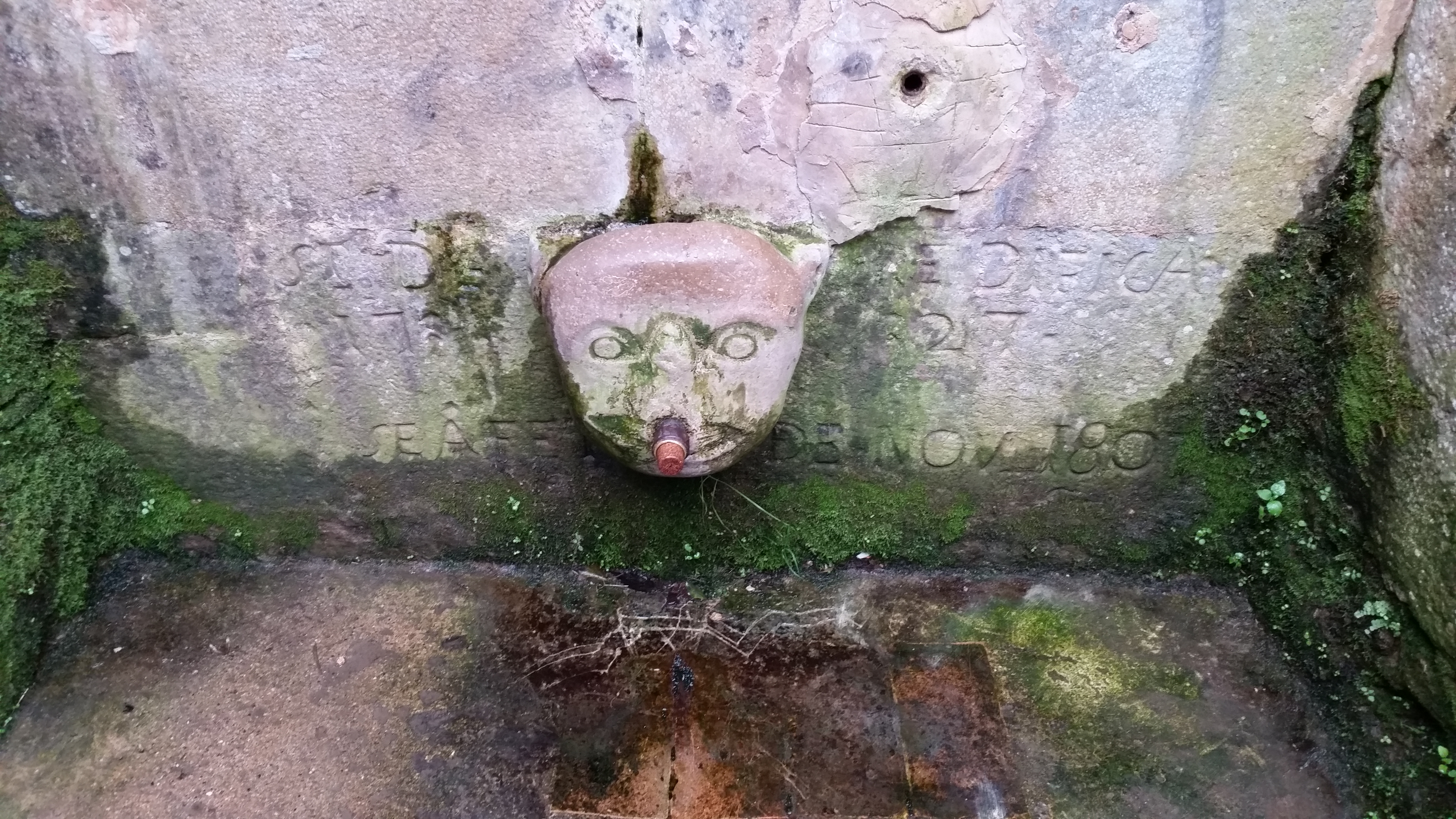
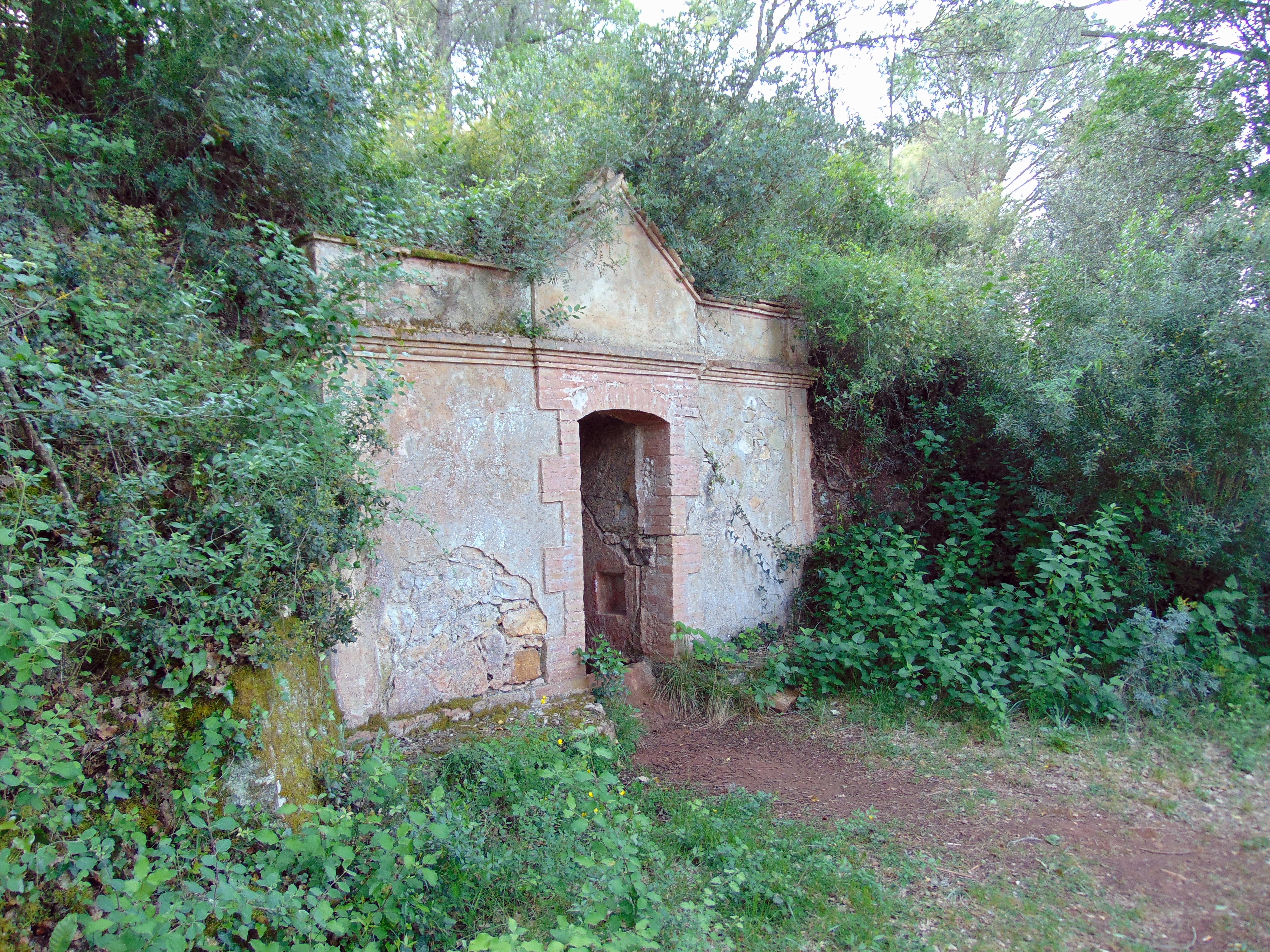
When you arrive at Font de les Curculles, you’ll be greeted by a modest stone basin where clear water bubbles up from a natural fissure. The water is crystal‑clear, slightly cool, and carries a faint mineral taste—typical of Catalan limestone springs.
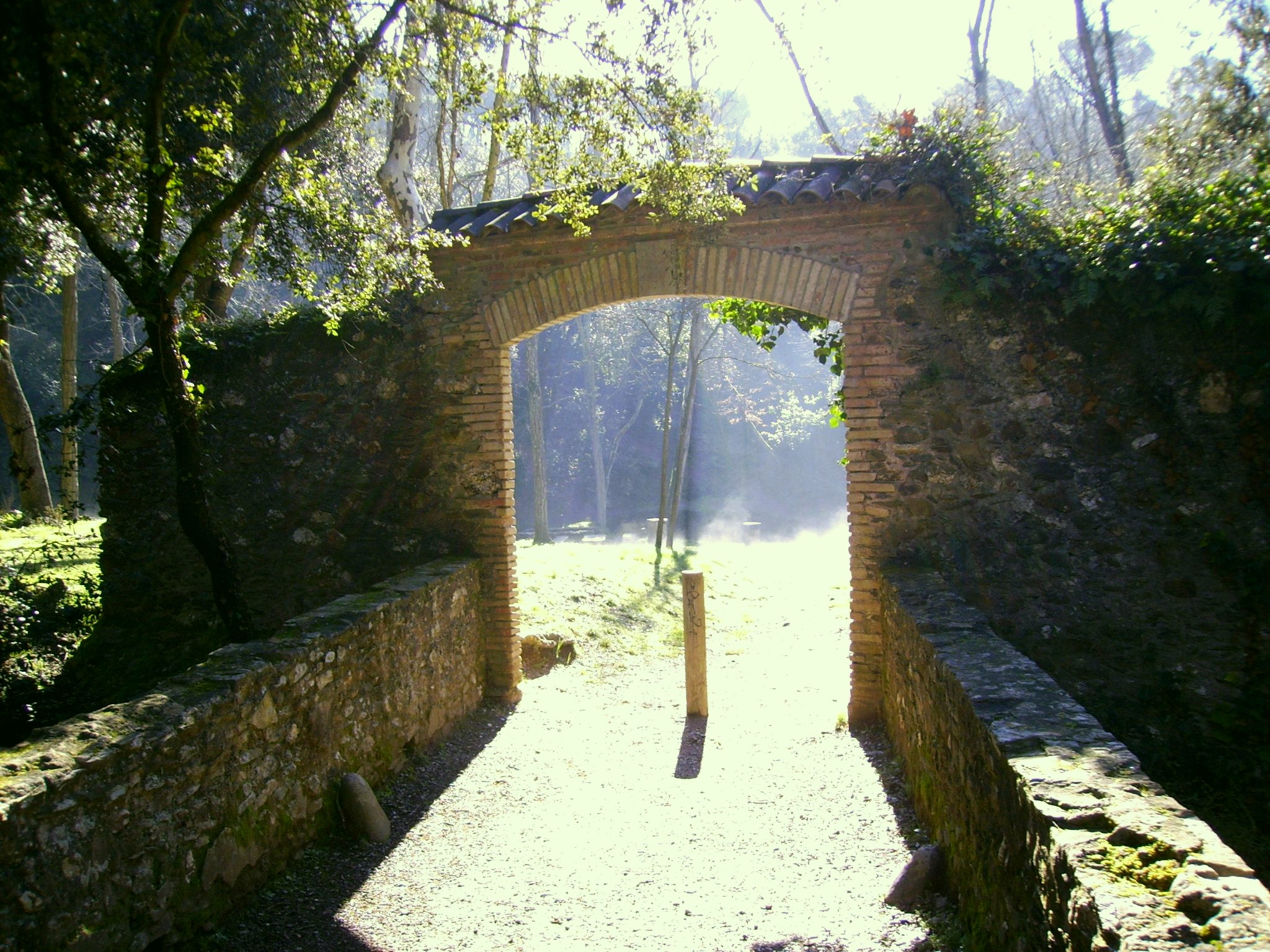
- Scenery: The spring is framed by a small grove of holm oaks and pine trees, with a carpet of lavender‑colored moss on the surrounding rocks. Sunlight filters through the canopy, creating dappled patterns on the water surface.
- Sounds: The gentle gurgle of water, combined with occasional birdcalls (especially from the nearby golden oriole and European robin), creates a soothing soundscape.
- Wildlife: Look for dragonflies skimming the water’s surface, and you might spot a red‑eared slider turtle basking on a sun‑warmed stone.
- Facilities: There are no built‑in amenities (no restrooms or cafés), preserving the site’s natural charm. Bring a snack, a reusable water bottle, and a small towel if you plan to splash around.
6. Nearby Attractions
Font de les Curculles sits in a cluster of historic springs, each offering its own character. Consider adding one or more of these spots to your itinerary:
| Attraction | Distance | Quick Note |
|---|---|---|
| Font d'en Fita | 0.1 km | A tiny spring with a stone trough, perfect for a quick photo. |
| Font d'en Pericot | 0.4 km | Known for its shallow pool that attracts local amphibians. |
| Font del Bisbe | 0.6 km | “Spring of the Bishop” – legend says a medieval bishop once blessed its waters. |
| Unnamed Spring (0.7 km) | 0.7 km | A quiet spot ideal for meditation; often overlooked by tourists. |
| Font del Ferro | 0.9 km | The “Iron Spring,” noted for a faint metallic taste due to iron-rich rocks. |
All of these springs are linked by the same forest trail, allowing you to create a “Spring Hopping” day‑trip that showcases the natural water heritage of Girona’s countryside.
7. Travel Tips
| Tip | Details |
|---|---|
| Bring a reusable water bottle | Refill at the spring (the water is safe to drink). |
| Wear appropriate footwear | The trail can be slippery near the water; sturdy, non‑slip shoes are recommended. |
| Pack a lightweight picnic | There are no food stalls nearby; a simple sandwich, fruit, and a thermos of tea work well. |
| Mind the weather | In winter, the path may be muddy; a waterproof jacket is advisable. |
| Respect the environment | Keep the area clean, avoid leaving trash, and stay on marked paths to protect the fragile ecosystem. |
| Photography gear | A macro lens captures the intricate details of the water droplets and moss; a polarizing filter can reduce glare on sunny days. |
| Check local events | Occasionally, the municipality of Girona organizes “Spring Festivals” celebrating local water sources—great for cultural immersion. |
| Safety | While the water is generally shallow, children should be supervised. The area is not patrolled, so exercise typical hiking caution. |
Final Thoughts
Font de les Curculles may not appear on every mainstream travel guide, but that’s precisely why it feels like a secret treasure. Its crystal waters, tranquil forest setting, and proximity to other charming springs make it a perfect micro‑adventure for anyone exploring Girona or the wider Catalonia region. So lace up your boots, follow the coordinates, and let the gentle flow of Font de les Curculles refresh both body and soul.
Happy travels, and may your path always lead to clear, sparkling water!