Font de la Salamandra – A Hidden Spring Gem in Sarria‑Sant Gervasi, Catalonia
Discover the tranquil charm of one of Barcelona’s best‑kept natural secrets.
Introduction
If you think Barcelona’s allure is limited to its bustling La Rambla, Gaudí’s masterpieces, and sandy beaches, think again. Tucked away in the leafy district of Sarria‑Sant Gervasi, just a short drive from the city centre, lies Font de la Salamandra, a crystal‑clear spring that feels worlds apart from the urban rush. This tiny oasis, whose name translates to “Spring of the Salamander,” offers a refreshing splash of nature, perfect for hikers, photographers, and anyone craving a peaceful escape. In this guide, we’ll dive into everything you need to know to make the most of a visit to this enchanting Catalan spring.
About Font de la Salamandra
What is it?
Font de la Salamandra is a natural spring (Spanish: fuente) that emerges from the limestone formations of the Collserola hills. Its waters flow gently into a shallow pool surrounded by moss‑covered rocks and native vegetation. While the exact height and altitude of the spring are not documented, its location at 41.426680 N, 2.120759 E places it within the verdant landscape that characterises the outskirts of Barcelona.
A Brief History
The spring’s name pays homage to the salamander—an amphibian that thrives in humid, cool micro‑climates. Historically, locals used the spring’s water for drinking and irrigation, and it became a small gathering point for shepherds and hikers. Though there is no grand historical monument attached to Font de la Salamandra, its presence is recorded in the Catalan Wikipedia entry for the site: Font de la Salamandra (Catalan Wikipedia).
Why It Matters
In a city famed for its architecture, Font de la Salamandra stands out as a natural heritage site that showcases Catalonia’s rich biodiversity. The spring supports a mini‑ecosystem of aquatic plants, insects, and, of course, salamanders—making it a subtle but valuable spot for ecological study and nature photography. For travelers seeking off‑the‑beaten‑path experiences in Catalonia, this spring offers a genuine taste of the region’s wild side without straying far from Barcelona.
How to Get There
By Public Transport
- Metro – Take Line 6 (the “green line”) to Mundet station.
- Bus – From Mundet, hop on the Bus 141 (or the Bus 141B on weekends) heading toward Ctra. de Vallvidrera. Get off at the Ctra. de Vallvidrera – Font de la Salamandra stop (approximately 12 minutes).
- Walk – From the bus stop, follow the marked trail signs for about 300 m; the path is well‑maintained and leads directly to the spring.
By Car
- From Barcelona city centre: Take the B‑20 (Ronda de Dalt) westbound, exit at Ctra. de Vallvidrera (exit 6). Follow the road for roughly 2 km; parking is available at the Ctra. de Vallvidrera lay‑by. From there, a short 5‑minute walk brings you to the spring.
- GPS: Input the coordinates 41.426680, 2.120759 into your navigation system for pinpoint accuracy.
By Bike or On Foot
The Collserola Natural Park offers a network of cycling and hiking routes. The Cami de la Font de la Salamandra trail is a gentle, 2 km round‑trip suitable for families and casual walkers. Bring a water bottle and sturdy shoes—some sections can be slippery after rain.
Best Time to Visit
| Season | Conditions | Why Visit |
|---|---|---|
| Spring (March‑May) | Mild temperatures (15‑20 °C), blooming wildflowers | The spring’s water is at its clearest, and the surrounding flora adds colour to photos. |
| Summer (June‑August) | Warm, occasional heatwaves | Early mornings are still pleasant; great for a cool dip after a city stroll. |
| Autumn (September‑November) | Comfortable temps, golden foliage | The forest canopy turns amber, providing a magical backdrop. |
| Winter (December‑February) | Cooler, occasional rain | The spring may be less vigorous, but the quiet atmosphere is ideal for contemplative walks. |
Pro tip: Aim for weekdays in the shoulder seasons (late spring or early autumn) to avoid the small crowds that gather during weekend hikes.
What to Expect
Arriving at Font de la Salamandra, you’ll be greeted by the soft murmur of water spilling over stone. The spring forms a shallow, turquoise pool that reflects the surrounding trees—perfect for a quick splash or a reflective pause.
- Scenery: Towering oak and pine trees create a natural canopy, while ferns and moss carpet the ground.
- Wildlife: Keep an eye out for the eponymous salamanders, especially after a rainstorm. You may also spot dragonflies, small amphibians, and a variety of birds.
- Facilities: The site is intentionally low‑impact; there are no built‑in restrooms or cafés. Bring your own snacks and waste bags, and practice Leave‑No‑Trace principles.
- Photography: The spring’s clear water, combined with dappled sunlight, offers excellent opportunities for macro shots of water droplets, as well as wider landscape photos. A polarising filter can help reduce glare on the water surface.
Nearby Attractions
While you’re in the area, consider exploring these nearby natural springs and points of interest, each within a 0.5 km radius:
- Fountain (0.2 km) – A decorative water feature located in a small public garden, perfect for a quick photo stop.
- Font de l'Estrangulador (0.3 km) – Another spring known for its narrow water flow that creates a natural “strangling” effect.
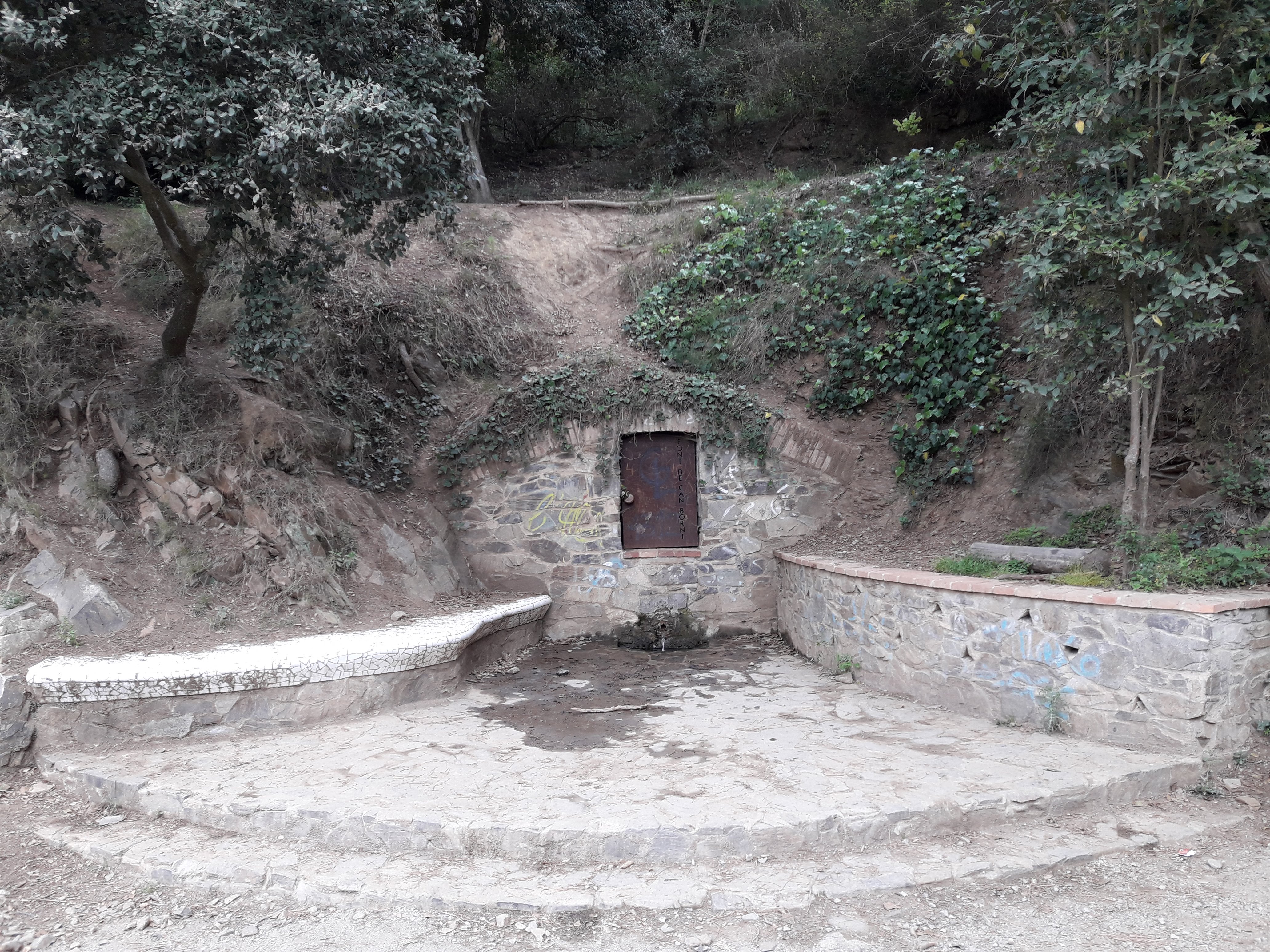
- Font de Can Borni (0.4 km) – A serene spring surrounded by ancient stone walls, ideal for a quiet picnic.
- Font Groga (0.5 km) – Features a small waterfall that adds a gentle roar to the forest ambience.
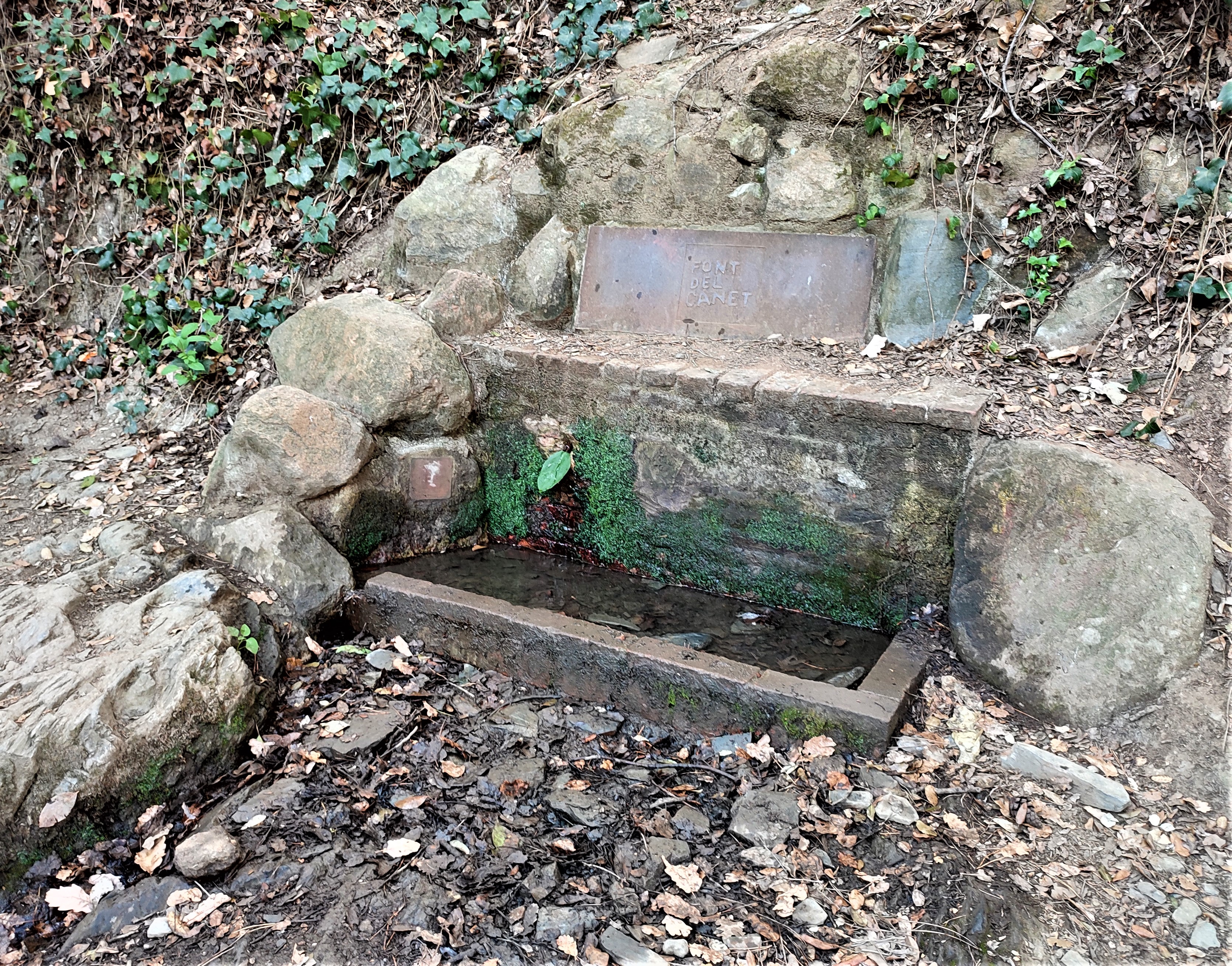
- Font del Canet (0.5 km) – A lesser‑known spring with crystal‑clear water, popular among local hikers.
All of these sites are accessible via the same network of trails that lead to Font de la Salamandra, allowing you to craft a mini‑spring-hopping itinerary in a single afternoon.
Travel Tips
| Tip | Details |
|---|---|
| Wear appropriate footwear | The paths can be wet and slippery; waterproof hiking shoes or sturdy trainers are recommended. |
| Bring a reusable water bottle | While the spring water is clean, it’s best to filter or boil before drinking if you’re unsure. |
| Pack a light snack | No cafés nearby; a sandwich, fruit, and some nuts will keep you energized. |
| Respect the environment | Carry out all trash, stay on marked trails, and avoid disturbing wildlife (especially salamanders). |
| Check weather forecasts | Heavy rain can make the trail muddy; a light rain, however, enhances the spring’s flow. |
| Timing | Arrive early (7‑8 am) during summer weekends to enjoy cooler temperatures and fewer visitors. |
| Photography gear | A macro lens or a small tripod helps capture the delicate details of water droplets and amphibians. |
| Safety | The pool is shallow, but children should be supervised. In winter, the water can be cold—limit immersion time. |
| Accessibility | The trail is not wheelchair‑friendly due to natural terrain, but it is suitable for most able‑bodied hikers. |
| Local language | Basic Catalan greetings (“Bon dia!”) are appreciated by nearby residents and can enhance your experience. |
Wrap‑Up
Font de la Salamandra may not appear on every travel brochure, but that’s exactly why it’s a treasure for the curious explorer. Its crystal waters, tranquil setting, and proximity to Barcelona make it an ideal day‑trip for anyone looking to blend urban culture with natural serenity. Whether you’re a seasoned hiker, a photography enthusiast, or simply someone who loves discovering hidden corners of Catalonia, this spring promises a refreshing pause from the ordinary.
Pack your walking shoes, follow the trail, and let the gentle flow of Font de la Salamandra wash away the city’s hustle—your next unforgettable Catalan adventure awaits!