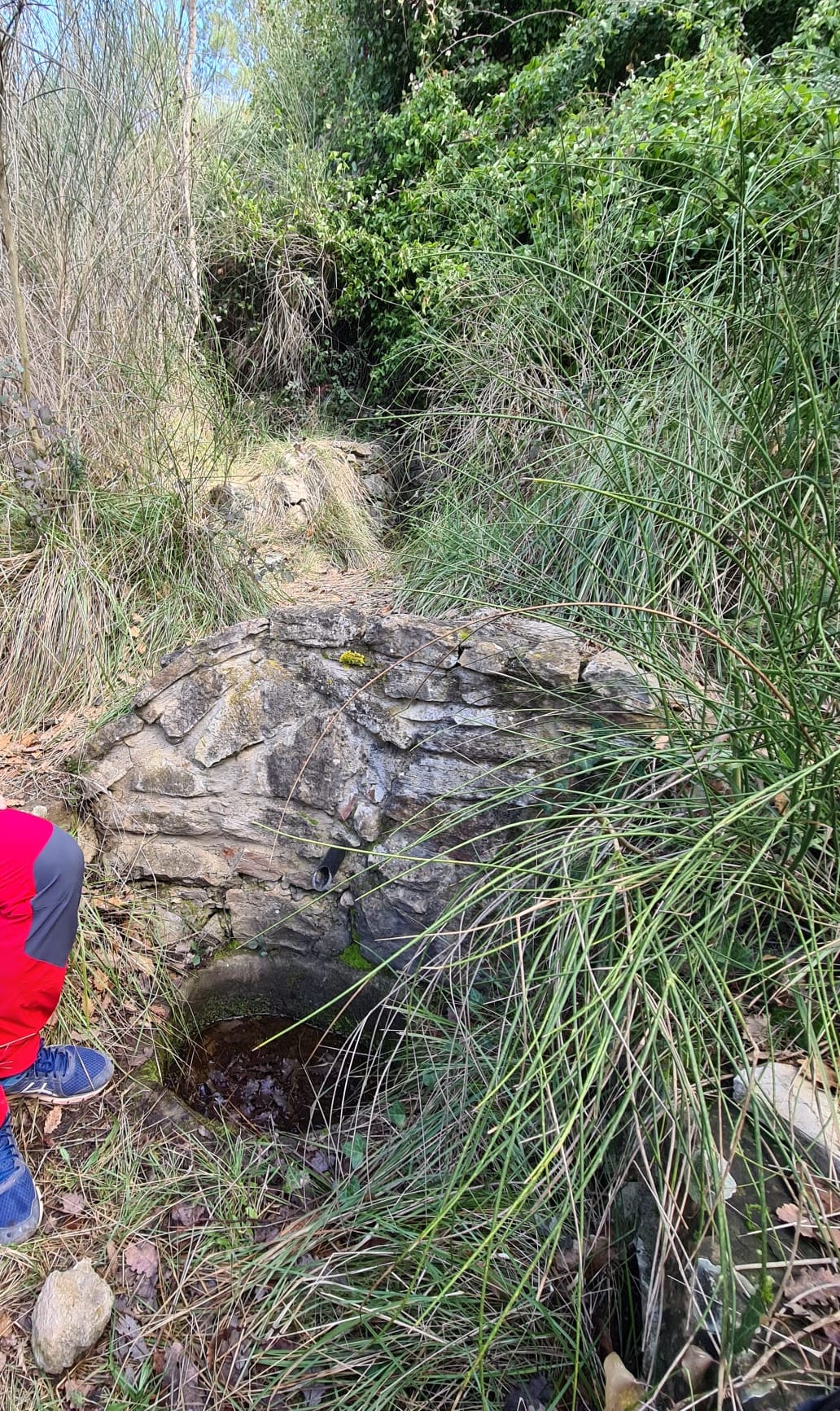
Font de la Pastora – A Hidden Spring Oasis in Olesa de Montserrat, Catalonia
Discover the crystal‑clear waters, tranquil forest paths, and the quiet charm of one of Catalonia’s best‑kept natural secrets.
1. Introduction
If you’ve ever trekked the rugged trails of Montserrat or sipped vermut in the bustling plazas of Barcelona, you know that Catalonia is a land of contrasts—towering cliffs, medieval villages, and sun‑kissed beaches. Yet tucked away just a short drive from the iconic mountain range lies a lesser‑known gem that whispers of ancient water sources and untouched serenity: Font de la Pastora. This modest spring, nestled in the municipality of Olesa de Montserrat, offers a perfect pause for hikers, photographers, and anyone craving a moment of natural calm away from the tourist crowds.
2. About Font de la Pastora
What Is Font de la Pastora?
- Type: Natural spring (💧)
- Location: Olesa de Montserrat, Catalonia, Spain
- Coordinates: 41.573939 N, 1.898400 E
Font de la Pastora is a small, perennial spring that emerges from the limestone formations typical of the Catalan Pre‑Pyrenees. The water is clear, slightly cool, and flows gently into a shallow pool surrounded by low‑lying shrubs and stone‑cobbled pathways. While the exact height and altitude of the spring are not officially recorded, its setting at the foothills of Montserrat gives it a modest elevation that contributes to its fresh, crisp character.
A Brief Historical Glimpse
Historical documentation on Font de la Pastora is sparse, which only adds to its mystique. Like many Catalan springs, it likely served local shepherds and farmers for centuries, providing a reliable water source for livestock and irrigation. The name “Pastora” (meaning shepherdess in Catalan) hints at its pastoral roots—perhaps a place where shepherdesses would stop to water their flocks while enjoying the shade of nearby oak groves.
In recent decades, the spring has attracted nature lovers and local hikers who appreciate its unspoiled ambiance. Although it has never been commercialized, the spring is part of a network of water sources that have shaped the cultural landscape of Olesa de Montserrat and its surrounding valleys.
Why It Matters
- Ecological Value: The spring supports a micro‑habitat of amphibians, insects, and native plant species that thrive in moist environments.
- Cultural Heritage: As a historic water point, it reflects the agrarian traditions of Catalonia’s interior.
- Quiet Retreat: With no facilities or crowds, Font de la Pastora offers a genuine “off‑the‑beaten‑path” experience for travelers seeking authenticity.
3. How to Get There
By Car
- From Barcelona: Take the AP‑7 highway north toward Manresa. Exit at C-55 toward Olesa de Montserrat.
- Follow signs for the town center (Plaça de la Vila). Once in Olesa, look for local road signs pointing to “Font de la Pastora” or use a GPS device with the coordinates 41.573939, 1.898400.
- Parking: A small municipal parking lot is located near the village church. From there, it’s a 10‑minute walk along a marked footpath to the spring.
By Public Transport
- Train: The R5 Rodalies line (Barcelona‑Manresa) stops at Olesa de Montserrat station.
- Bus: Several TMB and Sagalés bus routes connect Barcelona’s Plaça Catalunya to Olesa.
- From the station: Walk north along Carrer del Pont, then turn onto the trail leading to the spring. The walk is gentle and well‑signposted.
On Foot or Bike
For the adventurous, the Camí de les Fonts (Trail of the Springs) is a scenic 4‑km loop that starts at the town’s historic center and passes several natural springs, including Font de la Pastora. The route is suitable for both hikers and mountain‑bike enthusiasts, with moderate elevation changes and plenty of shade.
4. Best Time to Visit
| Season | Conditions | Why Visit |
|---|---|---|
| Spring (March‑May) | Mild temperatures (15‑20 °C), blooming wildflowers, higher water flow | Ideal for photography and spotting amphibians |
| Summer (June‑August) | Warm days, occasional heat waves | Early mornings offer cool, refreshing water; avoid midday heat |
| Autumn (September‑November) | Pleasant temperatures, golden foliage | Perfect for tranquil walks and crisp air |
| Winter (December‑February) | Cooler, occasional rain, lower water levels | Quietest period; great for solitude seekers |
Peak recommendation: Late spring (late April to early May) when the surrounding vegetation is at its most vibrant and the spring’s flow is at its fullest.
5. What to Expect
Arriving at Font de la Pastora feels like stepping into a living postcard. A narrow, stone‑lined path winds through a mosaic of holm oak and cork oak trees, their leaves rustling softly in the Catalan breeze. The spring itself emerges from a shallow fissure in the rock, forming a crystal‑clear pool that mirrors the sky. You’ll often hear the gentle babble of water, a soothing soundtrack that blends with distant birdcalls.
Sensory highlights:
- Sight: Transparent water, moss‑covered stones, and a backdrop of rolling hills.
- Sound: The subtle gurgle of the spring, interspersed with the chirping of crickets in summer evenings.
- Touch: Cool water that invites you to dip your fingers—or even your feet—on a hot day.
- Smell: Fresh, earthy aromas of damp soil and pine‑scented air.
Because the site is unstaffed, visitors are encouraged to respect the natural environment: stay on the designated trail, avoid littering, and refrain from feeding wildlife.
6. Nearby Attractions
Font de la Pastora sits within a cluster of charming springs, each offering its own slice of Catalan nature. Consider adding one or more of these to your itinerary:
- Font del Mateu – 0.3 km away, a tiny spring surrounded by aromatic rosemary.
- Font de la Roureda – 0.5 km away, known for its gentle cascade over limestone slabs.
- Font de Puigventós – 0.6 km away, set near a historic stone bridge.
- Font de la Gronya – 0.7 km away, tucked in a shaded meadow perfect for picnics.
- Font dels Rabassaires – 0.9 km away, a secluded spot favored by local birdwatchers.
All of these springs are reachable via the same Camí de les Fonts loop, making it easy to explore multiple water sources in a single half‑day hike.
7. Travel Tips
| Tip | Details |
|---|---|
| Bring a reusable water bottle | Although the spring water is clean, it’s wise to filter or boil if you plan to drink directly. |
| Wear sturdy walking shoes | The trail includes uneven stones and occasional slippery patches, especially after rain. |
| Pack a light snack | There are no cafés or kiosks near the spring; a granola bar or fruit will keep you energized. |
| Respect local customs | Olesa de Montserrat is a small, close‑knit community. Keep noise levels low and stay on marked paths. |
| Check the weather | Spring showers can swell the spring’s flow, making the surrounding ground slick. |
| Photography gear | A wide‑angle lens captures the landscape beautifully; a polarizing filter reduces glare on the water. |
| Leave no trace | Carry a small trash bag to collect any waste, even if you see none. |
| Timing | Arrive early (before 10 am) during summer to enjoy cooler temperatures and fewer visitors. |
| Local festivals | If you’re in Olesa during the Festa Major (usually late August), you’ll experience vibrant street celebrations—just plan your spring visit accordingly. |
Final Thoughts
Font de la Pastora may not appear on the typical Catalonia travel brochures, but that’s precisely why it feels so special. It offers a genuine connection to the land—a place where water, stone, and sky converge in quiet harmony. Whether you’re a seasoned hiker mapping the Camí de les Fonts, a photographer chasing the perfect sunrise over a spring pool, or simply a traveler yearning for a moment of peace, Font de la Pastora welcomes you with open arms and crystal‑clear waters.
Pack your sense of adventure, follow the trail signs, and let the gentle murmur of this hidden spring become the soundtrack of your Catalan escape.
Keywords: Font de la Pastora, spring in Catalonia, Olesa de Montserrat, natural spring, Catalonia travel, hidden gems Spain, Camí de les Fonts, Catalan hiking, spring water pool, off‑the‑beaten‑path Spain.