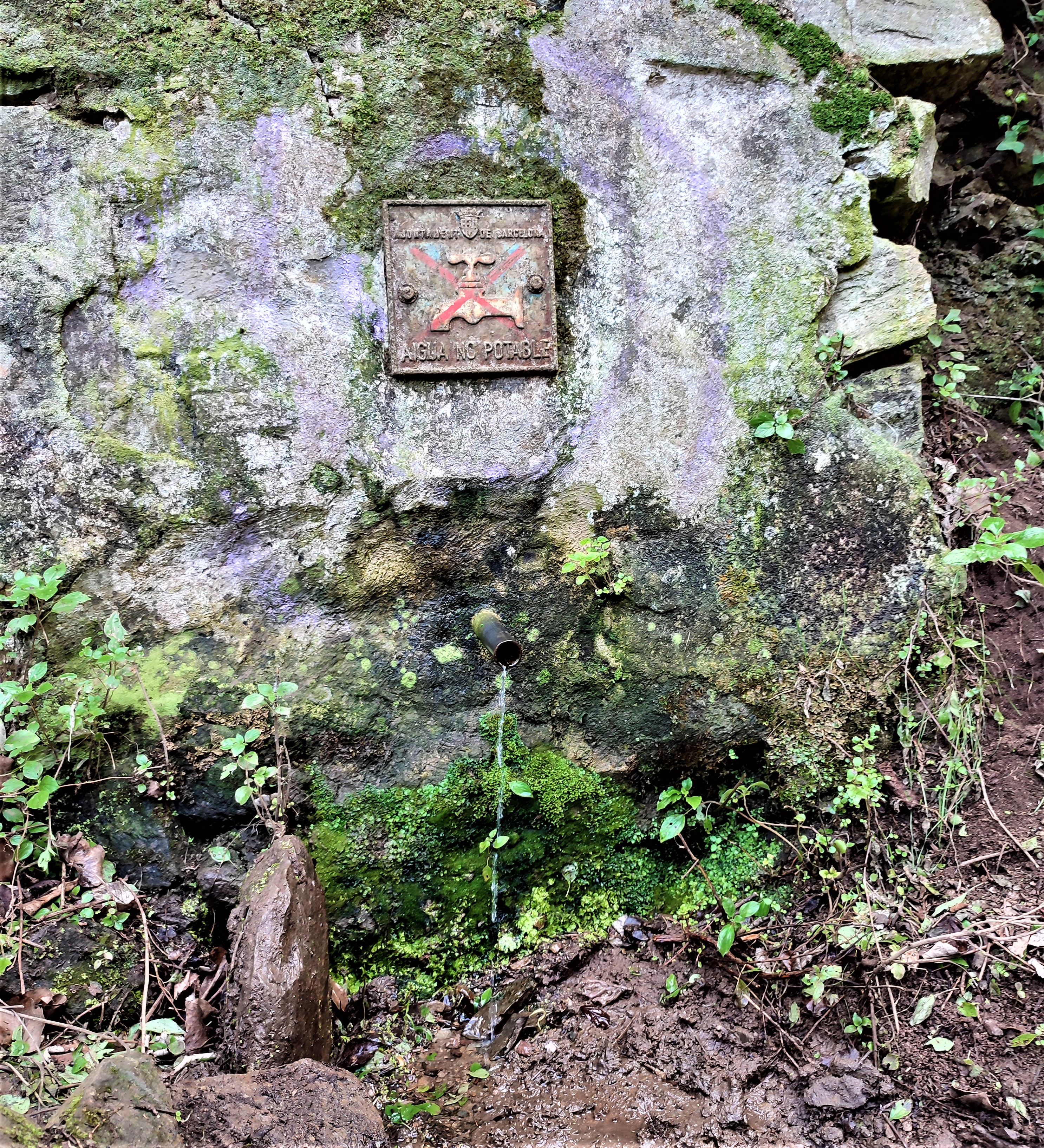
Font de la Llet – The Hidden Spring Gem of Sarria‑Sant Gervasi, Catalonia
Discover the crystal‑clear waters, tranquil forest paths, and the subtle magic of one of Barcelona’s best‑kept natural secrets.
Introduction
If you’re wandering the rolling hills of Sarria‑Sant Gervasi just outside Barcelona, you might stumble upon a tiny, shimmering oasis that locals whisper about as “the milk spring.” Font de la Llet (literally “Spring of the Milk”) is a modest yet mesmerizing natural spring that offers a refreshing pause from the city’s hustle. With its gentle trickle, lush surrounding vegetation, and a sense of timeless serenity, this hidden spring is quickly becoming a favorite spot for hikers, photographers, and anyone craving a slice of Catalan nature.
In this guide we’ll dive into everything you need to know to make the most of your visit—from its quiet history to practical travel tips, the best time to go, and nearby attractions that can turn a simple stopover into a full‑day adventure.
About Font de la Llet
What is Font de la Llet?
- Type: Natural spring (💧)
- Location: Sarria‑Sant Gervasi, Catalonia, Spain
- Coordinates: 41.435445 N, 2.133710 E
The spring emerges from the limestone substrata that characterise the Collserola Natural Park region. Its water is cool, clear, and carries a faint mineral taste that locals liken to fresh milk—hence the name. While the exact height and altitude of the spring are not documented, its setting at the edge of a pine‑covered ravine creates a natural amphitheatre that amplifies the soothing sound of flowing water.
A Brief Historical Note
The name “Font de la Llet” appears in historic Catalan references as a place where shepherds would bring their flocks to drink. Over the centuries, the spring became a modest waypoint for locals traveling between the villages of Sant Gervasi and Sarria. Though it never grew into a major pilgrimage site, its quiet presence earned a spot in regional folklore, celebrated for its purity and the gentle “milk‑white” hue of its water.
Why It Matters
- Ecological value: The spring contributes to the micro‑habitat that supports native flora such as holm oak and stone pine.
- Cultural charm: It embodies the Catalan tradition of valuing small natural wonders as communal gathering points.
- Photography hotspot: The interplay of light on the water, especially during early morning, creates ethereal images that attract Instagram enthusiasts.
How to Get There
By Public Transport
- From Barcelona city centre – Take the FGC (Ferrocarrils de la Generalitat de Catalunya) line S1 from Plaça de Catalunya to Sant Gervasi station.
- Bus connection – From Sant Gervasi, hop on the Bus 66 (direction “Sarria”) and alight at the Carrer de la Font de la Llet stop (the stop is only a few minutes’ walk from the spring).
The total journey takes roughly 45‑60 minutes, depending on traffic and waiting times.
By Car
- From Barcelona: Follow the B‑20 (Ronda de Dalt) westward, then take the C‑31 exit toward Sant Gervasi. Continue on Carrer de la Font de la Llet; parking is limited, but a small municipal lot near the entrance of the trail provides a few spaces.
- From the airport (BCN): Drive north on the C‑31 for about 15 km, then follow the same local signs.
On Foot / Hiking
If you enjoy a short hike, the spring is accessible via a well‑marked trail that starts at the Parc de la Creueta del Coll. The walk is about 2 km (roughly 30‑40 minutes) and offers gentle elevation changes—perfect for a leisurely morning stroll.
Tip: Bring a map or use a GPS app and enter the coordinates 41.435445, 2.133710 for pinpoint accuracy.
Best Time to Visit
| Season | Highlights | Visitor Tips |
|---|---|---|
| Spring (March‑May) | Wildflowers bloom, water flow is strongest after winter rains. | Wear waterproof shoes; early morning light is ideal for photos. |
| Summer (June‑August) | Warm weather makes the cool spring water especially refreshing. | Arrive early to avoid midday heat and occasional crowds. |
| Autumn (September‑November) | Golden foliage creates a magical backdrop; fewer tourists. | Pack a light jacket; the water remains clear and pleasant. |
| Winter (December‑February) | The spring may be quieter, and the surrounding forest looks misty. | Check weather forecasts; some trail sections can be slippery. |
Overall, late spring to early autumn offers the most comfortable conditions and the richest natural scenery.
What to Expect
When you reach Font de la Llet, you’ll be greeted by a modest pool of water framed by low stone walls that were historically built to protect the spring. The water’s surface reflects the surrounding pine canopy, creating a mirror‑like effect that’s perfect for a quick selfie or a meditative pause.
- Soundscape: The gentle gurgle of water combined with rustling leaves forms a soothing soundtrack.
- Flora & Fauna: Look out for European hedgehogs, small lizards, and a variety of birds such as the Eurasian wren. The area is also dotted with lavender and wild rosemary, especially in summer.
- Facilities: There are no commercial amenities directly at the spring, so bring water, snacks, and a trash bag to keep the site pristine. A few benches have been installed by the local council for visitors to rest.
Because the spring is part of a protected natural area, visitors are asked to stay on the designated paths and avoid disturbing the vegetation.
Nearby Attractions
After soaking in the tranquility of Font de la Llet, extend your adventure by exploring these neighboring natural springs—each just a short walk away:
- Font de Sant Cebrià – 0.2 km away, a tiny spring nestled in a shaded grove.
- Font de la Cabra – 0.4 km away, known for its slightly higher flow and a rustic stone bridge.
- Font de Can Llong – 0.4 km away, surrounded by ancient oak trees, perfect for a picnic.
- Font de la Meca – 0.6 km away, a more secluded spot favored by local hikers.
- Fountain near Sarria‑Sant Gervasi – 0.8 km away, a historic municipal fountain with decorative tiles.
All these sites are linked by a network of well‑maintained trails, allowing you to create a “Spring Circuit” that can be completed in a half‑day or a full day, depending on your pace.
Travel Tips
- Pack Light, Pack Smart – Since there are no shops at the spring, bring a small snack, reusable water bottle, and a light rain jacket.
- Footwear Matters – Trail shoes with good grip are essential, especially after rain when the path can become slick.
- Respect the Environment – Carry a small trash bag and leave no trace. The spring’s water is pure, but it’s not a drinking source for the public.
- Timing is Key – Arriving early (7‑9 am) not only guarantees a quieter experience but also gives you the best natural lighting for photography.
- Safety First – While the area is generally safe, inform someone of your route if you plan to hike beyond the main trail, and consider a portable power bank for your phone.
- Combine with Barcelona – Font de la Llet makes an excellent day‑trip from Barcelona. Pair it with a visit to the Parc de la Creueta del Coll or a leisurely lunch in the Sant Gervasi neighborhood.
- Check Local Events – Occasionally, the municipality organizes guided nature walks or educational talks at the spring. Look up the Ajuntament de Barcelona website for updates.
Final Thoughts
Font de la Llet may not boast towering waterfalls or dramatic cliffs, but its subtle charm lies in the quiet intimacy of a natural spring that has quietly nourished the landscape for centuries. Whether you’re a local looking for a peaceful escape, a traveler seeking off‑the‑beaten‑path experiences, or a photographer hunting that perfect reflective shot, this hidden gem delivers.
So lace up your hiking boots, follow the coordinates 41.435445, 2.133710, and let the gentle flow of Font de la Llet refresh your body and soul. Happy exploring!