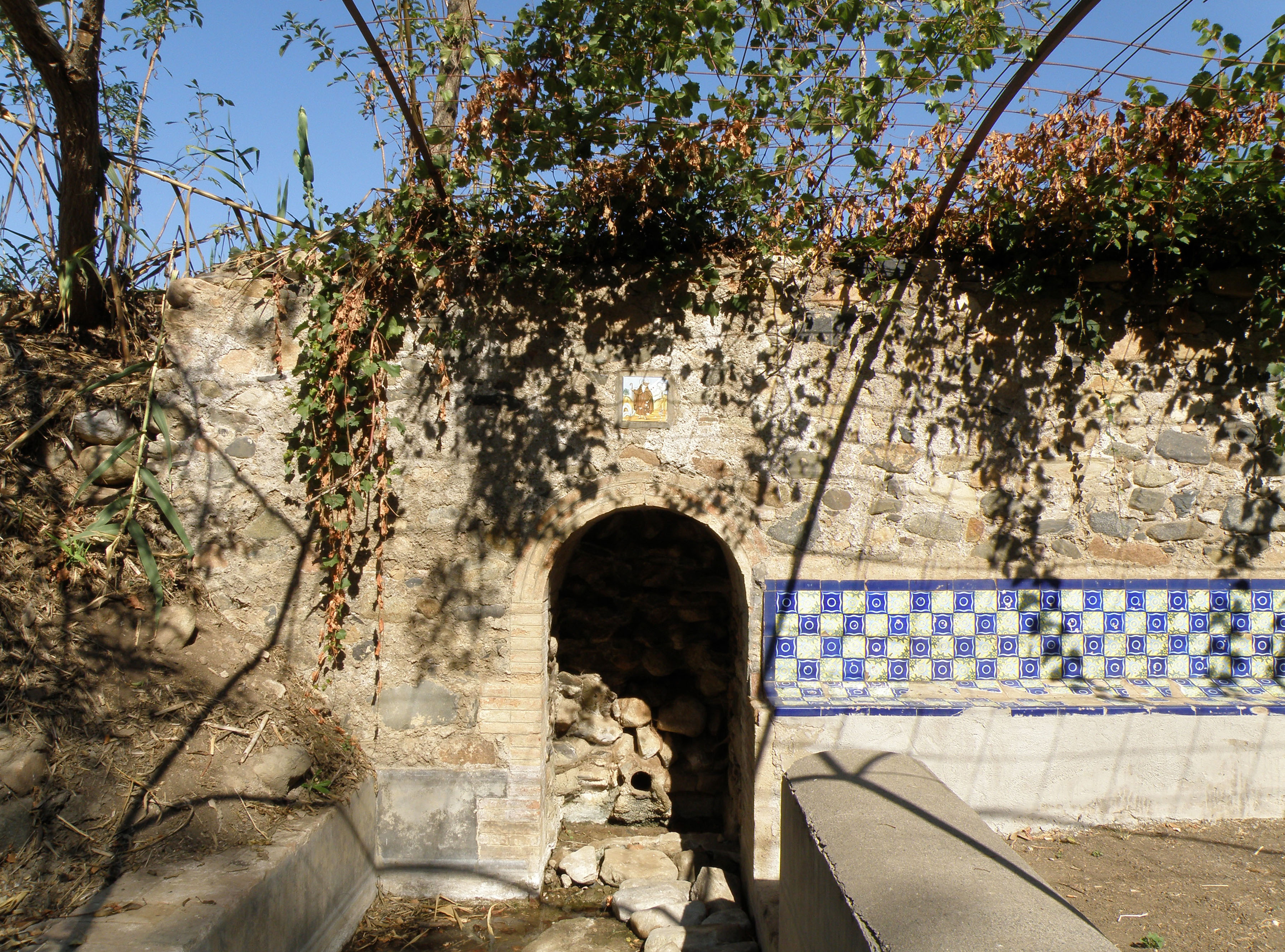
Font de la Ceba – A Hidden Spring Oasis in Montblanc, Catalonia
Discover the crystal‑clear waters, tranquil scenery, and the authentic charm of rural Catalonia at Font de la Ceba.
1. Introduction
If you’ve ever dreamed of stumbling upon a secret spring tucked away in the rolling hills of Catalonia, Font de la Ceba is the place that will turn that dream into reality. Nestled near the historic town of Montblanc, this modest yet mesmerizing water source offers a refreshing pause for hikers, photographers, and anyone craving a genuine slice of Spanish countryside. In a region famed for medieval castles, world‑class vineyards, and the rugged beauty of the Pyrenees, Font de la Ceba stands out as a quiet, unspoiled gem that invites you to slow down, listen to the gentle trickle of water, and soak up the natural ambience of Catalonia’s lesser‑known landscapes.
2. About Font de la Ceba
What Is Font de la Ceba?
Font de la Ceba (Catalan for “Spring of the Onion”) is a natural spring located at 41.387328 N, 1.153103 E, just a few kilometres south‑west of Montblanc in the province of Tarragona. While the exact altitude and height of the spring are not recorded, its presence is unmistakable: clear, cool water bubbling from the earth, feeding a small stream that meanders through olive groves and pine‑covered slopes.
Historical Roots
The name “Ceba” hints at an agricultural past—onion cultivation was once common in the surrounding fields, and the spring likely served as a vital water source for both crops and livestock. Though there are no grand monuments or recorded battles tied to the site, Font de la Ceba has long been part of the everyday life of local families, shepherds, and farmers who relied on its dependable flow. Over the centuries, the spring has quietly witnessed the evolution of Montblanc from a medieval stronghold to a modern hub for agritourism.
Cultural Significance
In Catalan folklore, springs are often associated with purity, health, and sometimes even mystical properties. While Font de la Ceba does not claim any legendary miracles, its pristine water and serene setting embody the Catalan reverence for nature’s simple gifts. Today, the spring is a favored spot for locals to enjoy a cool drink on a hot summer day, and for visitors seeking an authentic, off‑the‑beaten‑path experience.
3. How to Get There
By Car
The most convenient way to reach Font de la Ceba is by car. From Barcelona, take the AP‑7 highway south toward Tarragona, then exit at Montblanc (exit 33). Follow the signs for Montblanc – Centre and continue on C‑13 toward the town’s outskirts. After passing the historic walls, look for local road signs pointing to “Font de la Ceba” or use the GPS coordinates 41.387328, 1.153103. The drive from Barcelona takes roughly 1 hour 45 minutes (≈150 km).
If you’re coming from Tarragona, the journey is even shorter—just 45 minutes via the AP‑7 and C‑13. Parking is available in a small, unmarked lot near the spring; a short, well‑marked trail leads you the final 200 meters to the water’s edge.
By Public Transport
While there is no direct train or bus to the spring, you can take a Renfe regional train from Barcelona to Montblanc (approximately 1 hour 30 minutes). From the Montblanc station, local taxis or rideshare services can drop you off within a 5‑minute drive to the spring’s trailhead. Check the latest Renfe schedules for any service changes.
By Bike or Hike
For the adventurous, the Camí de les Fonts (Path of the Springs) is a scenic, moderate‑difficulty hiking route that links several natural springs in the area, including Font de la Ceba. Starting from Montblanc’s historic centre, the trail covers roughly 8 km round‑trip, passing through vineyards, stone walls, and panoramic viewpoints. Cyclists can also follow the quiet country lanes, but be prepared for some steep sections.
4. Best Time to Visit
Spring (March – May)
As the name suggests, spring is a magical time at Font de la Ceba. The surrounding hills burst into a carpet of wildflowers, the water flow is strong from seasonal rains, and temperatures hover between 15 °C–22 °C—perfect for leisurely walks and photography.
Summer (June – August)
Summer brings warm, dry days, making the spring a natural oasis for a refreshing dip. Early mornings or late afternoons are ideal to avoid the midday heat. Expect temperatures of 28 °C–35 °C, especially in July and August, so bring plenty of water and sun protection.
Autumn (September – November)
Autumn offers a gentle cooling, with the vineyards turning golden and the spring’s water remaining clear and inviting. September still feels summer‑like, while October and November bring comfortable 20 °C–12 °C weather—great for longer hikes.
Winter (December – February)
Winter is the quietest season. The flow may reduce slightly, and the surrounding landscape takes on a misty, contemplative mood. If you enjoy solitude and crisp air, a winter visit can be rewarding, but be prepared for cooler temperatures (down to 5 °C) and occasional rain.
Overall recommendation: For the best combination of pleasant weather, vibrant scenery, and lively water flow, aim for late spring (April–May) or early autumn (September).
5. What to Expect
A Sensory Experience
- Sight: Crystal‑clear water bubbling from a stone‑lined basin, framed by olive trees, pine, and low‑lying scrub. In spring, the hillside is dotted with yellow, purple, and white wildflowers.
- Sound: The gentle murmur of the spring creates a natural soundtrack, punctuated by birdsong—especially the melodic calls of the European goldfinch and common nightingale.
- Touch: The water is refreshingly cool, perfect for a quick splash or a short soak on a hot day. The surrounding rocks are smooth from centuries of water flow, offering natural seats.
- Smell: A faint earthy aroma mingles with the scent of pine needles and fresh vegetation—an invigorating perfume that instantly relaxes.
Facilities
Font de la Ceba is a natural site with minimal infrastructure. There is a small picnic table and a benches area near the spring, but no restrooms or vending facilities. Bring a portable water bottle, a light snack, and a trash bag to leave the area as pristine as you found it.
Photography
The spring’s reflective surface, set against the rustic Catalan countryside, offers excellent opportunities for landscape and macro photography. Early morning light casts a soft golden hue, while late afternoon sun creates dramatic shadows—ideal for Instagram‑ready shots.
6. Nearby Attractions
While Font de la Ceba is the star of the day, the surrounding area brims with additional points of interest that can easily be combined into a full‑day itinerary:
| Attraction | Distance | Type | Quick Note |
|---|---|---|---|
| Weir (Unnamed) | 1.8 km | Weir | Small historic weir with scenic river views. |
| Font de la Mare de Déu | 2.3 km | Spring | A charming spring named after the Virgin Mary, surrounded by stone pathways. |
| Weir (Unnamed) | 2.4 km | Weir | Another picturesque weir, perfect for a short walk. |
| Font de la Ginesta | 2.8 km | Spring | Known for its clear water and nearby rosemary bushes. |
| Font d'en Ramón Muntanyola | 2.9 km | Spring | A tranquil spring with a small wooden bridge crossing the stream. |
Tip: The cluster of springs and weirs forms a natural “water trail” that can be explored on foot or by bike. Pack a light lunch and make a day of hopping from one water source to another, savoring the unique ambience of each spot.
7. Travel Tips
| Tip | Details |
|---|---|
| Bring proper footwear | The trail to Font de la Ceba includes uneven stones and occasional mud, especially after rain. Sturdy hiking shoes or trail sneakers are recommended. |
| Stay hydrated | Although the spring provides fresh water, carry a reusable bottle for convenience and to avoid over‑handling the natural source. |
| Respect the environment | No littering. Take any trash with you, and avoid disturbing the flora or wildlife. |
| Check weather forecasts | Spring showers can make paths slippery; summer heat may require extra sun protection. |
| Timing for photography | Aim for golden hour (sunrise or sunset) for the most flattering light on the water and surrounding landscape. |
| Local cuisine | After your visit, head back to Montblanc’s town centre for a “paella de mariscos” or “canelons”—traditional Catalan dishes that will round out your day. |
| Language | Catalan is the primary language, but Spanish and basic English are widely understood in tourist areas. A few Catalan phrases (“Bon dia!” – Good morning) go a long way. |
| Safety | The spring’s water is safe for drinking, but avoid swimming if the flow is unusually strong after heavy rain. |
Final Thought
Font de la Ceba may not appear on the typical “must‑see” list of Catalonia, but that’s precisely why it shines for the curious traveler. It offers a genuine connection to the land, a moment of quiet reflection, and a chance to experience the unfiltered beauty of the Spanish countryside. Whether you’re a seasoned hiker, a photography enthusiast, or simply a wanderer seeking a hidden oasis, Font de la Ceba invites you to pause, sip, and let the gentle rhythm of the spring renew your spirit.
Pack your boots, charge your camera, and set your GPS to 41.387328, 1.153103—Catalonia’s secret spring awaits.