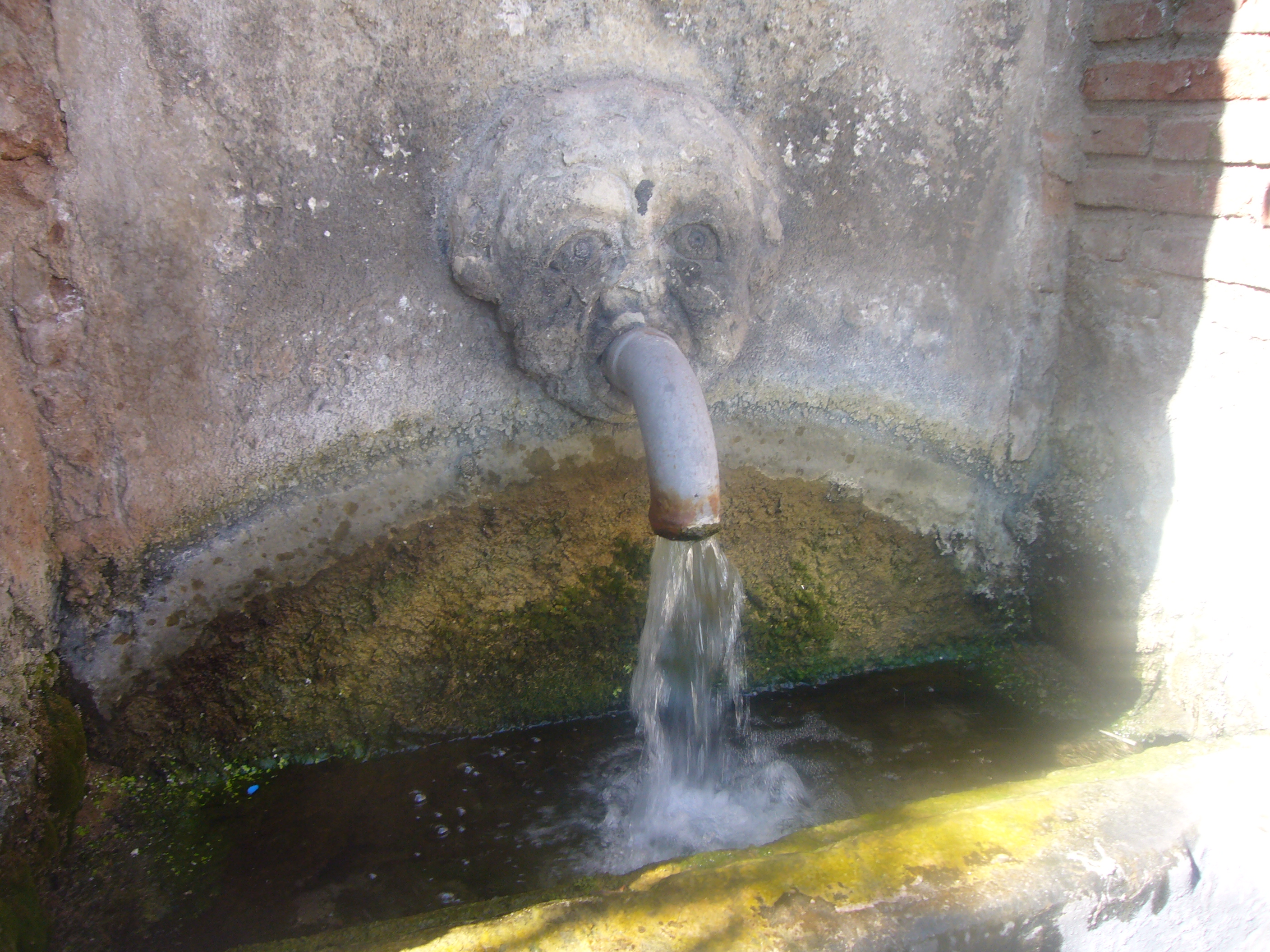
Font de la Carota – The Hidden Spring Gem of Igualiga, Catalonia
Discover the tranquil charm of Font de la Carota, a historic spring tucked away in the heart of Igualada, Catalonia. Perfect for nature lovers, history buffs, and anyone seeking a peaceful escape from the bustling city.
1. Introduction
Imagine stepping off the main road and being greeted by the gentle murmur of water flowing beneath a trio of stone arches. The scent of fresh earth mingles with the soft rustle of leaves, and you realize you’ve stumbled upon a piece of Catalonia’s living heritage. That’s the magic of Font de la Carota, a modest yet captivating spring located just outside the historic town of Igualada.
Whether you’re planning a weekend road‑trip through the Anoia valley, a family outing with kids, or a photography excursion to capture authentic Catalan landscapes, Font de la Carota offers a serene backdrop that’s both photogenic and deeply rooted in local tradition.
2. About Font de la Carota
A Brief Description
Font de la Carota (Catalan for “Carrot Spring”) is a municipal water source built by the town of Igualada. The site consists of three stone arches:
- The smallest arch houses the spring itself – a clear, cool flow that has supplied water to the community for generations.
- Two larger arches serve as historic animal troughs, known locally as abeuradors, where livestock once drank.
These arches, crafted from locally quarried stone, blend functional engineering with rustic Catalan aesthetics. The spring remains a working water source, and its simple design reflects the practical needs of a rural town that valued communal access to clean water.
Historical Significance
While the exact construction date is not recorded, Font de la Carota is an integral part of Igualada’s municipal heritage. In the past, springs like this were lifelines for agriculture, livestock, and daily life. The presence of the animal troughs underscores the spring’s role in supporting the agrarian economy of the Anoia comarca.
Today, the spring is preserved as a cultural landmark, highlighted on the town’s official tourism maps and featured in the Catalan Wikipedia entry: Font de la Carota (Catalan Wikipedia). Its modest size belies its importance as a reminder of how communities historically managed natural resources.
3. How to Get There
By Car
- From Barcelona: Take the AP‑7 (toll) or C‑16 (free) highway north toward Manresa. Exit at Igualada (exit 13 on AP‑7) and follow signs for the town centre. From the central square, head west on Carrer de la Font; the spring is just a short walk away.
- From Igualada town centre: Drive or park near the Plaça de la Vila. The spring lies approximately 800 m west of the square, along a quiet residential lane. Street parking is usually free, but check local signs for any restrictions.
By Public Transport
- Train: The Rodalies de Catalunya line R6 runs from Barcelona Sants to Igualada. Trains run every 30 minutes on weekdays.
- Bus: Several regional buses (e.g., L‑151 from Manresa) stop at Igualada’s main bus station. From there, a short 10‑minute walk or a local taxi will bring you to the spring.
By Bike or On Foot
The Anoia River Trail (Camí del riu Anoia) is a popular cycling route that passes near Font de la Carota. Cyclists can enjoy a scenic ride along the riverbanks, stopping at the spring for a refreshing break.
GPS Coordinates
For precise navigation, use the following coordinates: 41.577874, 1.616869. Plug them into Google Maps, Waze, or any GPS device for turn‑by‑turn directions.
4. Best Time to Visit
Spring (March–May)
- Why: The surrounding vegetation bursts into color, and the water flow is at its clearest after the winter rains.
- What to Expect: Mild temperatures (15‑22 °C) and fewer crowds, perfect for photography and picnics.
Summer (June–August)
- Why: Warm weather makes the cool spring water especially inviting.
- What to Expect: Slightly higher visitor numbers, especially on weekends. Bring sunscreen and plenty of water, as the surrounding fields can become dry.
Autumn (September–November)
- Why: The harvest season adds a rustic charm, and the temperatures start to dip, creating comfortable walking conditions.
- What to Expect: Golden foliage and a quieter atmosphere.
Winter (December–February)
- Why: While the spring continues to flow, the area can be chilly and occasionally wet.
- What to Expect: Fewer tourists and a peaceful, contemplative setting—ideal for those who love solitude.
5. What to Expect
When you arrive at Font de la Carota, you’ll be greeted by a peaceful, rural tableau:
- Stone arches framing the crystal‑clear water, offering excellent photo opportunities from multiple angles.
- Birdsong and the gentle splash of water, creating a natural soundtrack that drowns out city noise.
- Local wildlife, especially during spring and early summer, when frogs and dragonflies frequent the water’s edge.
The site is open year‑round and free to the public. There are no formal facilities (toilets, cafés), so plan accordingly. Many visitors bring a small picnic blanket and a snack to enjoy while listening to the spring’s soothing flow.
Because the spring is still functional, you’ll notice locals occasionally filling containers with water—a living reminder of the spring’s historic purpose. Respect the space: avoid littering, keep noise levels low, and stay on the designated pathways to preserve the stonework.
6. Nearby Attractions
While Font de la Carota can easily fill a half‑day visit, the surrounding area offers several additional points of interest within a short walk or bike ride.
| Distance | Attraction | Type | Quick Link |
|---|---|---|---|
| 0.7 km | Unnamed Fountain | Fountain | View on Map |
| 0.9 km | Unnamed Weir | Weir | View on Map |
| 1.0 km | Unnamed Dam | Dam | View on Map |
| 1.0 km | Font de l'Estació | Fountain | View on Map |
| 1.1 km | Unnamed Dam | Dam | View on Map |
Tip: All of these sites are accessible via the Anoia River Trail, making it easy to combine them into a leisurely walking or cycling loop.
7. Travel Tips
| Tip | Details |
|---|---|
| Dress in layers | Even in summer, mornings can be cool near the water. Bring a light jacket. |
| Footwear | Wear comfortable walking shoes or sandals with good grip; the stone arches can be slightly slippery when wet. |
| Stay hydrated | No drinking fountains on site, so bring your own water bottle. |
| Timing | Arrive early (8–9 am) on weekends to avoid the small but noticeable crowds. |
| Photography | The best light is early morning or late afternoon; the low sun highlights the texture of the stone arches. |
| Respect the heritage | Do not climb on the arches or remove any stones. The site is protected by the municipal council. |
| Parking | Free street parking is available near the town centre; avoid blocking private driveways. |
| Local cuisine | After your visit, head to the Plaça de la Vila for traditional Catalan tapas—try pa amb tomàquet and a glass of Cava. |
| Language | Catalan is the primary language; most locals also speak Spanish and basic English. A friendly “Bon dia!” goes a long way. |
| Safety | The area is safe and well‑lit in daylight. As with any rural site, keep an eye on personal belongings. |
8. Wrap‑Up: Why Font de la Carota Should Be on Your Catalonia Itinerary
Font de la Carota may not appear on the typical “must‑see” list of Catalonia, but that’s exactly why it shines. It offers an authentic glimpse into Igualada’s communal heritage, a chance to unplug beside a centuries‑old spring, and an easy gateway to explore the Anoia River’s natural beauty.
Add this hidden gem to your travel plan, pair it with a stroll along the nearby fountains and dams, and you’ll experience a side of Catalonia that most tourists miss. Whether you’re a solo traveler, a couple seeking a quiet spot, or a family looking for a low‑key adventure, Font de la Carota welcomes you with open arches and the gentle sound of water—nature’s timeless invitation.
Happy travels, and may the spring’s cool mist refresh both your body and your wanderlust!