Font de Diana – Barcelona’s Quiet Corner of Classical Elegance
If you think you’ve seen every fountain Barcelona has to offer, think again. Nestled in the leafy avenues of Eixample, the Font de Diana is a hidden gem that whispers the city’s love for art, mythology, and water. Whether you’re a first‑time visitor or a seasoned Barcelona explorer, this modest yet enchanting fountain deserves a spot on your itinerary.
1. Introduction
Barcelona is famous for its grand boulevards, soaring Gaudí masterpieces, and bustling beach life. Yet, some of the city’s most memorable moments happen in the quiet spaces between the crowds. The Font de Diana (Catalan for “Fountain of Diana”) is one such oasis. Located at 41.391604 N, 2.171179 E in the heart of the Eixample district, the fountain offers a peaceful pause amid the city’s modernist rhythm. Its name evokes the Roman goddess of the hunt, hinting at a timeless connection between nature and myth—perfect for travelers seeking a blend of history, architecture, and serenity.
2. About Font de Diana
A Brief Description
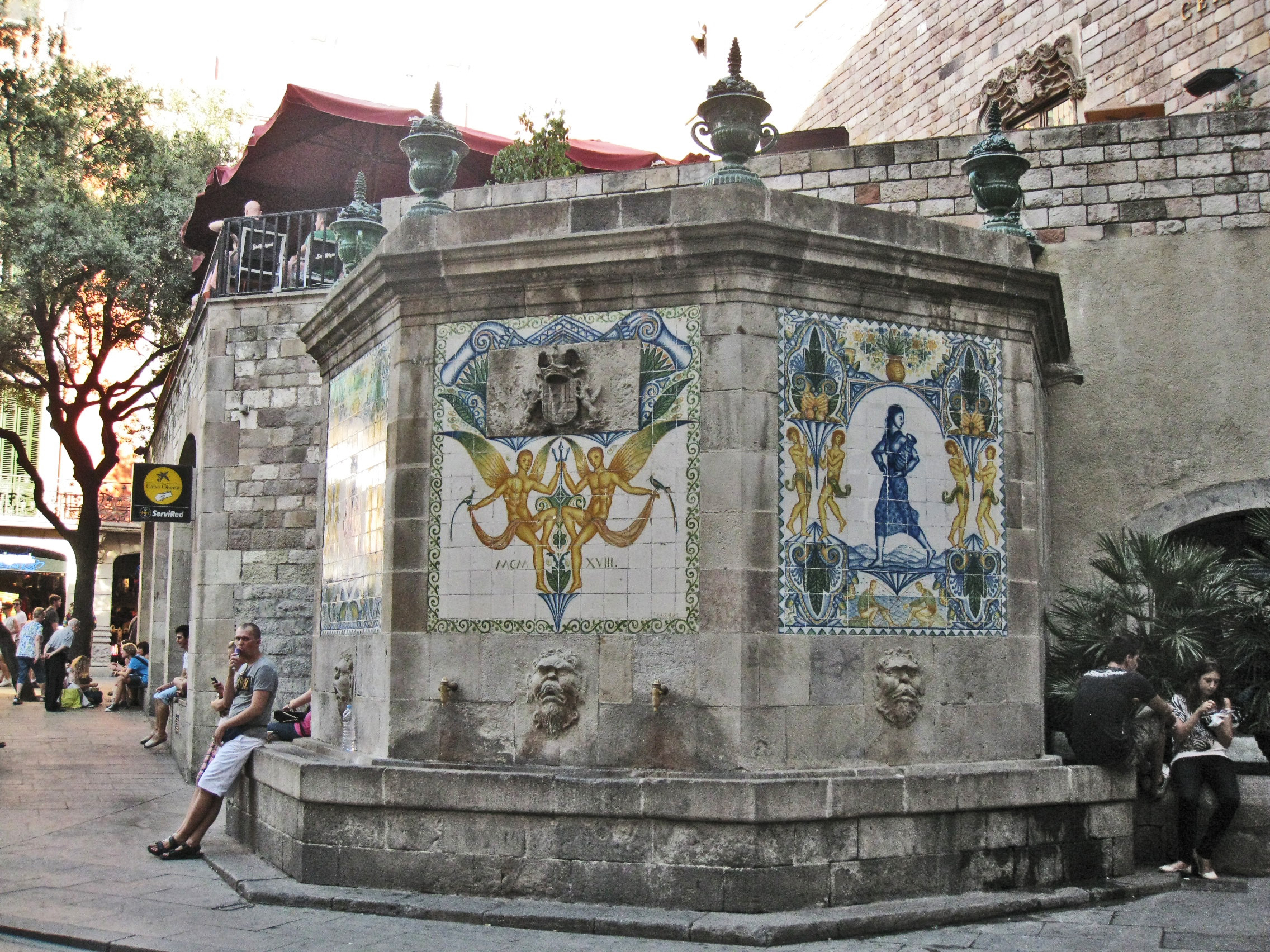
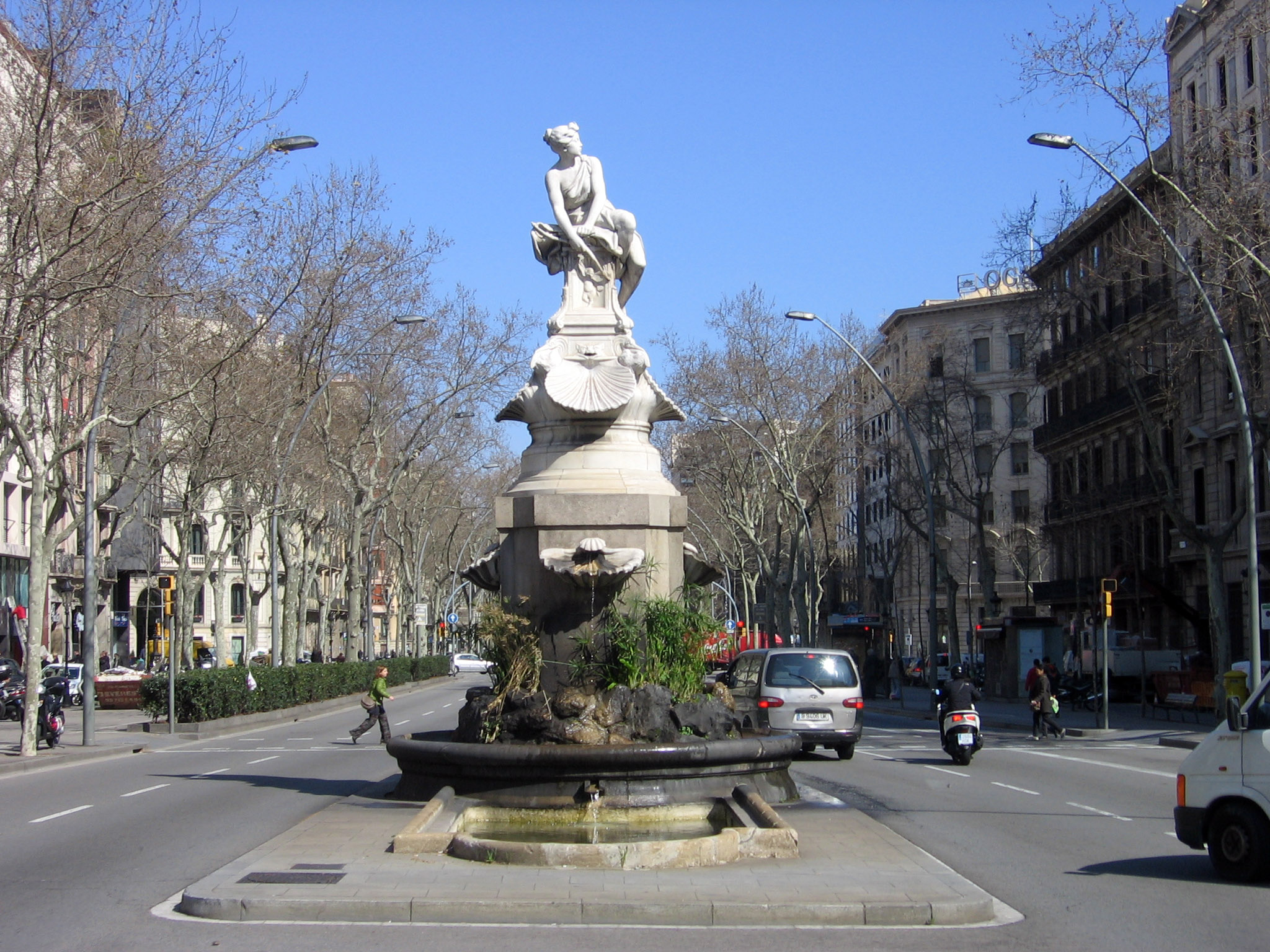
The Font de Diana is a small, stone‑carved fountain set within a tidy, paved square. While its exact height and altitude remain undocumented, the fountain’s design reflects the classic simplicity of early 20th‑century Barcelona public works. Water gently cascades from a central basin, creating a soothing soundscape that contrasts beautifully with the surrounding urban buzz.
Historical Roots
The fountain’s name pays homage to Diana, the Roman goddess of the hunt, the moon, and nature. In Catalonia, naming public artworks after mythological figures was a popular trend during the city’s rapid expansion in the late 1800s and early 1900s. Though the precise date of installation is not recorded, the Font de Diana likely dates from this period, aligning with Eixample’s grand urban planning vision led by Ildefons Cerdà.
Cultural Significance
While not as large as the iconic Font Màgica on Montjuïc, the Font de Diana holds a special place in local life. Residents often gather here for a quick coffee break, children splash their feet in the shallow pool, and photographers capture the gentle play of light on water. Its modest scale makes it an ideal spot for quiet reflection—an unexpected sanctuary in a district famed for its bustling avenues and modernist facades.
3. How to Get There
By Metro
- Line 3 (Green Line) – Passeig de Gràcia station: Exit onto Gran Via de les Corts Catalanes and walk north for about 5 minutes.
- Line 2 (Purple Line) – Universitat station: Take the Rambla de Catalunya exit and head east; the fountain is a short 7‑minute stroll.
By Bus
- Bus 7, 22, 24, or V15 stop at Gran Via – Carrer del Rosselló. From the bus stop, the fountain is a 2‑minute walk northward.
By Bike or On Foot
Eixample’s grid layout makes it bike‑friendly. Use the city’s Bicing stations near Passeig de Gràcia or Rambla de Catalunya and cycle to the fountain. If you’re staying in the city centre, a leisurely 15‑minute walk will bring you directly to the Font de Diana, allowing you to admire the iconic modernist façades along the way.
GPS Coordinates
Simply plug 41.391604, 2.171179 into any navigation app for pinpoint accuracy.
4. Best Time to Visit
- Spring (March–May): The surrounding trees blossom, and the air feels fresh—ideal for photos of the fountain framed by greenery.
- Early Autumn (September–October): Temperatures are mild, and the tourist crowds have thinned, giving you a more tranquil experience.
- Morning Hours (8 am–10 am): The fountain is at its calmest, and the soft morning light creates a golden shimmer on the water.
- Evening (just after sunset): While the Font de Diana is not illuminated like larger Barcelona fountains, the surrounding streetlights give a romantic ambience, perfect for a quiet evening stroll.
5. What to Expect
Arriving at the Font de Diana, you’ll first notice its intimate scale—the fountain sits within a modest square, surrounded by low‑lying benches and a few mature plane trees. The water flows continuously, producing a gentle, rhythmic sound that masks the distant hum of traffic.
- Visuals: The stonework, though simple, carries subtle ornamental details that hint at early modernist influences. The basin reflects the sky, offering ever‑changing mirror images.
- Atmosphere: Expect a relaxed vibe. Locals often sit on the benches, reading newspapers or chatting over a café con leche. The fountain is a popular spot for families with young children, who love the safe, shallow water.
- Photography: Look for reflections of nearby façades in the water, and experiment with low‑angle shots that emphasize the fountain’s elegant lines. Early morning or late afternoon provides the most flattering natural light.
6. Nearby Attractions
While the Font de Diana is a delightful stop on its own, it’s conveniently positioned near several other noteworthy fountains and cultural sites. All are within a 0.5 km radius, making them perfect for a relaxed walking tour.
| Attraction | Distance | What to See |
|---|---|---|
| Font Monumental del Passeig de Gràcia | 0.3 km | A grand, historic fountain featuring elaborate sculptures, located on Barcelona’s iconic shopping boulevard. |
| Fonts Bessones | 0.5 km | Two charming fountains set in a small garden, ideal for a quick photo break. |
| Nens cavalcant Peixos | 0.5 km | A whimsical fountain depicting dancing children with fish, beloved by families. |
| (Unnamed) Fountain | 0.5 km | Another local water feature that adds to the district’s fountain-rich landscape. |
Tip: Combine these stops with a visit to the Passeig de Gràcia for high‑end shopping, the Casa Batlló, and the Casa Milà (La Pedrera)—all within easy walking distance.
7. Travel Tips
| Tip | Why It Helps |
|---|---|
| Carry a reusable water bottle | Barcelona’s tap water is safe; staying hydrated lets you enjoy the fountain’s cool mist without extra waste. |
| Wear comfortable shoes | Eixample’s grid streets are best explored on foot, and the cobblestones near historic fountains can be uneven. |
| Check the weather | While the fountain works year‑round, a sunny day enhances the reflective water surface, whereas rain may make the area slippery. |
| Respect local customs | The fountain is a public space for relaxation—avoid splashing loudly or feeding wildlife. |
| Bring a small notebook or sketchpad | Many travelers find inspiration in the quiet atmosphere; the fountain’s simple lines make for lovely sketches. |
| Use a local SIM or offline map | GPS coordinates are precise, but having offline maps ensures you won’t get lost if you wander into side streets. |
| Visit during off‑peak hours | Early mornings or weekdays see fewer tourists, giving you a more authentic local experience. |
| Combine with a café stop | The surrounding Eixample streets are lined with cafés; treat yourself to a cortado while watching the water flow. |
Conclusion
The Font de Diana may not dominate travel guide headlines, but its understated charm captures the essence of Barcelona’s love for public art, mythic storytelling, and community spaces. A quick detour to this fountain offers a moment of calm, a splash of culture, and a perfect photo opportunity—all set within the vibrant tapestry of Eixample.
Next time you’re mapping out a Barcelona travel itinerary, carve out a few minutes for this hidden fountain. You’ll leave with a refreshed spirit, a few beautiful snapshots, and a deeper appreciation for the subtle wonders that make Barcelona more than just its famous landmarks.
Ready to discover more of Barcelona’s secret spots? Keep exploring, keep wandering, and let the city’s fountains guide your journey.