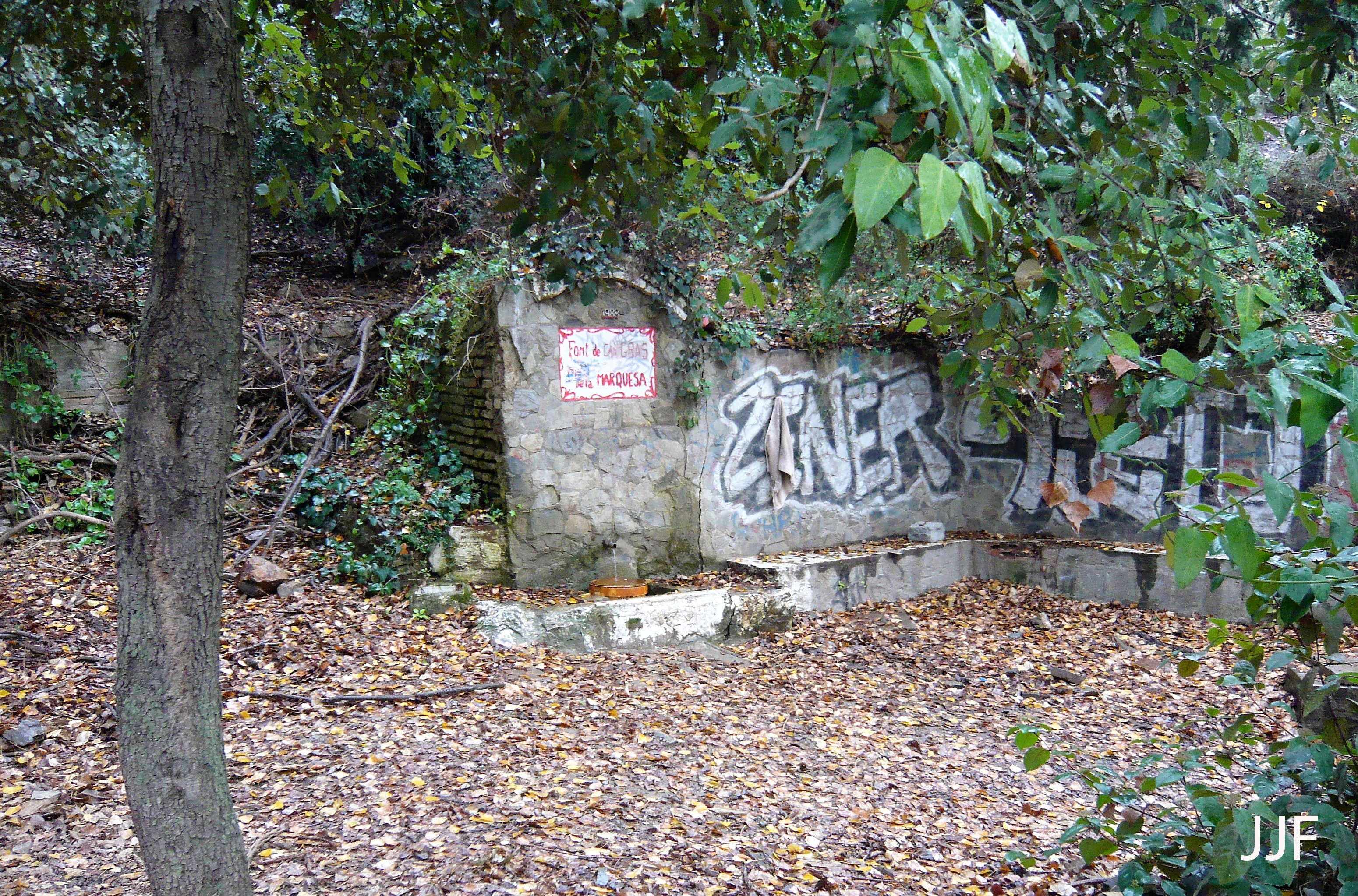
Discover Font de Can Gras – Barcelona’s Hidden Spring Oasis
If you think Barcelona is only about Gaudí, tapas, and bustling beaches, think again. Tucked away in the leafy district of Nou Barris lies Font de Can Gras, a crystal‑clear spring that offers a quiet escape into nature without leaving the city limits.
1. Introduction
Imagine stepping out of the urban buzz of Barcelona and instantly being greeted by the gentle sound of water bubbling over smooth stones. That’s the magic of Font de Can Gras, a modest yet enchanting spring that feels like a secret garden for locals and adventurous travelers alike. Its unassuming location in Nou Barris makes it an ideal micro‑adventure for a morning walk, a family outing, or a photo‑stop on a cycling route. In this guide we’ll explore everything you need to know to experience this hidden gem—from its history to the best ways to get there, and the surrounding attractions that can turn a quick visit into a full‑day nature itinerary.
2. About Font de Can Gras
What Is It?
Font de Can Gras (Catalan for “the spring of Can Gras”) is a natural freshwater spring located at 41.445889 N, 2.138984 E in the Nou Barris district of Barcelona, Catalonia, Spain. While the spring’s exact height and altitude are not recorded, its clear waters emerge from the ground and flow into a small, shaded basin surrounded by native vegetation.
Historical Context
The spring’s name references the historic Can Gras estate that once owned the land. Like many Catalan water sources, it likely served as a communal watering point for farmers and shepherds centuries ago. Although specific archival records are scarce, the spring is mentioned in the Catalan Wikipedia entry for Font de la Marquesa, indicating its relevance within the network of traditional water sources that sustained local communities.
Cultural Significance
In Catalonia, springs (fonts) are more than just water supplies; they are cultural landmarks tied to folklore, agricultural heritage, and community identity. Font de Can Gras continues this tradition, offering residents a place to pause, reflect, and enjoy the simple pleasure of fresh mountain water—right in the heart of a bustling metropolis.
3. How to Get There
By Public Transport
| Mode | Line / Service | Approx. Time | Notes |
|---|---|---|---|
| Metro | L1 (Red Line) – Sant Andreu station | 15 min walk | Exit toward Carrer de la Marina and follow signs to Nou Barris. |
| Bus | 42, 124, or 146 | 10‑12 min walk from the nearest stop | Stops at Carrer de la Marina or Plaça de la Vila. |
| VLC (Vilanova‑Lleida) Train | Not applicable (metro is closest) | — | — |
By Car or Ride‑Share
- Parking: Street parking is available along Carrer de la Marina and nearby side streets. Look for blue zones (pay‑and‑display) or free residential spots after 8 pm.
- Directions: From the city centre, take Avinguda Diagonal north, then turn left onto Carrer de la Marina. The spring is signposted near the intersection with Carrer de Can Gras.
On Foot or By Bike
Nou Barris is bike‑friendly, with dedicated lanes connecting to the Bicing public bike system. The spring is roughly 3 km from Plaça de Catalunya, making it an enjoyable ride for cyclists seeking a scenic detour.
4. Best Time to Visit
| Season | Conditions | Why Visit |
|---|---|---|
| Spring (Mar‑May) | Mild temperatures (15‑22 °C), blooming flora | The water flow is strongest after winter rains, and the surrounding greenery is at its most vibrant. |
| Summer (Jun‑Aug) | Warm, occasional heatwaves | Early mornings are pleasant; bring water and sunscreen as shade can be limited. |
| Autumn (Sep‑Nov) | Comfortable temps, occasional rain | The spring’s water remains clear, and fewer tourists mean a tranquil experience. |
| Winter (Dec‑Feb) | Cooler (8‑14 °C), occasional drizzle | The spring may be quieter, but the flow can reduce; still a good spot for a brisk walk. |
Peak recommendation: Late March to early May for the freshest water, lush surroundings, and optimal photo lighting.
5. What to Expect
When you arrive at Font de Can Gras, you’ll be greeted by a modest stone basin where crystal‑clear water gently bubbles to the surface. The spring is framed by mature holm oaks and catalan pine trees, creating a natural canopy that filters sunlight into dappled patterns.
- Soundscape: The soft murmur of water, occasional bird calls, and distant urban hum blend into a soothing soundtrack.
- Visuals: The water’s turquoise hue reflects the surrounding foliage, offering perfect Instagram moments.
- Activities: While swimming is not permitted (the basin is shallow), you can sit on nearby benches, enjoy a picnic, or simply wander the surrounding footpaths. Children love tossing pebbles into the spring and watching the ripples.
Because the site is not heavily commercialized, you’ll find minimal signage—just a modest plaque indicating the spring’s name and a QR code linking to a short history. This low‑key atmosphere encourages mindful, low‑impact visits.
6. Nearby Attractions
Font de Can Gras sits within a cluster of natural water sites that make for a delightful walking circuit. All are within a 1 km radius, allowing you to explore multiple springs and a waterfall in a single outing.
| Attraction | Distance | Type | Quick Link |
|---|---|---|---|
| Font de la Poca aigua | 0.1 km | Spring | Explore Font de la Poca aigua |
| Font del Rossinyol | 0.4 km | Spring | Explore Font del Rossinyol |
| Unnamed Waterfall | 0.7 km | Waterfall | Find the Waterfall |
| Font de la Meca | 0.7 km | Spring | Explore Font de la Meca |
| Unnamed Fountain | 0.8 km | Fountain | Find the Fountain |
Suggested loop: Start at Font de Can Gras, head east to Font de la Poca aigua, continue north to Font del Rossinyol, then wander west toward the waterfall and finish at Font de la Meca. The entire circuit takes about 45‑60 minutes at a relaxed pace, with plenty of spots to pause for photos or a snack.
7. Travel Tips
| Tip | Details |
|---|---|
| Wear comfortable shoes | The paths are mostly paved but can be uneven near the water’s edge. |
| Bring a reusable water bottle | While the spring water is clean, it’s best to refill elsewhere if you plan to drink directly. |
| Respect the environment | No littering; take any trash with you. The area is a protected natural site. |
| Check opening hours | The spring is publicly accessible 24/7, but nearby parks may close after dusk. |
| Photography | Early morning or late afternoon provides the best natural light. A polarizing filter helps reduce glare on the water. |
| Safety | The basin is shallow; children should be supervised. No swimming allowed. |
| Combine with city sights | Pair your spring visit with a quick stop at Parc de la Guineu or the Sant Andreu Market for a fuller Nou Barris experience. |
| Language | Catalan is the primary local language; most signs are bilingual (Catalan/Spanish). A few basic phrases—“On és la font?” (Where is the spring?)—can be handy. |
8. Final Thoughts
Font de Can Gras may not appear on the typical Barcelona travel itineraries, but that’s precisely why it shines. It offers a genuine taste of Catalonia’s natural heritage, a quiet spot to recharge, and a gateway to a network of nearby springs and a waterfall—all within easy reach of the city’s public transport.
Whether you’re a local looking for a peaceful weekend walk, a family seeking a low‑key outdoor activity, or a traveler eager to discover Barcelona’s hidden natural treasures, Font de Can Gras deserves a spot on your itinerary. Pack a light snack, slip on your walking shoes, and let the gentle murmur of this spring guide you into a refreshing slice of Catalan serenity.
Happy exploring!
Keywords: Font de Can Gras, spring in Catalonia, Nou Barris spring, Barcelona hidden gems, natural spring Barcelona, travel guide Catalonia, things to do Nou Barris, nearby attractions Font de la Poca aigua, Font del Rossinyol, Barcelona nature walk