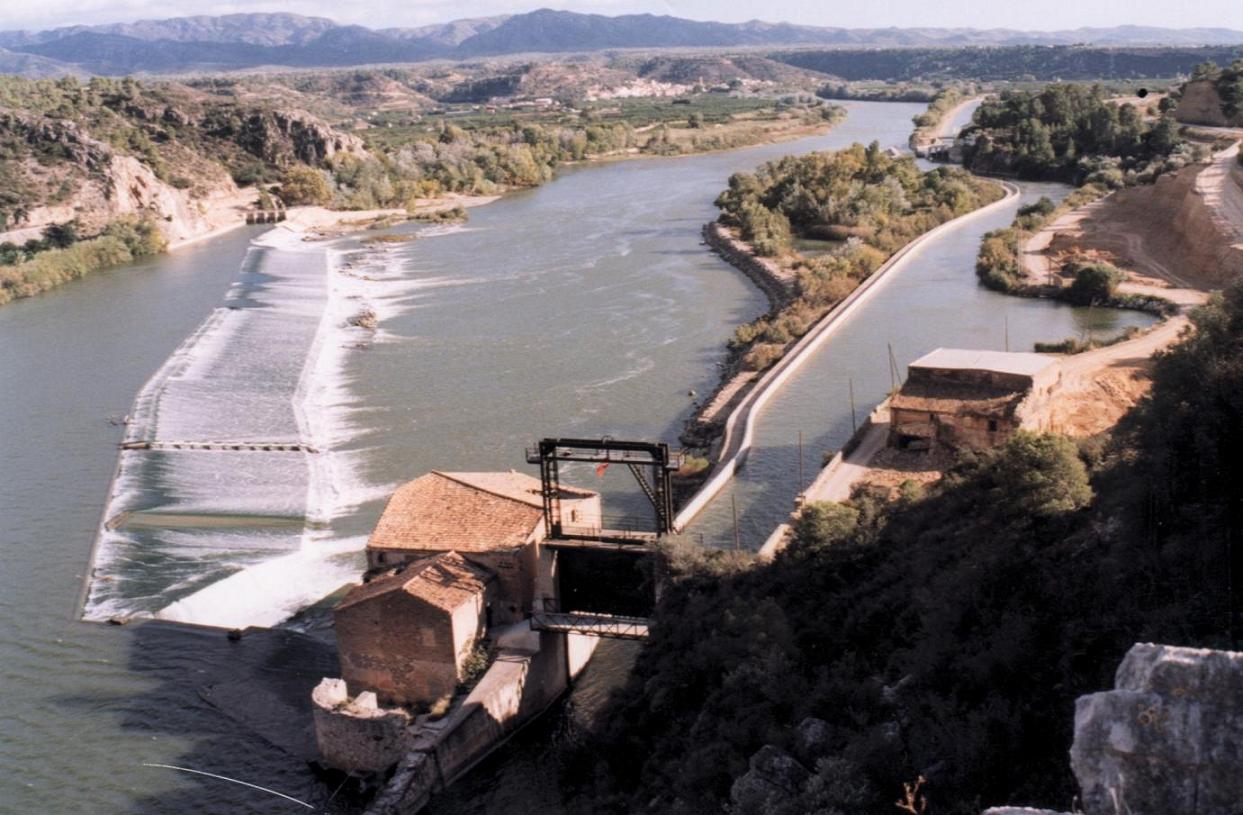
Assut de Xerta – The Hidden Weir Jewel of Catalonia
If you think Catalonia is only about Gaudí’s masterpieces, sun‑kissed beaches, and bustling tapas bars, think again. Tucked along the tranquil banks of the Ebro River, the Assut de Xerta is a modest yet mesmerizing weir that offers a glimpse into the region’s engineering heritage, stunning river scenery, and authentic rural life. Whether you’re a history buff, a nature lover, or a traveler hunting off‑the‑beaten‑path gems, this little‑known landmark deserves a spot on your Catalonia itinerary.
About Assut de Xerta
The Assut de Xerta (Catalan for “Xerta Weir”) is a stone‑built weir located in the municipality of Tivenys, Catalonia, Spain. Its coordinates are 40.924025 N, 0.492075 E, placing it just a few kilometres downstream from the town of Xerta, on the mighty Ebro River—the longest river on the Iberian Peninsula.
History & Significance
- Agricultural Roots – The weir was originally constructed to regulate water flow for the extensive irrigation canals that feed the fertile plains of the Baix Ebre region. By raising the river level just enough, it enables a controlled diversion of water to the surrounding fields, a practice that has sustained local agriculture for generations.
- Engineering Simplicity – Unlike massive dams, the Assut de Xerta is a low‑profile structure that blends seamlessly with the river’s natural course. Its stone masonry reflects traditional Catalan construction techniques, offering a tangible link to the region’s rural engineering legacy.
- Cultural Landmark – The weir is more than a functional piece of infrastructure; it’s a gathering point for locals who fish, picnic, and enjoy the gentle river breeze. Its presence has been documented in regional archives and is mentioned on the Catalan Wikipedia page for the site.
Because the weir is modest in size, precise measurements such as its height or altitude are not widely published, but its impact on the landscape is unmistakable. The tranquil water pool created upstream provides a reflective surface that mirrors the sky, the surrounding olive groves, and, on clear days, the distant silhouettes of the Ports de Tortosa-Beseit mountains.
How to Get There
By Car
- From Barcelona – Take the AP‑7 motorway south toward Tarragona (≈ 115 km). Exit at Tarragona and follow the N‑340 eastward along the coast until you reach the junction for C‑12 toward Xerta/Tivenys. The turnoff to C‑14 leads directly to the weir. Total driving time: ≈ 1.5 hours.
- From Valencia – Travel north on the AP‑7, exit at Almussafes, then follow the same route via the N‑340 and C‑12. The drive is roughly 2 hours.
Parking is available in a small, unmarked lot just off the road near the weir. The lot is free but can fill quickly on sunny weekends, so arrive early.
By Public Transport
- Train – The nearest RENFE station is Tarragona. From there, catch a bus line 150 toward Xerta (approximately 30 minutes). The bus stops a short walk from the weir.
- Bike – The Ebro River Cycle Route (Vía Verde del Ebro) runs parallel to the river and passes near the weir, making it a rewarding stop for cyclists exploring the Baix Ebre region.
Walking Directions
If you’re staying in Tivenys or Xerta, the weir is a pleasant 20‑minute walk along the riverbank trail. Signage is minimal, so a GPS app with the coordinates (40.924025, 0.492075) is the safest bet.
Best Time to Visit
| Season | Why It Works | What to Expect |
|---|---|---|
| Spring (March‑May) | River flow is moderate, surrounding vegetation is in full bloom, and temperatures are comfortable (15‑22 °C). | Wildflowers, birdsong, and clear water ideal for photography. |
| Early Autumn (September‑October) | The heat of summer fades, water levels remain stable, and the sky often offers golden light. | Soft lighting for sunset shots and fewer crowds. |
| Summer | Warm weather (25‑30 °C) can be appealing, but the river may be busier with locals swimming. | Bring sun protection and be prepared for occasional crowds. |
| Winter | Cooler temperatures (8‑12 °C) and occasional rain can lower water levels, making the weir appear more dramatic. | Fewer visitors, but some paths may be slick—wear sturdy shoes. |
Overall, mid‑April to early October offers the most pleasant conditions for most travelers.
What to Expect
Arriving at the Assut de Xerta, you’ll be greeted by a serene river scene that feels worlds away from the tourist hotspots of Barcelona. Here’s a quick sensory checklist:
- Visuals – A low stone wall gently holding back the Ebro’s flow, creating a calm pool that mirrors the sky. In the distance, the low hills of the Baix Ebre region roll softly.
- Sounds – The subtle rush of water over the weir, occasional bird calls (kingfishers and herons are common), and the faint hum of nearby agricultural activity.
- Smells – Fresh river water mixed with the earthy aroma of olive trees and, during spring, the scent of blooming wildflowers.
- Activities – You can sit on the riverbank and watch local fishermen cast their lines, explore the modest footbridge that crosses the weir, or simply enjoy a picnic on the grassy patch nearby. The spot is also popular with photographers seeking reflections of the sky and surrounding landscape.
Because the weir is a functional piece of infrastructure, there are no ticket fees or guided tours—just open access for anyone who wants to pause and appreciate the quiet beauty of rural Catalonia.
Nearby Attractions
While the Assut de Xerta is a perfect spot for a relaxed half‑day, the surrounding area offers several natural springs and scenic sites that can round out your itinerary:
| Attraction | Distance from Weir | Highlights |
|---|---|---|
| Font del Fanga (spring) | 3.6 km | A clear, bubbling spring surrounded by pine trees—ideal for a short hike and a refreshing drink. |
| Font de Nadal (spring) | 4.5 km | Known for its crystal‑clear water and a small wooden gazebo perfect for a quiet moment. |
| Font de Perera (spring) | 5.0 km | A secluded spring nestled in a rocky ravine, great for photography lovers. |
| Font de Vall de l'Infern (seca) (dry spring) | 5.4 km | Although seasonally dry, the surrounding valley offers dramatic limestone formations and excellent bird‑watching. |
Pro tip: All these springs are reachable via the Vía Verde del Ebro cycling path or by local country roads. Pack a small snack and a water bottle, and you’ll have a perfect mini‑adventure loop around the weir.
Travel Tips
- Bring Cash – Small rural cafés and kiosks often accept only cash (euros).
- Footwear – Sturdy, non‑slip shoes are advisable, especially if you plan to explore the nearby springs where paths can be uneven or muddy.
- Sun Protection – Even on cloudy days, the river’s reflective surface can intensify UV exposure. Pack sunscreen, a hat, and sunglasses.
- Timing – Arrive early in the morning (around 8 am) for the softest light and to avoid the occasional weekend crowd of local picnickers.
- Respect the Environment – The weir is part of an active irrigation system. Do not climb on the structure or disturb the water flow. Carry a reusable water bottle and dispose of any waste responsibly.
- Photography – For the best shots, use a polarizing filter to reduce glare on the water and capture the vivid greens of the surrounding foliage. Sunset between May and September yields spectacular colors.
- Language – While Catalan is the official language, most locals speak Spanish and many understand basic English. A friendly “Bon dia!” (good morning) goes a long way.
Final Thoughts
The Assut de Xerta may not have the grandeur of a medieval castle or the fame of a world‑renowned museum, but its quiet charm, historical relevance, and stunning river setting make it a must‑visit for travelers seeking authentic Catalan experiences. Pair it with a leisurely stroll to nearby natural springs, and you’ll discover a slice of Spain that feels both timeless and refreshingly untouched.
Pack your camera, slip on your walking shoes, and let the gentle flow of the Ebro guide you to one of Catalonia’s best‑kept secrets.
Keywords: Assut de Xerta, weir in Catalonia, Ebro River weir, Tivenys travel, Baix Ebre attractions, Catalonia hidden gems, rural Spain tourism, nearby springs Font del Fanga, Font de Nadal, Font de Perera, travel tips Catalonia, nature travel Spain.