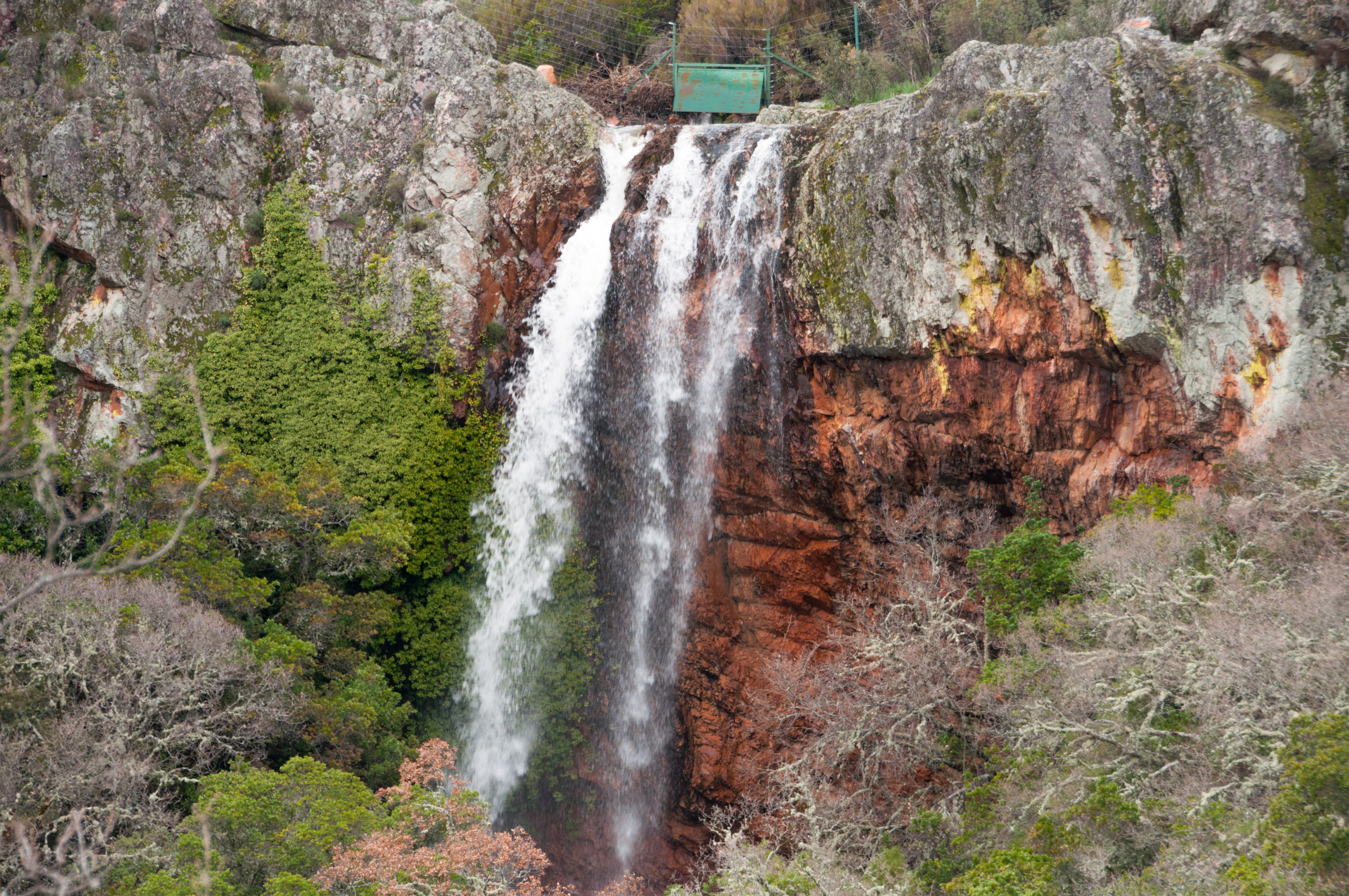
Chorrera de Horcajo – A Hidden Waterfall Gem in Castile‑La Mancha
Discover the serene beauty of the Chorrera de Horcajo waterfall, nestled in the rugged landscape of Navalpino, Spain. Whether you’re a seasoned hiker, a nature photographer, or simply looking for a tranquil escape, this off‑the‑beaten‑path cascade promises an unforgettable experience.
1. Introduction
Imagine stepping off a dusty mountain road into a cool, mist‑filled valley where water tumbles over limestone cliffs, creating a shimmering veil of liquid crystal. This is the magic of Chorrera de Horcajo, a modest yet captivating waterfall tucked away in the heart of Castile‑La Mancha. Far from the crowded tourist hotspots of Madrid or Toledo, the waterfall offers a genuine taste of rural Spain—wild, quiet, and brimming with natural charm. In this guide, we’ll explore everything you need to know to plan the perfect visit, from getting there to the best season for a splash‑filled adventure.
2. About Chorrera de Horcajo
Description
Located at 39.361523 N, ‑4.615109 W, the Chorrera de Horcajo (literally “Horcajo cascade”) is a natural waterfall that pours into a small, emerald‑tinted pool surrounded by pine‑covered slopes and scrubland. While the exact height remains undocumented, the water’s steady flow and the surrounding geology make it a striking focal point for hikers traversing the Sierra de los Órganos range.
History & Significance
The name “Horcajo” derives from the nearby Horcajo de los Montes hamlet, a settlement with roots dating back to the Middle Ages. Historically, the water from the cascade fed local livestock and small irrigation channels, sustaining the agrarian lifestyle that still defines the region. Today, the waterfall is part of a growing network of eco‑tourism sites championed by the Castile‑La Mancha tourism board, encouraging visitors to appreciate the area’s natural heritage while supporting local economies.
Why It Matters
- Biodiversity – The micro‑habitat around the waterfall supports amphibians, dragonflies, and a variety of native plants.
- Cultural Landscape – It reflects centuries of harmonious coexistence between humans and the environment.
- Photography Hotspot – The interplay of light, water, and stone creates dramatic photo opportunities, especially during sunrise and sunset.
3. How to Get There
By Car
The most convenient way to reach Chorrera de Horcajo is by rental car or private vehicle. From Madrid, take the A‑5 highway toward Talavera de la Reina, then follow signs for Navalpino (N‑420). The drive is roughly 200 km (≈2.5 hours).
- Parking: A small, unguarded lot sits at the trailhead near the local road (coordinates above). Space is limited, so arrive early in the morning, especially on weekends.
Public Transport
- Bus: The ALSA line 724 runs from Toledo to Navalpino (check the latest schedule). From the Navalpino bus stop, you’ll need to walk about 1.2 km along a rural path to the trailhead.
- Train: The nearest train station is Ciudad Real, about 70 km away. From there, you’ll need a taxi or a local bus to reach Navalpino.
On‑Foot & Cycling
If you’re an avid cyclist, the N‑420 offers a scenic but challenging route. For hikers, the GR‑101 long‑distance trail passes close to the waterfall, making it an ideal stopover on multi‑day treks across the Sierra de los Órganos.
4. Best Time to Visit
| Season | Conditions | Why Visit |
|---|---|---|
| Spring (Mar‑May) | Moderate temperatures (12‑20 °C), abundant wildflowers, higher water flow from snowmelt. | Ideal for photography and lush scenery. |
| Summer (Jun‑Aug) | Warm days (25‑35 °C), lower water volume. | Good for swimming in the pool, but bring plenty of water and sun protection. |
| Autumn (Sep‑Nov) | Comfortable temps (15‑22 °C), vibrant foliage, occasional rain boosting flow. | Perfect for tranquil walks and fewer crowds. |
| Winter (Dec‑Feb) | Cooler (5‑12 °C), occasional frost; water may be reduced. | For those seeking solitude and dramatic misty mornings. |
Peak recommendation: Late spring (April–May) when the cascade is at its fullest and the surrounding meadows burst with color.
5. What to Expect
The Trail Experience
The hike to Chorrera de Horcajo is a moderate 2‑kilometer round‑trip on a well‑marked dirt path. Expect gentle ascents, occasional rocky steps, and occasional signage in Spanish. The trail winds through maquis shrubland, offering occasional glimpses of holm oak and rockrose.
The Waterfall Itself
Upon arrival, you’ll be greeted by the sound of water striking stone. The cascade forms a natural pool about 2‑3 meters deep—perfect for a quick dip on a hot day. Sunlight filters through the canopy, creating rainbow‑like reflections on the surface.
Wildlife & Plant Life
- Birds: European goldfinch, common kestrel, and occasional griffon vulture soaring overhead.
- Amphibians: The pool is a breeding ground for Iberian green frogs.
- Flora: Aromatic thyme, rosemary, and the occasional cistus shrub add fragrance to the air.
Facilities
There are no built‑in facilities (toilets, cafés) at the site. Pack out all trash, and bring a picnic blanket if you wish to rest by the water. Nearby Navalpino offers a small tavern where you can sample cocido manchego or a glass of local wine after your hike.
6. Nearby Attractions
While Chorrera de Horcajo is the star of the show, the surrounding area boasts several points of interest that can easily fill a half‑day itinerary:
| Attraction | Type | Distance from Waterfall | Link |
|---|---|---|---|
| Embalse de Los Cárpatos | Dam | 3.9 km | View on Map |
| Fuente de la Vega | Fountain | 4.6 km | View on Map |
| Fuente del Río | Fountain | 5.0 km | View on Map |
| Embalse de La Serena | Dam (Extremadura) | 9.4 km | View on Map |
| Embalse de Alarcón | Dam | 10.7 km | View on Map |
Tip: Combine the waterfall visit with a picnic at Embalse de Los Cárpatos, a scenic reservoir surrounded by pine forests, for a full day of water‑side relaxation.
7. Travel Tips
| Tip | Details |
|---|---|
| Wear sturdy shoes | The trail can be slippery near the cascade, especially after rain. |
| Bring a water bottle | No potable water sources on‑site. |
| Pack a light rain jacket | Spring showers are common and add a magical mist to the waterfall. |
| Respect the environment | Stick to the marked path, avoid disturbing wildlife, and take all litter back with you. |
| Check local weather | High winds can make the pool unsafe for swimming. |
| Timing | Arrive early (before 10 am) to avoid the midday heat and enjoy quieter surroundings. |
| Photography | Use a polarizing filter to reduce glare on the water and capture vivid colors. |
| Cash | Small villages like Navalpino may have limited card acceptance; keep some euros on hand. |
| Language | Basic Spanish phrases (e.g., “¿Dónde está la cascada?”) go a long way with locals. |
| Safety | The pool depth is moderate, but never swim alone, especially if you’re unfamiliar with the terrain. |
Final Thoughts
Chorrera de Horcajo may not appear on every travel brochure, but that’s precisely why it feels like a secret treasure for those willing to venture off the main routes. Its gentle roar, crystal‑clear pool, and surrounding Mediterranean landscape embody the quiet allure of Castile‑La Mancha’s hidden natural wonders. Pack your boots, charge your camera, and let the cascade’s whisper guide you to an unforgettable Spanish adventure.
Ready to explore? Share your photos with #HorcajoWaterfall and inspire fellow travelers to discover Spain’s lesser‑known gems!