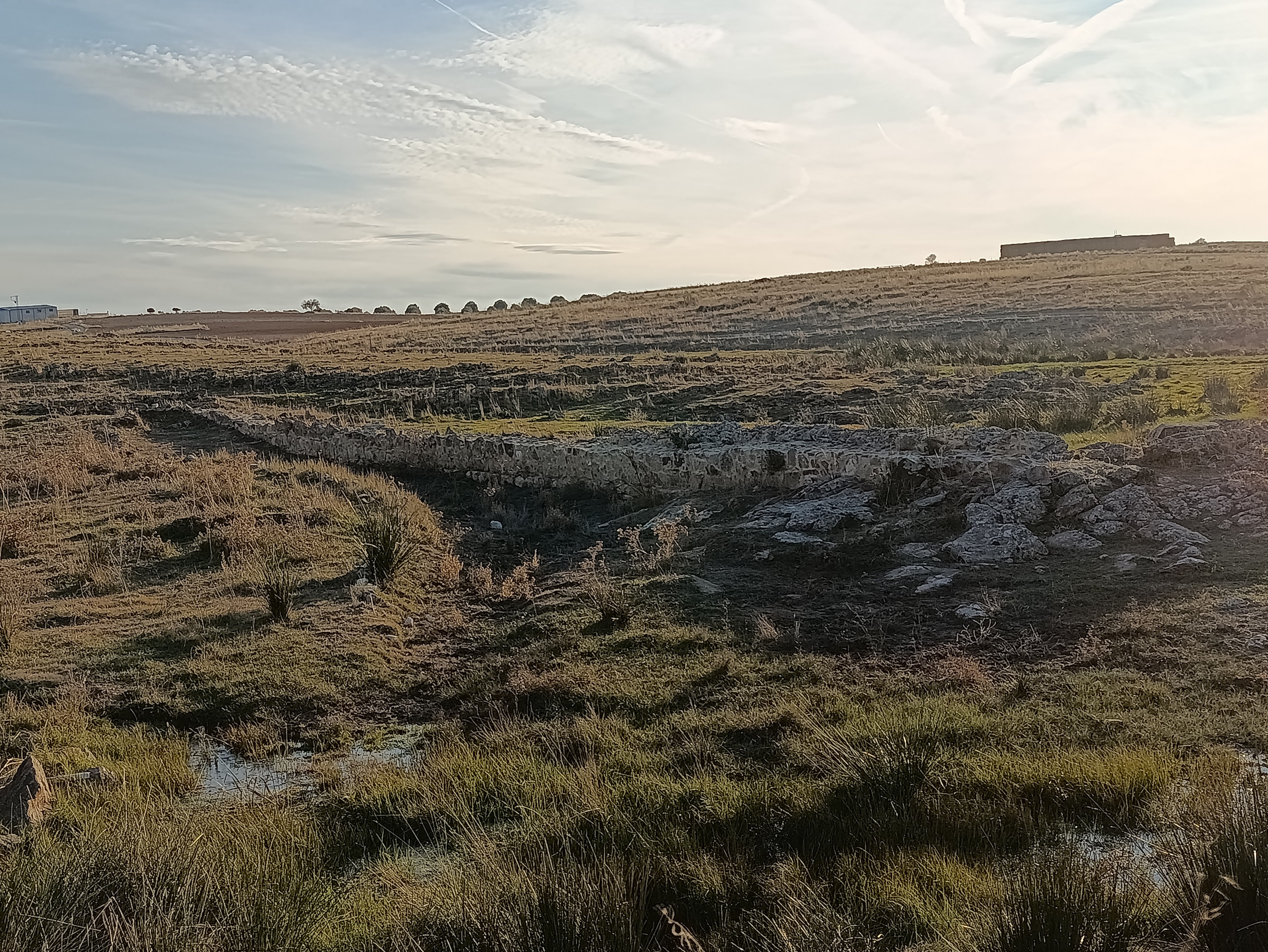
Presa Romana de Moracantá – A Hidden Roman Engineering Marvel in Castile‑La Mancha
Discover the ancient dam that has quietly shaped the landscape of Villaminaya for centuries, and learn how to make the most of your visit to this off‑the‑beaten‑path treasure.
Introduction
Imagine stepping back in time to an era when the Romans were mastering hydraulic engineering across the Iberian Peninsula. Nestled in the rolling hills of Villaminaya, Castile‑La Mancha, the Presa romana de Moracantá (Roman dam of Moracantá) offers exactly that—a glimpse of ancient ingenuity set against a backdrop of pristine nature. While Spain’s Alhambra and Sagrada Família dominate travel itineraries, this modest stone dam remains a quiet sentinel of history, perfect for curious travelers, history buffs, and outdoor enthusiasts alike.
If you’re craving a unique day trip that blends archaeology, scenic walks, and authentic Spanish countryside charm, keep reading. We’ll guide you through everything you need to know—history, how to get there, the best season to visit, nearby attractions, and insider travel tips—so you can experience Moracantá like a local explorer.
About Presa Romana de Moracantá
A Roman Legacy in the Heart of Spain
The Presa romana de Moracantá is a stone dam dating back to the Roman period (approximately 1st–3rd century AD). Constructed to regulate water flow from the surrounding streams, the dam showcases the sophisticated engineering techniques the Romans employed to sustain agriculture and settlements across the arid central plateau of the Iberian Peninsula.
Unlike the massive concrete structures of modern dams, Moracantá’s design relies on carefully cut stone blocks fitted together without mortar—a hallmark of Roman hydraulic works. The dam’s purpose was to create a reliable reservoir for irrigation, supporting local farms and ensuring water availability during dry summers. Its enduring presence testifies to the durability of Roman construction methods and their deep understanding of local geology.
Why It Matters
- Cultural Heritage: As one of the few surviving Roman dams in Spain, Moracantá provides invaluable insight into ancient water management practices.
- Architectural Significance: The dry‑stone technique demonstrates the Romans’ ability to build lasting infrastructure with limited resources.
- Scenic Value: Set amid olive groves and gentle hills, the dam offers a tranquil spot for photography and contemplation.
Although the exact height and altitude of the dam are not documented, its modest scale makes it accessible on foot, allowing visitors to walk along its crest and observe the subtle curvature that once directed water flow.
How to Get There
By Air
- Madrid‑Barajas Adolfo Suárez Airport (MAD) – Spain’s main international hub, about 150 km (≈ 2 h drive) north of Villaminaya.
- Albacete Airport (ABC) – A smaller regional airport with limited domestic flights, roughly 70 km (≈ 1 h 15 min) east of the dam.
From either airport, renting a car is the most convenient way to reach Moracantá, as public transport options are limited in this rural area.
By Train
- Renfe AVE/Alvia services connect Madrid Atocha to Albacete‑Los Llanos station. From Albacete, you can catch a regional train to Villaminaya (check the latest Renfe schedules, as service frequency varies).
By Bus
- ALSA operates intercity buses from Madrid and Albacete to the nearby town of Almodóvar del Campo. From there, local “líneas rurales” (rural buses) run a few times daily to Villaminaya.
By Car
- From Madrid: Take the A‑30 highway south toward Albacete, then exit onto the CM‑3200 toward Villaminaya.
- From Albacete: Follow the CM‑3200 eastward; signs for Villaminaya appear after passing the small village of Madrigalejo.
Parking: A small, free municipal lot sits just outside the dam’s entrance, providing ample space for cars and bicycles.
Best Time to Visit
| Season | Weather | Visitor Experience |
|---|---|---|
| Spring (Mar‑May) | Mild temperatures (15‑22 °C), occasional rain | Ideal for photography; wildflowers bloom around the reservoir. |
| Summer (Jun‑Aug) | Hot and dry (28‑35 °C) | Early mornings are pleasant; later in the day, seek shade near the olive groves. |
| Autumn (Sep‑Nov) | Comfortable (18‑25 °C), golden foliage | Perfect for leisurely walks and birdwatching. |
| Winter (Dec‑Feb) | Cool, occasional frost (5‑12 °C) | Fewer tourists; the dam takes on a serene, almost mystical atmosphere. |
Top Recommendation: Visit in late spring (April‑May) when the landscape is lush, temperatures are comfortable, and daylight hours are generous—ideal for exploring both the dam and its surrounding springs.
What to Expect
The Visitor Experience
- First Glance: As you approach the coordinates 39.734108, -3.878210, the stone dam emerges from a gentle valley, its weathered blocks hinting at centuries of history.
- Walking the Structure: A short, well‑maintained path leads you to the dam’s crest. You can walk along the top, feeling the subtle rise and fall of the ancient masonry.
- Panoramic Views: From the dam, you’ll enjoy sweeping vistas of the Villaminaya countryside—olive orchards, wheat fields, and distant hills dotted with traditional whitewashed farmhouses.
- Quiet Spot for Reflection: The area is rarely crowded, making it perfect for picnics, sketching, or simply listening to the gentle murmur of water that still collects in the reservoir after seasonal rains.
Accessibility
The site is wheelchair‑friendly on the main path, though the stone surface can be uneven in places. Comfortable walking shoes are recommended, especially if you plan to explore nearby trails that lead to the surrounding springs.
Nearby Attractions
While the Presa romana de Moracantá is the star, the surrounding region offers several natural gems worth a short detour. All are within a 10 km radius, making them perfect for a relaxed day of exploration.
| Attraction | Distance from Dam | Highlights |
|---|---|---|
| Fuente Recén (spring) | 0.9 km | A crystal‑clear spring nestled in a small pine grove—ideal for a quick photo stop. |
| Fuente del Moro (spring) | 4.5 km | Known for its tranquil pool and shaded benches; a pleasant spot for a picnic. |
| Unnamed Fountain | 5.8 km | A historic stone fountain that once served the local hamlet; great for history lovers. |
| Fuente Ramiro (spring) | 7.0 km | Surrounded by wild rosemary, this spring offers a fragrant backdrop for nature walks. |
| Unnamed Dam | 7.3 km | A modern counterpart to Moracantá, showcasing how water management has evolved in the region. |
Tip: Bring a reusable water bottle—many of these springs are safe for refilling, and you’ll stay hydrated while trekking the countryside.
Travel Tips
- Timing is Everything – Arrive early (around 9 am) during peak summer months to avoid the midday heat and enjoy the soft morning light for photos.
- Pack Light, Pack Smart – A small daypack with sunscreen, a hat, a water bottle, and a light jacket (even in summer, evenings can be cool) will keep you comfortable.
- Respect the Heritage – The dam is an archaeological site; avoid climbing on loose stones and stay on designated paths to preserve the structure.
- Local Cuisine – After your visit, stop in Villaminaya’s central tavern for gazpacho manchego and a glass of Manzanilla. The town’s weekly market (Sundays) offers fresh olives, cheese, and handmade ceramics.
- Language – While Spanish is the primary language, most locals in tourist spots understand basic English. Learning a few phrases like “¡Hola!” and “Gracias” goes a long way.
- Connectivity – Mobile coverage can be spotty; download offline maps (Google Maps or MAPS.ME) before you set out.
- Safety – The area is safe, but always lock your vehicle and keep valuables out of sight. If you plan to hike to the more remote springs, let someone know your route and expected return time.
Wrap‑Up
The Presa romana de Moracantá may not have the fame of Spain’s grand cathedrals, but its quiet strength and ancient charm make it a rewarding destination for travelers seeking authentic, off‑the‑grid experiences. From its Roman stonework to the surrounding springs that whisper stories of centuries past, this dam invites you to slow down, breathe in the Castile‑La Mancha air, and connect with a piece of history that still shapes the landscape today.
Pack your sense of adventure, follow the coordinates, and let the timeless flow of Moracantá guide you through one of Spain’s most understated yet captivating cultural treasures. Safe travels!
Keywords: Presa romana de Moracantá, Roman dam Spain, Castile-La Mancha attractions, Villaminaya travel, historic dam, ancient Roman engineering, things to do near Moracanta, best time to visit Castile-La Mancha, Roman hydraulic structures.