Presa Romana de Alcantarilla – A Hidden Roman Engineering Marvel in Castile‑La Mancha
If you think Spain’s allure is limited to flamenco, tapas, and sun‑kissed beaches, think again. Tucked away in the quiet hills of Mazarambroz, the Presa Romana de Alcantarilla offers a glimpse into ancient engineering, serene landscapes, and off‑the‑beaten‑path adventure.
1. Introduction
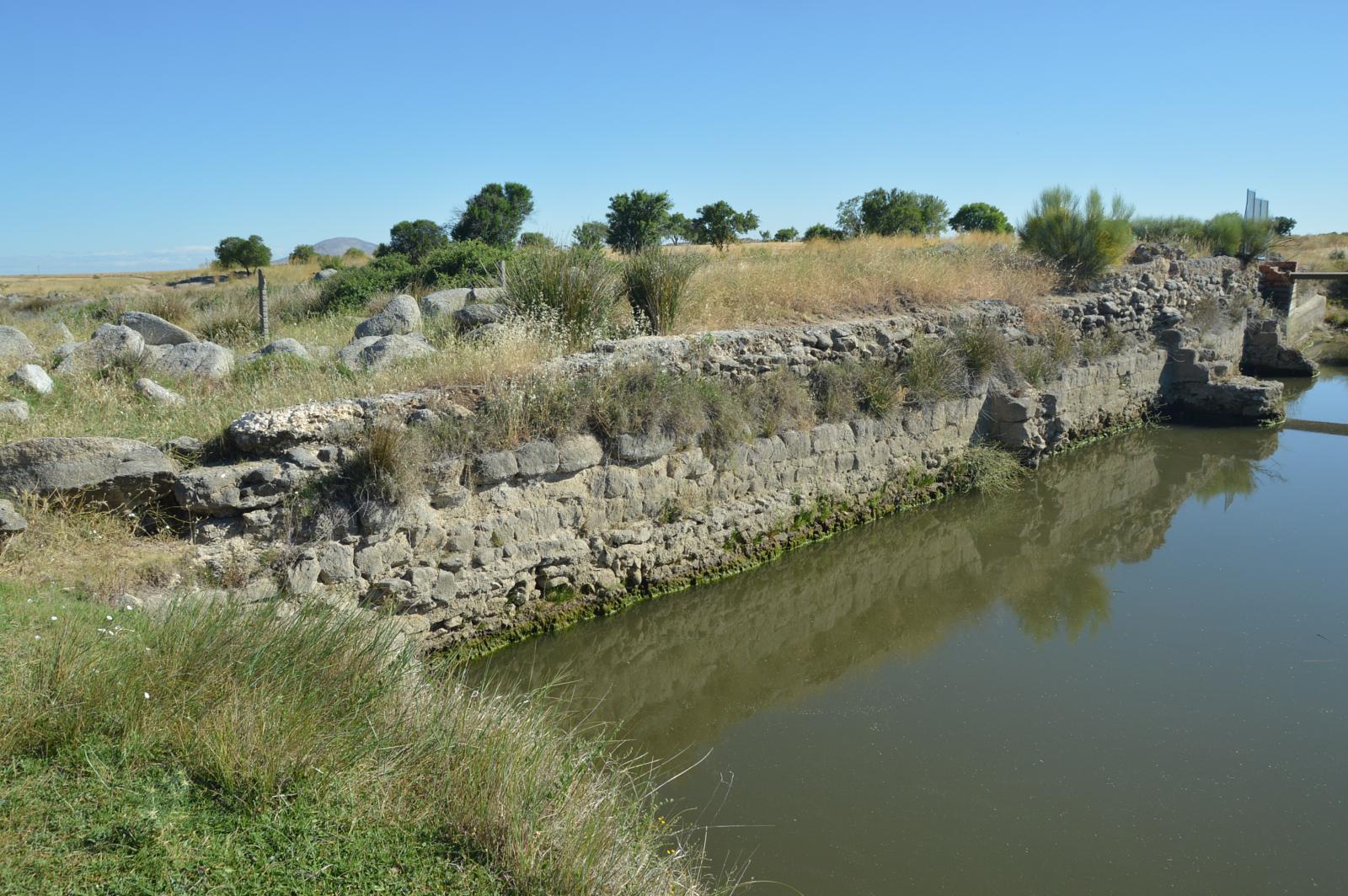
Imagine standing beside a stone‑crowned wall that has held back water for nearly two millennia. The Presa Romana de Alcantarilla—a Roman dam perched at 39.660218 N, ‑4.059281 W—does exactly that. While the dam’s exact height and altitude remain a mystery, its presence is unmistakable: a rugged, low‑lying barrier that once fed the surrounding valleys with life‑giving water. For history lovers, nature enthusiasts, and curious travelers alike, this modest yet powerful structure is a must‑see stop on any Castile‑La Mancha itinerary.
2. About Presa Romana de Alcantarilla
A Brief History
Built during the Roman occupation of the Iberian Peninsula (roughly the 1st–2nd century AD), the Presa Romana de Alcantarilla is part of a network of hydraulic works that the Romans used to irrigate farms, supply towns, and control floods. Though detailed records are scarce, archaeological surveys confirm that the dam’s masonry follows typical Roman construction techniques—large stone blocks fitted together without mortar, a testament to the engineering precision that allowed the empire to thrive.
Why It Matters
- Cultural heritage – The dam is a rare surviving example of Roman water‑management infrastructure on the Iberian Peninsula, offering scholars and visitors a tangible link to ancient daily life.
- Landscape shaping – By regulating the flow of water, the dam helped create the fertile valleys that still support agriculture in the Mazarambroz area today.
- Quiet contemplation – Unlike crowded tourist hotspots, the Presa Romana de Alcantarilla provides a peaceful setting for reflection, photography, and bird‑watching.
For a deeper dive into the dam’s background, check the Spanish‑language Wikipedia entry: Presa romana de Alcantarilla.
3. How to Get There
By Car
The most convenient way to reach the dam is by rental car or private vehicle. From Toledo, the capital of Castile‑La Mancha (about 30 km north‑west), follow these steps:
- Take the N‑401 south toward Mazarambroz.
- Exit at the Mazarambroz round‑about and follow local signs for “Alcantarilla” or “Presa Romana.”
- Turn onto a gravel road that leads directly to the dam site; the journey takes roughly 35 minutes total.
Parking is available in a small lot near the dam, but spaces are limited—arrive early in the morning for the best chance of a spot.
By Public Transport
- Bus – The Línea 202 regional bus runs between Toledo and Mazarambroz several times a day. Disembark at the Mazarambroz stop and either walk (≈ 2 km, moderate terrain) or catch a short local taxi ride to the dam.
- Train – The nearest train station is Talavera de la Reina, about 45 km away. From there, a combination of bus and taxi is required.
By Bicycle or Hiking
For the adventurous, the surrounding countryside offers marked cycling routes and hiking trails. The Camino del Agua trail connects several historic water sites, including the dam, and is suitable for experienced cyclists looking for a scenic ride.
4. Best Time to Visit
| Season | Weather | Visitor Experience |
|---|---|---|
| Spring (March‑May) | Mild temperatures (15‑22 °C), occasional rain | Ideal for blooming wildflowers, comfortable walking, and vibrant birdlife. |
| Summer (June‑August) | Warm to hot (25‑35 °C), dry | Early morning or late afternoon visits avoid the heat; perfect for photography with golden light. |
| Autumn (September‑November) | Pleasant (18‑24 °C), crisp evenings | Harvest season adds a rustic charm; fewer tourists, making it a tranquil time. |
| Winter (December‑February) | Cool (8‑12 °C), occasional frost | The dam takes on a serene, mist‑filled atmosphere; good for introspective walks, though some paths may be slick. |
Recommendation: The sweet spot is late spring (April‑May) or early autumn (September) when the weather is comfortable and the landscape is at its most colorful.
5. What to Expect
The Site Itself
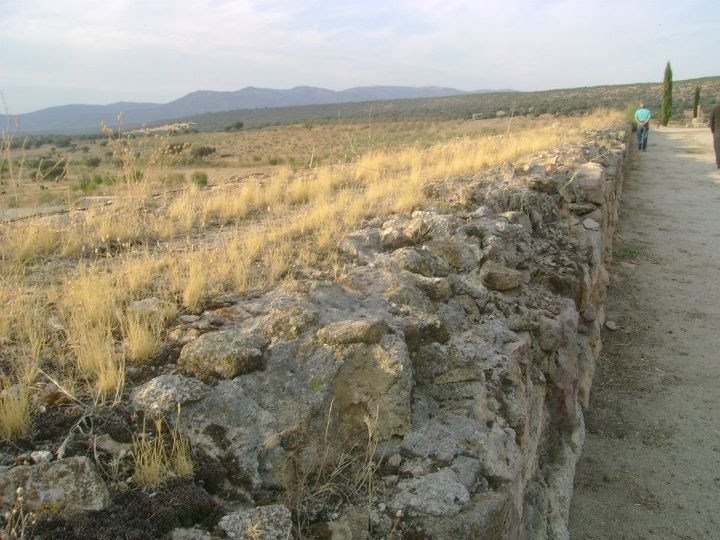
- Stonework – Rough, weathered blocks form a low wall that stretches across a narrow valley. You’ll notice the characteristic Roman “opus quadratum” technique—large, squared stones placed with precision.
- Water – Depending on the season, a shallow pool or modest stream may flow behind the dam. In wetter months, the water level rises, creating reflective surfaces perfect for photos.
- Views – From the dam’s edge, you can see rolling hills dotted with olive groves, vineyards, and the occasional windmill—a classic Castile‑La Mancha tableau.
Activities
- Photography – Capture sunrise light hitting the stonework or the mist that rises from the water in early mornings.
- Birdwatching – The surrounding scrubland attracts species like the European Bee-eater, Rufous‑winged Buzzard, and various waders. Bring binoculars!
- Picnicking – A small, shaded area near the dam makes for a quiet lunch spot; just remember to pack out all waste.
Facilities
The site is relatively undeveloped: there are no cafés, restrooms, or souvenir shops on‑site. Nearby Mazarambroz offers basic amenities, so plan accordingly.
6. Nearby Attractions
Exploring the region around the Presa Romana de Alcantarilla opens up a string of natural and historic gems, all within a short drive.
| Attraction | Distance | Highlights | Link |
|---|---|---|---|
| Fuente de la Zarzuela (spring) | 1.8 km | Crystal‑clear spring water, shaded picnic area | Fuente de la Zarzuela |
| Fuente de la Hontanilla (spring) | 4.3 km | Rustic stone basin, popular with locals for fresh water | Fuente de la Hontanilla |
| Presa Romana de Valhermoso (dam) | 6.0 km | Another Roman‑era dam, offering comparative study of ancient engineering | Presa Romana de Valhermoso |
| Fuente de Mosquitillas (spring) | 6.6 km | Small waterfall, ideal for a quick nature break | Fuente de Mosquitillas |
| Unnamed Fountain | 7.4 km | Charming rural fountain surrounded by olive trees | Fountain |
Tip: Combine a visit to the Alcantarilla dam with a “Water Heritage Loop”—start at the dam, head to the nearby springs, and finish at Valhermoso dam for a full day of historic waterworks exploration.
7. Travel Tips
| Tip | Details |
|---|---|
| Bring sturdy footwear | The paths around the dam can be uneven, rocky, and occasionally slippery after rain. |
| Carry water & snacks | No food vendors are on site; a reusable water bottle and packed lunch will keep you energized. |
| Check opening hours | The dam is open year‑round, but some nearby trails may be closed for maintenance in winter. |
| Respect the heritage | Do not climb on the stone walls or remove any artifacts. Preserve the site for future visitors. |
| Photography etiquette | Use a tripod only if the area is empty; avoid obstructing other visitors. |
| Local language | While many locals speak basic English, learning a few Spanish phrases (e.g., “¿Dónde está la fuente?”) enhances the experience. |
| Currency | Spain uses the Euro (€). Small cash amounts are useful for rural cafés. |
| Safety | Mobile reception can be spotty; consider a physical map or offline GPS app. |
Final Thought
The Presa Romana de Alcantarilla may not boast towering heights or luxurious resorts, but its quiet dignity, ancient origins, and surrounding natural beauty make it a standout destination for the thoughtful traveler. Whether you’re tracing the footsteps of Roman engineers, snapping sunrise over stone walls, or simply enjoying a moment of peace in the Castilian countryside, this hidden dam invites you to pause, explore, and connect with Spain’s layered past.
Pack your camera, fuel up the car, and let the road to Mazarambroz lead you to a piece of history that still whispers across the hills.