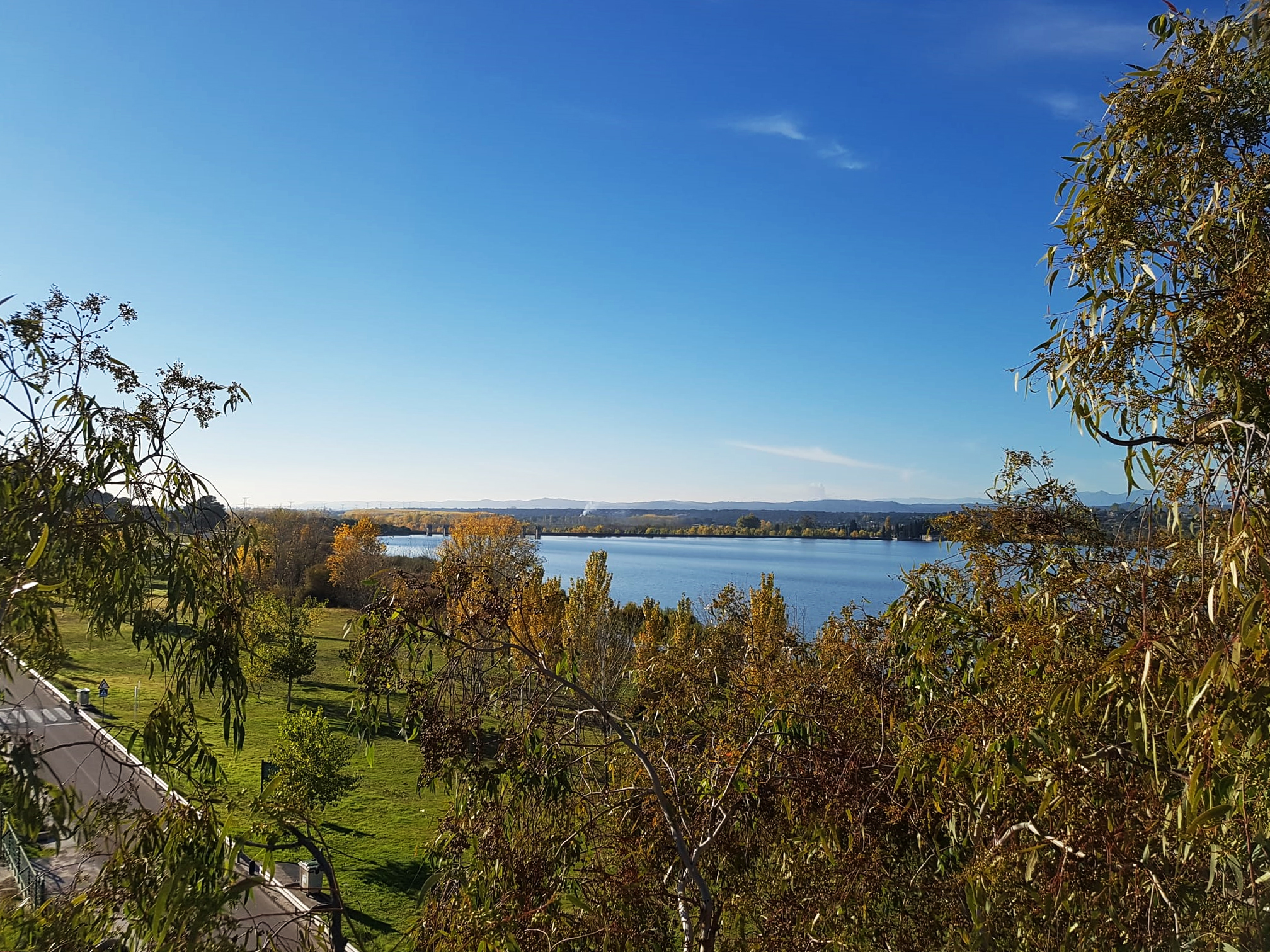
Presa de Cazalegas – A Hidden Gem in Castile‑La Mancha, Spain
Discover the tranquil beauty of one of Spain’s lesser‑known dams, the perfect spot for nature lovers, photographers, and off‑the‑beaten‑path travelers.
1. Introduction
If you think Spain is only about sun‑kissed beaches, bustling cities, and historic cathedrals, think again. Nestled in the rolling plains of Castile‑La Mancha, the Presa de Cazalegas (Cazalegas Dam) offers a peaceful escape where water meets sky, and the whisper of the wind over the reservoir creates a meditative soundtrack. Whether you’re a road‑trip enthusiast cruising through central Spain, a bird‑watcher chasing seasonal migrations, or simply looking for a scenic picnic spot away from the crowds, this modest dam delivers an authentic slice of Spanish countryside charm.
2. About Presa de Cazalegas
Location & Basic Facts
- Name: Presa de Cazalegas
- Type: Dam 🏗️
- Municipality: Cazalegas, Castile‑La Mancha, Spain
- Coordinates: 40.015509 N, ‑4.707284 W
The dam sits in the province of Toledo, a region famous for its windmills, medieval towns, and vast agricultural landscapes. While official sources do not list the exact height or altitude of the structure, the reservoir’s surface stretches across a gentle basin that mirrors the surrounding plains, creating a striking visual contrast that is especially photogenic at sunrise and sunset.
Historical Context
The Embalse de Cazalegas (Spanish for “Cazalegas Reservoir”) was built primarily to support irrigation and water management for the fertile fields of the Tagus River watershed. Like many dams in Castile‑La Mancha, its construction helped modernize local agriculture, providing a reliable water source during the region’s hot, dry summers. Over the decades, the reservoir has also become an informal recreation area for nearby villages, offering fishing spots, walking trails, and a quiet place to enjoy the landscape.
Why It Matters
Beyond its utilitarian purpose, Presa de Cazalegas represents the harmonious balance between human engineering and natural beauty that characterizes much of central Spain. The dam’s modest scale makes it accessible on foot or by bike, and its relatively low traffic means you can experience a genuine slice of rural life without the tourist bustle found at larger attractions.
3. How to Get There
By Car
The most convenient way to reach Presa de Cazalegas is by car. From Madrid, take the A‑42 highway south toward Toledo, then follow the N‑401 road to the town of Cazalegas. The dam is located just a few minutes outside the village center—look for signage pointing to the “Embalse”. Parking is available in a small lot near the main access road, with space for both cars and motorcycles.
By Public Transport
- Train: The nearest Renfe station is in Toledo (approximately 45 km away). From there, regional buses head toward Cazalegas.
- Bus: The CTM (Consorcio de Transportes de Madrid) and Línea 416 routes connect Toledo with Cazalegas several times a day. Check the latest timetables online, as service frequency can vary seasonally.
Once you arrive in Cazalegas, the dam is within walking distance (about 10‑15 minutes) from the town square.
By Bike or Hiking
For the adventurous, the surrounding countryside offers well‑marked rural lanes (veredas) that are perfect for cycling. The flat terrain and scenic vistas make for a pleasant ride, especially in the cooler months of spring and autumn.
4. Best Time to Visit
| Season | Weather | What to Expect |
|---|---|---|
| Spring (Mar‑May) | Mild temperatures (15‑22 °C), occasional rain | Blooming wildflowers, vibrant green water, ideal for photography and birdwatching. |
| Summer (Jun‑Aug) | Hot (30 °C+), dry | Warm water perfect for a quick dip, but expect more sun; bring plenty of water and sunscreen. |
| Autumn (Sep‑Nov) | Pleasant (18‑25 °C), golden light | Calm waters, fewer visitors, stunning sunset reflections—great for picnics. |
| Winter (Dec‑Feb) | Cool (5‑12 °C), occasional frost | Quiet atmosphere, occasional mist over the reservoir; perfect for contemplative walks. |
Overall, late spring and early autumn provide the most comfortable climate and the richest natural colors, making them the optimal windows for a visit.
5. What to Expect
Scenic Views
The reservoir’s surface acts like a giant mirror, reflecting the expansive sky and the low‑lying hills of Castile‑La Mancha. Early mornings often bring a soft mist that lifts as the sun climbs, revealing a crisp, turquoise‑tinged water body framed by sparse vegetation and distant windmills.
Activities
- Walking & Hiking: A short, flat trail circles the dam, offering multiple viewpoints and benches for rest.
- Fishing: Local anglers frequent the reservoir for carp, trout, and barbel. If you plan to fish, bring a valid Spanish fishing license.
- Birdwatching: The area attracts mallards, coots, and seasonal migratory birds such as flamingos and waders that stop over during their journeys along the Tagus corridor.
- Picnicking: Picnic tables are scattered near the water’s edge. Pack a traditional tapas spread—cheeses, olives, and a bottle of Manzanilla—to enjoy the tranquil setting.
Facilities
Facilities are modest but sufficient: a small information kiosk, a public restroom, and a parking area. There are no commercial restaurants directly at the dam, so consider bringing a packed lunch or head back to Cazalegas for a bite at one of the local taverns.
6. Nearby Attractions
While the Presa de Cazalegas is the star of the day, the surrounding region offers several charming spots worth a short detour:
| Attraction | Distance | What to See |
|---|---|---|
| Weir (presas) | 0.3 km | A small hydraulic structure that showcases traditional water‑management techniques. |
| Second Dam | 0.3 km | Another modest dam nearby, ideal for comparative photography. |
| Fuente del Corchito (Spring) | 1.6 km | A natural spring with crystal‑clear water; a perfect spot for a quick refresh. |
| Local Fountain | 2.6 km | A historic stone fountain in a nearby hamlet, often used by locals for fresh water. |
| Additional Dam | 4.2 km | A larger reservoir offering broader vistas and more extensive walking paths. |
Tip: Most of these sites are reachable on foot or by bike from the main dam, allowing you to craft a relaxed half‑day itinerary that mixes water‑related sights with cultural touches.
7. Travel Tips
- Bring Cash: Small villages like Cazalegas often prefer cash for local eateries and market stalls.
- Dress in Layers: Weather can shift quickly, especially near the water; a light jacket is advisable even in summer evenings.
- Stay Hydrated: Even on cooler days, the dry Castilian air can dehydrate you faster than you expect.
- Respect the Environment: The reservoir is a functional water source; avoid littering and follow any posted signage regarding swimming or fishing zones.
- Timing for Photos: The golden hour (30 minutes after sunrise or before sunset) yields the most dramatic reflections on the water.
- Parking: The lot fills up quickly on weekends during peak season; arrive early or consider parking in Cazalegas and walking.
- Language: While Spanish is the primary language, most locals understand basic English; a friendly “¡Hola!” goes a long way.
- Connectivity: Mobile signal can be spotty near the dam; download offline maps and any needed information beforehand.
8. Wrap‑Up
The Presa de Cazalegas may not have the fame of Spain’s coastal beaches or towering cathedrals, but it offers a genuine, unfiltered glimpse into the heart of Castile‑La Mancha. Its calm waters, surrounding plains, and nearby rustic attractions create a serene backdrop for anyone seeking a slower pace, a photographic haven, or simply a quiet spot to unwind.
So next time you plot a road‑trip through central Spain, add a stop at Presa de Cazalegas to your itinerary—you’ll leave with fresh memories, stunning photos, and a deeper appreciation for the subtle beauty that lies off the usual tourist trail.
Happy travels, and may the winds of La Mancha guide you to new horizons!