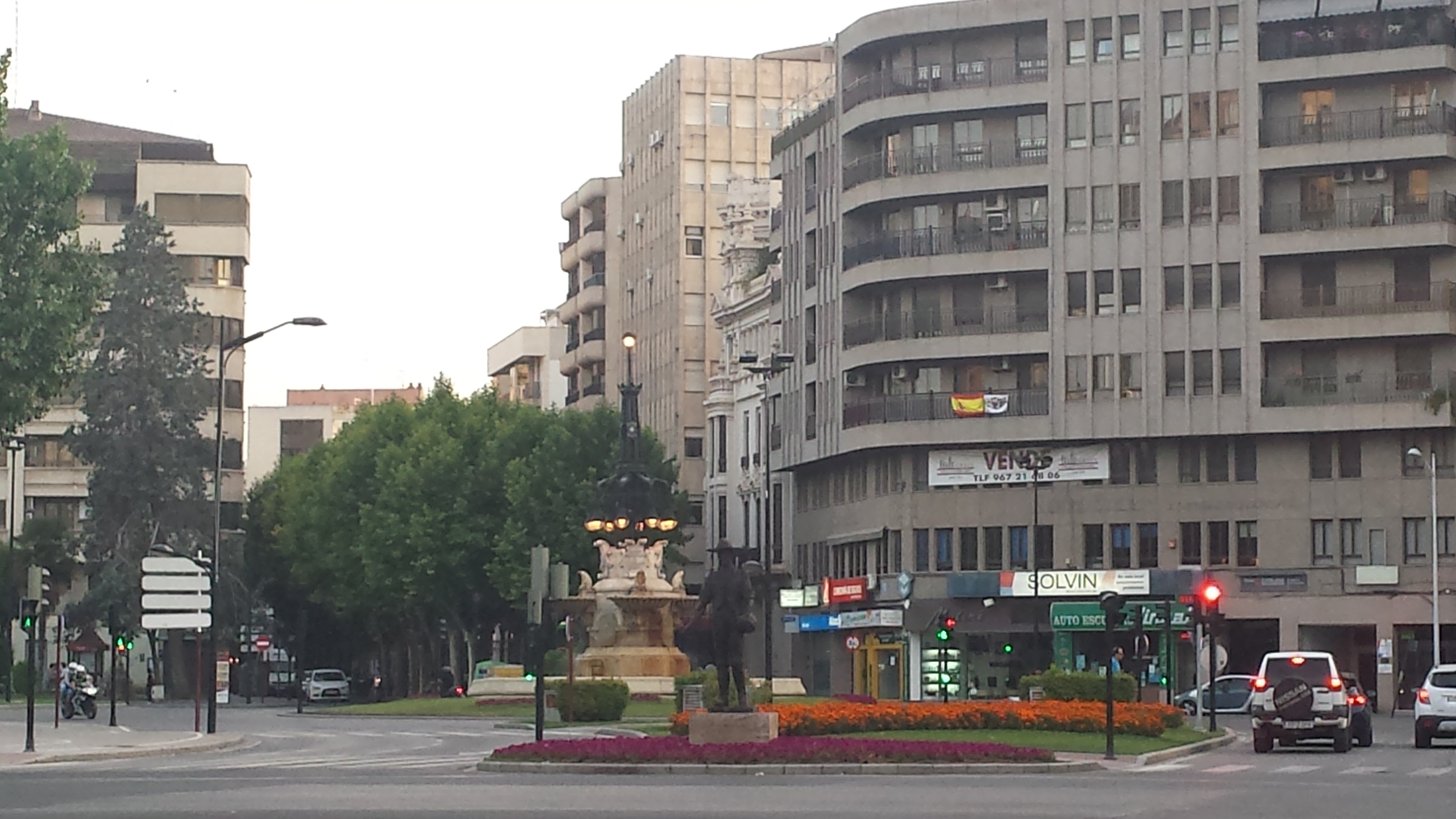
Fuente De Las Ranas – Albacete’s Charming Frog Fountain
Discover the hidden gem of Castile‑La Mancha, a whimsical water feature that tells a story of civic pride, art, and the everyday life of Albacete.
1. Introduction
If you’re wandering through the sun‑kissed streets of Albacete, the first thing that might catch your eye is a cluster of playful frogs perched on a stone basin, their mouths spouting crystal‑clear water. This is Fuente De Las Ranas, the city’s beloved fountain that has become an unofficial meeting point for locals and a must‑see stop for curious travelers. While it may not boast the towering height of Barcelona’s Magic Fountain, its charm lies in the intimate scale, the historic dedication to a beloved citizen, and the way it anchors the modern Plaza de Gabriel Lodares. In this guide we’ll dive into the fountain’s past, how to reach it, the best moments to experience it, and what else you can explore nearby.
2. About Fuente De Las Ranas
A tribute to Dionisio Guardiola
Built in memory of Dionisio Guardiola, a figure respected in early‑20th‑century Albacete, the fountain was inaugurated in 1916. At that time it occupied the centre of what was then the bustling Plaza de Gabriel Lodares. The design reflects the popular “frog” motif that was common in Spanish municipal fountains of the era—symbolising fertility, abundance, and the playful spirit of public water sources.
A journey through the city
For more than 90 years the fountain stood at its original spot, witnessing the evolution of Albacete from a modest provincial town into a vibrant regional hub. In 2007, city planners decided to relocate the monument to a new, more accessible location within the same plaza. The move preserved the original stonework and sculpted frogs while giving the fountain a fresh backdrop of modern paving and nearby cafés.
Why it matters
Beyond its decorative appeal, Fuente De Las Ranas serves as a cultural landmark. It reminds visitors that Albacete values its history, even as it embraces contemporary life. The fountain also functions as a social node—students gather after class, seniors enjoy a cool breeze, and photographers capture the glistening water against the city’s sky. Its presence underscores the importance of public art in fostering community identity in Castile‑La Mancha.
3. How to Get There
| Mode of transport | Directions | Approx. Time |
|---|---|---|
| By car | From the A‑31 highway, take the exit for Albacete‑Centro and follow signs to Plaza de Gabriel Lodares. Parking is available in the municipal underground lot (P2) just a few minutes’ walk away. | 10‑15 min from city centre |
| By bus | Urban bus lines L1, L2, and L5 stop at “Plaza de Gabriel Lodares”. Check the latest schedule on the EMT Albacete website. | 5‑10 min from the main bus station |
| On foot | If you’re staying in the historic centre (e.g., near Catedral de San Juan), the fountain is a pleasant 10‑minute stroll north along Calle de la Paz. | 10 min |
| By bike | Albacete’s bike‑share system (Bikeshare Albacete) has docking stations at Plaza Mayor and Parque Abelardo Sánchez. Ride the dedicated bike lanes to the plaza and lock up near the fountain. | 5‑7 min |
Coordinates: 38.996915, -1.852252 – plug these into any GPS app for pinpoint accuracy.
4. Best Time to Visit
| Season | Why it shines |
|---|---|
| Spring (March‑May) | Mild temperatures (15‑22 °C) make the water’s mist feel refreshing. The surrounding gardens begin to bloom, providing a colourful backdrop for photos. |
| Summer (June‑August) | Long daylight hours let you enjoy the fountain’s sparkle well into the evening. Evening “paseo” (stroll) culture means the plaza buzzes with street musicians and locals sipping chilled tinto de verano. |
| Autumn (September‑November) | Cooler evenings and golden light create a romantic ambience. The nearby Parque Abelardo Sánchez displays vivid foliage, perfect for a post‑visit walk. |
| Winter (December‑February) | While cooler (8‑12 °C), the fountain is less crowded, allowing quiet contemplation. If you visit on a sunny day, the contrast of warm sunlight on the stone is striking. |
Tip: The fountain’s water flow is continuous year‑round, but the city sometimes reduces the jets for maintenance in late winter. Check the local tourism office or the city’s website for any temporary closures.
5. What to Expect
Arriving at Fuente De Las Ranas, you’ll first notice the gentle sound of water cascading over the stone basin—a soothing soundtrack that instantly relaxes visitors. The frogs, each about 30 cm tall, sit on lily‑pad‑like pedestals, their mouths forming tiny arches that send water into the pool below. The design is simple yet elegant, allowing the movement of water to become the star.
During peak hours (late afternoon to early evening), the plaza fills with a mix of locals and tourists. You’ll see:
- Street performers—guitarists, flamenco dancers, and occasional magicians.
- Café terraces spilling onto the square, where you can sip a café con leche while watching the fountain’s rhythm.
- Family picnics on the nearby grass, especially on weekends.
The atmosphere is relaxed but lively, embodying the Spanish concept of “vida lenta” (slow life). Photographers love the way the sunlight refracts through the water, creating rainbow‑like glints on the stone. If you’re lucky, a local will share the story of Dionisio Guardiola, adding a personal touch to your visit.
6. Nearby Attractions
While you’re in the area, make the most of the compact historic centre of Albacete. All the following spots are within a short walk (≤ 0.3 km) of the fountain:
| Attraction | Distance | Quick note |
|---|---|---|
| Fuente del Niño de la Oca (fountain) | 0.1 km | Another charming fountain featuring a small boy with a goose; perfect for a quick photo‑stop. |
| Plaza Mayor | 0.3 km | The city’s main square, lined with cafés, the Casa de la Cultura, and occasional market stalls. |
| Catedral de San Juan Bautista | 0.3 km | The neo‑Gothic cathedral with impressive stained glass and a peaceful cloister. |
| Museo Provincial de Albacete | 0.3 km | Housed in a former convent, it showcases regional art, archaeology, and ceramics. |
| Parque Abelardo Sánchez | 0.3 km | A lush green space ideal for a leisurely walk after admiring the fountains. |
All links lead to the respective Wikipedia or official tourism pages (insert URLs as needed).
7. Travel Tips
- Bring comfortable shoes. The historic centre’s cobblestones are beautiful but uneven.
- Stay hydrated. Even in spring, Albacete’s inland climate can feel warm under the sun.
- Check the local calendar. The plaza often hosts festivals (e.g., Feria de Albacete in September). Visiting during a celebration adds extra vibrancy.
- Respect the water. The fountain is a protected monument; avoid climbing on the stonework or feeding the water to keep it clean.
- Capture the frogs early. Morning light reduces shadows and crowds, giving you a clean shot of the iconic frogs.
- Try the local snack. Near the fountain you’ll find kiosks selling tapas de jamón and empanadillas, perfect for a quick bite.
- Use public transport if possible. Parking in the city centre can be limited; the bus and bike‑share networks are efficient and environmentally friendly.
Final Thoughts
Fuente De Las Ranas may be modest in size, but it packs a rich blend of history, community spirit, and visual delight. Whether you’re a history buff tracing Albacete’s early 20th‑century milestones, a photographer hunting that perfect water‑drop shot, or simply a traveler craving an authentic slice of Spanish daily life, the fountain offers a memorable pause in the heart of Castile‑La Mancha.
Plan your visit, wander the nearby streets, and let the gentle splash of the frogs remind you that sometimes the most enchanting experiences are found in the smallest of places. Safe travels!