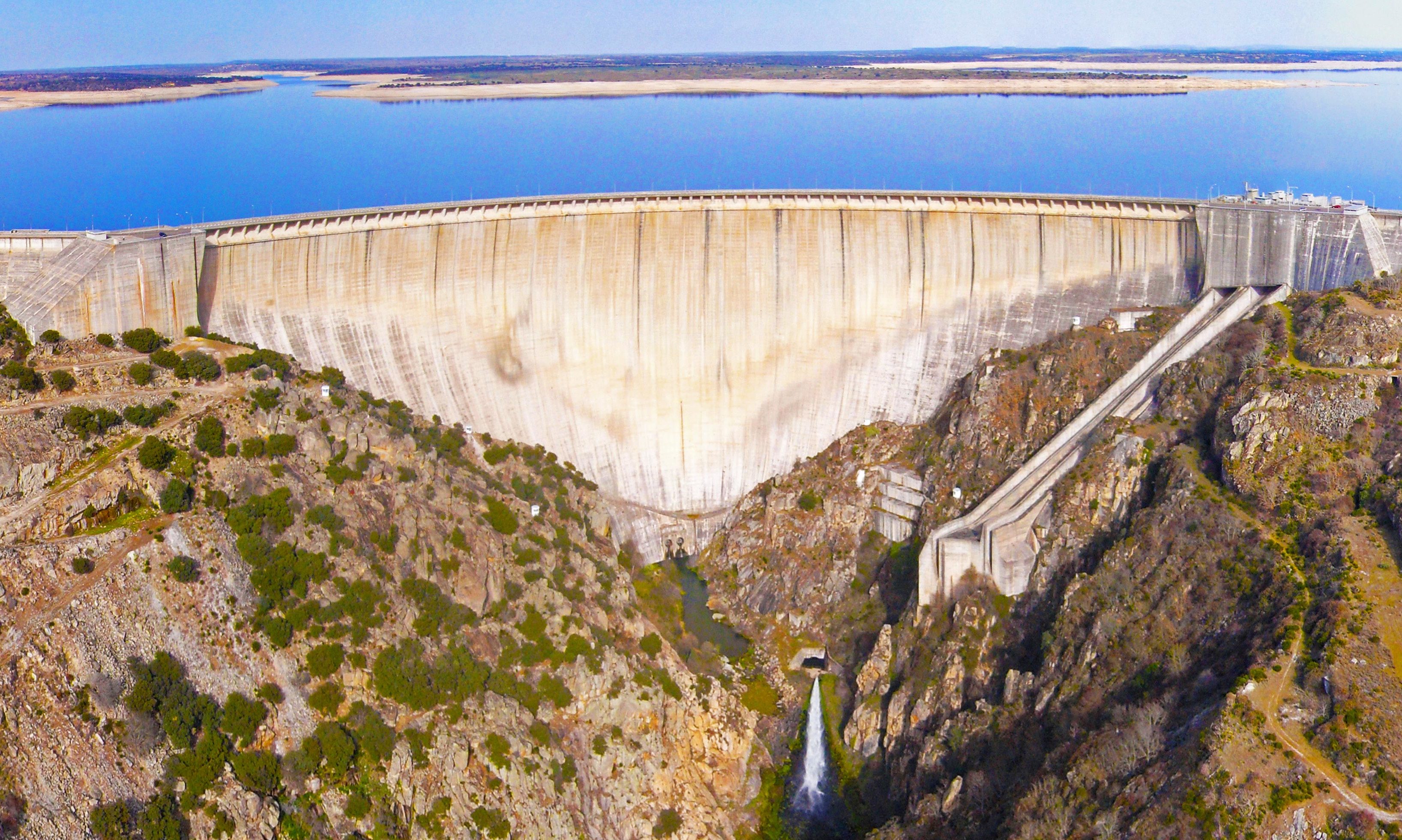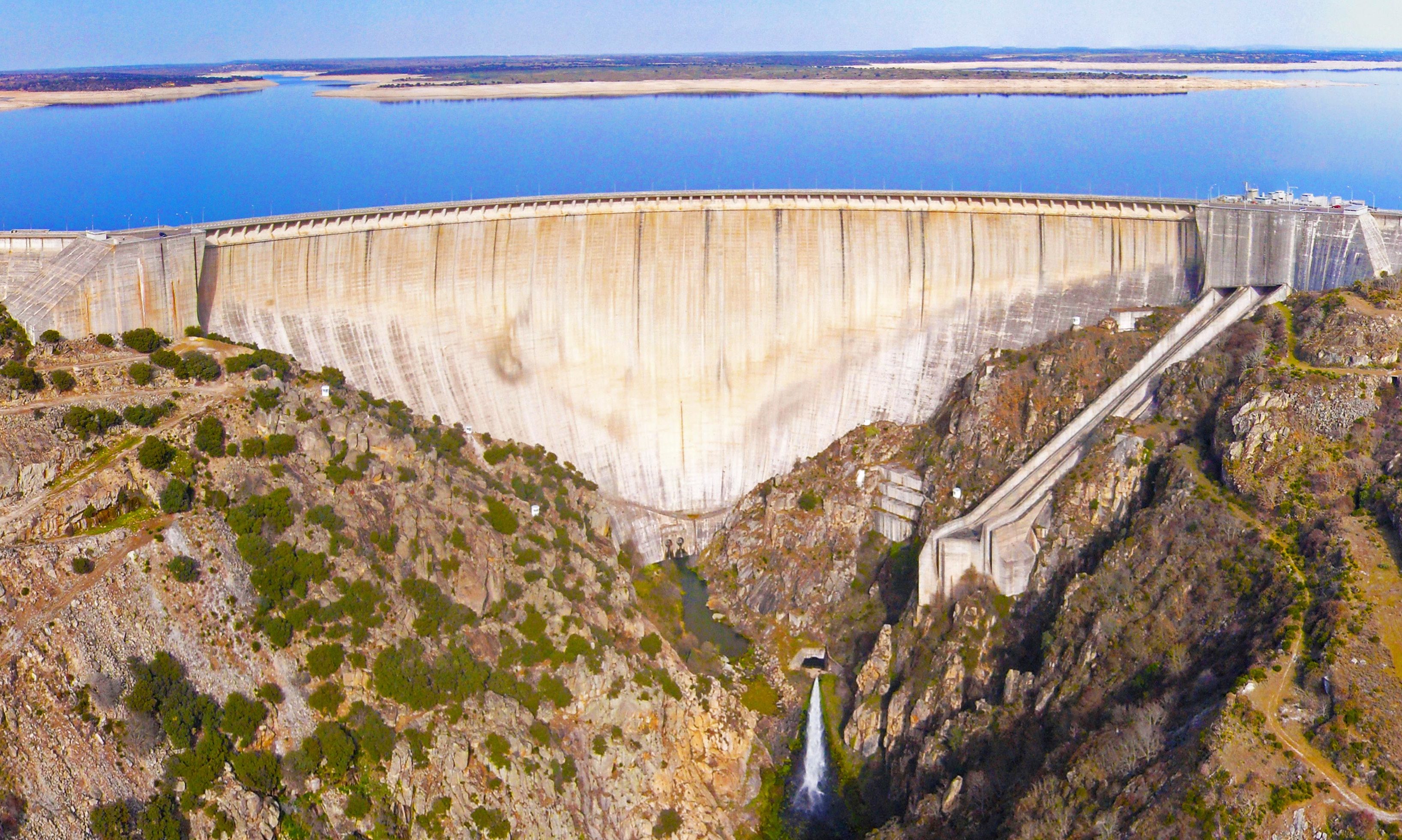
Presa de Almendra – Spain’s Majestic Alpine Dam
If you’ve ever dreamed of standing beside a massive concrete wall that holds back a sea of turquoise water, the Presa de Almendra in Castile and León should be at the top of your itinerary. This engineering marvel not only powers the region but also offers breathtaking scenery, photo‑opportunities, and a gateway to hidden natural gems.
1. Introduction
Tucked away in the rolling hills of the province of Zamora, the Almendra Dam (Spanish: Presa de Almendra) is Spain’s largest gravity dam and one of the most impressive feats of 20th‑century engineering on the Iberian Peninsula. With its sleek concrete façade hugging the Esla River, the reservoir stretches for miles, reflecting the blue sky and the distant Sierra de la Culebra. Whether you’re a photography enthusiast, a water‑sports lover, or simply a traveler hungry for off‑the‑beaten‑path wonders, Almendra offers a dramatic backdrop that feels both wild and meticulously crafted.
2. About Presa de Almendra
History & Construction
Built between 1967 and 1971, the dam was conceived as part of the Duero River Basin development plan, aimed at regulating water flow, generating hydro‑electric power, and supporting irrigation across north‑west Spain. Designed by the Spanish engineering firm Ingeniería Hidroeléctrica del Duero, the structure is a concrete gravity dam measuring 202 m in height and 660 m in length—making it the tallest dam in the country.
Significance
- Power Generation – The Almendra hydro‑electric plant contributes roughly 1,100 MW to Spain’s renewable energy mix, feeding clean electricity to millions of homes.
- Water Management – The reservoir, known as Embalse de Almendra, holds up to 2.5 billion m³ of water, supplying irrigation to the fertile plains of León and Valladolid.
- Tourist Magnet – Since the 1990s, the dam’s dramatic silhouette and crystal‑clear lake have turned it into a beloved spot for kayaking, sailing, and scenic drives.
The dam’s strategic location at 41.265972 N, ‑6.322859 W places it within the Almendra municipality, a quiet village that still retains its traditional Castilian charm.
3. How to Get There
| Mode of Transport | Details |
|---|---|
| By Car | The most flexible option. From Zamora (≈ 45 km), take the A-6 towards León, then exit onto N-630 and follow signs for Almendra. The drive is scenic, winding through pine forests and open pastures. Parking is available at the Presa de Almendra Visitor Center and at several lakeside spots. |
| By Bus | Regional bus line 330 runs from Zamora to Almendra (≈ 1 hour 15 min). Check the latest schedule on the Arriva website, as services are limited on weekends. |
| By Train + Taxi | The nearest train station is Zamora on the Madrid‑León line. From there, a short taxi ride (≈ 45 min) will drop you at the dam’s entrance. |
| From León Airport (LEN) | Rent a car and follow the same route via the A‑6. The drive takes about 1 hour 30 min. |
Pro tip: Bring a GPS device or download offline maps; the rural roads have limited signage after the village of Almendra.
4. Best Time to Visit
| Season | Weather | Why Visit |
|---|---|---|
| Spring (March‑May) | Mild temperatures (12‑20 °C), blooming wildflowers. | Ideal for hiking around the reservoir and photographing the vibrant greens. |
| Summer (June‑August) | Warm (25‑30 °C), occasional thunderstorms. | Perfect for water sports—kayak, paddleboard, and boat rentals are fully operational. |
| Autumn (September‑November) | Cool (10‑18 °C), golden foliage. | The lake mirrors the amber colors of the surrounding forest, creating postcard‑perfect scenes. |
| Winter (December‑February) | Cold (0‑8 °C), occasional snow on higher peaks. | Fewer tourists; great for peaceful walks and bird‑watching, especially around the nearby springs. |
Overall recommendation: Late spring (mid‑April to early May) offers the best balance of pleasant weather, full water levels, and fewer crowds.
5. What to Expect
The Landscape
Approaching the dam, you’ll first notice the sheer concrete wall rising from the water’s edge, its surface marked by subtle curvature that helps distribute the immense pressure of the reservoir. The lake itself—Embalse de Almendra—spreads over 86 km², its surface shimmering with shades of teal, emerald, and sapphire depending on the sun’s angle.
Activities
- Scenic Walks – A paved 2 km loop circles the dam, offering panoramic viewpoints at the north and south ends. Interpretive panels explain the dam’s engineering and environmental impact.
- Water Sports – Local operators rent kayaks, paddleboards, and small motorboats. The calm waters are perfect for beginners, while experienced paddlers can venture to the quieter coves on the lake’s western side.
- Photography – Sunrise over the dam creates a golden glow on the concrete, while sunset paints the water in fiery reds. The Almendra Bridge (a sleek steel arch) adds a modern contrast to the landscape.
- Picnicking – Designated picnic areas near the visitor center provide tables, grills, and waste‑recycling stations.
Facilities
- Visitor Center – Open daily (9 am‑7 pm). Offers multilingual brochures, a small exhibition on hydroelectric power, and a café serving local cheese, jamón, and refreshing tinto de verano.
- Restrooms – Clean facilities located near the parking lot and at the northern viewpoint.
- Accessibility – The main walking path is wheelchair‑friendly, with gentle gradients and handrails.
6. Nearby Attractions
While the dam itself can fill an entire day, the surrounding countryside hides several natural gems worth exploring:
| Attraction | Distance from Dam | Highlights |
|---|---|---|
| Presa de Almendra (dam) | 0.7 km | The main site—great for close‑up photos and engineering enthusiasts. |
| Unnamed Spring | 5.4 km | A crystal‑clear spring feeding a small creek; perfect for a quiet pause. |
| Unnamed Spring | 6.0 km | Surrounded by pine trees; a popular spot for locals to collect fresh water. |
| Fuente Las Muelas (spring) | 7.3 km | Known for its mineral-rich waters; legend says it cures minor ailments. |
| Unnamed Spring | 8.3 km | Offers a small waterfall that creates a soothing soundscape for meditation. |
Tip: Since some springs lack official names, ask locals for directions—they’ll often point you to hidden “fuentes” that aren’t on any map.
7. Travel Tips
- Check Water Levels – The reservoir’s water level fluctuates with seasonal rainfall. Low levels may limit boat rentals, while high levels can create stronger currents. The visitor center posts current conditions each morning.
- Bring Sun Protection – Even on cloudy days, the reflected sunlight off the water can be intense. Pack sunscreen, a hat, and polarized sunglasses.
- Dress in Layers – Temperatures change quickly near the water, especially in spring and autumn. A light windbreaker is advisable.
- Cash for Small Purchases – While most cafés accept cards, the tiny kiosks near the springs often operate on cash only.
- Respect the Environment – The area is a protected water source. Do not litter, and avoid swimming in the springs unless signs explicitly allow it.
- Plan for Limited Mobile Coverage – Rural Castile and León can have spotty reception. Download offline maps and keep a physical map as backup.
- Local Cuisine – Try the “cocido zamorano” (a hearty chickpea stew) at the nearby village tavern. Pair it with a glass of Ribeiro wine from the neighboring region of Galicia.
Final Thought
Presa de Almendra isn’t just a dam; it’s a living testament to Spain’s blend of engineering prowess, natural beauty, and rural tradition. Whether you’re chasing the perfect sunrise shot, paddling across a glass‑like lake, or simply breathing in the fresh Castilian air, this hidden gem promises an unforgettable experience. Pack your camera, bring an adventurous spirit, and let the waters of Almendra reveal a side of Spain that most travelers never see.
Happy travels!