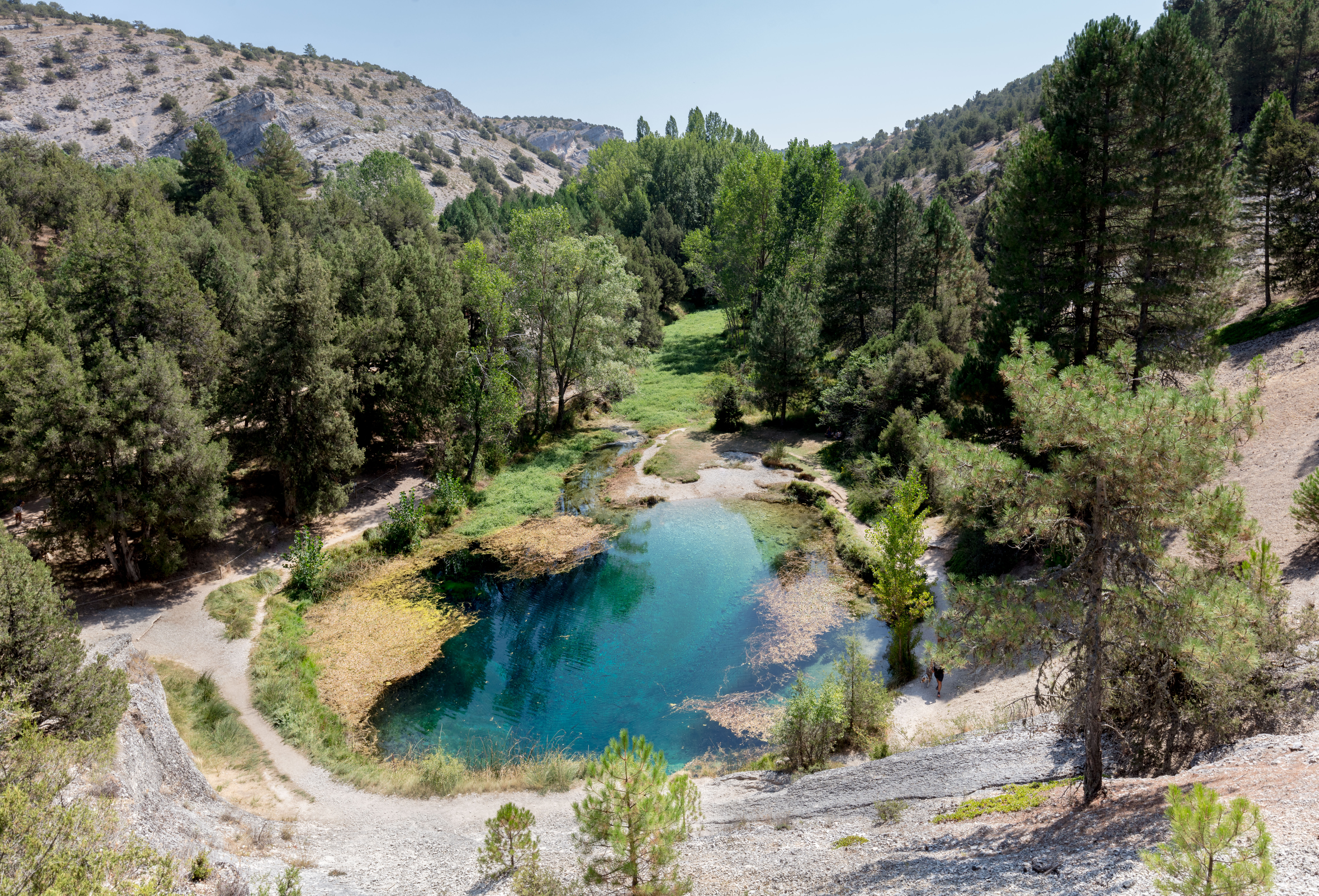
Monumento Natural de La Fuentona – A Hidden Spring Gem in Castile and León
If you’re chasing the sound of water echoing through ancient stone, the Monumento Natural de La Fuentona is the perfect destination. Nestled in the quiet village of Muriel de la Fuente, this spring‑powered waterfall offers a blend of natural beauty, local legend, and off‑the‑beaten‑path adventure that makes it a must‑see for any Spain traveler.
1. Introduction
Imagine stepping off a dusty rural road into a cool, misty oasis where a crystal‑clear spring bursts from the rock face, cascading into a turquoise pool below. The air smells of pine and wet stone, and the only soundtrack is the rhythmic roar of water. That’s the experience waiting at Monumento Natural de La Fuentona, one of Castile and León’s best‑kept secrets.
Located at 41.734571, -2.863768 in the province of Burgos, this natural monument isn’t just a pretty picture—it’s a living piece of the region’s geological and cultural heritage. Whether you’re a seasoned hiker, a photography enthusiast, or simply a curious traveler looking for a tranquil spot away from the crowds, La Fuentona delivers.
2. About Monumento Natural de La Fuentona
Description
The Monumento Natural de La Fuentona is a spring that emerges from a limestone cliff, forming a modest yet striking waterfall that tumbles into a natural basin. The water is remarkably clear, fed by underground aquifers that have been flowing for centuries. The surrounding landscape is a patchwork of oak‑grove woodlands, gentle hills, and traditional stone farmsteads, creating a quintessential Castilian backdrop.
History & Significance
Designated as a monumento natural by the regional government, La Fuentona is protected for its ecological value and its role in the local community. Historically, the spring supplied water to the nearby village of Muriel de la Fuente, and legends tell of shepherds who believed the water possessed healing properties. The name “Fuentona” itself translates to “big spring,” a nod to the impressive volume of water that surges from the rock face, especially after seasonal rains.
In addition to its natural importance, the site is a cultural touchstone. Traditional festivals in Muriel de la Fuente often include a “bautizo del agua” (water baptism) ceremony at the spring, celebrating the life‑giving force of the water that has sustained the community for generations.
3. How to Get There
By Car
The most convenient way to reach La Fuentona is by car. From Burgos, the provincial capital, take the A-1 highway north toward Soria. Exit at Km 185 onto the N-120 heading west, then follow signs for Muriel de la Fuente (approximately 30 km). The final stretch is a narrow, well‑marked rural road (local road BV‑123) that leads directly to a small parking area just a few minutes’ walk from the spring.
- Driving time: ~45 minutes from Burgos
- Parking: Free, limited spaces – arrive early in peak season
By Public Transport
Public transport options are limited, but you can take a regional bus from Burgos to the nearby town of Sargentes de la Lora (bus line 162). From there, a local taxi or a short hike (about 2 km) will bring you to the spring.
On Foot / Hiking
For the adventurous, the Camino del Agua trail starts near the village square of Muriel de la Fuente and leads directly to La Fuentona. The trail is moderate (≈1.5 km, 200 m elevation gain) and well‑signposted, making it suitable for families and casual walkers.
Coordinates & Map
You can plug the exact coordinates 41.734571, -2.863768 into Google Maps or any GPS device to pinpoint the location.
4. Best Time to Visit
| Season | Conditions | Why Visit |
|---|---|---|
| Spring (Mar‑May) | Mild temperatures, blooming wildflowers, water flow at its peak after winter rains. | Ideal for photography and comfortable hiking. |
| Summer (Jun‑Aug) | Warm days, occasional drought can lower water volume. | Good for picnics, but bring plenty of water. |
| Autumn (Sep‑Nov) | Cool evenings, colorful foliage, water still robust from summer rains. | Perfect for tranquil walks and fewer tourists. |
| Winter (Dec‑Feb) | Cold, possible frost; water flow remains strong. | Magical misty atmosphere, but dress warmly. |
Top recommendation: Late April to early June offers the most reliable water flow, vibrant vegetation, and comfortable weather for exploring the spring and nearby trails.
5. What to Expect
The Sensory Experience
- Sight: A vertical cascade of clear water plunges into a shallow pool, framed by moss‑covered rocks and the occasional burst of wild rosemary. In winter, icy spray creates a fairy‑tale veil.
- Sound: The constant roar of the spring masks distant farm noises, providing a natural soundtrack that’s both soothing and invigorating.
- Smell: Fresh, mineral‑rich water mingles with pine and earth aromas, especially after a rain.
- Touch: If you’re brave enough, you can dip your feet into the cool pool—just watch for slippery stones!
Activities
- Photography: The contrast between the bright water and the dark limestone makes for striking shots. Early morning light creates golden reflections.
- Short Hikes: Explore the surrounding oak forest trails that loop back to the village.
- Picnicking: A few rustic benches near the parking area provide a spot to enjoy a packed lunch while listening to the water.
- Cultural Observation: If you time your visit with a local festival (usually late July), you may witness the “bautizo del agua” ceremony.
6. Nearby Attractions
While La Fuentona is the star, the area boasts several other natural wonders within a short drive or walk. Check them out to make the most of your day:
- Fuente de las Calabazas – La Cangrejera (0.2 km) – A small spring known for its crystal‑clear water and a legend about “crab‑shaped” stones.
- Cascada de La Fuentona (0.5 km) – The waterfall portion of the same spring system, perfect for a quick photo stop.
- Fuentevieja (6.6 km) – A historic spring with a charming stone basin that once supplied water to medieval Muriel.
- Laguna de la Llana (7.4 km) – A shallow lagoon surrounded by reeds, ideal for bird‑watching.
- Fuente La Mercadera (8.6 km) – A secluded spring tucked in a pine grove, often visited by locals for quiet contemplation.
All of these sites are reachable by car or bike, and many have marked trailheads that connect back to La Fuentona, allowing for a flexible loop route.
7. Travel Tips
| Tip | Details |
|---|---|
| Dress in layers | Weather can shift quickly, especially near the water. Waterproof shoes are a must. |
| Bring a reusable water bottle | Although the spring is clean, it’s best to carry your own supply for hiking. |
| Respect the environment | Stay on marked paths, avoid littering, and don’t disturb the natural vegetation. |
| Timing for photos | Early morning (sunrise) or late afternoon (golden hour) give the best lighting and fewer visitors. |
| Cash for small purchases | The village shop in Muriel de la Fuente accepts cash only; you may need it for snacks or a quick bite. |
| Check road conditions | In winter, the rural road can be icy; a vehicle with good traction is advisable. |
| Local festivals | If you’re interested in cultural events, consult the town’s municipal website for dates of the “bautizo del agua” or other celebrations. |
| Mobile signal | Coverage can be spotty; download offline maps (Google Maps or Maps.me) before you set out. |
| Safety | The rocks around the pool can be slippery—keep an eye on children and pets. |
Final Thought
The Monumento Natural de La Fuentona may not appear on every mainstream travel itinerary, but that’s precisely why it feels like a hidden treasure. Its pristine spring, gentle waterfall, and surrounding Castilian countryside provide a serene escape that captures the soul of rural Spain. Pack your walking shoes, bring a sense of curiosity, and let the sound of the water guide you to one of Castile and León’s most enchanting natural monuments.
Happy travels, and may the spring’s crystal flow refresh your journey!