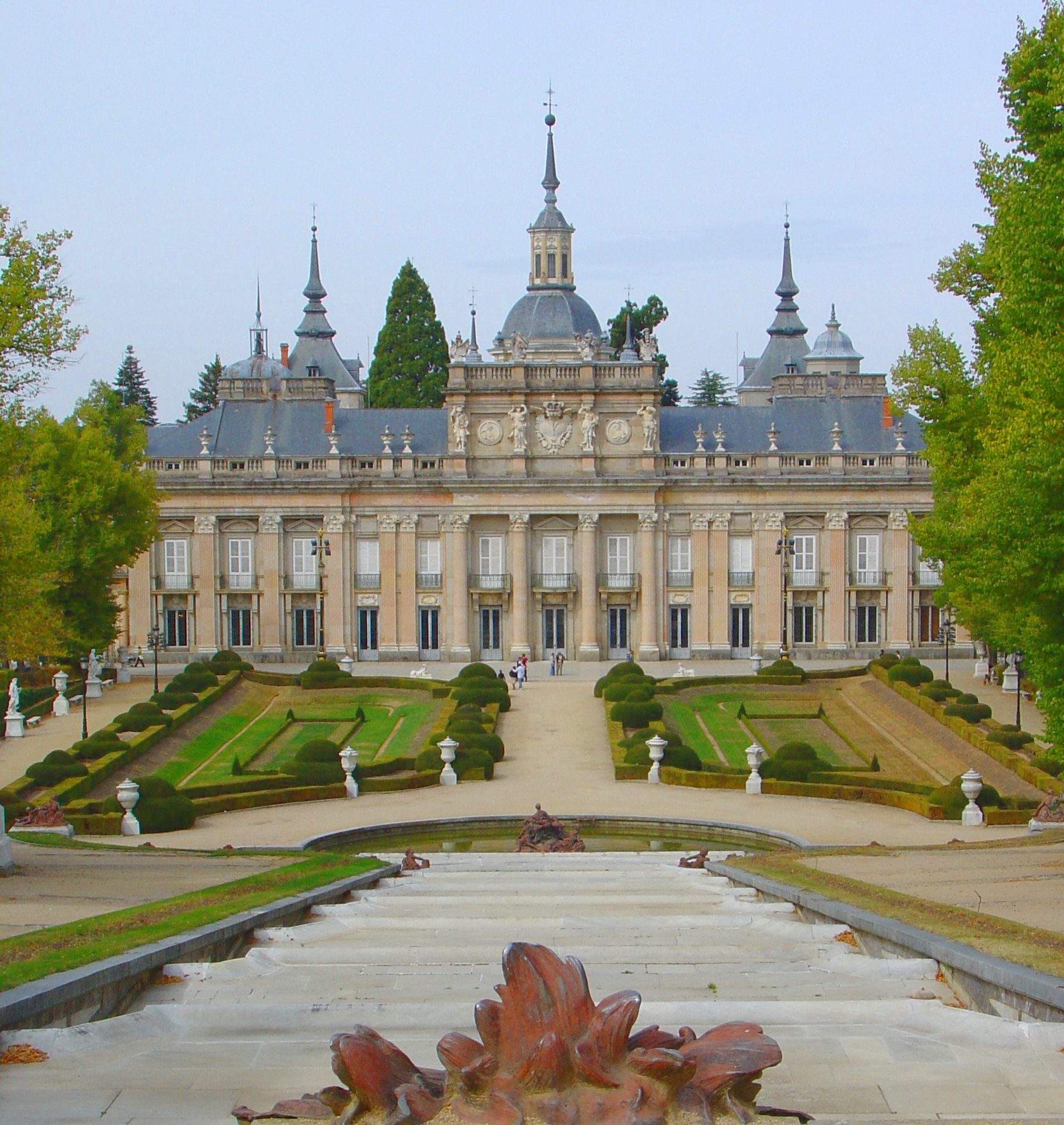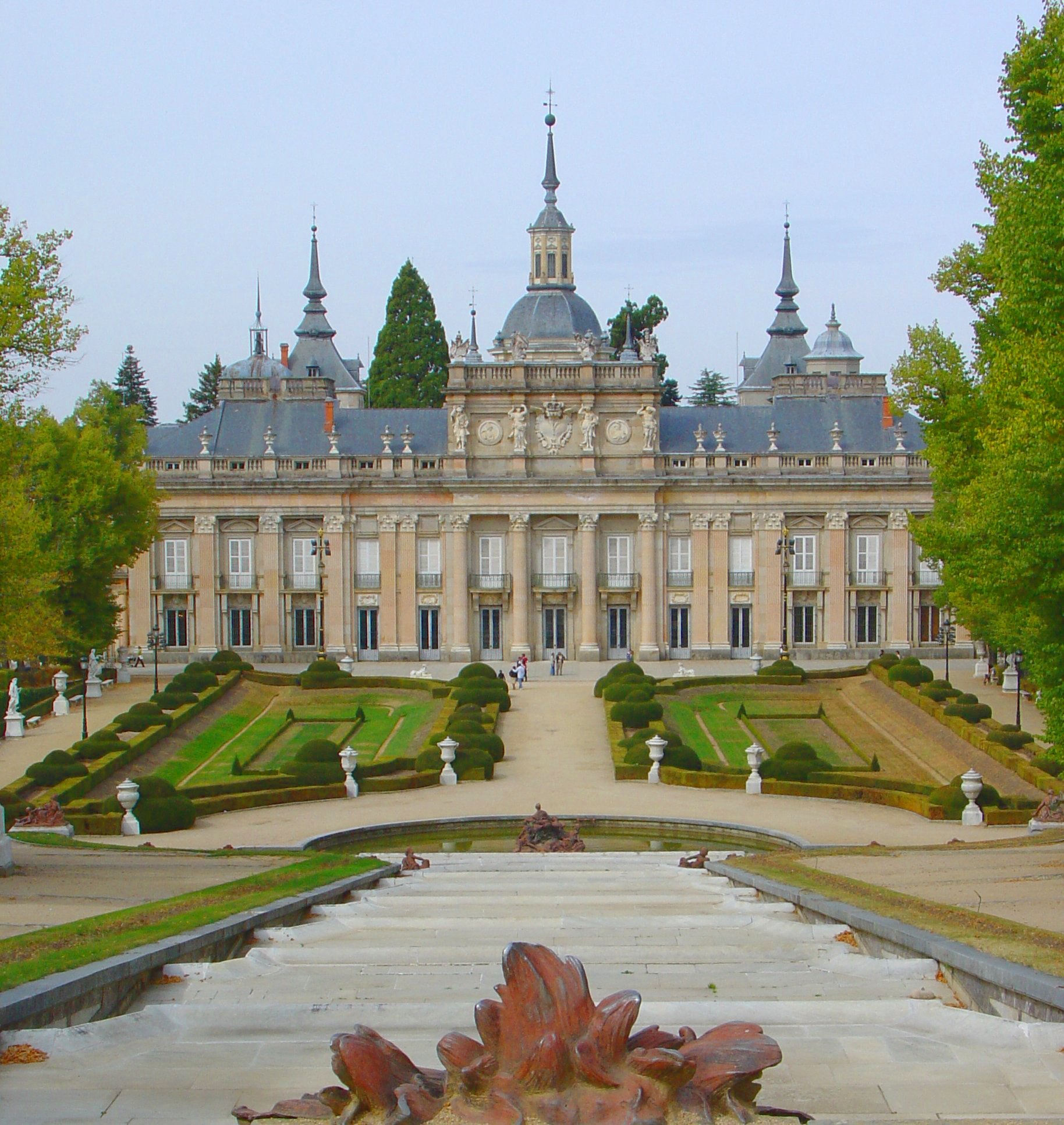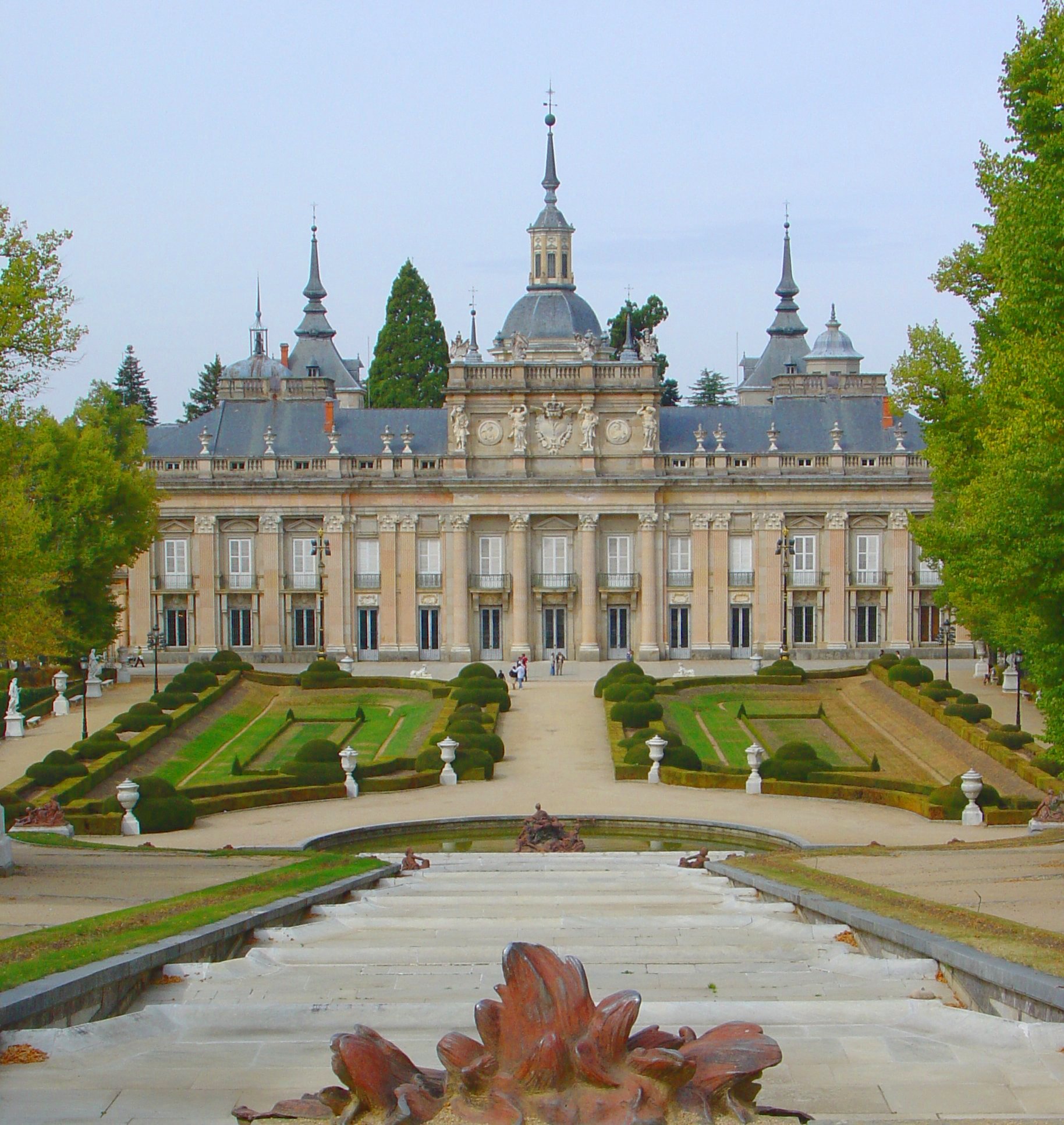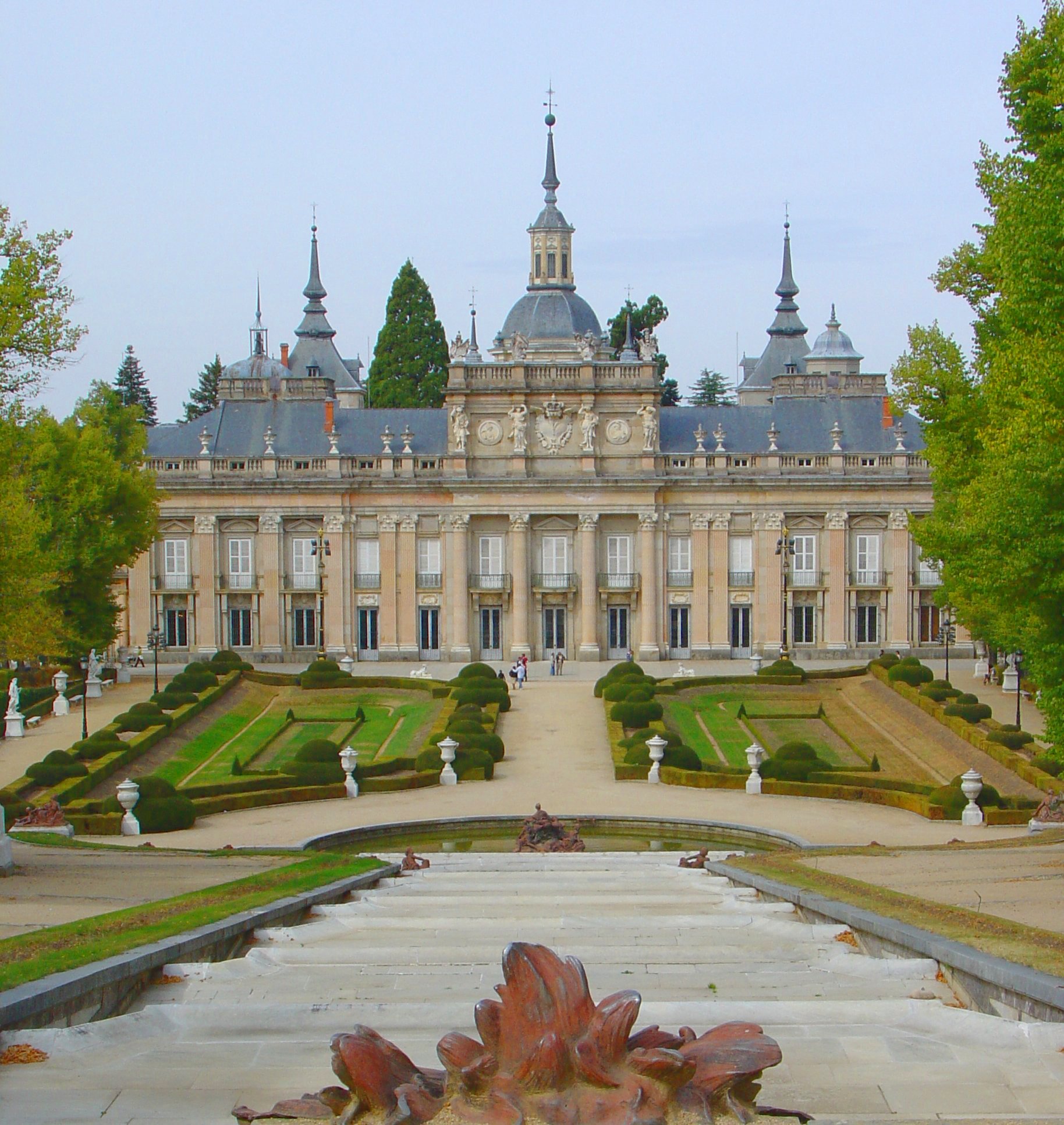
Fuente del Abanico – The Whirling Fountain of San Ildefonso, Castile & León
Discover the charm of a hidden jewel tucked inside the royal gardens of La Granja, where water dances like a fan and history whispers from every stone.
1. Introduction
If you think the most famous Spanish fountains are only found in Seville or Granada, think again. Nestled in the lush grounds of the Palacio Real de la Granja de San Ildefonso, the Fuente del Abanico (Fan Fountain) offers a quiet, almost magical moment that feels far removed from the bustling tourist trails. Its name—abanico meaning “fan” in Spanish—captures the graceful sweep of water that fans out in a delicate arc, creating a cool mist that glistens in the Castile & León sun. Whether you’re a garden‑enthusiast, a lover of Baroque architecture, or simply chasing Instagram‑worthy spots, this fountain is a must‑see on any itinerary through northern Spain.
2. About Fuente del Abanico
A Brief Description
The Fuente del Abanico is a Baroque fountain set amid the meticulously landscaped gardens of the Royal Palace of La Granja. Crafted from stone, the fountain’s central jet shoots water upward before it fans out in a wide, sweeping arc—hence the name. Though the exact height and altitude of the fountain are not recorded, its presence is amplified by the surrounding hedges, marble statues, and the gentle hum of water that blends with the rustle of centuries‑old trees.
Historical Context
The fountain belongs to the grand ensemble of water features that were commissioned by King Philip V in the early 18th century. La Granja was conceived as a summer retreat modeled after the French Versailles, and its gardens were designed to showcase the power of the Bourbon dynasty through elaborate hydraulic engineering. While the Fuente del Abanico does not have a dedicated entry in most guidebooks, it is referenced in the broader context of the palace’s waterworks on the Spanish Wikipedia page for the Palacio Real de la Granja de San Ildefonso. Its placement near the central axis of the garden suggests it played a role in the choreographed water “shows” that were a hallmark of the palace’s summer festivities.
Why It Matters
Beyond its aesthetic appeal, the fountain is a living piece of hydraulic heritage. The 18th‑century engineers who built La Granja’s water system created a network of canals, reservoirs, and pumps that still operate today, feeding more than 80 fountains across the estate. The Fuente del Abanico, therefore, is not just a decorative element—it is a functional testament to early modern engineering and the royal ambition to blend art, nature, and technology.
3. How to Get There
By Air
The nearest major airport is Valladolid Airport (VLL), about 80 km (50 mi) north of San Ildefonso. From the airport, you can rent a car or catch a bus to Segovia, then transfer to a regional bus that stops in San Ildefonso (the town that houses La Granja).
By Train
Spain’s high‑speed AVE network stops at Segovia‑Guiomar station. From there, a Renfe regional train runs to Segovia (the historic city) in roughly 20 minutes. Once in Segovia, the ALSA or Cercanías bus lines head to San Ildefonso, a journey of about 30 minutes.
By Car
Driving gives you the most flexibility to explore the surrounding countryside. From Madrid, take the A‑6 highway north toward Segovia, then follow signs for San Ildefonso (approximately 120 km, 1 h 45 min). Parking is available near the palace entrance; a short, well‑signposted walk leads you straight to the garden complex and the Fuente del Abanico.
Public Transport Within San Ildefonso
The town is compact, and the Palacio Real de la Granja sits on the edge of the historic center. Once you arrive, the fountain is a 5‑minute walk from the main entrance. Follow the paved paths marked with “Jardines de la Granja” and you’ll soon hear the gentle roar of water guiding you to the fan‑shaped cascade.
4. Best Time to Visit
| Season | Why Visit | Tips |
|---|---|---|
| Spring (March‑May) | Blossoming gardens, moderate temperatures, and fewer crowds. | Bring a light jacket; early mornings are ideal for photography. |
| Summer (June‑August) | Full water shows are often scheduled; the fountain’s mist feels refreshing. | Arrive early to avoid peak tourist numbers; stay hydrated. |
| Autumn (September‑November) | Golden foliage adds a warm backdrop; the water flow remains strong. | Check local event calendars for any special “fiestas” at La Granja. |
| Winter (December‑February) | Quiet atmosphere; the fountain may be turned off during extreme cold, but the palace interiors are open for tours. | Verify opening hours in advance; enjoy the palace’s interior frescoes. |
Overall, late spring and early autumn provide the perfect balance of pleasant weather, vibrant garden colors, and manageable visitor numbers.
5. What to Expect
When you step into the Jardines de la Granja, the first thing that captures your attention is the symphony of water. The Fuente del Abanico sits on a raised stone basin, its central jet shooting upward before splitting into a fan‑shaped spray that creates a delicate veil of droplets. Sunlight catches the mist, producing a subtle rainbow that adds a touch of magic to the scene.
The surrounding garden is a masterpiece of geometric design: trimmed hedges form precise patterns, marble statues depict mythological figures, and stone pathways invite you to wander. The fountain’s sound—a steady, soothing rush—acts as a natural soundtrack, masking any distant traffic and encouraging a meditative pause.
Because the fountain is part of a larger hydraulic system, you’ll often see other water features operating nearby, especially during scheduled “water shows” (typically in the late afternoon summer evenings). The combination of multiple fountains, including the nearby Fuente de los Caracoles, Fuente de Anfítrite, Fuente de La Selva, and Fuente de Neptuno, creates a dynamic, ever‑changing landscape that feels both historic and alive.
6. Nearby Attractions
While the Fuente del Abanico is the star of the garden, the Royal Palace of La Granja itself offers a wealth of attractions within walking distance:
- Fuente de los Caracoles – A whimsical snail‑shaped fountain that delights children and adults alike. (0.0 km)
- Fuente de Anfítrite – A smaller, intimate fountain perfect for a quiet moment of reflection. (0.1 km)
- Fuente de La Selva – Surrounded by lush greenery, this fountain evokes a forest oasis. (0.1 km)
- Fuente de Neptuno – Featuring a majestic statue of Neptune, this fountain showcases the power of the sea within a landlocked garden. (0.1 km)
Beyond the water features, don’t miss:
- Palacio Real de la Granja de San Ildefonso – Tour the opulent royal apartments, frescoed ceilings, and the historic Royal Chapel.
- Museo del Palacio Real – A small museum displaying original garden plans, hydraulic models, and royal artifacts.
- San Ildefonso Town Center – Wander the cobbled streets, sample local tapas, and browse artisan shops selling ceramics and wool products typical of Castile & León.
7. Travel Tips
| Tip | Details |
|---|---|
| Check Opening Hours | The gardens and fountains are generally open from 10 am to 6 pm (April‑October) and 10 am to 2 pm (November‑March). Verify on the official La Granja website before you go. |
| Bring Comfortable Shoes | The garden paths are paved but can be uneven near the water basins. Good walking shoes will keep you comfortable for the full tour. |
| Pack Light Rain Gear | Even in summer, the fountain’s mist can make the surrounding area slightly damp. A compact rain jacket or poncho is handy. |
| Photography | Early morning light or late afternoon “golden hour” yields the best photos. A polarizing filter helps reduce glare on the water. |
| Stay Hydrated | Although the fountain’s mist is refreshing, the Castile & León climate can be dry, especially in summer. Carry a reusable water bottle. |
| Respect the Heritage | Do not climb on the stone basins or touch the water jets, as they are part of a protected historic site. |
| Combine with a Day Trip | Pair your visit with a trip to Segovia (famous for its Roman aqueduct and Alcázar) – it’s only a short bus ride away. |
| Local Cuisine | After exploring, try the regional specialty cochinillo asado (roast suckling pig) at a nearby tavern. The hearty dish pairs perfectly with a glass of Ribera del Duero red wine. |
Final Thought
The Fuente del Abanico may not appear in the usual travel brochures, but its subtle elegance and historical depth make it a standout highlight of the Royal Gardens of La Granja. By planning your journey with these practical tips, you’ll experience not only a beautiful fountain but also a living slice of Spain’s Baroque legacy—one fan‑shaped spray at a time.
Pack your camera, lace up your walking shoes, and let the whispering waters of San Ildefonso guide you through a timeless Spanish summer.