Fuente de los Vientos – The Whispering Fountain of San Ildefonso
Discover the hidden gem that dances with wind, water, and history in the heart of Castile and León.
Introduction
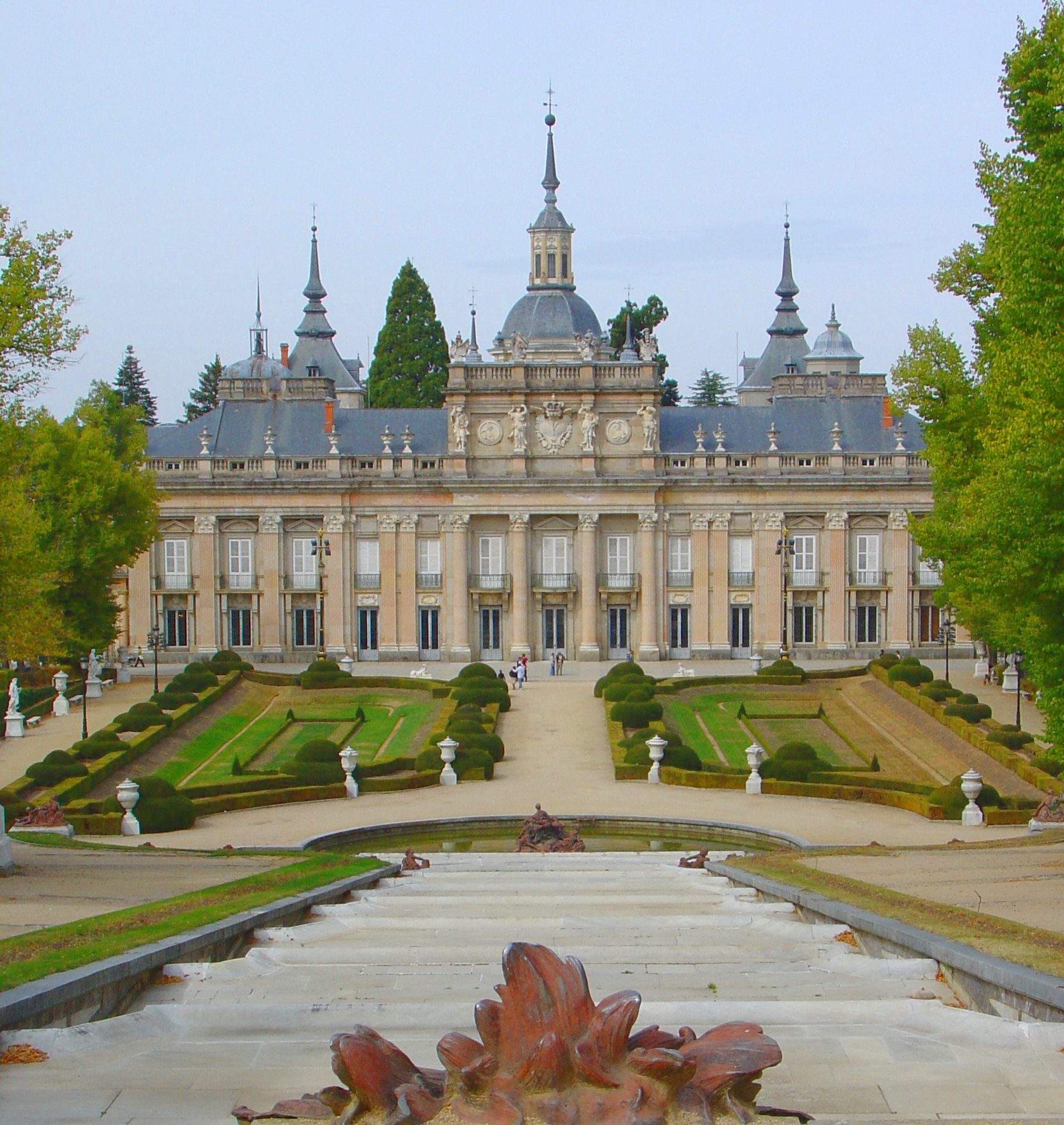
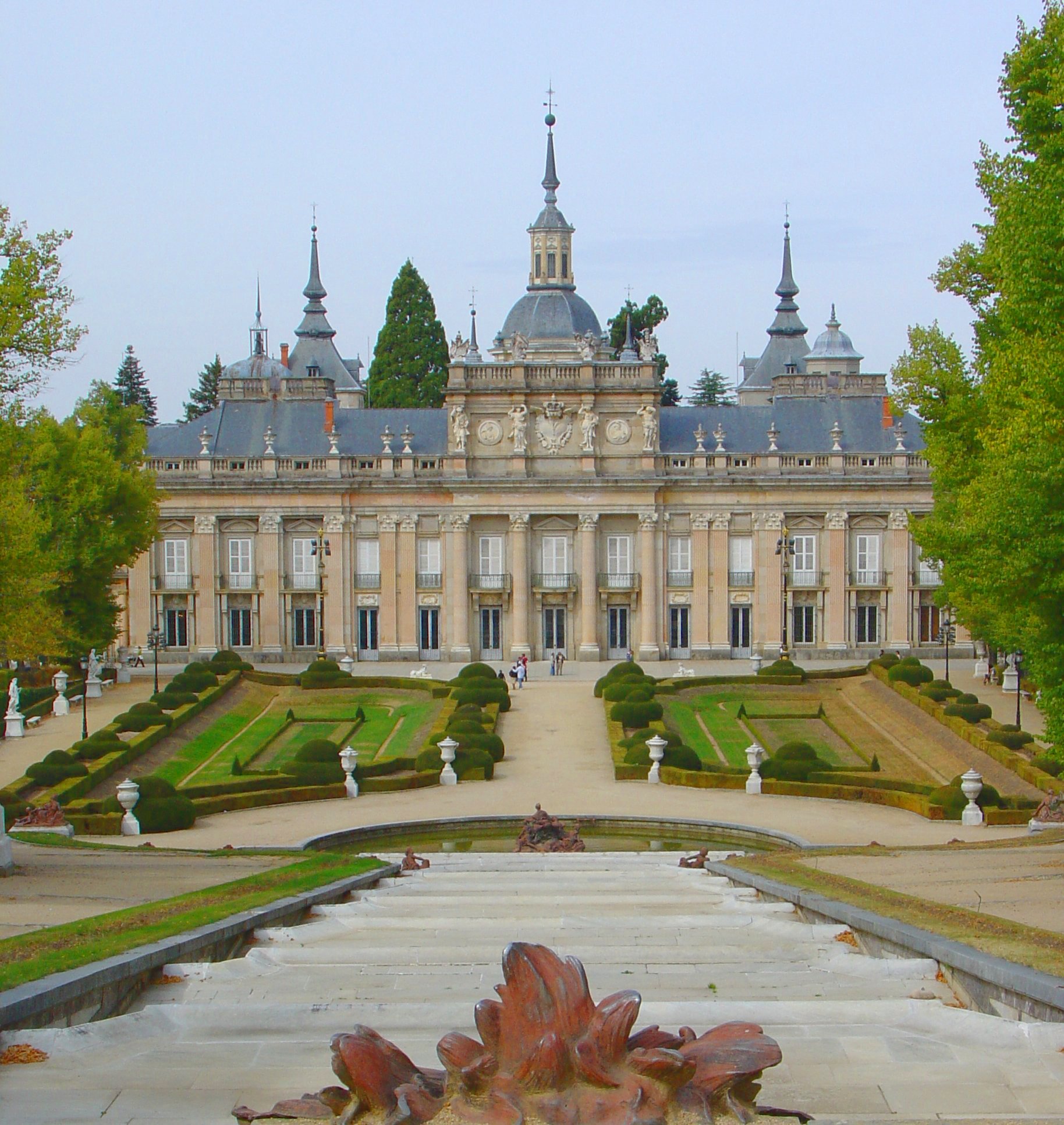
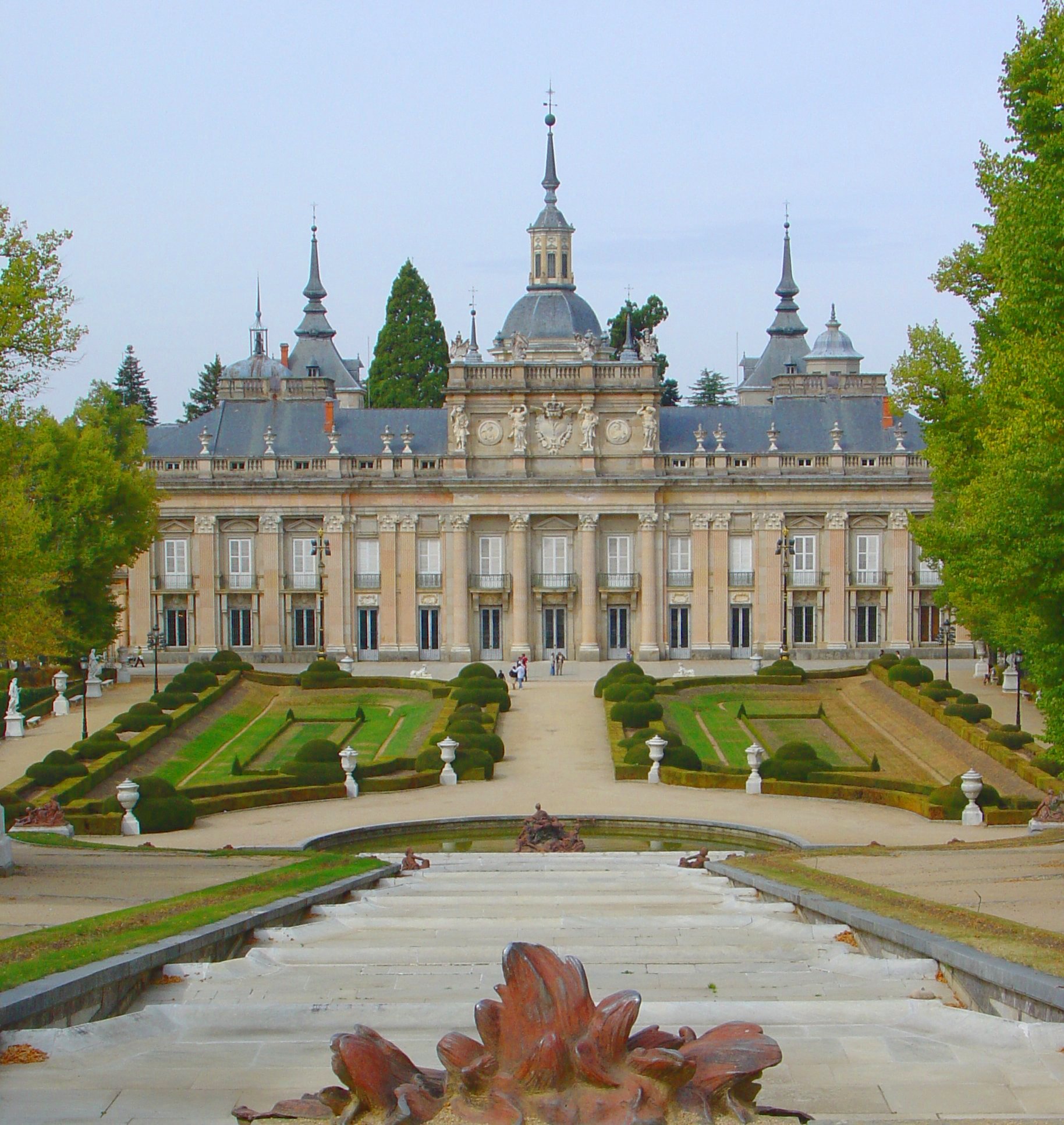
If you’ve ever wandered through a garden where every splash seems to tell a story, you’ll fall in love with Fuente de los Vientos. Nestled in the meticulously landscaped grounds of the Palacio Real de la Granja de San Ildefonso, this Baroque fountain is more than a decorative water feature – it’s a living piece of 18th‑century Spanish royalty that still whispers the secrets of the wind. Whether you’re a history buff, a photography enthusiast, or simply looking for a tranquil spot off the beaten path, the Fuente de los Vientos offers a uniquely atmospheric experience that captures the spirit of Castile and León.
About Fuente de los Vientos
A brief description
- Type: Fountain (Baroque water feature)
- Location: San Ildefonso, Castile and León, Spain
- Coordinates: 40.896473, -4.003730
The fountain’s name—“de los Vientos”—hints at its playful interaction with the breeze. Water jets are arranged to catch the wind, creating shimmering curtains that seem to move in time with the surrounding trees. The stonework, typical of the Spanish Baroque style, features elegant scrolls and mythological motifs that echo the grandeur of the nearby royal palace.
Historical context
Fuente de los Vientos is part of the extensive garden complex commissioned by King Philip V in the early 1700s. Inspired by the French Versailles and the Italian fountains of Bernini, the Granja’s waterworks were designed to showcase the power of the Spanish monarchy through engineering marvels and artistic splendor. While the exact construction date of the Fuente de los Vientos is not recorded, it belongs to the same wave of fountain building that transformed the palace grounds into a theatrical stage of water, light, and sound.
Significance
- Cultural heritage: The fountain contributes to the UNESCO‑recognized heritage of the Royal Palace of La Granja, a testament to Spain’s Baroque garden tradition.
- Artistic value: Its design integrates hydraulic engineering with sculptural art, illustrating the 18th‑century fascination with controlling nature for aesthetic purposes.
- Tourist appeal: As one of the lesser‑known fountains in the complex, it offers a quieter, more intimate encounter compared with the larger, crowd‑magnet fountains such as the Fuente de Neptuno.
For a deeper dive into the palace’s history, visit the official Wikipedia entry: Palacio Real de la Granja de San Ildefonso.
How to Get There
By air
- Closest airports: Adolfo Suárez Madrid–Barajas (MAD) and Valladolid Airport (VLL). From either airport, rent a car or take a high‑speed train to Segovia (≈1 hour from Madrid, ≈45 min from Valladolid).
By train
- Renfe AVE: Direct high‑speed service from Madrid Chamartín to Segovia‑Guadarrama (≈30 min).
- From Segovia, catch a Cercanías regional train to San Ildefonso (≈15 min) or a local bus.
By bus
- ALSA and Avanza operate regular coach routes from Madrid’s Plaza de Castilla to San Ildefonso (≈1.5 h).
- The town’s bus stop is a short 5‑minute walk from the palace entrance.
By car
- From Madrid: Take the A‑6 highway north toward Ávila, then exit onto the N‑110 toward San Ildefonso. The drive is roughly 115 km (≈1 h 30 min).
- Parking: A large public car park sits just outside the palace gates; a modest fee applies, and it fills up quickly in peak season, so arrive early.
Practical tip
- GPS coordinates (40.896473, -4.003730) work perfectly with any navigation app and will guide you straight to the fountain’s location within the garden.
Best Time to Visit
| Season | Why it works | What to expect |
|---|---|---|
| Spring (March‑May) | Mild temperatures, blooming lilacs and roses, full water‑show schedule. | Clear skies, vibrant colors, ideal for photography. |
| Early Autumn (September‑October) | Pleasant weather, fewer crowds, still‑warm water flow. | Golden light, crisp air, perfect for a leisurely stroll. |
| Summer (June‑August) | Long daylight hours, lively atmosphere. | Higher visitor numbers; fountains may run on a reduced schedule due to water conservation. |
| Winter (November‑February) | Quiet, atmospheric mist on colder days. | Some fountains may be turned off; check the official website before planning. |
Pro tip: The fountain’s water displays are synchronized with music on select days (usually weekends in spring and autumn). Check the palace’s official calendar for the exact timetable.
What to Expect
When you step into the garden, the first thing you’ll notice is the harmonious blend of sound and sight. The gentle roar of water mingles with the rustle of pine trees that line the hilltop town of San Ildefonso. As you approach Fuente de los Vientos, you’ll see:
- Dynamic water jets that seem to chase the wind, creating a shimmering veil that changes with every breeze.
- Stone basins adorned with sculpted motifs—often sea‑creature heads or classical urns—that echo the palace’s royal symbolism.
- Panoramic views of the surrounding Sierra de Guadarrama mountains, offering a backdrop that feels almost cinematic.
Visitors often linger to listen to the rhythmic splash, snap macro shots of droplets catching the light, or simply sit on a nearby bench and let the cool mist refresh them on a warm day. Because the fountain is part of a larger network, you’ll hear the occasional echo of water from neighboring fountains—Fuente de Neptuno, Fuente de los Dragones de Arriba, and others—creating an immersive, multi‑sensory garden experience.
Nearby Attractions
While you’re exploring the Granja’s gardens, don’t miss these equally enchanting fountains—each just a short walk (≈0.1 km) away:
- Fuente de Anfítrite – A classical amphitheater‑style fountain that frames the sky.
- Fuente de Neptuno – The grandest water feature in the complex, featuring a dramatic Neptune statue.
- Fuente de los Caracoles – Known for its whimsical snail‑shaped spouts.
- Fuente de los Dragones de Arriba – A pair of fierce dragon sculptures that guard the upper terrace.
- Fuente de las Tres Gracias – Celebrates the three Graces with elegant, intertwined figures.
Beyond the fountains, the Palacio Real de la Granja itself boasts opulent interiors, a royal chapel, and an impressive collection of 18th‑century furniture. The town of San Ildefonso offers charming cobblestone streets, traditional Castilian taverns, and spectacular viewpoints over the Sierra de Guadarrama.
Travel Tips
| Tip | Details |
|---|---|
| Check fountain schedules | Water shows may be limited in winter or during maintenance. Visit the palace’s official website for up‑to‑date times. |
| Dress comfortably | The garden is expansive and involves a fair amount of walking on uneven stone paths. Wear supportive shoes and bring a light jacket for cooler evenings. |
| Bring a portable charger | The fountain’s lighting at dusk creates perfect photo opportunities, and you’ll want your phone ready. |
| Stay hydrated | Even in spring, the sun can be strong. Carry a reusable water bottle (there are refill stations near the main entrance). |
| Respect the heritage | Keep a safe distance from the water jets and avoid touching the stone sculptures to preserve the site for future visitors. |
| Combine with a day trip | Pair your visit with a trip to Segovia (famous for its Roman aqueduct and Alcázar) or a hike in the Sierra de Guadarrama National Park for a full Castile‑León experience. |
| Timing for photography | Early morning (sunrise) and late afternoon (golden hour) provide soft lighting that highlights the water’s sparkle and the surrounding foliage. |
Final Thought
Fuente de los Vientos may not be the most famous Spanish fountain, but its intimate charm, historical depth, and natural choreography make it a must‑see for anyone exploring the royal gardens of San Ildefonso. Pack your camera, follow the wind, and let the fountain’s gentle whispers guide you through one of Castile and León’s most enchanting landscapes. Safe travels!