Fuente de los Dragones de la Media Luna – A Hidden Gem in San Ildefonso, Castile & León
If you think the royal gardens of Spain are only about grandiose baroque fountains, think again. Nestled among the verdant terraces of the Palacio Real de la Granja de San Ildefonso, the Fuente de los Dragones de la Media Luna whispers a tale of myth, water, and artistry that few travelers have discovered.
1. Introduction
Imagine strolling through a 18th‑century garden where the sound of cascading water mingles with the distant echo of a royal fanfare. Suddenly, you turn a corner and spot a moon‑shaped basin guarded by two sinuous dragons, their scales glinting in the sunlight. This is the Fuente de los Dragones de la Media Luna, a modest‑sized yet striking fountain that sits at the heart of San Ildefonso’s historic waterworks.
While the more famous Fuente de Apolo or Fuente de Neptuno often dominate guidebooks, the Dragon Fountain offers a quieter, more intimate encounter with the baroque splendor of the Royal Palace of La Granja. Whether you’re a history buff, a photography enthusiast, or simply a wanderer in search of off‑the‑beaten‑path charm, this fountain deserves a spot on your Castile & León itinerary.
2. About Fuente de los Dragones de la Media Luna
Description
The Fuente de los Dragones de la Media Luna (Spanish for “Dragon Fountain of the Crescent Moon”) is a stone basin shaped like a perfect crescent. Two marble dragons rise from either end, their heads turned inward as if guarding a secret. Water streams from the dragons’ mouths, flowing gracefully into the moon‑shaped pool before spilling over a gentle cascade that feeds the surrounding garden channels.
While the exact height and altitude of the fountain are not recorded, its design is unmistakably baroque, echoing the artistic language of the late 17th and early 18th centuries when the palace’s water features were conceived.
History & Significance
The fountain is part of the extensive hydraulic system commissioned by King Philip V in the early 1700s. The Palacio Real de la Granja de San Ildefonso—modeled after France’s Versailles—was intended to showcase Spain’s engineering prowess and royal magnificence. Each fountain in the garden was carefully choreographed to represent mythological themes or royal symbolism.
The Dragon Fountain draws inspiration from classical mythology, where dragons often guarded sacred springs or celestial bodies. The crescent moon motif may allude to the night sky, reinforcing the idea of water as a celestial element. Though less celebrated than its neighbors, the fountain contributes to the overall narrative of the garden: a dialogue between nature, myth, and monarchical power.
For a deeper dive into the palace’s history, visit the official Wikipedia entry: Palacio Real de la Granja de San Ildefonso.
3. How to Get There
| Starting Point | Approx. Distance | Recommended Transport | Notes |
|---|---|---|---|
| Madrid (Atocha) | 110 km (≈ 70 mi) | Car (A‑6 → N‑110) or AVE train to Segovia + bus | The drive takes about 1.5 h. Trains to Segovia are frequent; from Segovia, a regional bus (Line S) runs to San Ildefonso. |
| Segovia | 30 km (≈ 19 mi) | Bus, taxi, or rental car | Buses depart every 30 min from Segovia’s main bus station. The journey offers scenic views of the Sierra de Guadarrama. |
| Valladolid | 90 km (≈ 56 mi) | Car or train to Segovia → bus | Valladolid’s high‑speed rail links make it a convenient hub for northern travelers. |
| Local | – | Walking or shuttle | Once in San Ildefonso, the fountain is a short 5‑minute walk from the main entrance of the Royal Palace gardens. Signage in Spanish and English guides you along the main promenade. |
Parking & Accessibility
- Parking: The municipal car park “Parking La Granja” sits just outside the palace walls (approx. 500 m from the fountain). A modest fee applies, and the lot fills quickly in summer, so arrive early.
- Public Transport: The San Ildefonso bus stop is a 3‑minute walk from the fountain. Buses run hourly on weekends and every 30 minutes on weekdays.
- Accessibility: The garden paths are mostly paved and wheelchair‑friendly, though some historic stone steps near the fountain may require assistance.
4. Best Time to Visit
| Season | Weather | Visitor Flow | Why It’s Ideal |
|---|---|---|---|
| Spring (Mar‑May) | Mild (12‑20 °C) | Low‑medium | Blooming orange trees and lilac hedges frame the fountain, creating vibrant photo opportunities. |
| Summer (Jun‑Aug) | Warm (20‑30 °C) | High | Longer daylight hours let you enjoy the fountain’s water play after sunset, when the garden lights are turned on. |
| Autumn (Sep‑Nov) | Pleasant (15‑22 °C) | Low‑medium | Golden foliage adds a magical backdrop; the crowds thin out after the peak summer season. |
| Winter (Dec‑Feb) | Cool (5‑12 °C) | Low | Fewer tourists and the possibility of a light frost on the stone give the fountain a serene, almost mystical feel. |
Pro tip: The garden’s waterworks are synchronized to play a short musical program at 20:00 from late April to early October. Arriving 15 minutes early ensures you catch the fountain’s illuminated performance under the night sky.
5. What to Expect
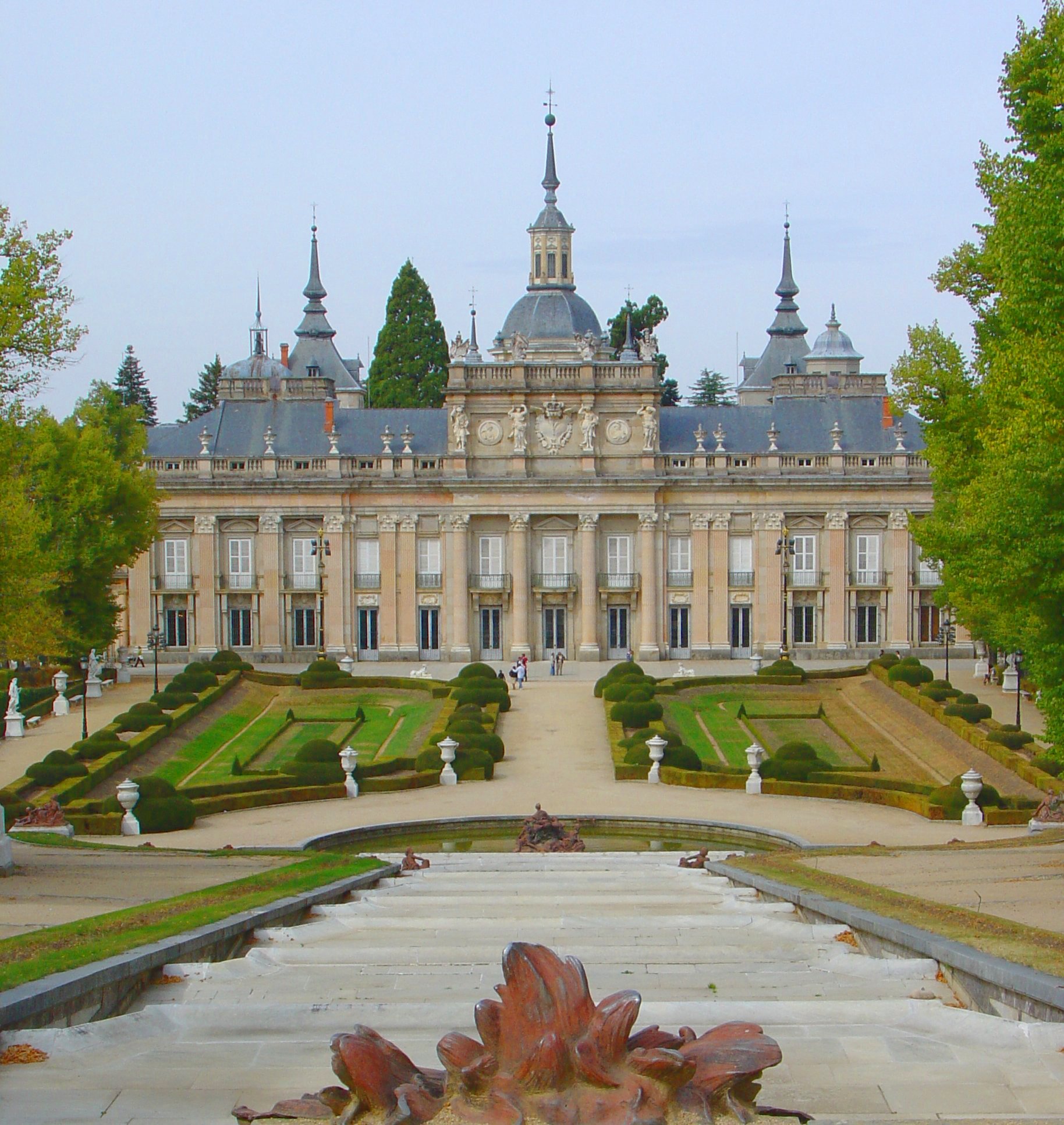
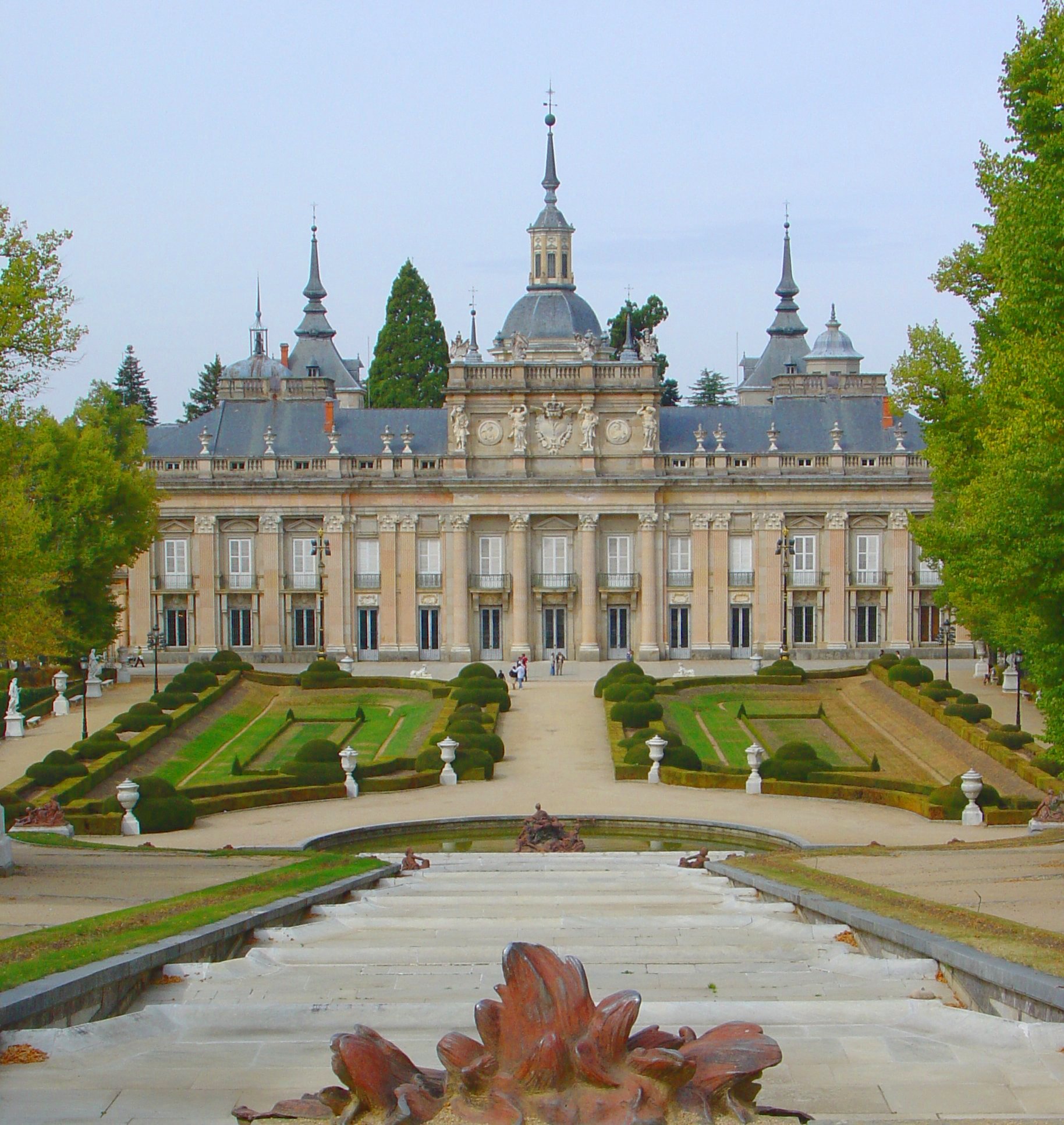
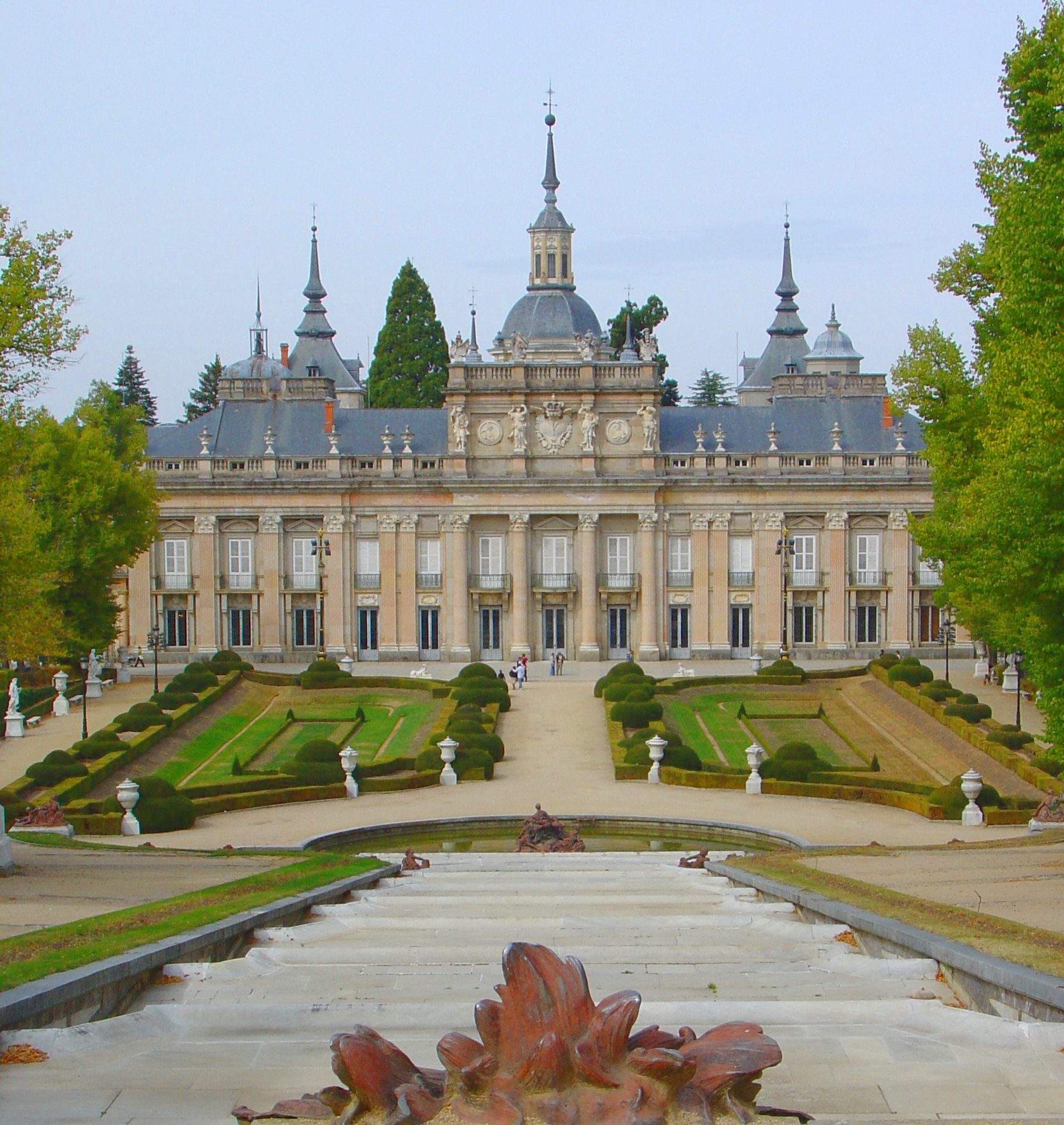
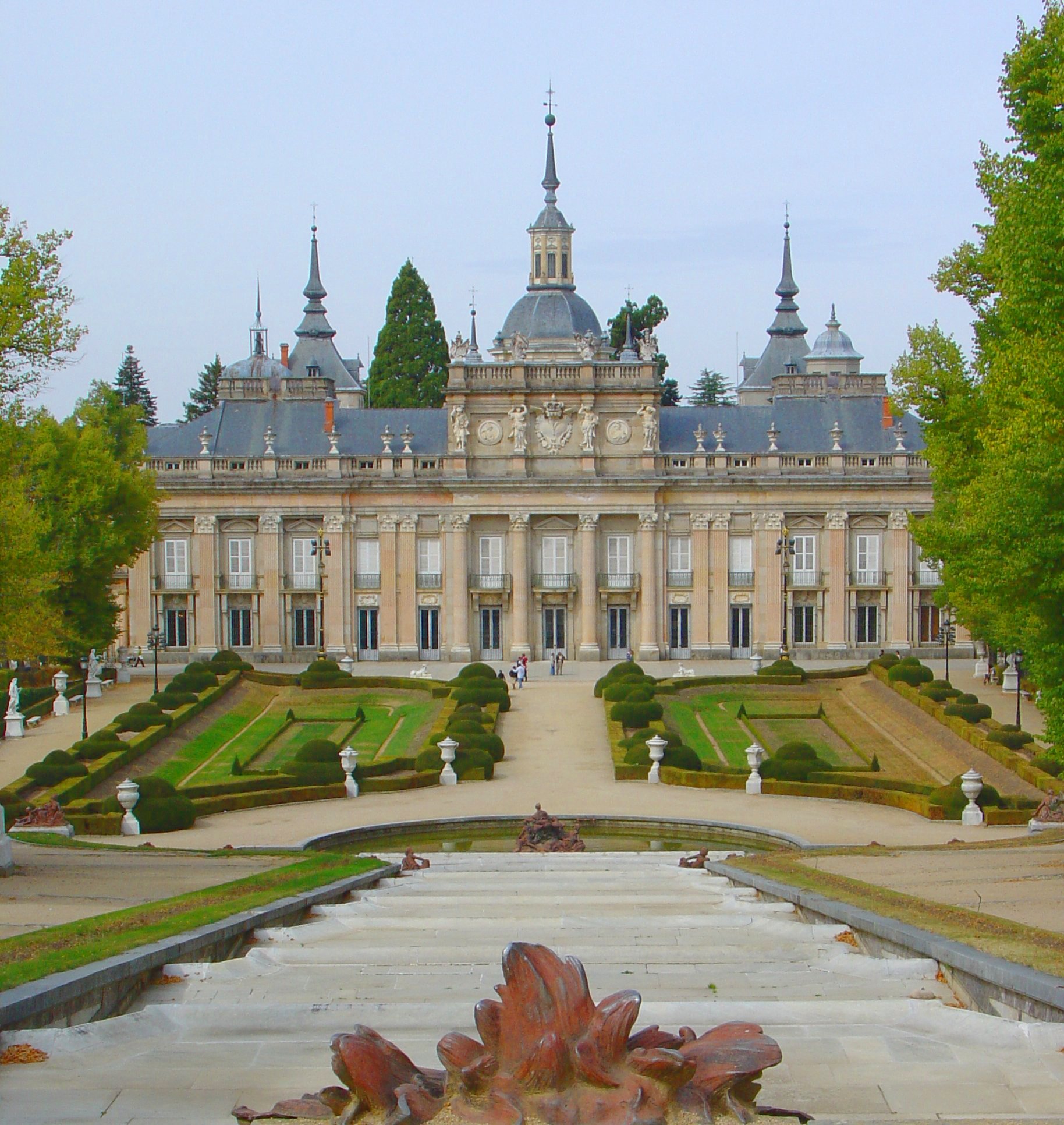
When you step onto the manicured lawns of the Royal Gardens, the first thing you’ll notice is the meticulous geometry of the pathways, each lined with trimmed hedges and marble statues. The Fuente de los Dragones de la Media Luna sits slightly off the central axis, inviting exploration.
- Visuals: The crescent basin reflects the surrounding sky, while the dragons’ sculpted bodies appear to emerge from the water. In the golden hour, the stone glows amber, and the water sparkles like liquid crystal.
- Sounds: The gentle murmur of water creates a calming soundtrack, punctuated by distant birdsong and the occasional echo of tourists’ chatter.
- Photography: The fountain is perfect for both wide‑angle shots that capture the garden’s layout and close‑ups that focus on the intricate dragon details. Use a polarizing filter to reduce glare on the water surface.
- Atmosphere: Unlike the busier Fuente de Apolo, the Dragon Fountain offers a quieter spot for contemplation. You may find locals sketching or couples enjoying a romantic pause.
6. Nearby Attractions
San Ildefonso’s garden is a cluster of baroque masterpieces. After admiring the Dragon Fountain, continue your cultural immersion by visiting these nearby highlights (all within a 0.2 km radius):
- Fuente de Apolo – A grand marble fountain depicting the Greek god Apollo with his lyre, located just 100 m away.
- Fuente de las Tres Gracias – Celebrates the three Graces of classical mythology; perfect for lovers of allegorical art.
- Fuente del Mascarón – Features an ornate mask (mascarón) that frames a playful water jet.
- Fuente de Neptuno – Depicts the Roman god of the sea, complete with trident and sea‑creature motifs.
- Fuente de Andrómeda – A slightly larger cascade representing the myth of Andromeda, just 200 m from the Dragon Fountain.
Each fountain tells its own story, yet together they form a harmonious narrative of myth, power, and water engineering that defined the Spanish Baroque garden style.
7. Travel Tips
| Tip | Details |
|---|---|
| Buy tickets in advance | The palace and gardens have timed entry tickets, especially during summer. Purchase online to avoid queues. |
| Bring comfortable shoes | The garden’s paths are mostly flat, but some sections have historic stone steps. |
| Pack a light rain jacket | Spring showers are common; the fountains continue to run, offering a romantic misty atmosphere. |
| Stay hydrated | Even in spring, the sun can be strong on the open lawns. Water fountains are available near the main entrance. |
| Respect the heritage | No climbing on statues or fountains. Keep a respectful distance to preserve the stonework. |
| Check the music schedule | The fountain’s evening water‑light show runs only on specific days; verify times on the official website before you go. |
| Explore local cuisine | After your garden tour, head to the town’s Plaza Mayor for cocido segoviano or lechazo asado—regional specialties that pair perfectly with a day of sightseeing. |
| Use the official app | The “La Granja” app offers an audio guide, interactive maps, and AR features that highlight hidden details of each fountain. |
Final Thoughts
The Fuente de los Dragones de la Media Luna may not be the most famous fountain in Spain, but its quiet elegance and mythic allure make it a standout feature of the Royal Gardens of San Ildefonso. By planning your visit with the practical tips above, you’ll experience a slice of Spanish baroque history that feels both timeless and personal.
So, pack your camera, lace up those walking shoes, and let the dragons guide you to a moonlit oasis in the heart of Castile & León. Safe travels!