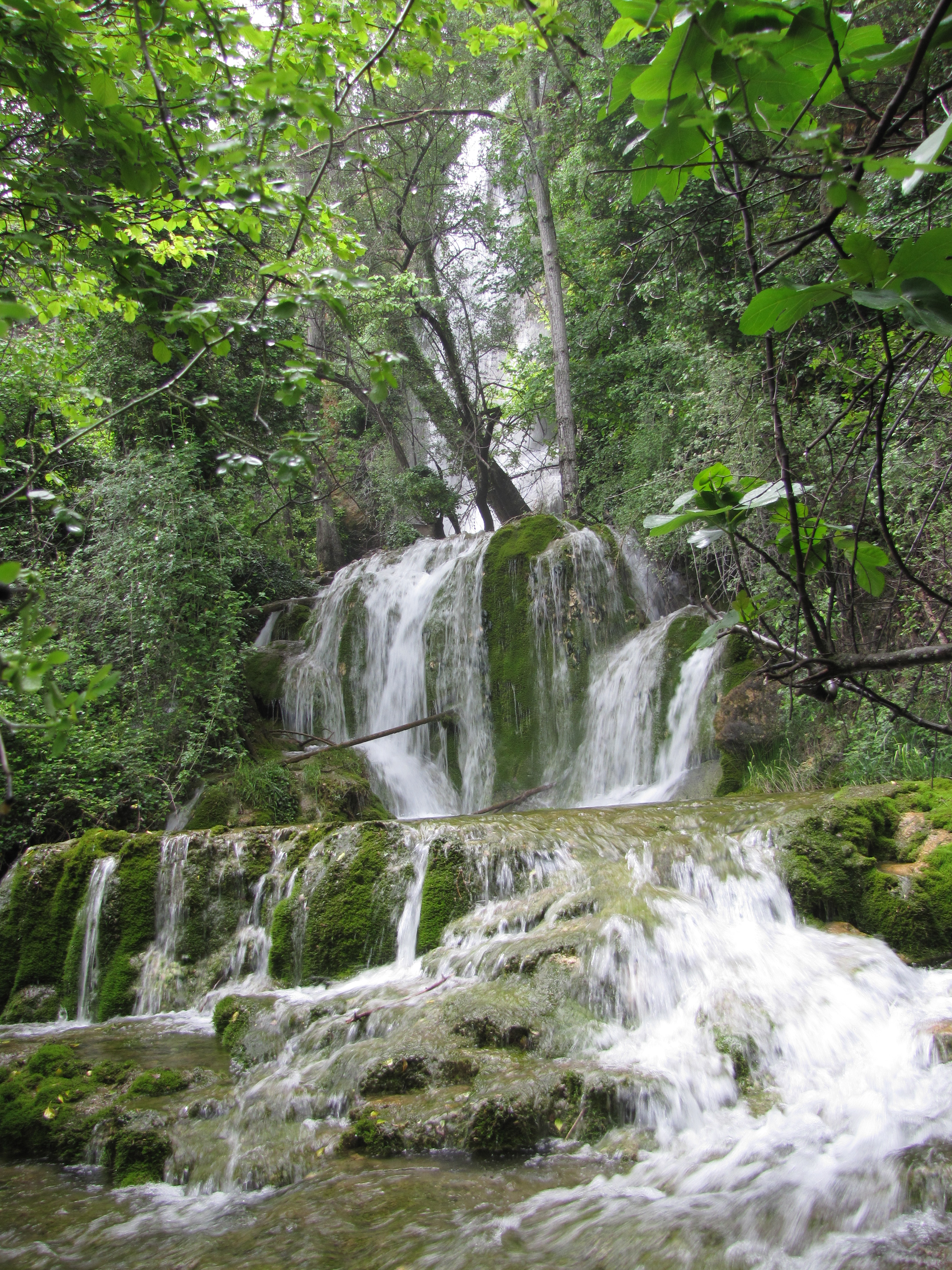
Fuente de La Toba – The Hidden Waterfall Gem of Castile and León
If you’re chasing the secret waterfalls of northern Spain, the tiny cascade of Fuente de La Toba in Golmayo should be at the top of your list. Tucked away in the rolling hills of Castile and León, this unassuming water‑fall offers a quiet, photogenic spot that feels far from the usual tourist trail.
1. Introduction
Imagine a crisp autumn morning, mist hovering over a narrow stream, and the gentle roar of water spilling over smooth stone. That’s the experience awaiting you at Fuente de La Toba, a modest yet enchanting waterfall located just outside the village of Golmayo, in the province of Burgos, Castile and León, Spain. Though it doesn’t boast the towering heights of the famous Cascada del Nervión, La Toba’s charm lies in its intimacy, the surrounding pine‑covered landscape, and the sense of discovery that comes with finding a hidden natural treasure.
Whether you’re a seasoned hiker, a family looking for a short nature outing, or a photographer hunting for that perfect splash‑filled frame, Fuente de La Toba delivers a peaceful escape that captures the essence of Spain’s lesser‑known water wonders.
2. About Fuente de La Toba
Description
Fuente de La Toba (also referenced as La Toba (Fuentetoba)) is a small waterfall fed by a local stream that winds through the gentle valleys of Golmayo. The cascade drops over a series of rocky ledges, creating a series of mini‑pools that reflect the surrounding greenery. Because official records do not list its exact height or altitude, the waterfall retains an air of mystery—perfect for travelers who love exploring the unknown.
History & Significance
The name “La Toba” comes from the old Castilian word toba, meaning “a place where water emerges”. Historically, the area around Golmayo has been a hub for agriculture and livestock, and the spring‑fed streams provided essential water for the local community. Over time, the waterfall became a quiet gathering spot for villagers, especially during the hotter summer months when the cool mist offered relief from the heat.
While the waterfall itself is not a major historical monument, its presence on the Spanish Wikipedia page for La Toba (Fuentetoba) underscores its cultural relevance within the region’s network of natural water sources. It also serves as a gateway to several nearby springs and reservoirs, forming an ecological corridor that supports local flora and fauna.
3. How to Get There
By Car
The most convenient way to reach Fuente de La Toba is by car. From Burgos (the nearest major city, about 20 km north), take the N‑120 south toward Golmayo. After passing the town centre, follow the signs for Camino de la Toba (local road). The waterfall sits just 0.1 km off this road, and a small, unpaved parking area near the trailhead makes it easy to leave your vehicle safely.
- GPS coordinates:
41.783116, -2.570163 - Estimated driving time: 30 minutes from Burgos, 45 minutes from Valladolid
By Public Transport
While there is no direct train station at the waterfall, the Renfe line to Golmayo (a stop on the Burgos–Valladolid route) drops you off within walking distance of the village centre. From there, a short taxi ride or a 15‑minute walk along the country road will bring you to the cascade.
By Bike or Hiking
For the adventurous, the Camino de Santiago passes not far from Golmayo, and several local cycling routes connect Burgos to the surrounding countryside. A scenic bike ride through the fields and oak groves can be a rewarding way to arrive, especially during the spring when wildflowers line the path.
4. Best Time to Visit
| Season | Conditions | Why Visit |
|---|---|---|
| Spring (March‑May) | Moderate temperatures, higher water flow from melting snow | Lush vegetation, vibrant wildflowers, and the waterfall at its most lively. |
| Summer (June‑August) | Warm days, occasional dry spells | Early mornings offer cool mist; perfect for a refreshing dip in the natural pools. |
| Autumn (September‑November) | Mild weather, colorful foliage | Golden light and quieter trails make for stunning photography. |
| Winter (December‑February) | Cooler, lower water volume | A peaceful, almost meditative atmosphere; occasional frost adds a magical touch. |
Overall, late spring to early autumn provides the most reliable water flow and comfortable hiking conditions. If you prefer solitude, aim for a weekday early morning during the shoulder months of May or September.
5. What to Expect
When you arrive at the trailhead, a modest wooden sign points toward the “Cascada de La Toba.” The path is a short, well‑maintained dirt track that winds through a mix of pine and oak trees. As you approach, the sound of water becomes louder, guiding you to the cascade’s base.
The waterfall itself is not massive, but its series of gentle drops creates a soothing soundtrack. The surrounding rock formations form natural ledges where you can sit, dip your feet, or set up a tripod for long‑exposure shots. The water’s clarity reflects the sky, making it an excellent spot for mirror‑like photography.
Wildlife is common: you may spot European green lizards, common kingfishers, and the occasional red‑winged blackbird flitting among the trees. In the summer, the nearby Manantial de la Toba spring (2.8 km away) feeds a small meadow that bursts with butterflies, adding color to your visit.
Because the site is relatively secluded, facilities are minimal. There are no public restrooms or cafés on site, so plan accordingly. However, the nearby village of Golmayo offers a few traditional taverns where you can enjoy castellano dishes such as cocido castellano or a glass of local ribera del Duero wine.
6. Nearby Attractions
While Fuente de La Toba is the star of the day, the surrounding area boasts several complementary natural spots that can easily fill a half‑day itinerary:
- La Toba (Fuentetoba) – Waterfall – The same cascade you’re visiting, listed for reference.
- Manantial de la Toba (spring) – 2.8 km away; a crystal‑clear spring surrounded by meadowland, perfect for a picnic.
- Manantial de la Fuente Vieja (spring) – 5.4 km away; another historic spring that offers a quiet spot for bird‑watching.
- Presa de Buitrago (dam) – 6.7 km away; a larger water reservoir where you can rent a small boat or simply enjoy the panoramic view of the reservoir against the Castilian horizon.
All links lead to Spanish‑language pages that provide additional details, maps, and visitor information.
7. Travel Tips
| Tip | Details |
|---|---|
| Pack a picnic | There are no food vendors at the waterfall. Bring water, snacks, and a blanket to enjoy the meadow near the Manantial de la Toba spring. |
| Footwear | Sturdy walking shoes or light hiking boots are recommended. The trail can be slippery near the water’s edge, especially after rain. |
| Timing | Arrive early (before 9 am) during peak summer months to avoid the occasional crowd and to capture the best light for photos. |
| Respect the environment | The area is part of a delicate ecosystem. Stick to marked paths, avoid littering, and do not disturb wildlife. |
| Safety | The water is cold year‑round; if you plan to swim, test the temperature first. Keep an eye on children near the edge of the pools. |
| Connectivity | Mobile signal can be spotty. Download offline maps (Google Maps or MAPS.ME) using the coordinates 41.783116, -2.570163. |
| Language | While Spanish is the primary language, most locals in Golmayo understand basic English, especially in tourist‑oriented taverns. |
| Seasonal gear | In spring, bring a light rain jacket; in winter, dress in layers and consider waterproof shoes. |
Final Thought
Fuente de La Toba may not dominate travel guidebooks, but that very anonymity makes it a priceless slice of Castile and León’s natural heritage. A short drive from Burgos, a gentle hike through pine‑lined valleys, and the soothing sound of water over stone—these are the ingredients of an authentic Spanish waterfall experience. So pack your camera, lace up your boots, and let La Toba’s quiet cascade refresh your wanderlust.
Happy travels, and may the mist of La Toba inspire your next adventure!
