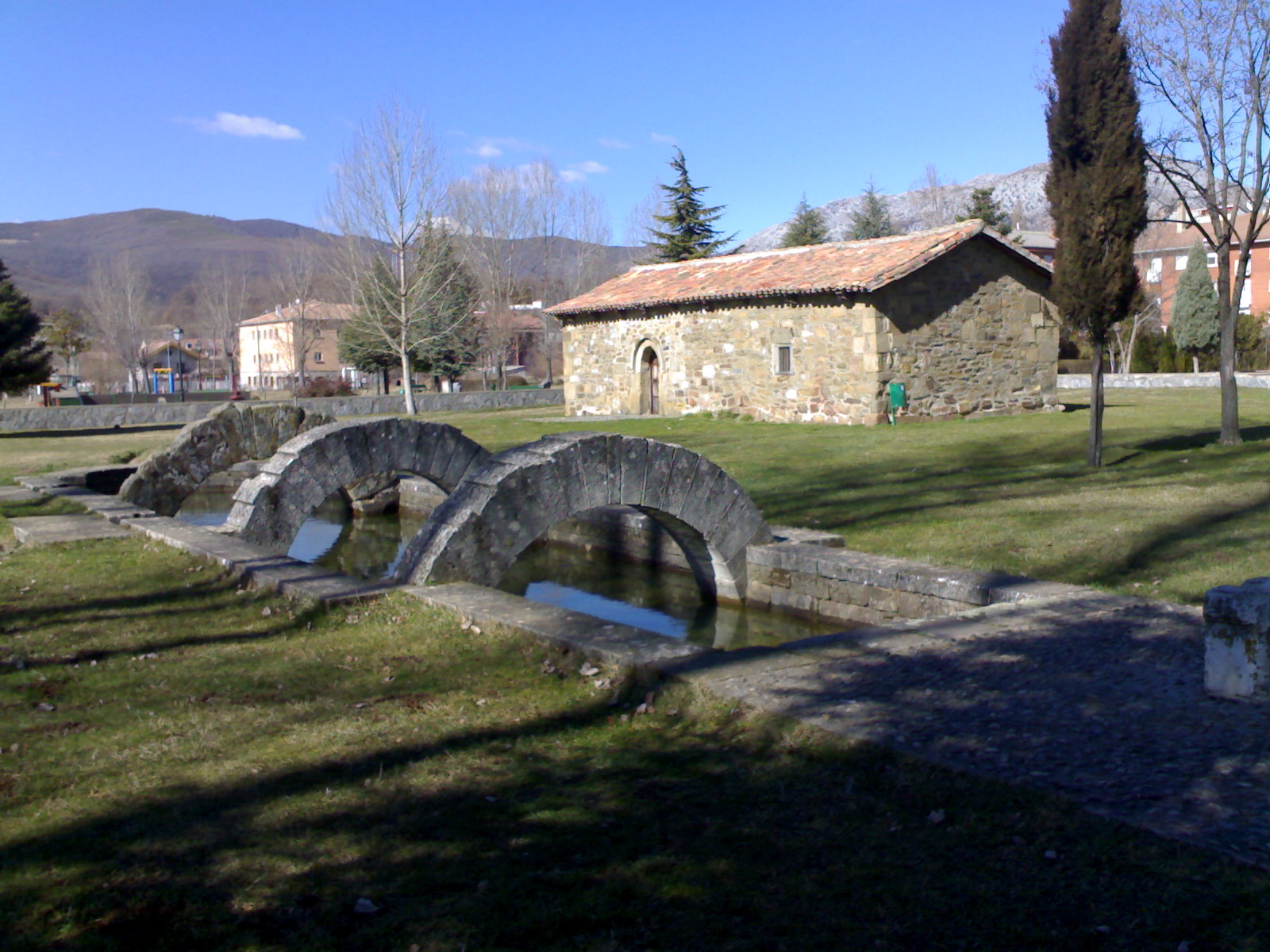
Fuente de La Reana – The Hidden Spring Jewel of Castile and León
Discover the crystal‑clear waters, ancient history, and tranquil landscape of one of Spain’s lesser‑known natural treasures.
Introduction
If you think you’ve seen every spectacular spring in Spain, think again. Nestled in the rolling hills of Velilla del Río Carrión in Castile and León, Fuente de La Reana is a modest yet mesmerizing spring that whispers stories of Roman engineering, medieval pilgrimages, and the timeless rhythm of mountain streams. Far from the crowded tourist hubs of Madrid or Barcelona, this hidden gem offers a peaceful escape for nature lovers, history buffs, and anyone craving an authentic slice of Spanish countryside.
Whether you’re mapping a road‑trip through the historic provinces of León and Burgos, or you’re a local explorer seeking a day‑trip off the beaten path, Fuente de La Reana should be high on your itinerary. In this guide, we’ll dive into everything you need to know – from the spring’s fascinating background to practical travel tips that will make your visit smooth and unforgettable.
About Fuente de La Reana
A Spring with Roots in Antiquity
Fuente de La Reana is part of the Fuentes Tamáricas, a network of natural springs that supplied water to the ancient Roman road known as the Via de la Plata. While the exact altitude and height of the spring remain undocumented, its location at 42.823325° N, -4.845939° W places it within a limestone‑rich basin that has been feeding the surrounding valleys for millennia.
The term Tamáricas comes from the ancient Tamáricos people, who originally harnessed these springs for irrigation and livestock. Later, Roman engineers built stone channels and cisterns to transport the water to nearby settlements, a testament to the spring’s long‑standing importance. Even today, locals still regard Fuente de La Reana as a vital source of fresh water and a symbol of the region’s resilient relationship with nature.
Why It Matters
- Cultural Heritage – The spring is linked to the historic water‑management systems that sustained Roman and medieval communities in Castile and León.
- Ecological Value – Its clear, mineral‑rich waters support a variety of aquatic plants and provide a drinking source for wildlife.
- Scenic Serenity – Surrounded by pine‑covered slopes and gentle meadows, the spring offers a tranquil setting ideal for reflection, photography, and simple enjoyment of the outdoors.
How to Get There
By Car
The most convenient way to reach Fuente de La Reana is by car. From Burgos (approximately 80 km north‑west), take the A-1 highway toward Palencia, then exit onto N-120 heading south to Velilla del Río Carrión. Follow the local signs for “Fuente de La Reana”; the turn‑off is just off the main road, and a modest parking area sits near the spring.
- Driving time from Burgos: ~1 hour 15 minutes
- Driving time from León: ~1 hour 45 minutes
By Public Transport
- Bus: Regional bus line C3 (operated by ALSA) connects Burgos and Velilla del Río Carrión. The bus stops a short walk (≈10 minutes) from the spring’s parking lot.
- Train: The Renfe line from Valladolid to Palencia stops at Velilla del Río Carrión station. From there, a local taxi or the aforementioned bus will bring you to the spring.
GPS Navigation
Enter the coordinates 42.823325, -4.845939 into any GPS device or smartphone map app. The route will guide you directly to the spring’s access point, making it easy even for first‑time visitors.
Best Time to Visit
| Season | Weather | Visitor Experience |
|---|---|---|
| Spring (March‑May) | Mild temperatures (12‑20 °C), blooming wildflowers | Ideal for photography, comfortable hikes, and vibrant scenery. |
| Summer (June‑August) | Warm to hot (25‑35 °C), occasional thunderstorms | Early mornings are best; later in the day can be hot, but the spring’s cool water offers relief. |
| Autumn (September‑November) | Pleasant (15‑22 °C), colorful foliage | Perfect for tranquil walks and enjoying the changing colors of the surrounding forest. |
| Winter (December‑February) | Cool (5‑10 °C), occasional frost | The spring may appear misty; fewer visitors, great for solitude, but dress warmly. |
Recommendation: For most travelers, late spring (April‑May) and early autumn (September‑October) provide the most comfortable climate and the richest natural backdrop.
What to Expect
The Sights & Sounds
- Crystal‑Clear Water: The spring’s flow is steady and pure, often forming a small pool that reflects the sky like a mirror.
- Natural Setting: A gentle cascade of water over limestone rocks creates a soothing soundscape. Pine trees and low‑lying shrubs frame the area, offering shaded spots for a picnic.
- Historical Markers: Small informational plaques (in Spanish) describe the spring’s role in the Fuentes Tamáricas system, giving you a quick glimpse into its past.
Activities
- Short Walks: A marked trail circles the spring, allowing a leisurely 15‑minute loop that showcases nearby flora.
- Photography: The interplay of light on water, especially during sunrise or golden hour, yields stunning images.
- Picnicking: Bring a packed lunch and enjoy it on the designated stone benches overlooking the water.
Facilities
- Parking: A modest lot (≈15 spaces) is available near the spring.
- Restrooms: Basic eco‑toilets are located a few meters from the parking area.
- Signage: Clear directional signs guide visitors from the road to the spring and back.
Nearby Attractions
While Fuente de La Reana is a highlight on its own, the surrounding area offers several other natural springs and points of interest that can easily be combined into a full‑day itinerary.
| Attraction | Distance | What to See | Link |
|---|---|---|---|
| Manantial del Pozorrama | 0.6 km | Another pristine spring with a small waterfall. | Manantial del Pozorrama |
| Manantial de Areños | 0.8 km | Quiet pool surrounded by meadow grasses. | Manantial de Areños |
| Manantial de Las Barreras | 1.1 km | A series of stone‑lined channels dating back to Roman times. | Manantial de Las Barreras |
| Manantial del Prazuelo | 1.3 km | Slightly larger spring feeding a gentle creek. | Manantial del Prazuelo |
| Presa de Velilla del Río Carrión (Dam) | 1.4 km | Scenic reservoir perfect for kayaking or a lakeside walk. | Presa de Velilla del Río Carrión |
All of these sites are reachable on foot or by a short drive, making the region an excellent destination for spring‑hopping enthusiasts.
Travel Tips
- Pack Proper Footwear – The trail can be slippery near the water’s edge. Sturdy, water‑resistant shoes or hiking sandals are ideal.
- Bring a Reusable Water Bottle – While the spring water is clean, it’s courteous to carry your own bottle for drinking and avoid leaving plastic waste.
- Check the Weather Forecast – Spring showers can turn the path muddy; a light rain jacket will keep you comfortable.
- Respect the Environment – Stay on marked trails, avoid picking plants, and take any litter with you. The spring’s ecosystem is delicate.
- Timing is Key – Arrive early (especially in summer) to enjoy the spring in relative quiet and to secure a parking spot.
- Mobile Connectivity – Cellular coverage can be spotty; download offline maps (Google Maps or Maps.me) before you set off.
- Local Cuisine – After your spring tour, stop in Velilla del Río Carrión for traditional Castilian dishes such as cocido leones or lechazo asado.
- Photography Etiquette – If you’re using a tripod, be mindful of other visitors and keep equipment low to avoid obstructing the view.
Final Thoughts
Fuente de La Reana may not have the towering fame of Spain’s coastal cliffs or bustling city squares, but its quiet charm, historic significance, and pristine waters make it a must‑visit destination for off‑the‑beaten‑path travelers. By planning ahead, respecting the natural environment, and allowing yourself time to soak in the serenity, you’ll leave with memories of a spring that has quietly nourished the land—and now, you—through the ages.
Ready to explore? Grab your map, fuel up the car, and set your GPS to 42.823325, -4.845939. The spring awaits.
Keywords: Fuente de La Reana, spring in Castile and León, Velilla del Río Carrión, Fuentes Tamáricas, natural springs Spain, hidden gems Spain, spring hopping Castile and León, travel to Castile and León, rural tourism Spain, historic water springs.