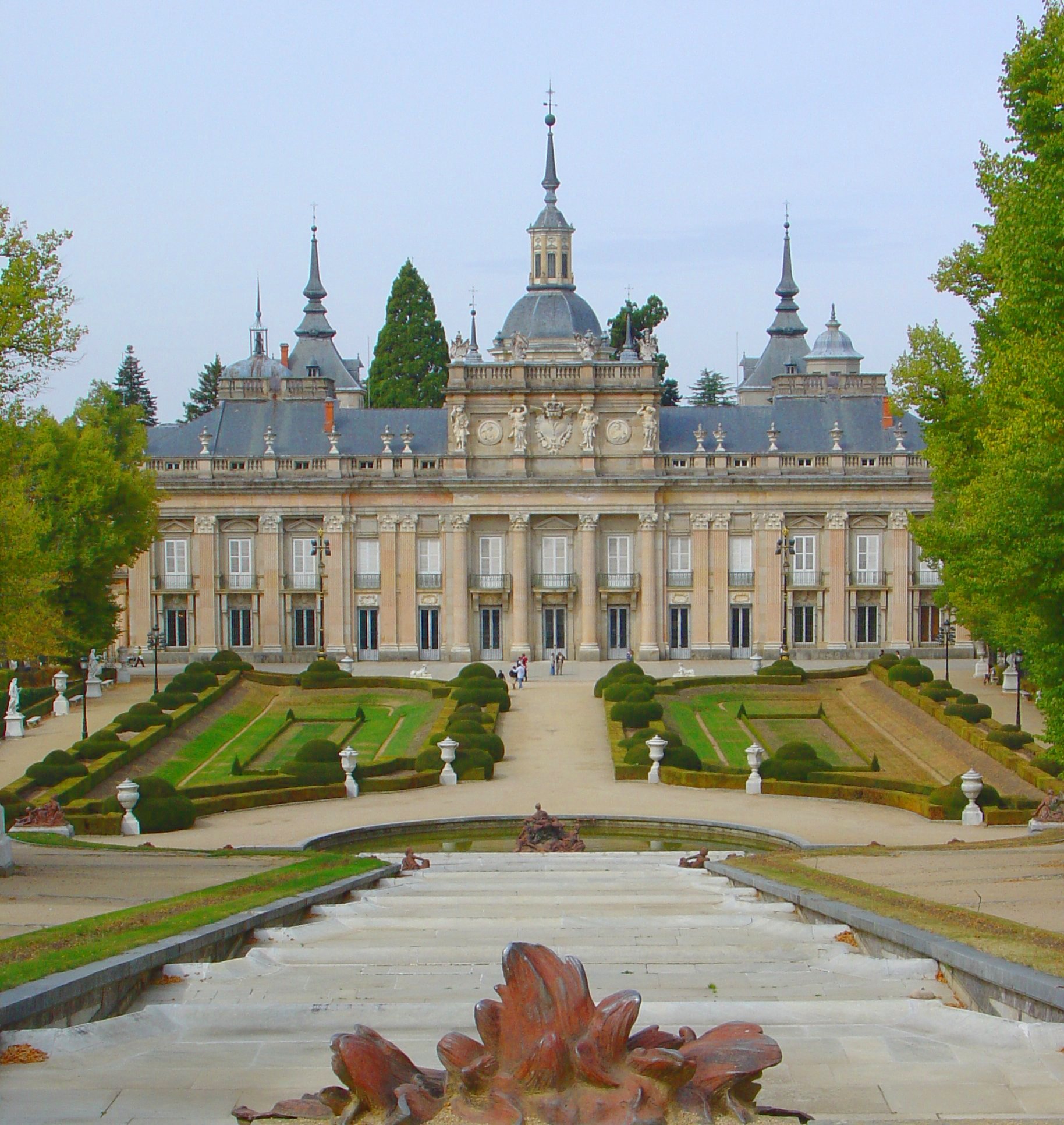
Fuente de la Fama – The Hidden Jewel of San Ildefonso, Castile and León
If you think the grand fountains of Rome or the sparkling jets of Dubai are the only ones worth seeing, think again. Nestled in the verdant gardens of the Royal Palace of La Granja, the Fuente de la Fama (Fountain of Fame) offers a tranquil, photo‑worthy pause for anyone exploring the historic heart of Castile and León.
1. Introduction
Travelers who wander off the beaten path in Spain often stumble upon surprises that feel like secret chapters of a storybook. The Fuente de la Fama is one of those moments—a modest yet elegant fountain that whispers tales of royal pageantry, Baroque garden design, and the timeless allure of water in art. Located just a short stroll from the majestic Palacio Real de la Granja de San Ildefonso, this fountain invites you to pause, listen to the gentle splash, and soak up the atmosphere that has inspired monarchs, artists, and wanderers for centuries.
Whether you’re a history buff, a photography enthusiast, or simply someone who loves to discover hidden corners of Europe, the Fuente de la Fama deserves a spot on your itinerary. In this guide, we’ll explore its background, give you practical travel tips, and highlight nearby attractions that will round out a perfect day in San Ildefonso.
2. About Fuente de la Fama
A Brief Description
- Type: Fountain ⛲
- Location: San Ildefonso, Castile and León, Spain
- Coordinates: 40.895776, -4.006710
The Fuente de la Fama sits amid the meticulously landscaped gardens of the Royal Palace of La Granja, a 18th‑century summer residence built for King Philip V. While the fountain’s exact height and altitude remain undocumented, its design reflects the French Baroque tradition that dominates the palace’s waterworks—symmetrical basins, sculptural elements, and a rhythm of water that creates a soothing soundtrack for visitors.
Historical Context
The palace itself was modeled after France’s Versailles, and its gardens were conceived as a showcase of hydraulic engineering and artistic grandeur. The Fuente de la Fama is part of this larger ensemble of fountains, statues, and ornamental pools that were commissioned to demonstrate the power and taste of the Spanish Bourbon monarchy. Though specific archival records about the fountain’s construction are scarce, its name—Fama (meaning “fame” or “renown”)—suggests a symbolic role: a celebration of the royal family’s prestige and the cultural flourishing of the era.
Why It Matters
- Cultural Significance: The fountain contributes to the UNESCO‑listed heritage of the La Granja complex, embodying the fusion of art, engineering, and nature that defined 18th‑century royal gardens.
- Photographic Appeal: Its clean lines and reflective water make it a favorite backdrop for Instagram shots, especially when framed by the surrounding manicured hedges and stone walkways.
- Quiet Reflection: Unlike the more crowded main fountains of the palace, the Fuente de la Fama offers a peaceful spot to sit, read a travel journal, or simply enjoy the sound of water.
3. How to Get There
Getting to San Ildefonso
- By Air: The nearest major airports are Valladolid Airport (VLL) (≈80 km) and Madrid–Barajas Airport (MAD) (≈130 km). From either airport, rent a car or take a combination of train and bus.
- By Train: Renfe’s Alvia and Avant services connect Madrid’s Chamartín station to Segovia (≈30 min). From Segovia, a regional bus (Line 111) runs to San Ildefonso.
- By Car: The drive from Madrid via the A‑6 and AP‑6 toll highways takes about 1.5 hours. Follow signs for San Ildefonso/La Granja; parking is available near the palace entrance.
From the Palace Entrance to the Fountain
- Start at the main gate of the Palacio Real de la Granja (the iconic wrought‑iron arch).
- Enter the formal garden and follow the central gravel pathway heading east.
- After approximately 300 meters, you’ll encounter a series of smaller fountains; the Fuente de la Fama sits on the left side of the path, marked by a low stone basin and a modest sculptural element.
- Walking time: 5 minutes from the palace’s front entrance.
4. Best Time to Visit
| Season | Weather & Crowd Level | Why Visit |
|---|---|---|
| Spring (March‑May) | Mild temperatures (12‑20 °C), blossoms in the garden | The water features are fully operational, and the surrounding flora adds vibrant color. |
| Summer (June‑August) | Warm to hot (20‑30 °C), peak tourist season | Longer daylight hours allow for extended photo sessions; however, expect larger crowds. |
| Autumn (September‑November) | Pleasant (15‑22 °C), golden foliage | The fountain’s reflections are especially striking against autumnal hues, and crowds thin out. |
| Winter (December‑February) | Cool (5‑12 °C), occasional frost | The palace’s fountains may be turned off for maintenance, so check the schedule; the quiet atmosphere is perfect for contemplative visits. |
Insider tip: The palace’s water shows (musical fountain displays) typically run on weekends from April to October. Arriving early in the morning (around 9 am) lets you enjoy the Fuente de la Fama before the larger crowds gather.
5. What to Expect
When you step onto the garden path, the first thing you’ll notice is the gentle murmur of water that seems to echo through the stone arches. The Fuente de la Fama, though modest in size, is crafted from smooth limestone that has weathered gracefully over the centuries. A thin jet of water rises from the center of the basin, creating a delicate spray that catches the sunlight in a shimmering veil.
Surrounding the fountain are low hedges trimmed into geometric patterns, typical of Baroque garden design. Benches placed nearby invite you to sit, sip a café con leche from a nearby kiosk, and watch families and couples strolling past. The overall ambiance is one of elegant serenity, a stark contrast to the bustling streets of nearby Segovia.
Because the fountain is part of a larger water system, you may also hear the faint, rhythmic thumping of water being pumped through the palace’s underground channels—a reminder of the engineering marvel that powers all the fountains at La Granja.
6. Nearby Attractions
While the Fuente de la Fama is a highlight, the surrounding area offers several other points of interest that can easily fill a half‑day itinerary:
- Fuente de los Dragones de Abajo – A playful fountain featuring dragon sculptures that spout water from their mouths. Located just 0.2 km away.
- Fuente de los Dragones de Arriba – The counterpart to the “Abajo” version, perched slightly higher on the garden’s terrace. Also 0.2 km from the Fuente de la Fama.
- Hércules Fountain – A striking Baroque statue of Hercules battling the Nemean lion, set within a marble basin. Approximately 0.2 km away.
- Palacio Real de la Granja de San Ildefonso – The main attraction, a sprawling royal palace with opulent interiors, extensive gardens, and spectacular water shows. See the official page for opening hours and ticket information: https://es.wikipedia.org/wiki/Palacio_Real_de_la_Granja_de_San_Ildefonso.
- San Ildefonso Town Center – A charming historic town with narrow cobblestone streets, traditional Castilian restaurants, and local artisan shops.
All these sites are within a comfortable walking radius, allowing you to explore the garden’s water‑themed narrative without needing a car or public transport.
7. Travel Tips
| Tip | Details |
|---|---|
| Wear comfortable shoes | The garden paths are paved with stone and can be uneven in places. |
| Bring a reusable water bottle | There are water fountains near the palace entrance, but staying hydrated is essential, especially in summer. |
| Check fountain operation schedule | Some water features are turned off for maintenance during winter months; the palace’s website provides up‑to‑date information. |
| Photography | Early morning light (around 9 am) offers soft illumination and fewer visitors. A polarizing filter can help reduce glare on the water surface. |
| Local cuisine | After your fountain tour, head to the town’s tapas bars for jamón serrano, queso de oveja, and a glass of Ribera del Duero wine. |
| Currency | Spain uses the Euro (€). Most places accept credit cards, but it’s handy to have some cash for small vendors. |
| Language | Spanish is the official language; a few basic phrases (“por favor,” “gracias,” “¿dónde está…?”) go a long way. |
| Accessibility | The main garden pathways are relatively flat, but some historic stone steps may be challenging for wheelchair users. Contact the palace’s visitor services for assistance. |
Final Thought
The Fuente de la Fama may not boast the towering grandeur of a Versailles water feature, but its quiet charm, historic context, and perfect placement within the La Granja gardens make it a must‑see for anyone traveling through Castile and León. Pair it with the nearby dragon fountains and the Hercules statue, and you’ll experience a miniature masterpiece of Baroque garden art that tells the story of Spanish royalty, engineering brilliance, and the timeless allure of water.
Pack your camera, lace up those walking shoes, and let the sound of the fountain guide you into a moment of Spanish fame you’ll remember long after you leave the kingdom’s hills. Safe travels!