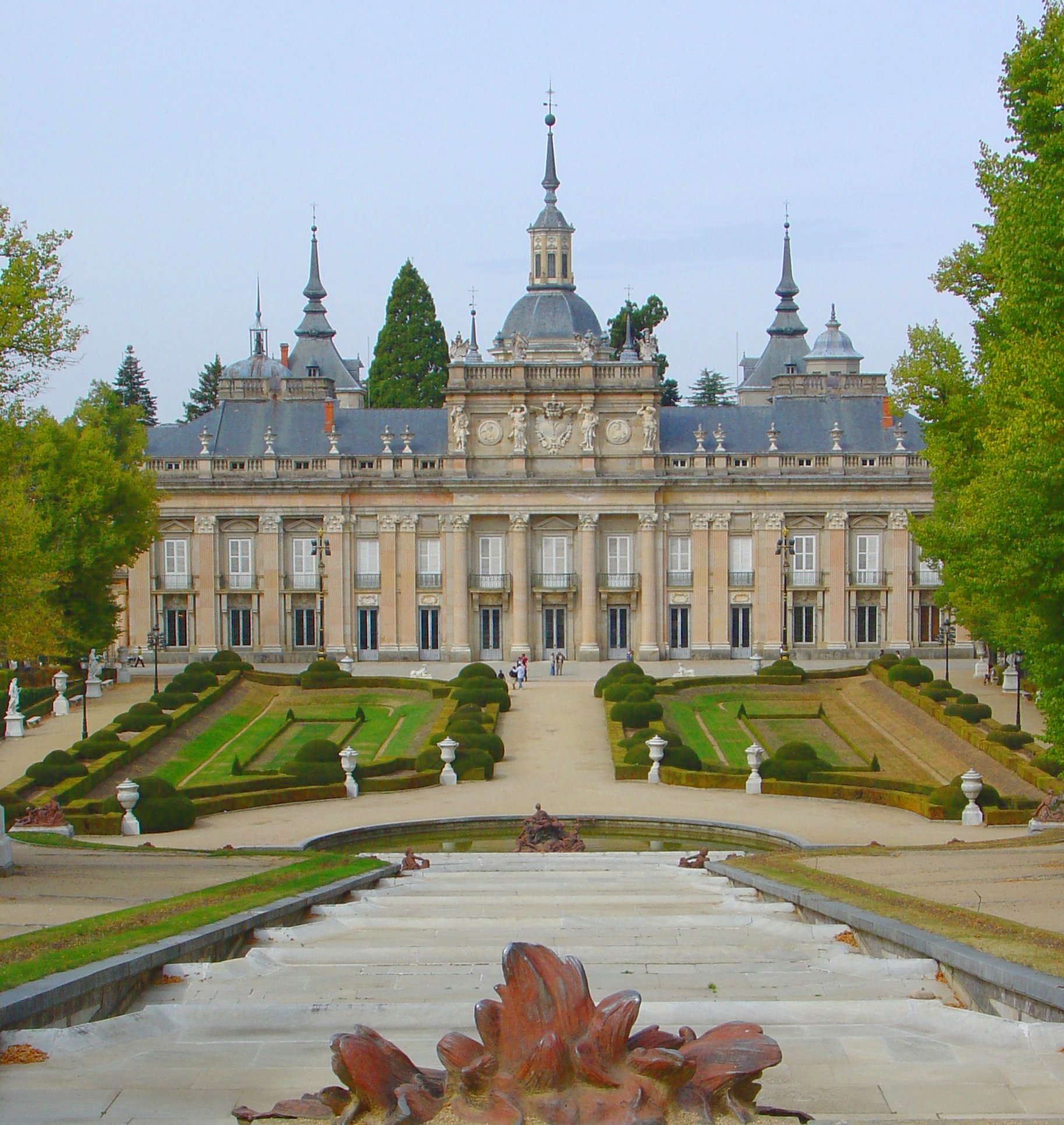
Fuente de la Canastilla – The Hidden Jewel of San Ildefonso, Castile and León
Discover the whisper‑quiet charm of one of Spain’s most elegant garden fountains, tucked away in the historic town of San Ildefonso.
Introduction
If you picture the grand water spectacles of the Royal Palace of La Granja, you might imagine towering cascades, gilded statues, and the roar of a royal court. Yet just a short stroll from the palace’s opulent main gardens lies a more intimate masterpiece: Fuente de la Canastilla. This modest yet exquisitely crafted fountain offers travelers a moment of quiet reflection amid the lush greenery of San Ildefonso, a UNESCO‑listed town in the heart of Castile and León. Whether you’re a history buff, a photography enthusiast, or simply looking for a peaceful spot to sip an espresso, the Canastilla fountain deserves a place on your itinerary.
About Fuente de la Canestilla
A brief description
- Type: Fountain ⛲
- Location: San Ildefonso, Castile and León, Spain
- Coordinates: 40.893058, -4.002345
- Altitude / Height: Not officially recorded (the fountain sits at the same elevation as the surrounding palace gardens)
The name Canastilla (literally “little basket”) likely refers to the basin’s shallow, basket‑shaped design, which gently cradles the water that flows from a discreet spout. The stonework is typical of the 18th‑century Baroque style that dominates the Palacio Real de la Granja de San Ildefonso (see the palace’s Wikipedia page for a deeper dive). Though smaller than the palace’s famed “Fountain of the Neptune” or “Fountain of the Victory,” Canastilla’s subtle elegance makes it a favorite among locals who enjoy a quiet corner away from the main tourist throngs.
Historical context
Fuente de la Canastilla was constructed as part of the extensive water‑feature network that surrounded the Royal Palace of La Granja. When King Philip V commissioned the palace in the early 1700s, he imported French garden design principles, turning the estate into a Spanish Versailles. The fountains were engineered to recycle water from the nearby Fuente de la Granja reservoir, creating a continuous, low‑key cascade that complemented the formal parterres. While the exact date of Canastilla’s installation isn’t documented, its style aligns with the mid‑18th‑century additions that enriched the palace’s secondary gardens.
Cultural significance
In Spanish garden tradition, fountains are more than decorative objects—they symbolize life, purity, and the monarch’s control over nature. Fuente de la Canastilla, perched near the palace’s lesser‑known “casa de huéspedes” (guest house), served as a tranquil gathering point for aristocratic visitors seeking respite from the formal court ceremonies. Today, the fountain stands as a reminder of the region’s aristocratic past while offering a peaceful backdrop for modern travelers.
How to Get There
By air
The nearest major airport is Adolfo Suárez Madrid‑Barajas (MAD), about 115 km (≈ 70 mi) east of San Ildefonso. From Madrid, you can rent a car or catch a direct bus to the town.
By train
Renfe’s Alvia service runs from Madrid‑Chamartín to Segovia‑Guadarrama (≈ 80 km). From Segovia, a regional bus (Line 102) or a taxi will take you the remaining 35 km to San Ildefonso.
By car
Driving is the most flexible option. From Madrid, follow the A‑6 highway toward Ávila, then take the N‑110 north to San Ildefonso. The journey takes roughly 1.5 hours, and you’ll be rewarded with scenic views of the Sierra de Guadarrama mountains. Parking is available near the Palacio Real de la Granja visitor center; from there, it’s a 5‑minute walk to Fuente de la Canastilla.
Walking directions from the palace
- Enter the main gate of the Royal Palace of La Granja.
- Follow the central avenue (the Calle del Palacio) past the Fuente de las Tazas de Arriba.
- Turn left onto the gravel path that leads toward the Jardín del Príncipe.
- After about 200 m, you’ll spot the stone basin of Fuente de la Canastilla nestled beside a low hedgerow.
Best Time to Visit
| Season | Why it works | Tips |
|---|---|---|
| Spring (April‑June) | Blossoming lilacs, mild temperatures, and fewer crowds than summer. | Bring a light jacket; the morning mist adds a magical atmosphere to the fountain’s surface. |
| Summer (July‑August) | Long daylight hours allow for extended exploration of the palace gardens. | Arrive early (before 9 am) to avoid the midday heat and the peak tourist rush. |
| Autumn (September‑October) | Golden foliage frames the fountain, creating perfect photo opportunities. | The weather is still pleasant; a warm sweater for evenings is advisable. |
| Winter (November‑March) | Quietest period; the fountain’s stone glistens with frost on rare cold days. | Check opening hours—some garden sections close earlier in winter. |
Overall, late spring and early autumn strike the best balance between comfortable weather, vibrant scenery, and manageable visitor numbers.
What to Expect
Sensory experience
Approaching Fuente de la Canastilla, you’ll first notice the gentle murmur of water—a soft, rhythmic sound that contrasts with the distant chatter of tourists at the main palace fountains. The water flows over a smooth stone lip, creating a subtle spray that catches the sunlight, producing a delicate sparkle. The surrounding garden is trimmed in a formal French style: low box hedges, symmetrical flower beds, and occasional marble statues that peek from behind the foliage.
Photo opportunities
- Golden hour: The low sun casts long shadows, highlighting the fountain’s stone texture.
- Reflections: Position yourself opposite the basin to capture the mirrored sky and nearby trees.
- Details: Close‑up shots of the water’s ripple pattern and the intricate stone carving around the rim reveal craftsmanship often missed from a distance.
Visitor flow
Because the fountain is off the main tourist circuit, you’ll typically encounter small groups or solitary visitors. This tranquility makes it an ideal spot for a quick meditation break, a romantic pause, or a quiet place for children to splash their feet safely.
Nearby Attractions
While you’re in the area, consider exploring these charming water features—all within a 0.2 km radius of Fuente de la Canastilla:
- Fuente de las Tazas de Arriba – A pair of elegant basins that resemble tea cups, located just 100 m away.
- Fuente de las Tazas de Abajo – The lower counterpart to the “Tazas de Arriba,” offering a playful cascade.
- La Victoria (fountain) – A triumphal fountain celebrating Spanish victories, 200 m from Canastilla.
- Marte (fountain) – A myth‑themed water feature honoring the Roman god of war, also 200 m away.
- Neptuno (fountain) – The grandest of the palace’s fountains, depicting the sea god with dramatic water jets, just a short walk from the Canastilla basin.
All of these attractions are part of the Royal Palace of La Granja garden complex, which is a UNESCO World Heritage Site. A single walking route can link them all, allowing you to experience a diverse range of Baroque water engineering without leaving the historic heart of San Ildefonso.
Travel Tips
- Buy a combined ticket – The Palacio Real de la Granja offers a “Gardens & Fountains” ticket that includes access to all the nearby water features, saving both time and money.
- Wear comfortable shoes – The garden paths are gravel‑covered and can be uneven near the fountains.
- Bring a reusable water bottle – There are refill stations near the visitor center, and staying hydrated is essential, especially in summer.
- Respect the water – While the fountain’s basin is shallow, avoid swimming or stepping directly into the water to preserve its historic stonework.
- Check the schedule for musical fountains – Some of the larger fountains (e.g., Neptuno) have timed water‑music shows in the evenings during peak season. The Canastilla fountain remains silent, offering a calm contrast.
- Photography etiquette – Flash is discouraged near the historic stone to prevent damage; natural light works best.
- Local cuisine – After your fountain tour, stop at the nearby Casa del Duque for traditional Castilian dishes such as cochinillo asado (roast suckling pig) and cordero lechal (milk‑fed lamb).
Final Thought
Fuente de la Canastilla may not have the towering drama of La Granja’s grand fountains, but its quiet elegance captures the soul of San Ildefonso—a place where history, nature, and refined artistry coexist. By adding this hidden gem to your itinerary, you’ll experience a more intimate side of Spain’s Baroque heritage, away from the crowds yet still within the breathtaking landscape of Castile and León.
Pack your camera, lace up your walking shoes, and let the gentle ripple of the Canastilla fountain guide you into a moment of timeless serenity.