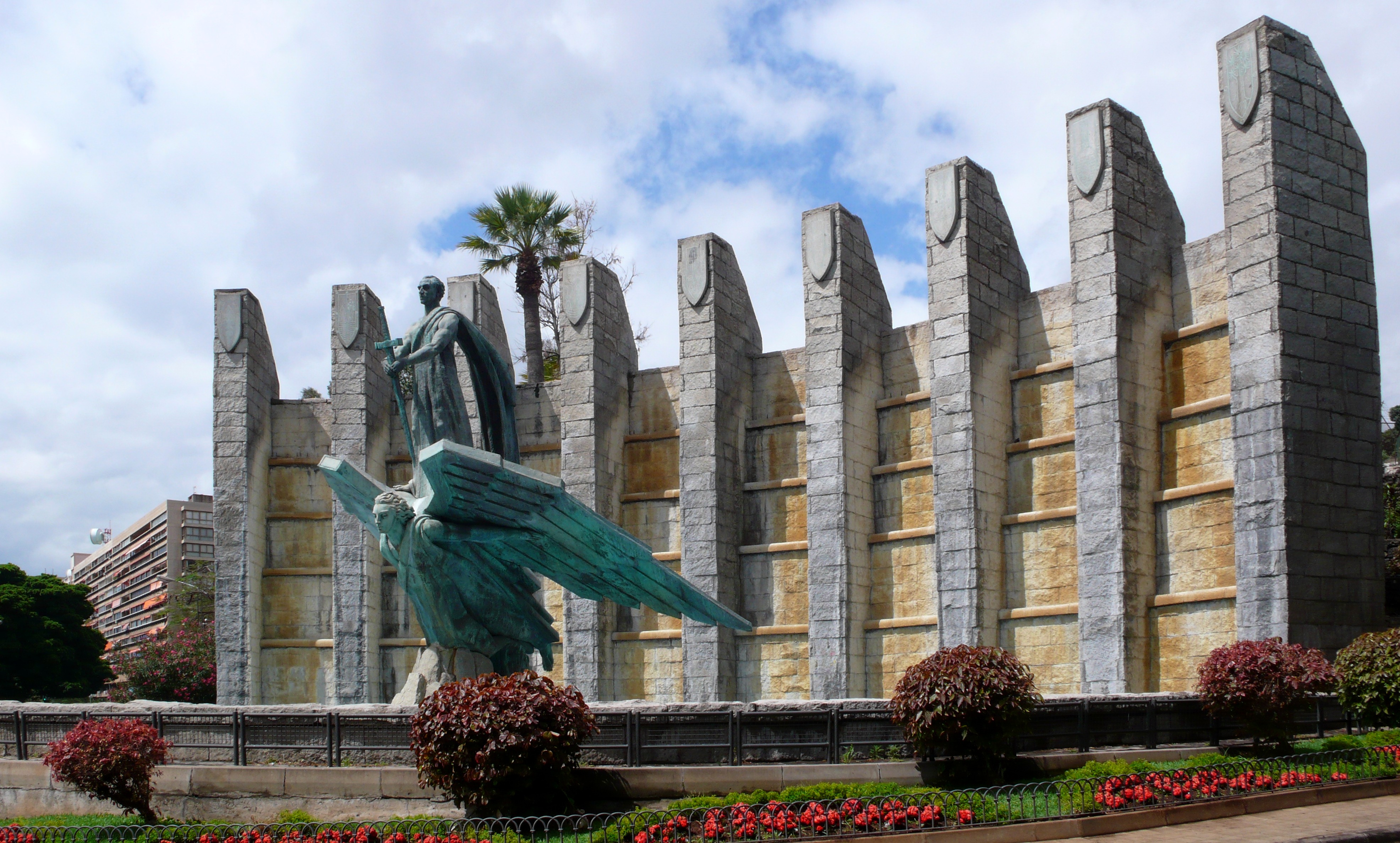
Monumento al Ángel Caído – The Hidden Fountain Gem of Santa Cruz de Tenerife
If you think you’ve seen every fountain in the Canary Islands, think again. Nestled in the heart of Santa Cruz de Tenerife, the Monumento al Ángel Caído is a quiet yet striking water feature that captures the island’s blend of history, art, and natural beauty. In this guide we’ll uncover what makes this fountain worth a stop, how to reach it, the best time to visit, and what else you can explore nearby.
1. Introduction
Imagine strolling through the bustling streets of Santa Cruz, the salty Atlantic breeze on your face, when you stumble upon a marble‑clad fountain crowned by an enigmatic angel figure. The Monumento al Ángel Caído (Monument to the Fallen Angel) isn’t just another decorative water source – it’s a piece of public art that whispers stories of Tenerife’s past while offering a tranquil oasis in the city’s center. Whether you’re a history buff, a photography enthusiast, or simply looking for a peaceful spot to pause on your island adventure, this fountain deserves a place on your itinerary.
2. About Monumento al Ángel Caído
Description
Located at 28.476380 N, -16.246279 W, the Monumento al Ángel Caído stands on a modest plaza in Santa Cruz de Tenerife. The fountain’s design features a classic stone basin from which water gently cascades, surrounding a sculpted angel with outstretched wings that appear to be in graceful descent. While the exact height of the monument remains undocumented, its presence is unmistakable against the backdrop of historic colonial architecture.
History & Significance
The fountain’s name, “Ángel Caído,” evokes a sense of melancholy and reflection. Though detailed archival records are scarce, the monument is thought to have been installed during the early 20th century as part of a citywide effort to beautify public spaces and provide communal gathering points. Its sculptural style aligns with the Art‑Deco influences that swept through the Canary Islands in the 1920s and 1930s, a period when Santa Cruz was expanding its urban identity.
In local lore, the fallen angel symbolizes the resilience of Tenerife’s inhabitants—weathering volcanic eruptions, maritime trade fluctuations, and cultural shifts. Today, the fountain serves as a reminder of the island’s layered past, inviting visitors to pause, reflect, and capture a moment of stillness amid the city’s rhythm.
3. How to Get There
By Air
The nearest airports are Tenerife North Airport (TFN) (≈ 20 km north) and Tenerife South Airport (TFS) (≈ 70 km south). Both airports receive regular flights from mainland Spain, the United Kingdom, Germany, and other European hubs.
From the Airport to the Fountain
| Transport | Approx. Time | Cost | Notes |
|---|---|---|---|
| Taxi | 20–30 min (TFN) / 1 h (TFS) | €25–€35 (TFN) | Direct, convenient with luggage |
| Bus | 45 min (TFN) / 1 h 15 min (TFS) | €2–€4 | Line 111 (TFN) or Line 111/112 (TFS) to Santa Cruz Bus Station |
| Car Rental | 20–30 min (TFN) | Variable | Parking available near the city centre (public garages) |
Within Santa Cruz
- Walking – The fountain sits within the historic centre, just a few blocks from Plaza de España and Calle del Castillo. A pleasant 10‑minute walk from most central hotels.
- Public Transport – The TITSA bus network offers routes 1, 5, and 7 that stop at Parada Monumento al Ángel Caído (check the latest schedule on the TITSA website).
- Bike‑Share – The city’s Bikeshare Tenerife program provides electric bikes for short hops; docking stations are located near the plaza.
4. Best Time to Visit
| Season | Weather | Visitor Flow | Why Visit |
|---|---|---|---|
| Spring (Mar–May) | Mild (20‑24 °C), occasional showers | Low‑moderate | Flowers bloom in nearby parks; perfect for photography |
| Summer (Jun–Sep) | Warm to hot (25‑30 °C), low rain | High | Long daylight hours; lively street festivals |
| Autumn (Oct–Nov) | Pleasant (22‑26 °C), fewer tourists | Low‑moderate | Harvest festivals, clearer skies |
| Winter (Dec–Feb) | Mild (18‑22 °C), occasional rain | Low | Fewer crowds, ideal for a quiet stroll |
Insider tip: Arrive early in the morning (around 8 am) during the high‑season months to enjoy the fountain bathed in soft sunrise light and avoid the midday crowds.
5. What to Expect
When you step onto the stone paving surrounding the Monumento al Ángel Caído, you’ll notice a subtle hum of water that masks the city’s bustle. The fountain’s water jets are modest but steady, creating a soothing soundscape perfect for meditation or a quick coffee break. The angel sculpture, crafted from weather‑resistant stone, displays fine detailing on its wings and drapery, inviting close inspection.
Photography: The best angles are from the east side at sunrise, when the light highlights the angel’s profile, and from the north during the golden hour for a warm glow. A wide‑angle lens captures both the fountain and the surrounding colonial façades.
Atmosphere: Locals often gather here for informal meetings, street musicians perform nearby, and children play in the shallow basin during summer. The vibe is relaxed yet vibrant—an authentic slice of daily life in Santa Cruz.
6. Nearby Attractions
While the Monumento al Ángel Caído is a highlight, the surrounding area offers several other fountains and historic sites within walking distance:
- Shovispan Fountain – 0.4 km away. A sleek, modern water feature that contrasts with the classic style of the Angel fountain.
- Fuente Isabel II – 0.8 km away. This elegant 19th‑century fountain honors Queen Isabel II and is surrounded by lush gardens.
- Fuente de Isabel II – 0.8 km away. Often confused with the previous site, this fountain features intricate ironwork and is a favorite spot for locals to relax.
All of these attractions are easily reachable on foot, allowing you to create a leisurely “fountain trail” that showcases Santa Cruz’s public art heritage.
7. Travel Tips
- Carry a reusable water bottle – Many fountains in Santa Cruz, including the Angel, have drinking spouts. Staying hydrated is essential under the Canary sun.
- Dress comfortably – Light, breathable clothing and comfortable walking shoes will make exploring the historic centre a breeze.
- Mind the sun – Even in winter, the island’s UV index can be high. A hat, sunglasses, and sunscreen are advisable.
- Check local events – The plaza around the fountain often hosts pop‑up markets, live music, and cultural festivals. Aligning your visit with an event adds extra flavor to the experience.
- Respect the space – While the fountain is public, it’s also a place of contemplation for many. Keep noise levels moderate and avoid climbing on the sculpture.
- Use a translation app – Signage in Santa Cruz is primarily Spanish. A quick translation tool can help you navigate bus routes and read informational plaques.
- Stay connected – Free Wi‑Fi is available at many cafés nearby, making it easy to share your photos instantly on social media with the hashtag #ÁngelCaído.
Final Thoughts
The Monumento al Ángel Caído may not appear on every mainstream travel guide, but that’s precisely why it feels like a secret treasure. Its serene waters, striking angelic figure, and central location make it an ideal stop for anyone wandering the streets of Santa Cruz de Tenerife. Pair it with a stroll to nearby fountains, sip a café con leche at a local terrace, and you’ll experience the authentic rhythm of the Canary Islands—one gentle cascade at a time.
Ready to add this hidden gem to your Tenerife itinerary? Pack your camera, follow the directions above, and let the Angel guide you to an unforgettable island adventure.