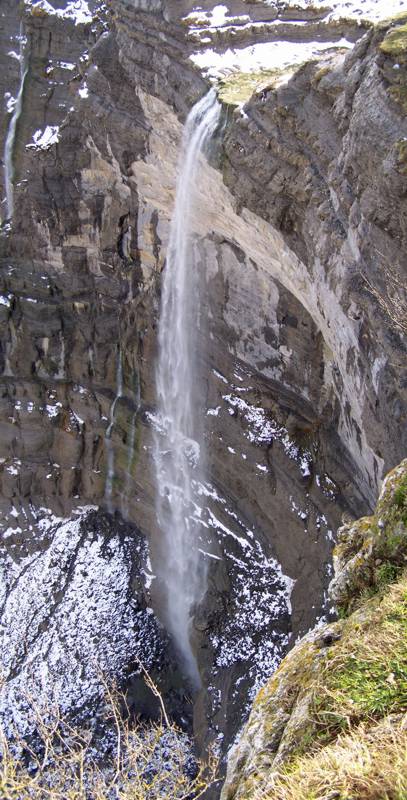
Salto del Nervión – Spain’s Majestic 222‑Metre Waterfall in the Basque Country
If you’re hunting for a hidden natural wonder that combines raw power, dramatic scenery, and a touch of Basque mystique, look no further than Salto del Nervión. Nestled near the tiny village of Urduña, this 222‑metre cascade is the tallest waterfall in the Iberian Peninsula and a must‑see for any adventurous traveler exploring northern Spain.
1. Introduction
Imagine standing at the edge of a sheer cliff, the roar of water echoing through a pristine valley, mist swirling around you as the river plummets more than 700 feet into the abyss below. That’s the unforgettable moment when you encounter Salto del Nervión, the crown jewel of the Basque Country’s rugged landscape.
While the waterfall is relatively unknown outside of Spain, it has earned a reputation among hikers, photographers, and nature lovers for its dramatic drop and the sense of isolation that makes you feel like the only person on Earth. Whether you’re planning a day trip from Bilbao, a weekend hiking adventure, or a photography expedition, Salto del Nervión offers a rewarding blend of natural beauty and Basque culture.
2. About Salto del Nervión
Description
- Type: Waterfall (plunge)
- Height: 222 m (≈ 730 ft) – the highest waterfall in the Iberian Peninsula
- Location: Urda (Urduña), Basque Country, Spain
- Coordinates: 42.938918 N, -2.980932 W
The waterfall is fed by the Río Nervión, which originates in the mountains of the Basque Country and cuts a deep gorge as it races toward the Atlantic. At the point of the drop, the river plunges over a sheer limestone cliff, creating a spectacular curtain of water that can be seen from several kilometres away on a clear day.
History & Significance
Salto del Nervión has long been a landmark for local shepherds and Basque travelers navigating the rugged terrain of the Alto de la Peña region. Historically, the waterfall was difficult to access, which helped preserve its pristine condition. In recent decades, the area has attracted hikers and eco‑tourists, but strict conservation measures keep visitor impact low.
The waterfall also holds cultural significance for the Basque people. Its name—Salto del Nervión—literally translates to “Jump of the Nervión,” referencing the river’s sudden leap. The surrounding valleys are dotted with traditional stone farms (caseríos) and ancient pathways that tell the story of a people who have lived in harmony with the land for centuries.
3. How to Get There
By Air
- Bilbao Airport (BIO) – the closest international gateway (≈ 90 km, 1.5 h drive).
- Vitoria‑Gasteiz Airport (VIT) – a smaller option, about 120 km away.
By Train
- Renfe Alvia or Cercanías services run from Bilbao or San Sebastián to Urda (Urduña) railway station. The station sits on the historic Burdigala–Madrid line and is a convenient drop‑off point for the hike.
By Car
- From Bilbao: Take the AP‑8 highway north toward Santurtzi, then follow signs for N‑622 toward Durango and Urda. The drive is roughly 1 hour 15 minutes (≈ 85 km).
- From Vitoria‑Gasteiz: Head east on the A‑1 and then south on the N‑622 to Urda.
On Foot
The most rewarding way to experience Salto del Nervión is on foot. From the Urda train station, a marked trail (GR‑124) leads to the waterfall. The hike is moderate in difficulty, covering about 7 km round‑trip with an elevation gain of roughly 300 m. The trail is well‑signposted, but sturdy hiking boots and a water bottle are essential.
Tip: If you prefer a shorter approach, you can park at the Cañón del Nervión viewpoint (accessible via a small gravel road) and take a 1‑km walk to the base of the falls.
4. Best Time to Visit
| Season | Conditions | Why Visit |
|---|---|---|
| Spring (Mar–May) | Snowmelt boosts river flow; wildflowers bloom along the trail. | Lush scenery, powerful water volume, fewer crowds. |
| Summer (Jun–Aug) | Warm, dry weather; trail is fully accessible. | Ideal for day‑hiking and photography; longer daylight hours. |
| Autumn (Sep–Nov) | Water levels moderate; foliage turns golden. | Stunning contrast between amber leaves and the white cascade. |
| Winter (Dec–Feb) | Possible ice and snow; water flow may reduce. | For the intrepid, a snowy landscape adds drama—check local conditions. |
Overall recommendation: Late spring (mid‑April to early May) offers the most dramatic waterfall flow while keeping temperatures comfortable for hiking.
5. What to Expect
The Hike
- Terrain: A mix of forest paths, rocky steps, and occasional stream crossings.
- Difficulty: Moderate; suitable for hikers with basic fitness.
- Duration: 2–3 hours round‑trip, depending on pace and stops for photos.
The View
From the main viewpoint, you’ll see the river plunge 222 m into a deep gorge, surrounded by towering limestone cliffs covered in moss and lichen. On windy days, the mist creates a mystical veil that can make the waterfall appear as a white curtain of clouds.
Wildlife
The area is a haven for birdwatchers. Expect to spot golden eagles, peregrine falcons, and a variety of songbirds. Small mammals such as European badgers and mountain hares may be glimpsed near the forest edge.
Photography
- Golden hour (just after sunrise or before sunset) provides soft lighting that highlights the waterfall’s texture.
- Use a neutral density filter for long‑exposure shots that smooth the water while preserving the rugged cliffs.
6. Nearby Attractions
While Salto del Nervión will likely be the star of your itinerary, the surrounding Basque countryside offers several charming spots worth a quick detour:
| Attraction | Distance from Falls | What to See |
|---|---|---|
| Fuentes de Urita (spring) | 0.6 km | A crystal‑clear spring nestled in a small pine grove—perfect for a refreshing sip. |
| Fuente de Santiago (spring) | 1.6 km | A historic stone well with a legend about a pilgrim’s miracle. |
| Fuente de la Tejera (spring) | 2.8 km | A tranquil water source surrounded by traditional Basque stone walls. |
| Languizano (spring) | 3.6 km | A picturesque cascade that feeds a small meadow—ideal for a picnic. |
| Agua Potable (fountain) | 5.5 km | A communal drinking fountain in the village of Urda, offering a glimpse of local daily life. |
All of these sites are reachable via short walking or cycling routes from the main trailhead.
7. Travel Tips
- Start Early – Arriving before 9 am helps you avoid the occasional weekend crowd and gives you ample daylight for the hike back.
- Pack Layers – Weather in the Basque mountains can shift quickly; a lightweight waterproof jacket is a smart addition.
- Footwear – Sturdy, waterproof hiking boots with good ankle support are essential, especially after rain when the trail can be slippery.
- Stay Hydrated & Fueled – Bring at least 1 liter of water and a high‑energy snack (nuts, dried fruit, or a granola bar).
- Respect the Environment – Keep to marked paths, carry out all litter, and avoid disturbing wildlife. The Basque Country places a high value on preserving its natural heritage.
- Mobile Coverage – Cell signal can be spotty on the trail; download offline maps (e.g., MAPS.ME) before you set out.
- Photography Gear – If you’re planning long‑exposure shots, bring a sturdy tripod and spare batteries—cold, damp conditions can drain power quickly.
- Local Cuisine – After your hike, treat yourself to pintxos (Basque tapas) in Urda’s modest tavern, or head to nearby Durango for a traditional txistorra (spicy sausage) and txakoli wine.
Final Thoughts
Salto del Nervión is more than just a waterfall; it’s a portal into the wild heart of the Basque Country. Its towering drop, pristine surroundings, and the sense of solitude you feel at its base make it a bucket‑list destination for anyone who loves nature, adventure, and authentic cultural experiences.
Plan your trip, lace up those boots, and let the roar of the Nervión guide you to one of Spain’s most spectacular hidden gems.
Keywords: Salto del Nervión, Basque Country waterfall, tallest waterfall Iberian Peninsula, Urda travel, Spain hiking trails, Río Nervión, Basque Country attractions, waterfall in Spain, Salto del Nervión travel guide