Font de Ferrutxelles – A Hidden Spring Gem in Algaida, Mallorca
Discover the tranquil waters, lush surroundings, and authentic Mallorcan charm of Font de Ferrutxelles, one of the Balearic Islands’ best‑kept natural secrets.
1. Introduction
Imagine stepping off the beaten path into a quiet valley where crystal‑clear water bubbles up from the earth, framed by olive trees and the gentle hum of Mediterranean wildlife. That’s the experience waiting at Font de Ferrutxelles, a modest yet mesmerizing spring tucked away in the municipality of Algaida on the island of Mallorca. While Mallorca is famous for its sun‑kissed beaches and bustling Palma, the island’s interior hides a network of pristine springs that offer a refreshing escape from the tourist crowds. Font de Ferrutxelles is one of those hidden treasures—a perfect spot for hikers, photographers, and anyone craving a moment of natural serenity.
2. About Font de Ferrutxelles
What Is It?
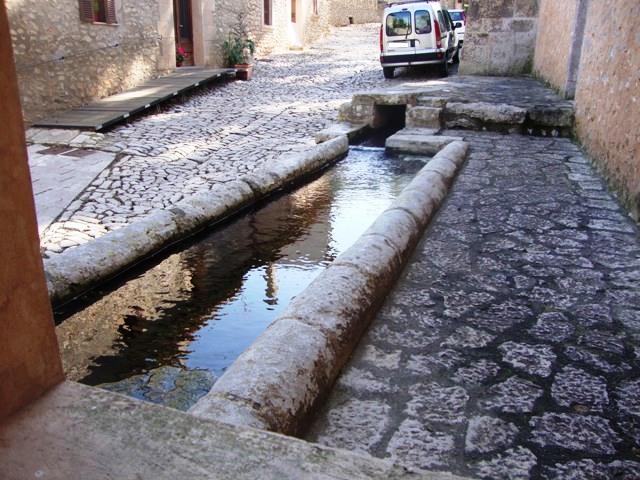
Font de Ferrutxelles is a natural spring (Catalan: font) that emerges from the limestone subsoil of the central Mallorcan plateau. Its waters flow year‑round, feeding the surrounding scrubland and creating a small oasis that has been part of the local landscape for centuries. The spring’s exact height and altitude are not officially recorded, but its location at 39.525118 N, 2.896767 E places it within the rolling hills that dominate Algaida’s countryside.
Historical Context
The name Ferrutxelles is derived from the Catalan word “ferro,” meaning iron, hinting at the mineral richness of the water or the surrounding soil. Historically, the spring served as a watering point for shepherds and farmers who tended the extensive almond and olive groves that still define the region today. Though small, the spring has long been woven into the daily rhythm of rural life, offering a reliable source of fresh water in an area where agriculture has always been the lifeblood of the community.
Cultural Significance
In Mallorcan folklore, natural springs are often associated with legends of fairies (fades) and protective spirits. While there are no specific myths recorded for Font de Ferrutxelles, its tranquil setting makes it a natural gathering spot for locals during traditional festivals and for hikers seeking a cool drink on a warm summer day. The spring’s modesty has helped preserve its pristine condition, allowing visitors to experience a slice of authentic Mallorcan nature untouched by mass tourism.
3. How to Get There
By Car
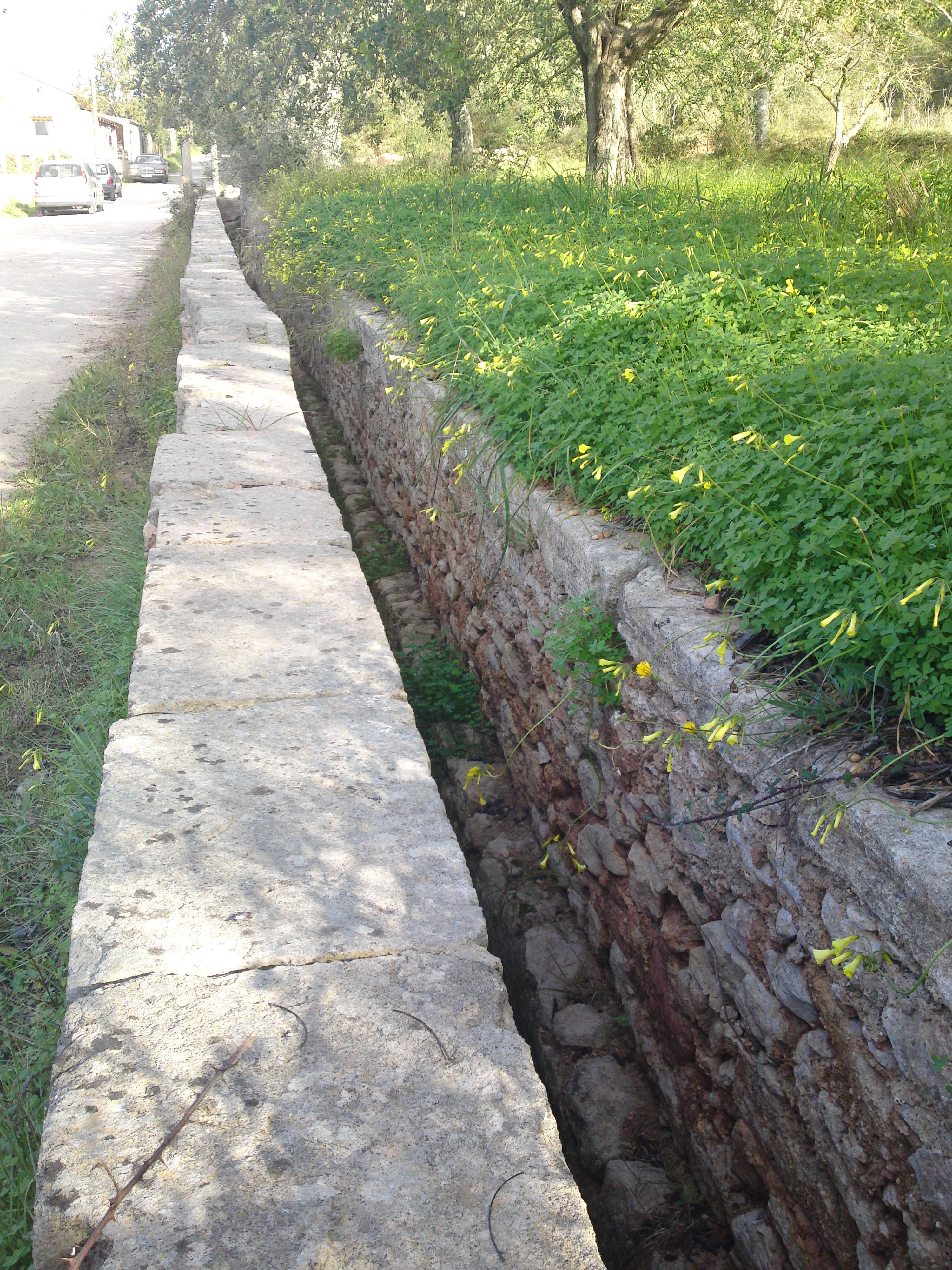
The most convenient way to reach Font de Ferrutxelles is by car. From Palma de Mallorca, take the Ma-11 highway toward Algaida (approximately 45 km, 45‑minute drive). Exit at the Algaida roundabout and follow the signs for Carrer de la Font. After about 2 km, look for a small, unmarked lane that leads to a rural road (often a gravel track) heading north‑west. The spring sits just off this road, near a modest stone wall that marks the traditional property boundary.
By Public Transport
Public buses connect Palma with Algaida (line T2). Once in Algaida, you’ll need to hire a local taxi or join a guided walking tour to reach the spring, as the final stretch is not serviced by regular bus routes. Taxis can be booked at the Algaida municipal office or via local apps; a short ride (≈ 5 km) will drop you at the trailhead.
On Foot or Bike
For the adventurous, the GR 221 long‑distance trail (the “Dry Stone Route”) passes near Algaida and offers an excellent opportunity to combine a day hike with a visit to Font de Ferrutxelles. The spring lies about 1 km off the main trail, accessible via a well‑marked footpath that winds through olive groves and limestone outcrops. Cyclists can also follow the same route, though the gravel sections may require a mountain bike.
Parking
A small, free parking area exists near the road junction leading to the spring. Parking spaces are limited, so arriving early—especially during the summer months—is advisable.
4. Best Time to Visit
| Season | Weather & Conditions | Why Visit |
|---|---|---|
| Spring (March‑May) | Mild temperatures (15‑22 °C), wildflowers in bloom, water flow at its strongest after winter rains. | Ideal for photography and gentle hikes. |
| Summer (June‑August) | Warm to hot (25‑35 °C), occasional drought reduces water output. | Early mornings offer cool, refreshing water; perfect for a quick dip. |
| Autumn (September‑November) | Pleasant temperatures (20‑26 °C), occasional rain revitalizes the spring. | Fewer tourists, vibrant foliage, and comfortable hiking conditions. |
| Winter (December‑February) | Cooler (10‑15 °C) and occasional rain; the spring remains active year‑round. | Quiet atmosphere and lush, green surroundings. |
Overall recommendation: Late spring (April‑May) and early autumn (September‑October) provide the most balanced combination of pleasant weather, vibrant landscape, and reliable water flow.
5. What to Expect
The Landscape
Approaching Font de Ferrutxelles, you’ll first notice the gentle rise of limestone hills dotted with olive trees, almond orchards, and occasional cork oak stands. The spring itself emerges from a shallow stone basin, its water clear and slightly cool to the touch. A modest stone wall—typical of traditional Mallorcan farms—encircles the area, giving the spot a rustic, timeless feel.
The Senses
- Sight: The water’s surface reflects the sky and surrounding greenery, creating a mirror‑like effect. In spring, the basin is surrounded by a carpet of bluebells and wild thyme that adds a splash of color.
- Sound: A gentle, continuous trickle provides a soothing background hum, punctuated occasionally by birdsong—European goldfinches, warblers, and the occasional buzzard overhead.
- Touch: The water is fresh and cool, perfect for a quick hand‑wash or a brief splash on a hot day. The stone basin feels smooth underfoot, though be mindful of slippery patches after rain.
- Smell: The air carries a faint earthy scent mixed with the aromatic notes of lavender and rosemary growing nearby.
Activities
- Photography: The spring’s natural framing makes it a favorite spot for macro and landscape shots. Early morning light casts soft shadows, ideal for capturing the water’s sparkle.
- Short Hikes: The surrounding footpaths connect to nearby springs, allowing for a mini “spring‑hopping” trek.
- Picnics: While there are no formal facilities, a modest picnic on the grass near the spring is permissible—just remember to pack out all waste.
- Birdwatching: The area is a quiet haven for local avifauna; binoculars can reveal small raptors and passerines.
6. Nearby Attractions
Font de Ferrutxelles sits in a cluster of natural springs, each offering its own charm. Consider extending your itinerary to include the following sites (all within a 3‑km radius):
| Attraction | Distance | Highlights | Link |
|---|---|---|---|
| Font de Son Reus | 0.8 km | A slightly larger spring with a shallow pool, perfect for a brief dip. | Font de Son Reus |
| Font de Son Veny | 0.9 km | Surrounded by ancient stone walls and a small orchard. | Font de Son Veny |
| Font de Randa | 1.7 km | Known for its clear water and a nearby limestone cave. | Font de Randa |
| Font de Treuré | 2.0 km | Offers a scenic walking trail that loops back to Algaida village. | Font de Treuré |
| Font de Punxuat | 2.6 km | A secluded spring with a rustic stone bench, ideal for quiet contemplation. | Font de Punxuat |
All of these springs are accessible via well‑marked footpaths that intersect with the GR 221 trail, making it easy to create a “spring‑hopping” day walk.
7. Travel Tips
| Tip | Details |
|---|---|
| Bring Water‑proof footwear | The stone basin can be slippery, especially after rain. |
| Pack a reusable water bottle | While the spring water is clean, it’s best to filter or boil before drinking if you’re unsure about local regulations. |
| Respect private property | Many springs lie on traditional farm lands; always stay on marked paths and avoid trespassing. |
| Leave no trace | There are no trash bins at the site. Carry a small bag for any litter you generate. |
| Sun protection | Even in spring, the Mallorcan sun can be strong. Bring a hat, sunscreen, and sunglasses. |
| Check weather forecasts | Heavy rain can make the access road muddy or temporarily impassable. |
| Timing | Arrive early (before 10 am) during peak season to avoid the occasional crowd and enjoy cooler temperatures. |
| Local cuisine | After your spring adventure, stop in Algaida’s town center for a pa amb oli (Mallorcan bread with olive oil, tomato, and local cheese) or a glass of cava from a nearby vineyard. |
| Guided tours | Several local eco‑tour operators offer half‑day hikes that include Font de Ferrutxelles and the surrounding springs, complete with historical commentary. |
Final Thoughts
Font de Ferrutxelles may not appear on mainstream travel brochures, but its unassuming charm captures the essence of Mallorca’s interior—quiet, authentic, and profoundly beautiful. Whether you’re a seasoned hiker, a nature photographer, or simply a traveler seeking a peaceful pause away from the island’s bustling coastlines, this hidden spring offers a refreshing slice of Mediterranean tranquility. Pack your curiosity, follow the stone‑lined paths, and let the gentle flow of Font de Ferrutxelles remind you why exploring the lesser‑known corners of the Balearic Islands can be the most rewarding adventure of all.
Happy travels, and may the spring’s clear waters inspire your next Mallorcan discovery!