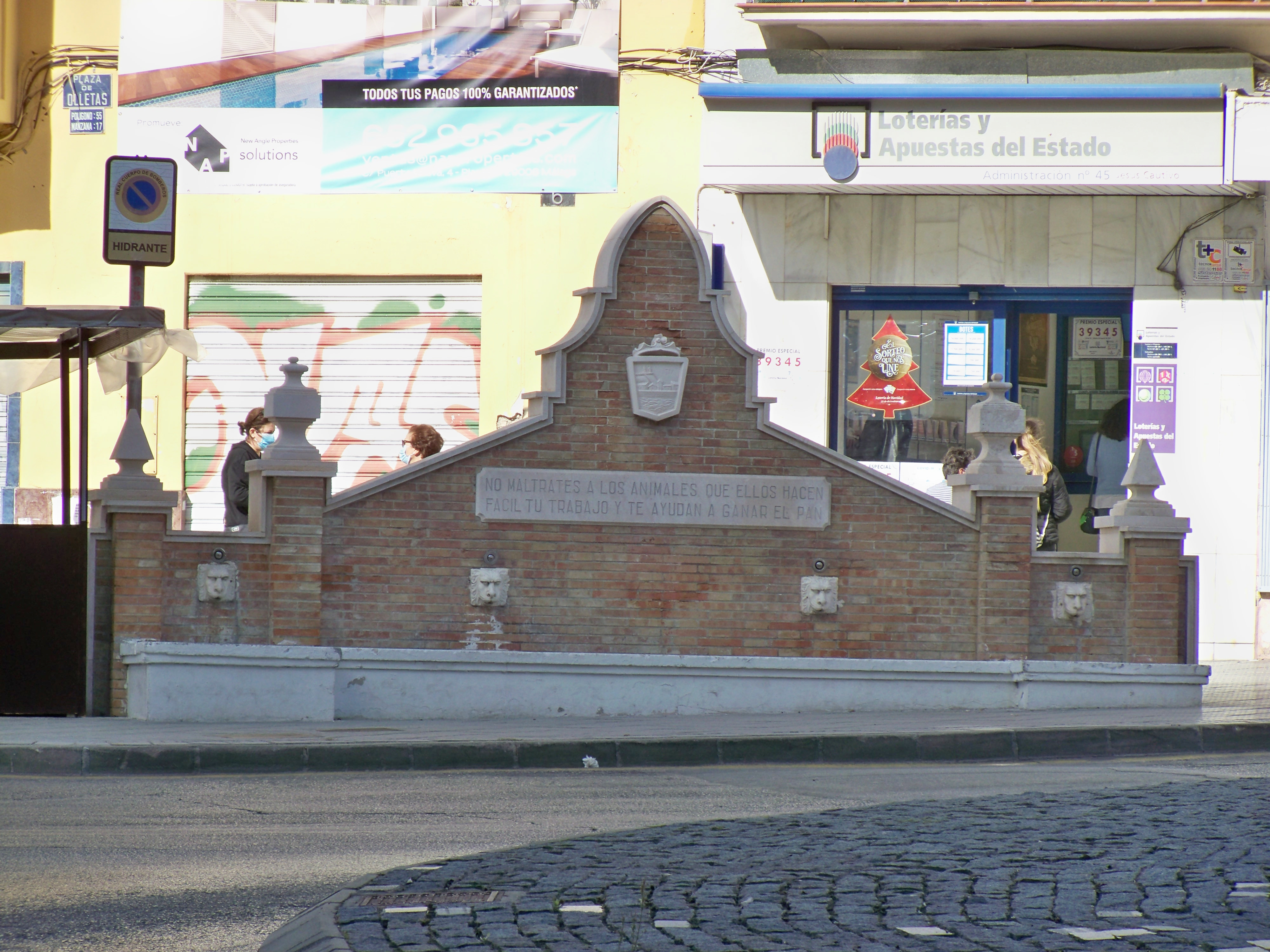
Fuente de Olletas – A Hidden Jewel of Malaga’s Historic Heart
If you’ve ever wandered the sun‑kissed streets of Andalusia and stumbled upon a quiet square where the sound of water seems to whisper stories from the 18th century, you’ve probably found the Fuente de Olletas. This modest yet enchanting fountain, tucked in the bustling district of Malaga, is a perfect illustration of how a simple water feature can become a living piece of local heritage.
About Fuente de Olletas
A Brief History
The Fuente de Olletas first sprang to life in 1788, during a period when Malaga was expanding its public spaces to reflect the city’s growing prosperity. The original stone basin, adorned with classic Andalusian motifs, served both as a communal water source and a decorative focal point for the surrounding neighborhood.
In 1961, the fountain underwent a careful reconstruction that respected its historic design while using more durable materials. Today’s structure is a faithful replica of the 1788 original, allowing visitors to experience the same aesthetic charm that locals enjoyed over two centuries ago.
Why It Matters
- Cultural continuity – The fountain links modern Malaga to its 18th‑century roots, reminding residents and tourists alike of the city’s long‑standing relationship with water, a vital resource in the Mediterranean climate.
- Urban identity – Situated at 36.733311, -4.415998, the Fuente de Olletas anchors a small plaza that functions as a meeting point for locals, street performers, and café patrons. Its presence contributes to the distinct character of the Alameda de Capuchinos area.
- Architectural simplicity – Unlike the grandiose Baroque fountains of other Spanish cities, Olletas embraces modesty. Its clean lines and subtle stonework make it a perfect backdrop for photos, Instagram stories, and quiet contemplation.
How to Get There
| Mode of Transport | Details |
|---|---|
| By Air | Fly into Malaga‑Costa del Sol Airport (AGP). From the terminal, take the C1 suburban train or a taxi to the city centre (≈ 15 minutes). |
| By Train | High‑speed AVE trains connect Madrid and Seville to Malaga María Zambrano station. From there, hop on the Metro Line 1 to Alameda station (stop 2). |
| By Car | If you’re driving along the A‑7 coastal highway, exit at Málaga Centro and follow signs for Alameda de Capuchinos. Parking is available in the nearby Parking Plaza del Mar (public, hourly rates). |
| On Foot / Bicycle | The fountain lies within Malaga’s historic centre, making it easily reachable on foot from Plaza de la Constitución (≈ 10 minutes) or via the city’s bike‑share system (Malaga Bike). |
Exact location: 36.733311 N, ‑4.415998 W – drop a pin in your navigation app and you’ll be led straight to the stone steps that frame the fountain.
Best Time to Visit
| Season | Why Visit | Tips |
|---|---|---|
| Spring (Mar‑May) | Pleasant temperatures (15‑22 °C) and blooming orange trees make the plaza especially photogenic. | Arrive early (8 am–10 am) to avoid the midday crowd. |
| Summer (Jun‑Aug) | Long daylight hours let you linger for sunset, when the fountain’s stone glows golden. | Bring a hat and water; the plaza can get warm. |
| Autumn (Sep‑Nov) | Cooler evenings and the occasional local festival add a lively backdrop. | Check the municipal calendar for Fiestas de la Alameda. |
| Winter (Dec‑Feb) | Fewer tourists, quieter atmosphere – ideal for reflective walks. | The fountain may be partially covered during heavy rain; still worth a quick stop. |
Overall, late spring and early autumn provide the most comfortable climate for strolling, sipping coffee at a nearby terrace, and soaking up the historic ambience.
What to Expect
When you step onto the cobblestones surrounding the Fuente de Olletas, you’ll notice:
- A tranquil soundscape – The gentle trickle of water creates a soothing backdrop that drowns out city traffic.
- Stone craftsmanship – The basin’s edges are lined with modest carvings reminiscent of 18th‑century Andalusian design. Though the height is undocumented, the fountain’s proportions feel intimate, encouraging close‑up interaction.
- Local life – Elderly residents often gather to chat, while children play nearby. On market days, stalls of fresh fruit and local pastries line the square, adding aromatic layers to the experience.
- Photographic moments – The fountain’s reflective surface captures the pastel façades of surrounding buildings, making it a favorite spot for photographers seeking authentic Andalusian textures.
Take a moment to sit on the low stone benches, sip a café con leche, and watch the world flow past—just as it has for centuries.
Nearby Attractions
The Alameda de Capuchinos district is a fountain‑lover’s paradise. Within a short walk (≤ 0.6 km) you’ll encounter several historic water features that complement the Fuente de Olletas:
- Fuente de la Alameda de Capuchinos – 0.2 km away, this larger fountain boasts ornate ironwork and a central sculpture.
- Fuente del Tempus Fugit – 0.2 km away, a whimsical reminder of time’s passage, featuring a sundial‑style basin.
- Fuente de la Lex Flavia – 0.4 km away, a Roman‑inspired fountain that once marked the historic city limits.
- Other nearby fountains – Two additional water features sit within a 0.2‑0.6 km radius, each offering unique stonework and local legends.
All of these sites are easily reachable on foot, allowing you to craft a “Fountain Trail” that showcases Malaga’s dedication to public water art.
Travel Tips
| Tip | Details |
|---|---|
| Dress comfortably | Light layers work best; Andalusian evenings can be cooler even in summer. |
| Carry cash | Small cafés and market stalls often prefer euros in cash over cards. |
| Stay hydrated | Although the fountain is decorative, you’ll still need water—look for nearby cafeterías offering bottled water. |
| Mind the sun | A wide‑brimmed hat or sunscreen is essential during the midday heat. |
| Respect local customs | The plaza is a communal space; keep noise levels moderate, especially during prayer times at nearby churches. |
| Check event calendars | The Ayuntamiento de Málaga website lists seasonal festivals that may temporarily close the square or add live music. |
| Photography etiquette | Ask permission before photographing locals, especially older residents who may be sitting quietly. |
| Accessibility | The cobblestones can be uneven; wear sturdy shoes if you have mobility concerns. |
| Language | Basic Spanish phrases (“¡Hola!”, “Gracias”) go a long way; most locals speak some English in tourist areas. |
Bottom Line
The Fuente de Olletas may not be the most famous landmark in Andalusia, but its understated charm, historic roots, and central location make it a must‑see for travelers seeking authentic Malaga experiences. Pair it with a leisurely stroll through the nearby fountain‑filled plazas, indulge in a local bite, and you’ll leave with a deeper appreciation for how a simple water feature can anchor a community’s identity for over two centuries.
Ready to add a splash of history to your Andalusian itinerary? Pack your camera, follow the coordinates, and let the gentle flow of the Fuente de Olletas guide you into the heart of Malaga.