Fuente de las Ranas – Sevilla’s Charming Frog Fountain
If you’ve ever wandered the winding streets of Seville and stumbled upon a whimsical water feature that seems to whisper stories of centuries past, you’ve probably met the Fuente de las Ranas. Nestled in the heart of Andalusia’s capital, this modest yet enchanting fountain is a must‑see stop for anyone exploring the historic center of Sevilla.
1. Introduction
Seville is a city of grand cathedrals, flamenco rhythms, and sun‑kissed plazas, but its true soul often hides in the smaller details – the tiled benches, the orange‑scented alleys, and the fountains that have quenched locals’ thirst for generations. Among them, the Fuente de las Ranas (Frog Fountain) stands out for its playful design and quiet charm. Whether you’re a first‑time visitor, a seasoned “Sevilla lover,” or a photographer hunting the perfect shot, this fountain offers a delightful pause in your Andalusian adventure.
Why the frogs? Legend says the frogs were added in the 19th century as a tribute to the city’s love of water and nature, and they have since become a beloved symbol of good luck for locals who toss a coin and make a wish.
2. About Fuente de las Ranas
Description
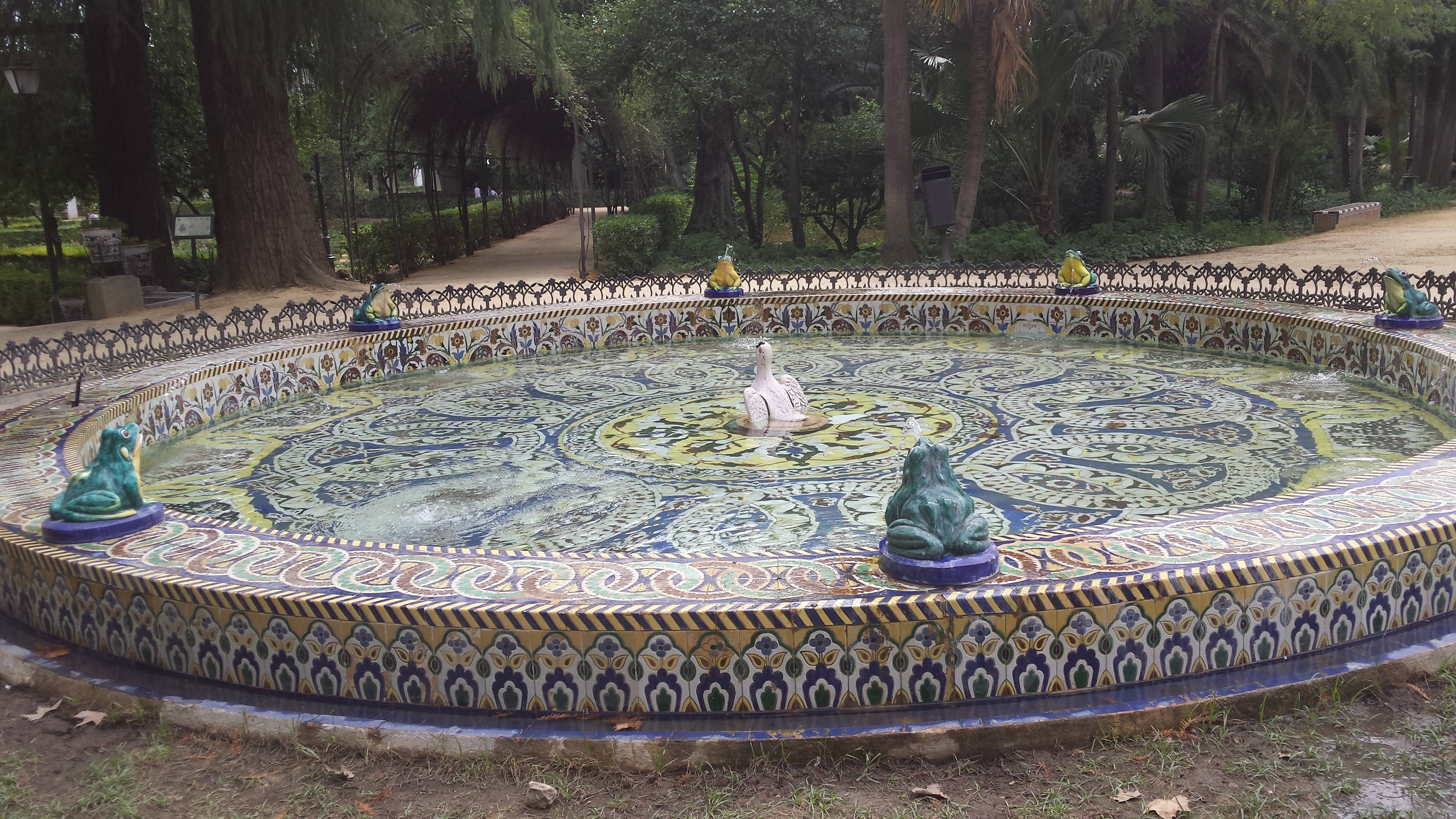
Located at coordinates 37.374124, -5.988101, the Fuente de las Ranas is a stone basin crowned with a series of small, sculpted frogs that seem to leap out of the water. The fountain’s design is simple yet elegant, reflecting the traditional Andalusian aesthetic that blends functional public works with artistic flair. The water gently cascades over the frogs’ backs, creating a soothing soundscape that contrasts with the bustling streets around it.
History & Significance
While the exact construction date of the fountain is not documented in public records, the Fuente de las Ranas is referenced in the Spanish Wikipedia entry es:Fuente de las Ranas (Sevilla), indicating its long‑standing presence in the city’s urban fabric. Over the years, the fountain has served as a communal gathering point, a place where locals meet for a quick chat, children splash in the cool water during summer, and tourists pause to soak up the authentic atmosphere of Seville’s historic quarter.
The frog motif is more than decorative; in Spanish folklore, frogs are associated with fertility, renewal, and prosperity. As a result, the fountain has become a subtle emblem of Sevilla’s enduring vitality, linking past traditions with the modern rhythm of the city.
3. How to Get There
By Public Transport
- Bus: Several city buses (lines C1, C2, and 40) stop within a two‑minute walk of the fountain. Look for stops near the Plaza de la Alfalfa or Calle Feria.
- Metro: The nearest metro station is Puerta de Jerez (Line 1), about a 10‑minute walk. Follow the signs toward the historic center; the route is well‑marked with tourist information boards.
By Foot
Seville’s historic centre is compact and pedestrian‑friendly. If you’re staying in the Santa Cruz, El Arenal, or Triana neighborhoods, the fountain is reachable in 5‑15 minutes on foot. Simply head toward the Calle de la Alfalfa and you’ll spot the stone basin and its playful frogs almost immediately.
By Bicycle or Scooter
The city’s bike‑share program (Sevici) has docking stations near the fountain. Riding a shared e‑bike or electric scooter is a quick, eco‑friendly way to explore the surrounding plazas, churches, and markets.
4. Best Time to Visit
| Season | Why Visit | Tips |
|---|---|---|
| Spring (March‑May) | Mild temperatures (15‑22 °C) and blooming orange trees create a picture‑perfect backdrop. | Arrive early in the morning to avoid the midday crowds. |
| Summer (June‑August) | The fountain’s cool water offers a refreshing contrast to the hot city streets. | Bring a bottle of water; the fountain is decorative, not for drinking. |
| Autumn (September‑November) | Pleasant weather and fewer tourists make for a relaxed experience. | Sunset lighting adds a golden glow to the stone. |
| Winter (December‑February) | The fountain remains functional, and the surrounding streets are quieter. | Dress in layers; evenings can be chilly. |
Peak photo‑op moments: Early morning light (7‑9 am) and golden hour (around 7 pm) provide soft shadows that highlight the frogs’ details.
5. What to Expect
When you arrive at the Fuente de las Ranas, you’ll be greeted by a tranquil oasis amid Sevilla’s lively streets. The fountain’s stonework is worn by centuries of foot traffic, giving it a warm, patinated look that tells a story of continuity. Children often playfully toss pebbles into the water, while older residents sit on nearby benches, chatting or reading the daily newspaper.
The sound of water gently splashing over the frogs creates a soothing ambience that can be a welcome break from the city’s hustle. Photographers love the contrast between the dark stone, the bright green frogs, and the shimmering water. If you pause long enough, you might hear a street musician nearby, adding a subtle flamenco guitar riff to the scene.
6. Nearby Attractions
The Fuente de las Ranas sits in a cluster of historic fountains and cultural sites, making it an ideal hub for a walking tour. Here are a few must‑see spots within a short radius:
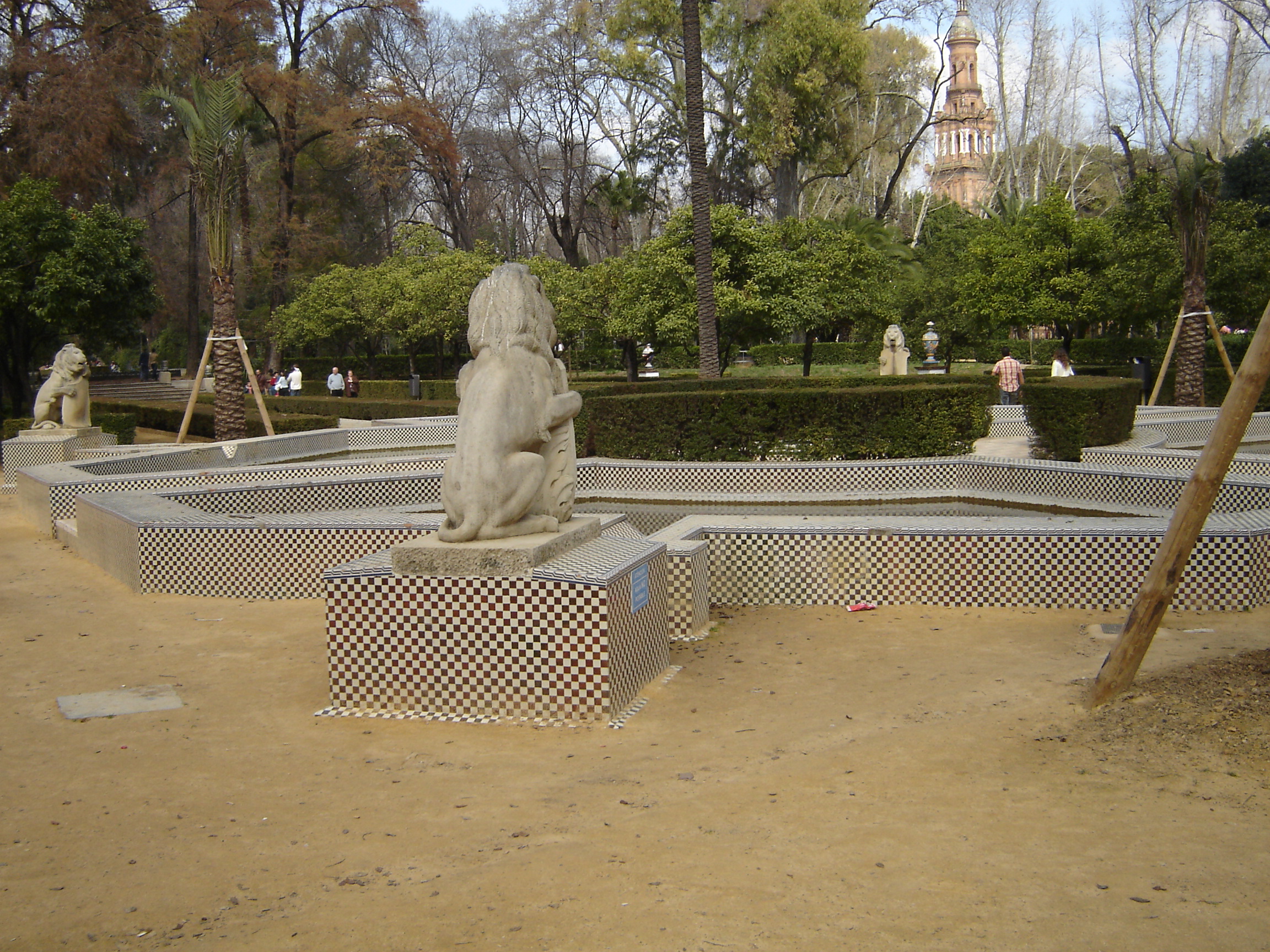
- Fuente de los Leones – Just 0.1 km away, this lion‑themed fountain offers a regal counterpart to the playful frogs.
- Plaza de la Alfalfa – A vibrant square known for its tapas bars and lively atmosphere.
- Catedral de Sevilla (Seville Cathedral) – A UNESCO World Heritage site, about a 10‑minute walk, featuring the famous Giralda tower.
- Real Alcázar of Seville – The royal palace’s stunning Mudéjar architecture is a short stroll away.
- Museo de Bellas Artes de Sevilla – Spain’s second‑largest fine‑arts museum, perfect for art lovers.
These attractions can easily be combined into a half‑day itinerary, allowing you to soak up both the historic grandeur and the intimate charm of Seville’s streets.
7. Travel Tips
| Tip | Details |
|---|---|
| Dress Comfortably | Cobblestone streets can be uneven; wear supportive shoes. |
| Stay Hydrated | Sevilla can get hot, especially in summer; carry a refillable water bottle. |
| Respect the Fountain | The water is decorative; avoid swimming or cleaning the frogs. |
| Coin Toss Tradition | If you wish to make a wish, toss a small coin into the basin – it’s a beloved local custom. |
| Timing | Early mornings (7‑9 am) and evenings (after 7 pm) are less crowded and provide the best lighting for photos. |
| Local Snacks | Grab a quick “tostada con jamón” from a nearby café; the fountain’s vicinity is perfect for a quick bite. |
| Language | While many locals speak English in tourist areas, learning a few Spanish phrases (“¡Hola!”, “Gracias”) goes a long way. |
| Safety | The area is generally safe, but keep an eye on personal belongings, especially in busy plazas. |
| Connectivity | Free Wi‑Fi is available in many public squares; you can upload your fountain photos instantly. |
Final Thought
The Fuente de las Ranas may not be the grandest monument in Sevilla, but its quiet charm, historic resonance, and playful design make it a hidden gem worth seeking out. As you wander the sun‑dappled streets of Andalusia’s capital, let this little frog fountain remind you that sometimes the most memorable travel moments come from the simplest, most unexpected corners of a city.
Pack your camera, bring a curiosity, and don’t forget to make a wish – the frogs are waiting.