Fuente de la Ninfa del Cántaro – Málaga’s Hidden Water‑Jewel
Discover the charm of one of Andalusia’s most intimate fountains, tucked away in the heart of Málaga.
Introduction
If you think of Málaga you probably picture the bustling port, the golden beaches of the Costa del Sol, or the towering silhouette of the Alcazaba. Yet the city’s true soul often whispers from its quiet corners—like the Fuente de la Ninfa del Cántaro, a modest yet enchanting fountain that has been drawing locals and curious travelers for centuries. Nestled among cobblestone streets and historic plazas, this fountain offers a perfect snapshot of Andalusian craftsmanship, mythic storytelling, and Mediterranean serenity. In this guide we’ll explore everything you need to know to make a memorable stop at the Ninfa del Cántaro and the surrounding attractions that make Málaga a treasure trove for culture lovers.
About Fuente de la Ninfa del Cántaro
A brief description
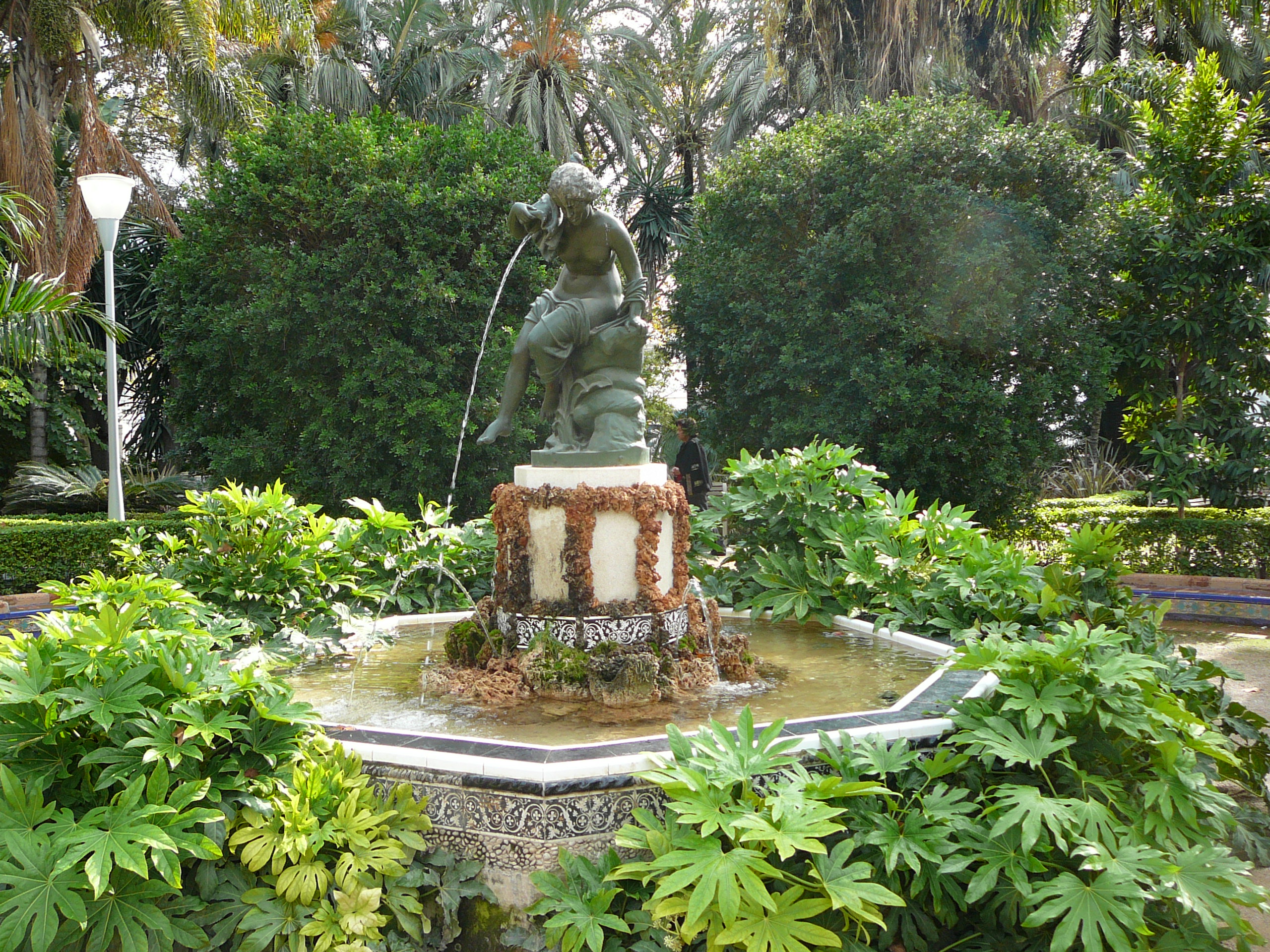
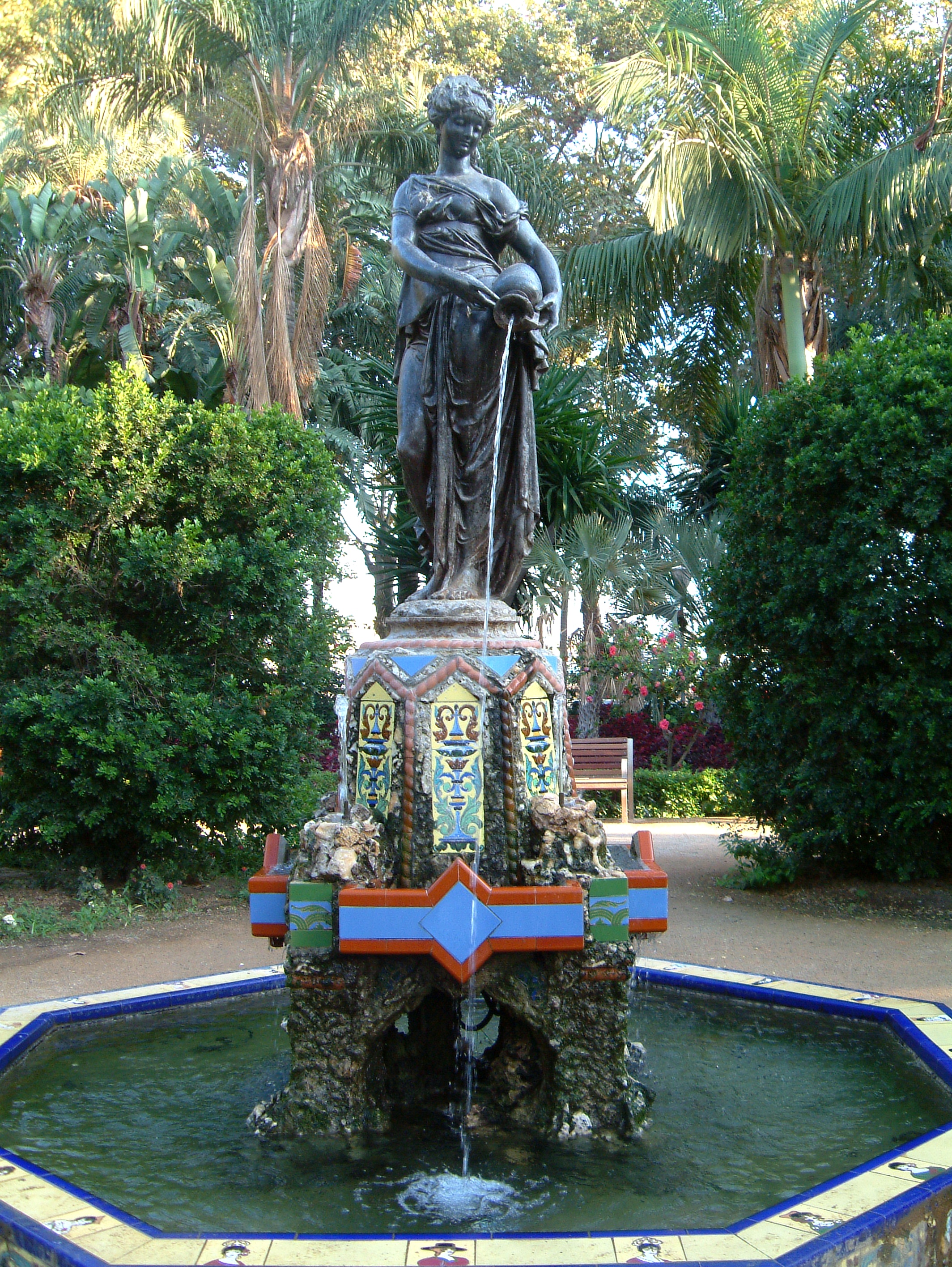
The Fuente de la Ninfa del Cántaro (literally “Nymph of the Pitcher Fountain”) is a stone water feature located at latitude 36.718878 and longitude ‑4.417071 in the historic centre of Málaga, Andalusia, Spain. While its exact height and altitude remain undocumented, the fountain’s design is unmistakably Andalusian: a graceful stone basin crowned by a sculpted nymph holding a traditional water‑pitcher (cántaro). The water gently cascades from the pitcher, creating a soothing sound that blends with the murmur of the city.
Historical roots
The fountain’s name references the ninfa—a mythological water spirit common in Mediterranean folklore—symbolising purity, abundance, and the life‑giving properties of water. According to the Spanish Wikipedia entry, the fountain has been part of Málaga’s urban landscape for many generations, serving both practical and decorative purposes. In historic Andalusian towns, public fountains were essential sources of drinking water before modern plumbing, and they often became social hubs where residents gathered to exchange news, trade goods, or simply rest.
Cultural significance
Beyond its utilitarian origins, the Fuente de la Ninfa del Cántaro is a living piece of Málaga’s cultural heritage. The nymph motif connects the fountain to a broader Iberian tradition of celebrating water deities, while the simple elegance of the stonework reflects the Moorish influence that still permeates Andalusian architecture. Today, the fountain stands as a quiet reminder of the city’s layered past—Roman, Moorish, and Christian—making it a must‑see for history buffs and photography enthusiasts alike.
How to Get There
By air, train, or bus
- Malaga‑Costa del Sol Airport (AGP) – The nearest international gateway, about 8 km from the city centre. From the airport, you can take the C1 suburban train (≈ 12 min) or a taxi (≈ 15 min) to reach the historic centre.
- Málaga María Zambrano Train Station – Served by high‑speed AVE trains from Madrid, Seville, and Barcelona. The station is a short 10‑minute walk or a quick bus ride to the fountain’s neighbourhood.
- Intercity buses – Major Spanish cities connect to the Estación de Autobuses de Málaga (central bus station). From there, the city’s metro or a short walk will bring you to the fountain.
Public transport within Málaga
- Metro: Line 1 (the red line) stops at El Perchel and Alameda Principal, both within a 5‑minute walk to the fountain.
- City buses: Routes C1, C2, and C3 circulate around the historic centre, with stops near the Alcazaba and Plaza de la Merced. Look for the sign “Fuente de la Ninfa del Cántaro” on the bus display or ask the driver.
Walking & parking
If you’re staying in the city centre, the fountain is easily reachable on foot—Málaga’s old town is compact, and many of its attractions cluster within a 15‑minute stroll. For those driving, Parking Plaza Málaga (located at Plaza de la Merced) offers affordable hourly rates and is just a few minutes away on foot.
Best Time to Visit
| Season | Why it works | Tips |
|---|---|---|
| Spring (March‑May) | Pleasant temperatures (15‑22 °C) and blooming orange trees give the plaza a vibrant backdrop. | Arrive early to avoid the midday tourist rush. |
| Early Summer (June) | Long daylight hours let you enjoy the fountain’s reflections at sunset. | Bring a light jacket; evenings can be breezy near the sea. |
| Autumn (September‑October) | Cooler evenings and fewer crowds make for a relaxed atmosphere. | Ideal for photography; golden hour lighting is spectacular. |
| Winter (November‑February) | The fountain remains a peaceful oasis even when the city is quieter. | Dress warmly; some nearby cafés may have limited hours. |
Avoid peak midday heat in July–August if you plan to explore on foot, as the narrow streets can become sweltering. The fountain’s shaded spot, however, offers a pleasant respite even on hotter days.
What to Expect
When you step onto the cobblestones surrounding the Fuente de la Ninfa del Cántaro, you’ll be greeted by the gentle murmur of water and the subtle scent of nearby orange trees. The fountain’s stone basin glistens under the Andalusian sun, and the nymph’s serene expression seems to watch over passersby.
- A tranquil meeting point – Locals often pause here for a quick drink, a photo, or a brief chat. The atmosphere is relaxed, making it a perfect spot for a coffee break or a quick sketch.
- Photographic charm – The combination of historic stone, flowing water, and surrounding architecture creates a compelling composition. Early morning light or the warm glow of the “golden hour” adds depth to your shots.
- Cultural immersion – You’ll hear street musicians playing flamenco guitars a short walk away, and the occasional aroma of churros from a nearby stall. The fountain serves as a natural crossroads where tradition meets daily life.
Nearby Attractions
While the Fuente de la Ninfa del Cántaro is a highlight on its own, the surrounding area is packed with other captivating sites—most within a 5‑minute walk.
| Attraction | Distance | Why go? | Link |
|---|---|---|---|
| Fuente de la Ninfa de la Caracola | 0 km (same plaza) | Another charming nymph fountain, featuring a shell motif that celebrates Málaga’s maritime heritage. | Wikipedia – Ninfa del Cántaro |
| Fuente de la Glorieta de Narciso Díaz | 0.1 km | A historic roundabout fountain dedicated to the 19th‑century poet Narciso Díaz, surrounded by elegant lampposts. | — |
| Unnamed nearby fountain | 0.1 km | A modest water feature that adds to the plaza’s layered fountain tradition. | — |
| Fuente del Palmeral de las Sorpresas | 0.2 km | Set within a small palm‑grove, this fountain surprises visitors with playful water jets. | — |
| Fuente de la Puerta de la Alcazaba | 0.2 km | Located near the entrance to the Alcazaba, this fountain marks the transition from the bustling city to the historic fortress. | — |
| Alcazaba of Málaga | 0.3 km | A Moorish citadel offering panoramic city views, lush gardens, and centuries‑old walls. | — |
| Málaga Cathedral | 0.4 km | Known as “La Manquita,” the unfinished Renaissance cathedral dominates the skyline. | — |
| Plaza de la Merced | 0.5 km | A lively square featuring the birthplace of Picasso and numerous cafés. | — |
Tip: Combine your fountain visit with a leisurely walk to the Alcazaba and Málaga Cathedral—both are within a comfortable 10‑minute stroll and provide a fuller picture of the city’s history.
Travel Tips
- Comfortable shoes – The historic centre’s cobblestones can be uneven. Wear supportive footwear for a pleasant walk.
- Stay hydrated – Even though the fountain is a water source, it’s not for drinking. Carry a reusable bottle, especially in summer.
- Respect local customs – The fountain is a public space frequented by residents. Keep noise levels moderate and avoid climbing on the stonework.
- Timing for photos – Early morning (7 am‑9 am) offers soft light and fewer crowds; late afternoon (5 pm‑7 pm) gives warm tones perfect for Instagram.
- Combine with tapas – Just a few doors away you’ll find traditional tapas bars serving pescaito frito and jamón ibérico. Pair a quick bite with your fountain visit for a full sensory experience.
- Check opening hours of nearby attractions – While the fountain is always accessible, museums and the Alcazaba have specific opening times (typically 9:30 am‑6:00 pm). Plan accordingly.
- Language tip – A simple “Hola” or “¿Dónde está la Fuente de la Ninfa del Cántaro?” will get you directions. Most locals speak basic English, especially in tourist areas.
Wrap‑up
The Fuente de la Ninfa del Cántaro may not appear on every travel brochure, but its quiet elegance encapsulates the spirit of Málaga—where history, myth, and everyday life flow together like the water from its pitcher. Whether you’re a seasoned traveler hunting hidden gems, a photography lover seeking atmospheric shots, or simply a curious wanderer eager to sip the city’s cultural essence, this fountain deserves a spot on your itinerary.
Plan your journey, wander the surrounding plazas, and let the gentle cascade of the Ninfa guide you into the heart of Andalusia. Happy travels!