Fuente de la Ninfa de la Caracola – A Hidden Jewel in Malaga, Andalusia
Discover the charm of one of Malaga’s most enchanting fountains and learn how to make the most of your Andalusian adventure.
1. Introduction
If you think you’ve seen every corner of Malaga, think again. Tucked away amid the bustling streets of the historic centre lies Fuente de la Ninfa de la Caracola, a delicate stone fountain that whispers stories of centuries‑old craftsmanship and Mediterranean folklore. Whether you’re a seasoned traveler chasing off‑the‑beaten‑path gems or a first‑time visitor to Andalusia, this modest yet magical fountain is a perfect photo‑stop that adds a splash of culture to any itinerary.
2. About Fuente de la Ninfa de la Caracola
A brief description
- Type: Fountain ⛲
- Location: Malaga, Andalusia, Spain
- Coordinates: 36.718967, -4.416754
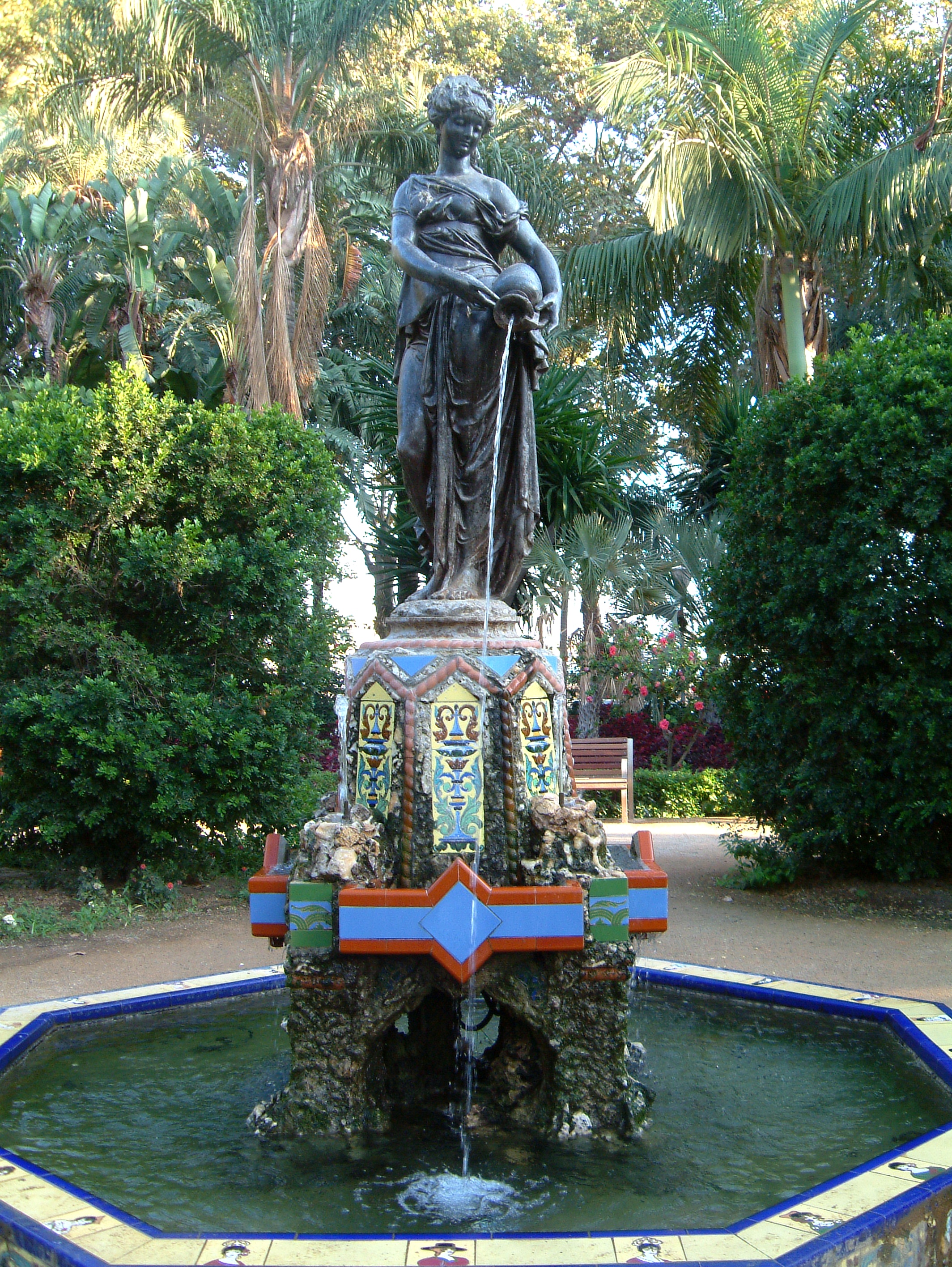
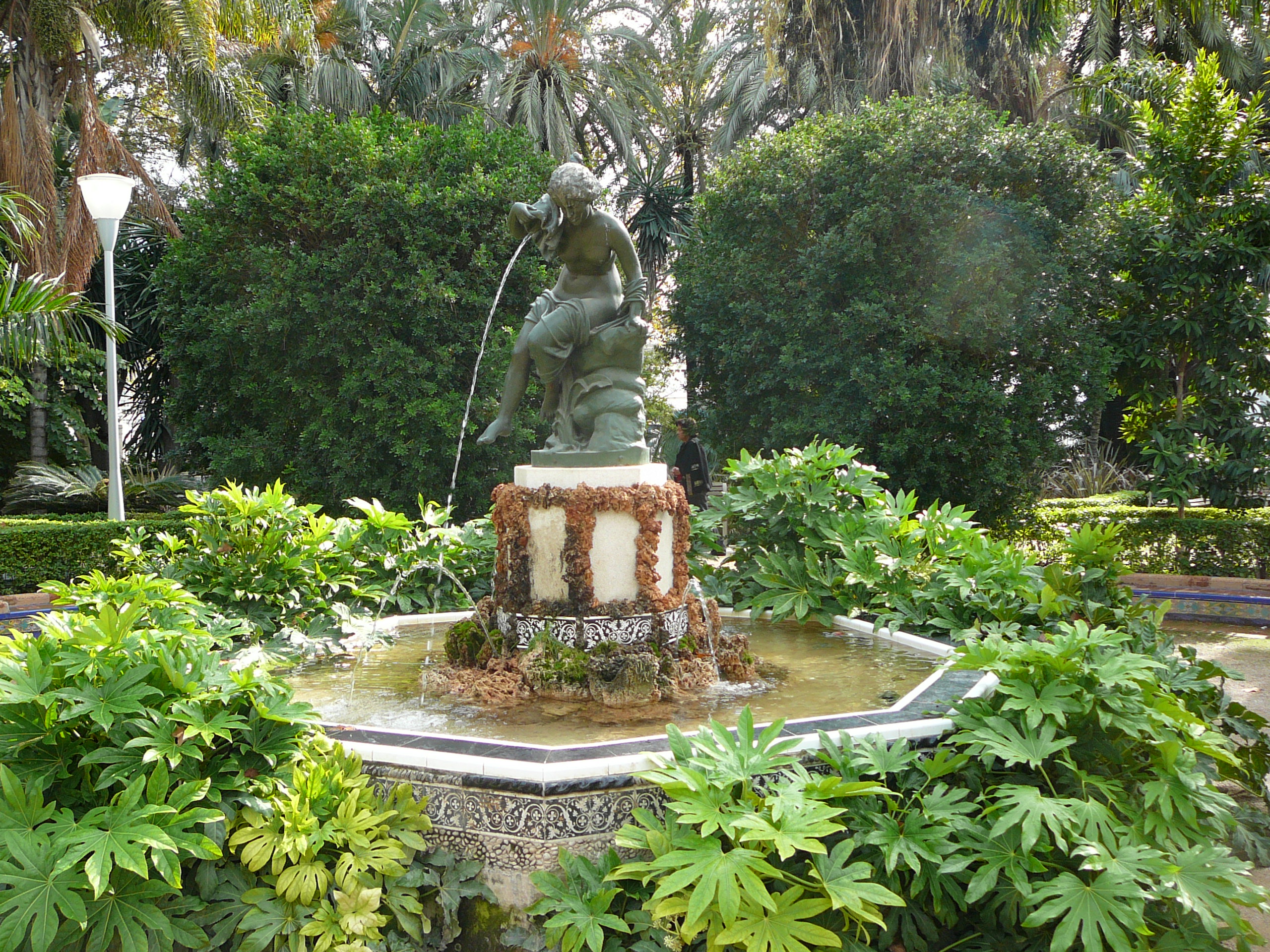
The fountain’s name translates to “The Nymph of the Shell,” a nod to the intricate shell motif that frames the water’s flow. Carved from local limestone, the basin is crowned by a graceful nymph figure holding a stylised conch, from which water gently cascades into the surrounding stone basin. Its design reflects the Moorish‑influenced Baroque style that characterises many public works in southern Spain.
Historical background
While precise construction dates are scarce, the fountain belongs to a wave of civic water projects that blossomed in Malaga during the 16th–18th centuries, when the city’s growing population demanded reliable public water sources. Like many Andalusian fountains, it served both practical and ornamental purposes: delivering fresh water to locals while showcasing the artistic flair of the era.
Cultural significance
In Andalusian folklore, nymphs (or “ninfas”) are water spirits that protect springs and fountains. The “Caracola” (shell) element evokes the sea‑faring heritage of Malaga, a historic port city. Together, the name and sculptural details celebrate the intimate relationship between the city’s maritime identity and its inland water sources. Today, the fountain stands as a modest yet poignant reminder of Malaga’s layered history—where Roman, Moorish, and Christian influences converge.
3. How to Get There
By air
- Malaga‑Costa del Sol Airport (AGP) is the closest international gateway, just 12 km (≈ 7.5 mi) from the city centre. From the airport, you can take a taxi, rideshare, or the C1 commuter train to Málaga María Zambrano station.
By train
- Renfe AVE high‑speed trains connect Madrid, Seville, and Barcelona directly to Málaga María Zambrano. From the station, the fountain is a short walk (≈ 10 minutes).
By public transport
- Metro Line 1 (yellow) stops at Atarazanas and Centro Alameda—both within a 5‑minute stroll to the fountain.
- City buses (Lines 1, 3, 5, and 11) have stops near the historic centre; look for the “Plaza de la Merced” or “Calle Larios” stops.
By foot or bike
- The historic centre of Malaga is compact and pedestrian‑friendly. If you’re staying in the city centre (e.g., near the Cathedral or the Alcazaba), the fountain is easily reachable on foot or by the city’s bike‑share system (Malaga Bike).
Parking
- Limited street parking exists, but most visitors prefer the underground parking at Plaza de la Marina or Parking Muelle Uno, then walk the short distance.
4. Best Time to Visit
| Season | Weather & Crowd Levels | Why Visit |
|---|---|---|
| Spring (Mar‑May) | Mild temperatures (15‑22 °C), blooming jacarandas | Ideal for comfortable strolling and vibrant photos. |
| Summer (Jun‑Aug) | Warm to hot (25‑33 °C), higher tourist flow | Early mornings or late evenings avoid the heat and crowds. |
| Autumn (Sep‑Nov) | Pleasant (18‑26 °C), fewer tourists | Perfect for relaxed sightseeing and golden‑hour lighting. |
| Winter (Dec‑Feb) | Mild (12‑18 °C), occasional rain | Quiet atmosphere; the fountain’s stone glistens after a light rain. |
Insider tip: The fountain looks especially enchanting during the golden hour (just after sunrise or before sunset) when the stone takes on a warm glow and the surrounding cobblestones reflect a soft light.
5. What to Expect
Approaching the fountain, you’ll first notice the gentle sound of water—a soothing backdrop to the hum of the city. The stonework is weathered but well‑preserved, with the nymph’s delicate features still visible. Small plaques nearby often provide a brief description in Spanish and English, making it easy for international visitors to appreciate its story.
The surrounding area is a lively mosaic of cafés, tapas bars, and artisan shops. You can sit on a nearby bench, sip a café con leche, and watch locals gather for a quick chat. The fountain’s location in the historic quarter means you’ll also be within walking distance of the Alcazaba, Roman Theatre, and Picasso Museum, allowing you to weave a full day of cultural exploration around this single stop.
6. Nearby Attractions
While you’re in the vicinity, be sure to check out these other charming fountains and landmarks—each just a stone’s throw away:
- Fuente de la Ninfa del Cántaro – 0.0 km (right next door)
- Fuente de la Glorieta de Narciso Díaz – 0.1 km
- Fuente de la Puerta de la Alcazaba – 0.2 km
- Fuente del Palmeral de las Sorpresas – 0.2 km
Beyond the fountains, the historic centre offers:
- Alcazaba of Malaga – a 11th‑century Moorish fortress with panoramic city views.
- Málaga Cathedral – known as “La Manquita” (the One‑Armed Lady) for its unfinished south tower.
- Picasso Museum – housing over 200 works by the Málaga‑born master.
All of these sites are easily reachable on foot, making the area perfect for a self‑guided walking tour.
7. Travel Tips
| Tip | Details |
|---|---|
| Dress comfortably | Cobblestone streets can be uneven; wear supportive shoes. |
| Stay hydrated | Even in cooler months, Andalusian sunshine can be strong. Carry a reusable water bottle. |
| Respect the site | Avoid climbing on the fountain or touching the stone carvings. |
| Timing for photos | Early morning or late afternoon provides soft lighting and fewer crowds. |
| Local language | While many signs are bilingual, a few phrases in Spanish (e.g., “¡Qué bonito!”) go a long way. |
| Currency | Spain uses the Euro (€). Credit cards are widely accepted, but keep some cash for small cafés. |
| Safety | Malaga is generally safe, but keep an eye on personal belongings in busy tourist zones. |
| Connectivity | Free Wi‑Fi is common in cafés; consider a local SIM if you need constant data. |
| Nearby dining | Try a pescaíto frito (fried fish) at a terrace near the fountain, or a tinto de verano at a nearby bar. |
| Accessibility | The immediate area around the fountain is flat, but some surrounding historic streets have steps. Check ahead if you have mobility concerns. |
Final Thought
Fuente de la Ninfa de la Caracola may not dominate travel brochures, but its quiet elegance captures the soul of Malaga—where history, art, and everyday life flow together like water from a fountain. Add it to your itinerary, wander the surrounding streets, and let the gentle splash remind you that the most memorable travel moments often come from the smallest, most authentic corners of a city.
Ready to explore? Pack your camera, slip on comfortable shoes, and let the nymph of the shell guide you through the heart of Andalusia’s coastal capital. Safe travels!