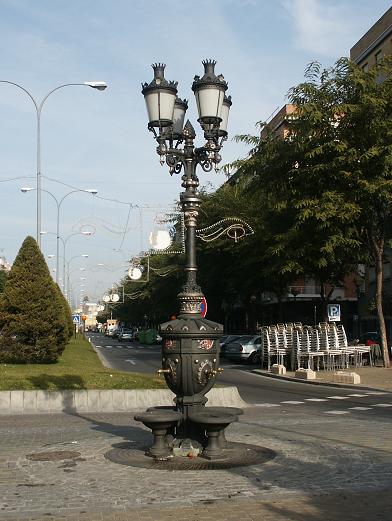
Fuente de Canaletas – The Hidden Jewel of Córdoba’s Historic Center
If you think you’ve seen every fountain in Andalusia, think again. Nestled in the winding streets of Córdoba’s old town, the Fuente de Canaletas is a quiet masterpiece that captures the soul of the city’s Moor‑Moorish heritage. Whether you’re a seasoned traveler, a history buff, or simply a lover of water‑lit architecture, this modest yet enchanting fountain deserves a spot on your Córdoba itinerary.
1. Introduction
There’s something magical about stumbling upon a fountain that has been quietly serving locals for centuries. The Fuente de Canaletas (literally “Fountain of the Channels”) does exactly that. Tucked away just a stone’s throw from Córdoba’s most famous landmarks, this unassuming stone basin offers a refreshing pause amid the bustling plazas, cobbled alleys, and fragrant orange trees that define the city’s historic heart.
Beyond its soothing trickle, the fountain is a living reminder of Córdoba’s centuries‑old water management system, where intricate canals (or canaletas) once carried life‑giving water from the Guadalquivir River to the city’s mosques, baths, and homes. Today, the fountain stands as a quiet tribute to that engineering brilliance, making it a must‑see for anyone exploring Andalusian fountains, historic waterworks in Spain, or simply looking for a peaceful spot to soak up the Mediterranean sun.
2. About Fuente de Canaletas
Description
The Fuente de Canaletas is a modest stone fountain set into a small plaza surrounded by whitewashed houses and narrow lanes. Its design is simple: a shallow basin fed by a series of narrow stone channels that guide water from an underground source to the surface. The water flows gently over the stone, creating a soft, melodic sound that blends perfectly with the hum of the city.
While the exact height and altitude of the fountain are not documented, its presence is unmistakable thanks to the subtle play of light on the water and the smooth, weathered stone that has endured centuries of Andalusian weather.
History & Significance
The fountain’s name hints at its original function: it was part of a network of canaletas—small, open‑air channels that distributed water throughout Córdoba’s historic quarter during the Islamic period (8th–13th centuries). These channels were essential for public baths, irrigation, and daily life, reflecting the sophisticated hydraulic engineering that made Córdoba one of medieval Europe’s most advanced cities.
Although the exact construction date of the Fuente de Canaletas is not recorded, its style aligns with the Moorish‑influenced fountains that dotted the city’s streets during the Caliphate of Córdoba. Over the centuries, the fountain survived the Reconquista, the rise of the Spanish Empire, and the modern tourist boom, remaining a functional piece of public infrastructure and a cultural landmark.
Today, the fountain is listed on the Spanish Wikipedia page for Fuente de Canaletas (Córdoba) and is protected as part of the historic heritage of Córdoba, Andalusia. It offers a tangible connection to the city’s past, reminding visitors that water was—and still is—the lifeblood of this UNESCO World Heritage site.
3. How to Get There
By Air
- Córdoba Airport (ODB) – Small regional airport with limited flights. From the airport, take a taxi or the local bus (Line 1) to the city centre (≈15 min).
- Seville Airport (SVQ) – The nearest major international gateway (≈1 h 30 min by train or 2 h by car). From Seville, catch the high‑speed AVE train to Córdoba (≈45 min) and then walk or take a short taxi ride to the fountain.
By Train
- Córdoba Central Station (Córdoba-Centro) – Served by AVE, Avant, and Media Distancia services from Madrid, Seville, Málaga, and Granada. From the station, the fountain is a pleasant 15‑minute walk through the historic centre, or a 5‑minute taxi ride.
By Bus
- ALSA and Socibus operate intercity routes to Córdoba from major Andalusian cities. The central bus station (Estación de Autobuses) is located near the train station; both are within easy reach of the fountain.
By Car
- Parking – The historic centre is mostly pedestrian‑only, but several public parking lots are available: Parking Plaza de la Corredera (0.7 km), Parking San Basilio (0.9 km), and Parking Alcázar (1 km). From any of these, the fountain is a short walk.
Coordinates & Map
- Latitude: 37.887186
- Longitude: -4.763822
You can copy these coordinates into Google Maps or any GPS device to navigate directly to the fountain.
4. Best Time to Visit
| Season | Why It Works | Tips |
|---|---|---|
| Spring (March‑May) | Pleasant temperatures (15‑25 °C) and blooming orange trees make the fountain’s setting especially photogenic. | Arrive early to avoid the midday crowd that gathers at nearby plazas. |
| Autumn (September‑November) | Warm days, cooler evenings, and fewer tourists. The golden light at sunset creates a magical reflection on the water. | Bring a light jacket for evenings; the fountain area can be breezy. |
| Summer (June‑August) | Long daylight hours; the fountain offers a refreshing spot to cool down. | Expect higher temperatures (30‑35 °C). Visit early morning or late afternoon to stay comfortable. |
| Winter (December‑February) | Quiet streets and a serene atmosphere; the fountain’s gentle sound is especially soothing. | Some attractions may have reduced hours; check opening times in advance. |
Overall, spring and autumn provide the optimal blend of comfortable weather, vibrant scenery, and manageable crowds.
5. What to Expect
When you step onto the cobblestones in front of the Fuente de Canaletas, you’ll be greeted by a gentle cascade of water that seems to whisper stories of centuries past. The fountain’s stone basin reflects the surrounding white façades, while the narrow channels—canaletas—guide the water in a rhythmic flow that creates a soft, soothing soundtrack.
Because the fountain is functional, you’ll often see locals filling water bottles, children splashing their hands, and tourists pausing for photos. The area is typically shaded by the overhanging roofs of adjacent houses, offering a pleasant respite from the Andalusian sun.
Surrounding the fountain are narrow alleys (or callejuelas) that lead to hidden squares, traditional tavernas, and artisan workshops. You’ll hear the occasional call to prayer from the nearby Mezquita‑Cathedral, the distant clink of tapas plates, and the scent of orange blossoms drifting on the breeze.
The experience is less about grand architecture and more about immersive authenticity—a chance to feel the pulse of Córdoba’s daily life while standing beside a piece of its historic water network.
6. Nearby Attractions
The Fuente de Canaletas sits in a cluster of historic fountains and landmarks, making it an ideal base for a walking tour of Córdoba’s old town. Within a 0.2 km radius, you’ll find several other charming water features and points of interest:
- Fountain A – 0.1 km – A small stone fountain tucked behind a traditional courtyard. View on Google Maps
- Fountain B – 0.2 km – Known for its decorative tiles and ornate ironwork. View on Google Maps
- Fountain C – 0.2 km – A historic source of water for the nearby market. View on Google Maps
- Fountain D – 0.2 km – Features a small bronze sculpture of a water nymph. View on Google Maps
- Fountain E – 0.2 km – Located next to a centuries‑old olive press. View on Google Maps
In addition to these fountains, the following must‑see sites are within easy walking distance:
- Mezquita‑Cathedral of Córdoba – A UNESCO World Heritage masterpiece that blends Islamic and Christian architecture.
- Alcázar de los Reyes Cristianos – A fortified palace with beautiful gardens and historic mosaics.
- Judería (Jewish Quarter) – Narrow lanes lined with whitewashed houses, artisan shops, and the historic Synagogue.
- Plaza de la Corredera – A bustling square perfect for people‑watching and enjoying a glass of tinto de verano.
7. Travel Tips
| Tip | Details |
|---|---|
| Wear comfortable shoes | The historic centre is cobblestoned and hilly; sturdy walking shoes will keep you comfortable. |
| Stay hydrated | Even though the fountain is public, bring your own water bottle. The water is clean, but many travelers prefer bottled water for peace of mind. |
| Respect local customs | The fountain is a functional water source for residents. Avoid splashing loudly or littering. |
| Timing for photos | Early morning (7‑9 am) provides soft light and fewer tourists, ideal for Instagram‑ready shots. |
| Currency | Spain uses the Euro (€). Many small shops accept cards, but it’s handy to have cash for market stalls. |
| Language | Spanish is the official language. A few basic phrases (“¡Hola!”, “Gracias”) go a long way, especially when interacting with locals near the fountain. |
| Safety | Córdoba is generally safe for tourists. Keep an eye on belongings in crowded areas and be aware of pickpockets near major attractions. |
| Dining | After visiting the fountain, try a traditional salmorejo or flamenquín at a nearby tavern. Many eateries have outdoor terraces that overlook the historic streets. |
| Connectivity | Free Wi‑Fi is available in many public squares and cafés. If you need mobile data, consider a local SIM card from providers like Movistar or Orange. |
| Seasonal festivals | If you’re traveling in May, the Feria de Córdoba brings music, dancing, and fireworks—an unforgettable backdrop for the fountain’s gentle flow. |
Final Thought
The Fuente de Canaletas may not boast towering arches or lavish mosaics, but its quiet charm and deep historical roots make it a hidden gem worth seeking out. As you pause beside its gentle cascade, you’ll feel the rhythm of centuries of Andalusian life—a reminder that sometimes the most memorable travel experiences are found in the simplest of places.
Pack your camera, slip on those comfortable shoes, and let the sound of water guide you through Córdoba’s timeless streets. Happy travels!