Плотина‑каскад с туфовым гротом – A Hidden Water‑Wonder in Pushkin, St‑Petersburg
If you think you’ve seen every canal and riverbank St‑Petersburg has to offer, think again. Nestled in the historic town of Pushkin, the Плотина‑каскад с туфовым гротом (weir with a tufaceous grotto) is a quiet, photogenic spot that feels like a secret garden carved from stone and water.
1. Introduction
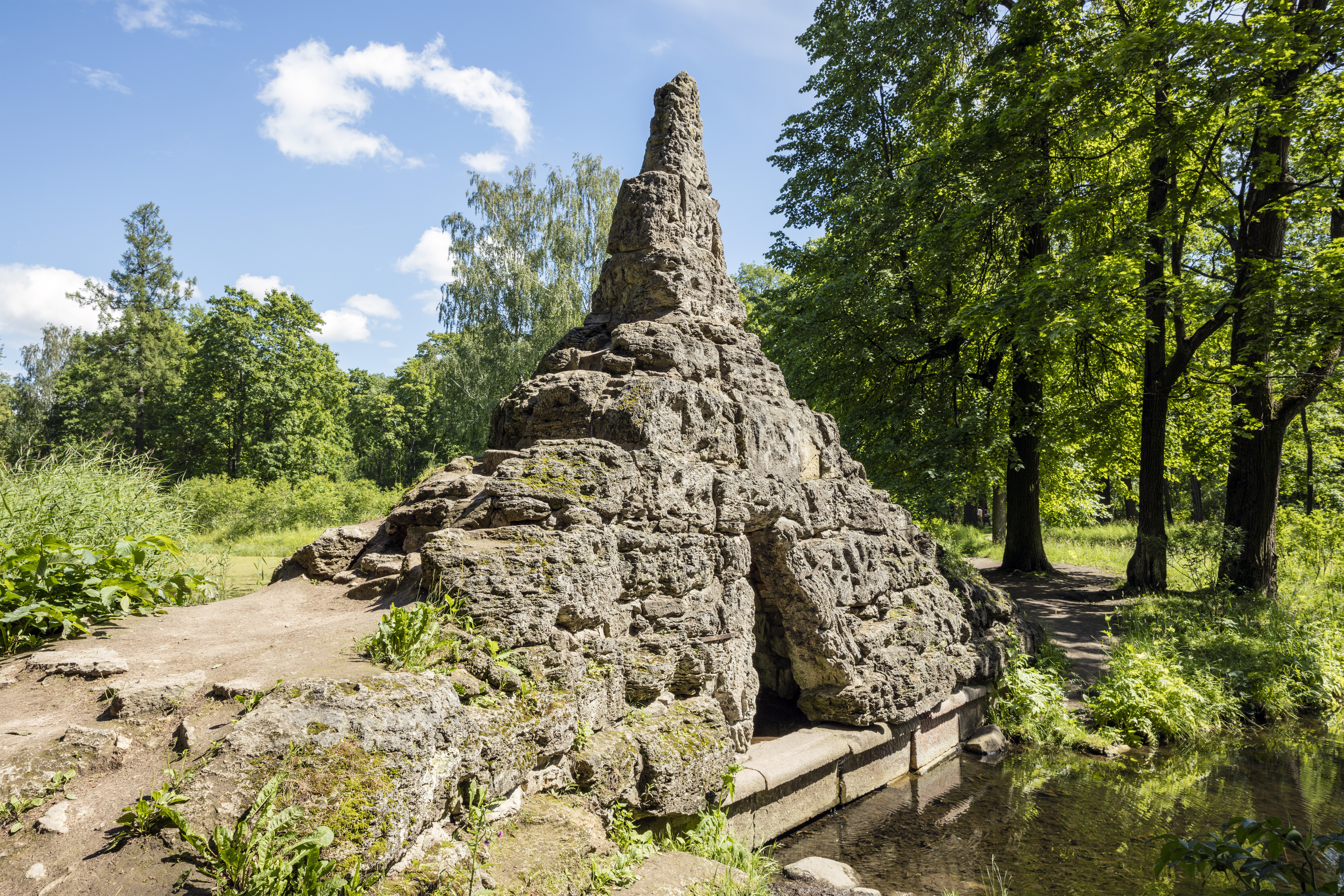
St‑Petersburg is world‑renowned for its grand palaces, glittering bridges, and the iconic Neva River. Yet beyond the bustling city centre lies a network of smaller waterways that tell a different story—one of engineering artistry and natural beauty. The Плотина‑каскад с туфовым гротом is exactly that: a modest weir that creates a cascading series of pools, punctuated by a tiny grotto formed from tufaceous (tufa) rock.
Travelers who wander off the typical tourist trail discover a place where the gentle roar of water blends with the whisper of pine‑scented air. Whether you’re a photography enthusiast, a history buff, or simply looking for a peaceful spot to stretch your legs, this weir offers a unique slice of Russian landscape that’s perfect for a day‑trip from St‑Petersburg.
2. About Плотина‑каскад с туфовым гротом
What is it?
- Type: Weir (cascade) with a туфовый грот (tufa grotto)
- Location: Pushkin (formerly Tsarskoye Selo), St‑Petersburg, Russia
- Coordinates: 59.711532 N, 30.386637 E
A weir is a low dam built across a river or stream to control water flow. In the case of the Плотина‑каскад, the structure creates a series of small drops that look like a natural waterfall, while the surrounding tufa formation gives the grotto its characteristic porous, limestone‑like texture.
Historical background
The exact construction date and original purpose of the weir are not documented in public sources, so its height and altitude remain unknown. However, weirs of this style were commonly built in the 18th‑19th centuries around royal estates to manage water levels for ornamental ponds, irrigation, and sometimes as a decorative element in landscaped gardens.
Pushkin itself is steeped in imperial history—home to the famous Catherine Palace and the Alexander Palace—so it’s likely that the Плотина‑каскад с туфовым гротом was part of the broader effort to beautify the estate’s surrounding grounds. Its modest size suggests it was intended more for aesthetic pleasure than for industrial use.
Why it matters
- Cultural charm: The weir adds a subtle, yet distinct, layer to the historic landscape of Pushkin, complementing the grandeur of nearby palaces.
- Ecological role: By regulating water flow, it helps maintain the health of the local creek ecosystem, supporting fish and amphibian habitats.
- Photographic gold: The combination of cascading water, moss‑covered stones, and the dimly lit grotto creates a perfect backdrop for sunrise or golden‑hour shots.
For a deeper dive, you can read the Russian‑language Wikipedia entry: Плотина‑каскад с туфовым гротом.
3. How to Get There
From St‑Petersburg city centre
| Transport | Approx. Time | Details |
|---|---|---|
| Electric Train (commuter rail) | 30–40 min | Take the St. Petersburg‑Pushkin (Tsarskoye Selo) line from Moscow Station (Moskovsky) or Vitebsky Station. Get off at Pushkin (Пушкин) station. The weir is a short walk (≈10 min) north of the station, following signs toward the local park area. |
| Metro + Bus | 45–55 min | Ride the Moskovskoe line to Pushkinskaya station, then catch bus № 173 toward “Царское Село”. Get off at the “Пушкин, парк” stop; the weir is a few minutes away on foot. |
| Taxi / Ride‑hailing (Yandex.Taxi, Uber) | 30 min (traffic‑dependent) | Direct door‑to‑door service. Use the address “Pushkin, St‑Petersburg, Russia” or input the coordinates 59.711532, 30.386637. |
| Bicycle | 1 h 15 min | For the adventurous, the dedicated bike lane along the Moscow–St. Petersburg highway (M10) leads into Pushkin’s historic centre. Parking is available near the station. |
Walking directions from Pushkin station
- Exit the station onto Krasnaya Street.
- Turn left onto Prospekt Lenina and walk straight for about 500 m.
- Look for a small footbridge crossing a creek; the weir sits just downstream of the bridge.
- Follow the well‑marked trail (often signposted with a “Грот” symbol) to the tufa grotto.
Pro tip: Download an offline map (e.g., MAPS.ME) and save the coordinates; GPS signal can be spotty among the trees.
4. Best Time to Visit
| Season | Why it shines | What to pack |
|---|---|---|
| Spring (April–May) | Snowmelt swells the creek, creating a lively cascade; budding trees frame the grotto with pastel colors. | Light rain jacket, waterproof shoes. |
| Summer (June–August) | Long daylight hours allow for late‑afternoon photography; the water is clear and the surrounding park is lush. | Sun hat, sunscreen, plenty of water. |
| Autumn (September–October) | Golden foliage mirrors the amber water, offering a romantic, almost mystical atmosphere. | Warm layers, sturdy boots for leaf‑covered paths. |
| Winter (November–March) | The weir can freeze, turning the cascade into an icy sculpture—perfect for dramatic, low‑light shots. | Insulated clothing, gloves, be careful of slippery surfaces. |
Overall recommendation: Late spring to early autumn (May–September) provides the most comfortable weather and the most vibrant scenery.
5. What to Expect
- A tranquil watercourse: The weir creates a gentle, rhythmic sound that masks city noise, making it an ideal spot for a quiet walk or a moment of meditation.
- Tufa grotto charm: Inside the grotlet, you’ll find a small, dimly lit chamber where water drips over porous stone, forming natural stalactite‑like formations. The air feels cooler and slightly mineral‑rich.
- Scenic pathways: Well‑maintained gravel paths wind around the cascade, with occasional wooden benches for rest. Signage in Russian provides brief historical notes.
- Wildlife sightings: Look out for ducks, swans, and occasionally a beaver family navigating the creek. In spring, you may see amphibians like fire‑bellied toads near the water’s edge.
- Photography opportunities: The best angles are from the upstream side (capturing the water’s descent) and from within the grotto looking outward—especially during sunrise when light filters through the water mist.
6. Nearby Attractions
While the Плотина‑каскад с туфовым гротом is the star of the show, the surrounding area offers several other points of interest that can easily fill a half‑day itinerary:
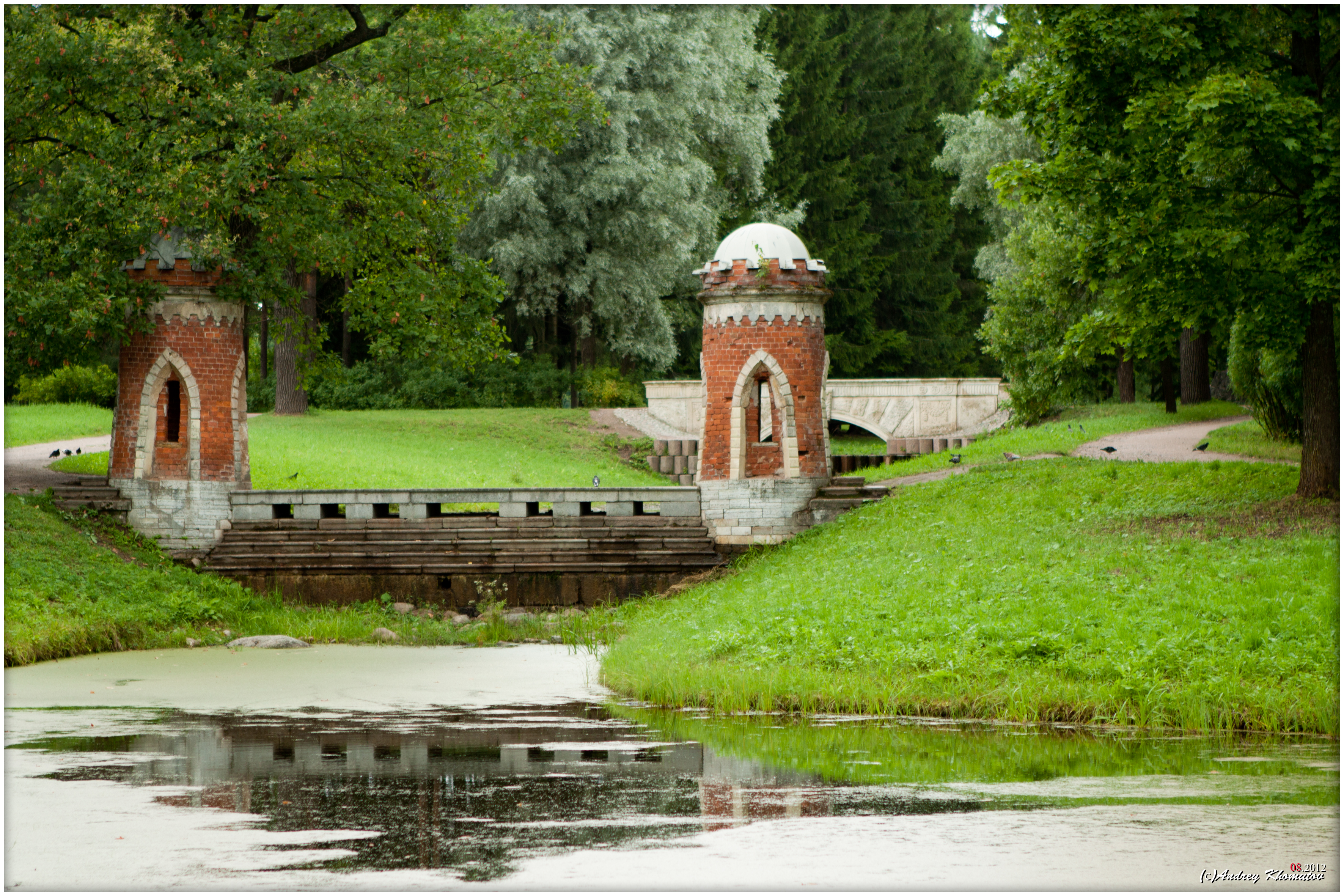
- Красный каскад (Red Cascade) – Just 0.1 km away, this neighboring weir features a striking red‑painted stonework and a small park ideal for picnics.
- Tsarskoye Selo (Catherine Palace & Park) – A short 2 km walk or a 5‑minute bus ride brings you to the world‑famous palace, its opulent interiors, and the sprawling English garden.
- Alexander Palace – The former residence of the last Russian Tsar, Nicholas II, located about 3 km from the weir.
- Pushkin Museum of Fine Arts – Housed in a historic mansion, showcasing Russian and European art from the 18th–20th centuries.
- Local cafés and souvenir shops – Along Prospekt Lenina, you’ll find cozy tea houses serving traditional Russian pastries, perfect for a post‑visit snack.
All of these attractions are within walking distance or a short public‑transport hop, making the Плотина‑каскад an excellent base for exploring Pushkin.
7. Travel Tips
| Tip | Details |
|---|---|
| Check opening hours | The weir is public and open year‑round, but nearby park facilities (benches, restrooms) may close at dusk in winter. |
| Bring a waterproof bag | Even on dry days, spray from the cascade can dampen cameras and phones. |
| Respect nature | Stay on marked trails, avoid climbing the tufa rocks, and do not feed wildlife. |
| Timing for photos | Early morning (sunrise) or late afternoon (golden hour) provides the softest light and fewer visitors. |
| Cash for small purchases | Many local kiosks and cafés accept only cash; carry a few rubles for snacks or souvenirs. |
| Language | Signage is primarily in Russian. Having a translation app handy can help you read historical plaques. |
| Safety | The water can be slippery after rain; wear shoes with good grip. Children should be supervised near the water’s edge. |
| Combine with a guided tour | Several local tour operators offer “Pushkin Highlights” walks that include the weir, the Red Cascade, and the Catherine Palace. Booking a group tour can provide deeper historical context. |
Wrap‑up
The Плотина‑каскад с туфовым гротом may not appear on the typical St‑Petersburg travel brochures, but that’s precisely why it feels like a hidden treasure. Its gentle cascade, stone‑carved grotto, and serene surroundings create a perfect escape for anyone craving a blend of nature, history, and quiet contemplation—all just a short ride from the bustling city centre.
Add this weir to your itinerary, pair it with the nearby Красный каскад and the regal palaces of Pushkin, and you’ll discover a side of the Russian capital that most tourists miss. Pack your camera, lace up your walking shoes, and let the water guide you to a memorable day in one of St‑Petersburg’s most charming corners.
Keywords: Плотина‑каскад с туфовым гротом, weir in Pushkin, St‑Petersburg day trip, Pushkin attractions, Красный каскад, travel to Pushkin, best time to visit Плотина‑каскад, how to get to Плотина‑каскад, Russian water cascade.