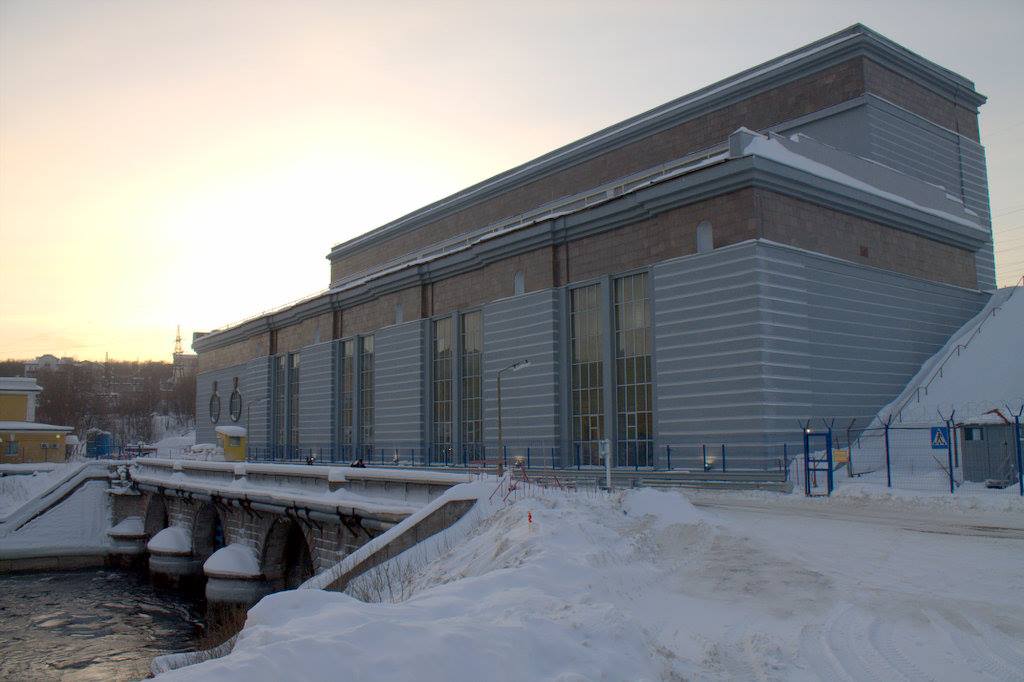
Туломская ГЭС – A Hidden Gem of Murmansk’s Arctic Landscape
Discover the engineering marvel, breathtaking nature, and off‑the‑beaten‑path charm of Туломская ГЭС, the Lower Tuloma Hydroelectric Power Plant, nestled in the remote town of Murmashi, Murmansk Oblast, Russia.
1. Introduction
When most travelers think of the Russian Arctic, images of snow‑capped fjords, the Aurora Borealis, and rugged coastlines dominate the imagination. Yet, tucked just 1.3 km from the heart of Murmashi, a striking concrete dam rises from the icy waters of the Tuloma River – the Туломская ГЭС. This hydroelectric powerhouse isn’t just a source of clean energy; it’s a surprisingly photogenic landmark that offers a glimpse into Soviet‑era engineering, pristine wilderness, and the quiet rhythm of life far north of the 60th parallel. Whether you’re a road‑trip enthusiast, a photography lover, or a curious explorer of industrial heritage, Туломская ГЭС deserves a spot on your Murmansk itinerary.
2. About Туломская ГЭС
A Brief History
The Туломская ГЭС (Нижнетуломская ГЭС) was commissioned during the Soviet period as part of a broader strategy to harness the abundant water resources of the Kola Peninsula for electricity generation. While exact construction dates are scarce in English‑language sources, the plant’s presence is documented on the Russian Wikipedia page for the Нижнетуломская ГЭС. Built to serve the industrial and residential needs of Murmansk and surrounding settlements, the dam remains an essential component of the region’s power grid.
Engineering Highlights
- Type: Concrete gravity dam (🏗️)
- Location: Murmashi, Murmansk Oblast, Russia
- Coordinates: 68.833109 N, 32.811784 E
- Height & Altitude: Not publicly disclosed, adding an element of mystery to its silhouette against the Arctic sky
The dam’s robust structure, designed to withstand harsh sub‑arctic weather, stands as a testament to Soviet engineering ingenuity. Its turbines churn year‑round, turning the relentless flow of the Tuloma River into clean, renewable electricity.
Why It Matters
Beyond its functional role, Туломская ГЭС symbolizes the balance between industrial development and the pristine environment of the far north. The plant’s reservoir creates a tranquil water surface that mirrors surrounding boreal forests, while the dam itself offers a dramatic foreground for sunrise and sunset photography. For eco‑conscious travelers, the site showcases a successful example of low‑impact energy production in a fragile ecosystem.
3. How to Get There
Getting to Murmashi
- By Air: The nearest major airport is Murmansk Airport (MMK), located about 30 km north of Murmashi. Daily flights connect Murmansk with Moscow, St. Petersburg, and several European hubs.
- By Train: The Murmansk–St. Petersburg Railway stops at Murmashi station, offering a scenic ride through the Kola Peninsula’s rolling tundra.
- By Car: Rent a car in Murmansk (most agencies provide GPS‑enabled vehicles). From the city center, follow the R21 highway southward for roughly 30 km, then take the local road signs toward Murmashi.
Reaching the Dam
- From Murmashi Center: The dam lies just 1.3 km east of the town’s main square. A short walk or bike ride along the paved riverbank path brings you directly to the viewing platform.
- Parking: A modest parking lot sits near the dam’s administrative building, offering space for cars and small buses.
- Public Transport: Local minibusses (marshrutkas) run hourly between Murmashi and the dam area; ask the driver for “Туломская ГЭС” as your stop.
Tip: Bring a Russian‑language map or download offline maps (e.g., MAPS.ME) because cellular coverage can be spotty near the river.
4. Best Time to Visit
| Season | Weather | What to See | Why It’s Ideal |
|---|---|---|---|
| Late Spring (May‑June) | Daylight up to 20 h, temperatures 5‑12 °C | Snow‑melt waterfalls, vibrant mosses | The dam’s reservoir is full, and the surrounding flora awakens, creating vivid contrasts. |
| Summer (July‑August) | Mild, 12‑15 °C, occasional rain | Midnight sun, birdwatching, lush greenery | Long days allow flexible sightseeing; perfect for photography of the dam bathed in golden light. |
| Early Autumn (September) | Cooler, 5‑10 °C, crisp air | Autumn colors, fewer tourists | The surrounding forest turns amber, offering a dramatic backdrop to the concrete structure. |
| Winter (December‑February) | Polar night, -15 °C to -30 °C, snow | Ice‑covered dam, Northern Lights | For adventurous souls, the dam looks ethereal under a veil of snow; the Aurora often dances overhead. |
Recommendation: For first‑time visitors, late May to early September provides the most comfortable climate and the richest visual palette.
5. What to Expect
The Visual Experience
Approaching Туломская ГЭС, the first thing you’ll notice is the stark contrast between the dark, monolithic concrete of the dam and the sparkling, turquoise waters of the Tuloma River. In summer, the surrounding boreal forest adds splashes of deep green, while in winter, the whole scene is softened by a blanket of snow, turning the dam into a silent, white‑washed sentinel.
Photographic Highlights
- Golden Hour: The dam’s western façade catches the low sun, creating long shadows and a warm glow.
- Nighttime: If you’re lucky enough to catch the Aurora Borealis, the dam’s silhouette becomes a striking foreground for the dancing lights.
- Reflections: Calm days produce mirror‑like reflections of the structure on the reservoir, perfect for symmetry shots.
Sensory Details
- Sounds: The gentle rush of water, occasional low‑frequency hum of turbines, and distant calls of Arctic birds.
- Smells: Fresh, crisp river air tinged with pine and, in summer, the faint scent of wildflowers.
Visitor Facilities
- Viewing Platform: A safe, fenced area with benches and informational plaques in Russian.
- Interpretive Center: Small exhibition space detailing the dam’s history, engineering, and environmental impact (guided tours available in Russian).
- Café: A modest kiosk offers hot tea, coffee, and local pastries—ideal for warming up after a walk along the riverbank.
6. Nearby Attractions
While Туломская ГЭС is the star, the surrounding area offers several natural and cultural points of interest within a short drive:
| Attraction | Distance from Dam | Type | Why Visit |
|---|---|---|---|
| Murmashi Dam (another hydro facility) | 1.3 km | Dam | Compare Soviet‑era engineering styles; great for industrial‑heritage enthusiasts. |
| Tuloma River Spring #1 | 2.3 km | Natural spring | Crystal‑clear water; perfect for a short hike and a picnic. |
| Tuloma River Spring #2 | 2.5 km | Natural spring | Slightly larger pool, ideal for photo ops of water flowing over rocky outcrops. |
| Remote Arctic Spring | 6.5 km | Natural spring | A secluded spot where you can experience the raw silence of the Arctic tundra. |
Quick tip: Most of these sites are reachable by a bicycle or a short 4WD drive. Bring sturdy hiking boots and a waterproof jacket, especially if you plan to explore the springs.
7. Travel Tips
| Tip | Details |
|---|---|
| Language | Russian is the primary language. Learn basic phrases like “Привет” (hello) and “Где находится Туломская ГЭС?” (Where is Туломская ГЭС?). |
| Currency | Russian ruble (RUB). ATMs are available in Murmansk; carry some cash for small purchases near the dam. |
| Dress Code | Layered clothing is essential. Even in summer, evenings can be chilly. Waterproof boots are recommended for spring melt and autumn mud. |
| Safety | The dam area is fenced for security. Stay on marked paths, especially near water edges. |
| Photography | Bring a wide‑angle lens for the dam’s full scale and a tripod for low‑light shots (especially for Northern Lights). |
| Connectivity | Mobile coverage improves near Murmansk, but may drop off near the dam. Download offline maps and translation apps beforehand. |
| Respect the Environment | Pack out all trash, avoid disturbing wildlife, and follow local signage regarding protected areas. |
| Seasonal Gear | In winter, pack insulated gloves, a hat, and thermal layers. A headlamp is handy during polar night. |
| Local Cuisine | Try the Murmansk fish soup (рыбный суп) at the nearby café—freshly caught Arctic cod adds a flavorful finish to your day. |
| Guided Tours | If you’re interested in deeper technical insight, contact the Murmansk regional tourism office for a Russian‑speaking guide. |
Closing Thoughts
Туломская ГЭС may not appear on the typical “top 10 Russian attractions” list, but that’s precisely why it feels like a secret treasure for the intrepid traveler. Its blend of industrial heritage, striking natural scenery, and the raw beauty of the Arctic tundra creates an unforgettable experience that resonates long after you leave Murmansk. Pack your camera, brush up on your Russian, and set your compass for 68.833109 N, 32.811784 E—you’re about to discover a side of the Russian north that few get to see. Safe travels!