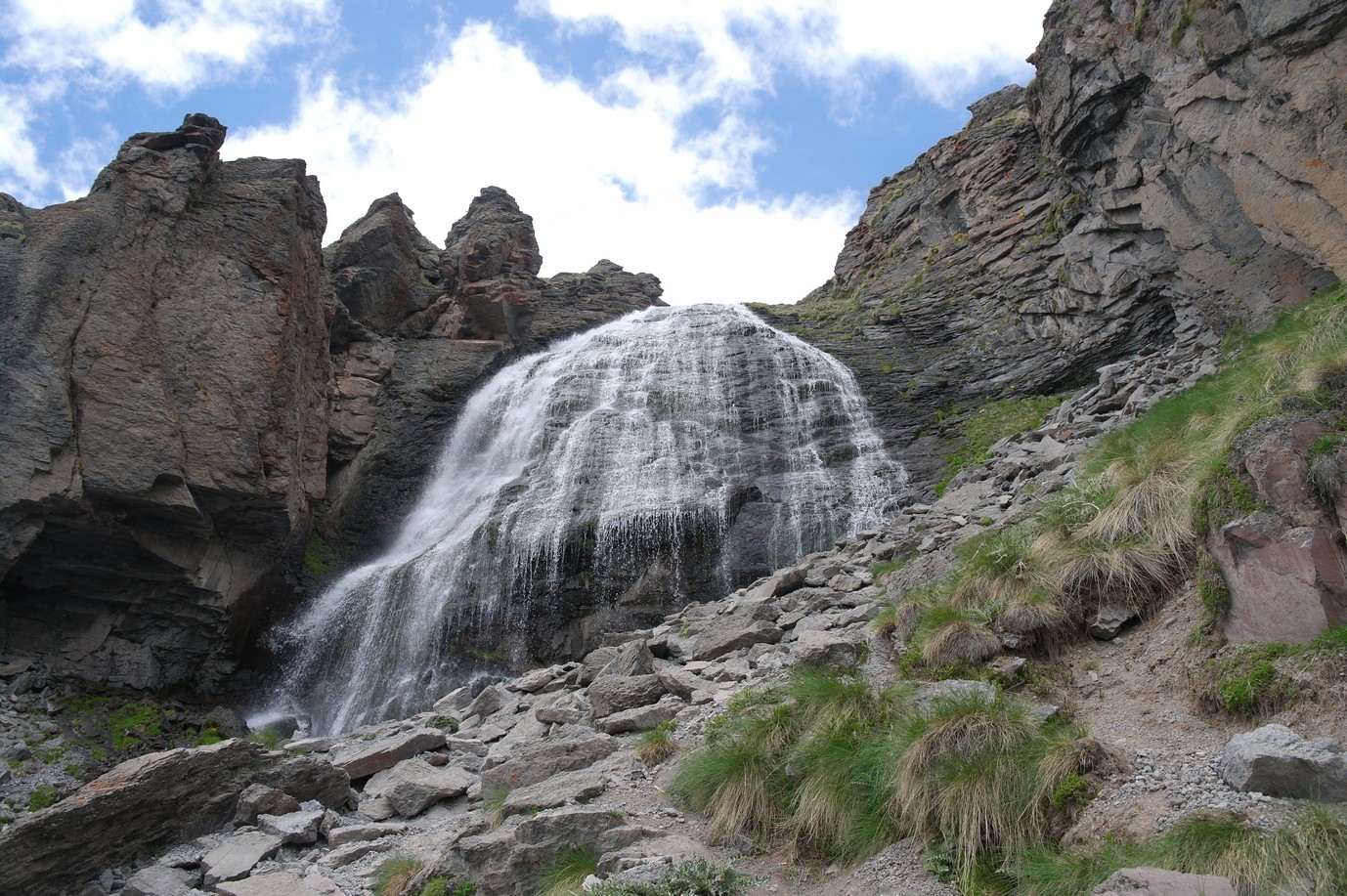
Девичьи косы – The Enchanting “Girl’s Braids” Waterfall in Kabardino‑Balkariya, Russia
If you’ve ever dreamed of chasing crystal‑clear water high up in the Caucasus, the Девичьи косы waterfall is the secret gem you need to add to your bucket list.
1. Introduction
Nestled at a dizzying 2,800 m above sea level, the Девичьи косы (pronounced De‑vich‑yi ko‑sy – “Girl’s Braids”) tumbles 25 m down a rugged limestone cliff, creating a veil of mist that looks like woven braids of a maiden’s hair. This secluded cascade lies near the alpine village of Terskol in the Republic of Kabardino‑Balkariya, Russia, a region famed for its dramatic peaks, pristine glacial lakes, and a cultural tapestry woven from Russian, Kabardian, and Balkar traditions.
For hikers, photographers, and nature lovers, Девичьи косы offers a rare combination of high‑altitude drama, untouched wilderness, and a touch of folklore that makes every visit feel like stepping into a living fairy‑tale. In this guide, we’ll explore everything you need to know to experience this waterfall safely and memorably.
2. About Девичьи косы
Description
- Type: Waterfall (tiered, free‑fall)
- Height: 25 m (≈ 82 ft)
- Altitude: 2,800 m (≈ 9,186 ft) above sea level
- Coordinates: 43.273916 N, 42.492342 E
The water originates from melting snowfields and underground springs that feed the Reka Terskol basin. As it plunges over the sheer rock face, the cascade splits into several thin streams that resemble delicate braids—hence the name “Girl’s Braids.” In summer, the flow is robust, while in early autumn the waterfall takes on a more delicate, glass‑like quality.
History & Significance
While there is no recorded historic battle or royal decree tied to Девичьи косы, local folklore tells of a young shepherdess who, enchanted by the waterfall’s beauty, wove her hair into braids and tossed them into the stream as an offering to the mountain spirits. The story underscores the deep reverence locals have for the natural world, especially water sources that sustain life in the high Caucasus.
The waterfall also serves as a natural landmark for trekkers heading toward the Mount Elbrus base camp or exploring the Caucasian Biosphere Reserve. Its remote location has helped preserve its pristine condition, making it a favorite spot for eco‑tourists seeking low‑impact adventures.
Learn more on Wikipedia: Девичьи Косы (ru)
3. How to Get There
Getting to Kabardino‑Balkariya
- By Air: The nearest major airport is Nalchik Airport (NAL), about 120 km (≈ 75 mi) west of Terskol. From Moscow or St. Petersburg, direct flights are available on several Russian carriers.
- By Train: The Nalchik‑Moscow railway line offers overnight sleeper services. The train station is a short taxi ride from the airport.
From Nalchik to Terskol
- Car Rental / Taxi: The most flexible option. The drive to Terskol (≈ 2 h) follows the scenic M29 highway toward the town of Baksan, then turns onto the R217 (Caucasus Highway) before a steep, paved mountain road leads to the village of Terskol.
- Public Bus: Buses from Nalchik to Baksan run frequently; from Baksan, a local minibus (marshrutka) heads to Terskol. Expect a 30‑minute wait and a 45‑minute ride.
The Final Stretch – Hiking to Девичьи косы
The waterfall is not reachable by vehicle; a short trek is required:
| Segment | Distance | Elevation Gain | Difficulty |
|---|---|---|---|
| Terskol parking area → Trailhead | 0.2 km | ~0 m | Easy |
| Trailhead → Девичьи косы | 1.5 km | +300 m | Moderate (rocky, some steep sections) |
Key Tips:
- The trail is well‑marked with cairns and occasional wooden signs in Russian.
- In early summer, patches of snow may linger; crampons or sturdy hiking boots are advisable.
- Carry a map or download the coordinates (43.273916, 42.492342) into a GPS app for offline navigation.
4. Best Time to Visit
| Season | Conditions | Why Visit |
|---|---|---|
| Late Spring (May‑June) | Snowmelt fuels a powerful flow; wildflowers begin to bloom. | Best for dramatic water volume and vibrant alpine flora. |
| Summer (July‑August) | Warm days, occasional thunderstorms. | Comfortable hiking weather; longer daylight hours. |
| Early Autumn (September‑early Oct.) | Water flow eases; foliage turns golden. | Ideal for photographers seeking soft light and fewer crowds. |
| Winter (Nov‑April) | Trail often covered in snow; waterfall may freeze. | Not recommended for casual visitors; requires winter mountaineering gear. |
Peak season is July‑August, when local guesthouses are fully operational and the trail is clear of snow. If you prefer solitude, aim for late May or early September.
5. What to Expect
The Sensory Experience
- Sight: The cascade plunges into a turquoise pool framed by jagged limestone, with mist that catches the sun in a rainbow of colors.
- Sound: A constant roar that drowns out distant wildlife, punctuated by the gentle splash of water hitting the pool.
- Smell: Fresh, crisp mountain air mixed with the subtle scent of pine and alpine moss.
Photographic Highlights
- Braided Waterfall: Capture the “braids” from the base looking up, especially when the sun is low (early morning or late afternoon).
- Panorama: From the trail’s overlook, you can frame the waterfall against the distant peaks of Mount Elbrus and Mount Dykh-Tau.
- Macro: The surrounding mosses and lichens offer excellent macro subjects.
Wildlife & Flora
- Birds: Golden eagles and bearded vultures often soar overhead.
- Flora: Alpine saxifrages, edelweiss, and dwarf rhododendrons dot the meadow near the waterfall.
6. Nearby Attractions
While Девичьи косы is the star, the surrounding area brims with natural wonders that can easily fill a day‑trip itinerary:
| Attraction | Type | Distance from Девичьи косы | Highlights |
|---|---|---|---|
| Reka Garabashi | Waterfall | 0.4 km | A smaller, crystal‑clear cascade that feeds into a tranquil pool—perfect for a quick dip. |
| Reka Terskol | Waterfall | 1.6 km | The river that eventually forms Девичьи косы; offers scenic riverbank walks. |
| Unnamed Spring #1 | Spring | 1.7 km | Fresh mountain spring water; a great spot for a short rest and hydration. |
| Unnamed Spring #2 | Spring | 1.7 km | Similar to Spring #1, surrounded by alpine grasses. |
| Unnamed Waterfall | Waterfall | 1.7 km | A hidden, narrow cascade that adds to the region’s “waterfall trail” vibe. |
All of these sites are reachable via short side‑trails from the main path to Девичьи косы, making it easy to create a custom “waterfall circuit.”
7. Travel Tips
| Tip | Details |
|---|---|
| Acclimatize | At 2,800 m you may feel altitude effects. Spend a night in Terskol before the hike to adapt. |
| Dress in Layers | Weather can shift quickly; bring a wind‑proof jacket, breathable base layers, and a hat. |
| Footwear | Sturdy, waterproof hiking boots with good ankle support are a must. |
| Hydration & Snacks | Carry at least 1.5 L of water (you can refill from the springs) and high‑energy snacks like nuts or dried fruit. |
| Leave No Trace | Pack out all trash, stay on marked trails, and avoid disturbing wildlife. |
| Safety | Mobile coverage is spotty; consider a satellite messenger if venturing off‑trail. |
| Photography Gear | A wide‑angle lens (16‑35 mm) captures the full cascade; a polarizing filter reduces glare on the water. |
| Local Cuisine | Try the Balkar cheese (tushkym) and kabardino‑balkarian honey at Terskol’s guesthouse for an authentic taste. |
| Currency | Russian ruble (RUB). Small cash is useful as many mountain cafés don’t accept cards. |
| Language | Russian is the primary language; learning a few basic phrases (e.g., “Здравствуйте” – hello) goes a long way. |
Final Thoughts
Dевичьи косы isn’t just another waterfall on a map—it’s a living postcard of the Caucasus, where the raw power of mountain water meets serene, high‑altitude solitude. Whether you’re a seasoned trekker chasing the “Seven Cascades” of Kabardino‑Balkariya or a casual traveler looking for a breathtaking day hike, this hidden gem promises unforgettable sights, soothing sounds, and a touch of legend that will stay with you long after you descend back to the valley.
Pack your boots, charge your camera, and let the “Girl’s Braids” weave their magic into your travel story. Safe travels!

