Девичья Коса Waterfall – A Hidden Gem in the Heart of Adygeya, Russia
Discover the mist‑kissed cascade, rugged mountain scenery, and the tranquil charm of Kamennomostskiy’s most secluded waterfall.
1. Introduction
If you’re mapping out an off‑the‑beaten‑path adventure in the North Caucasus, the name Девичья Коса (pronounced De‑vich‑ya Ko‑sa) should jump to the top of your list. Nestled at an altitude of 501 m above sea level in the picturesque village of Kamennomostskiy, this waterfall is a slice of pristine nature that few travelers have witnessed. Unlike the crowded tourist hotspots of Sochi or Krasnodar, Девичья Коса offers a quiet, immersive experience—perfect for hikers, photographers, and anyone craving a genuine taste of Adygeya’s wild beauty.
In this guide we’ll walk you through everything you need to know: from the waterfall’s subtle history to practical tips on how to get there, the best season to visit, and other nearby cascades that will round out a perfect day in the Caucasus. Let’s dive in!
2. About Девичья Коса
A Brief Description
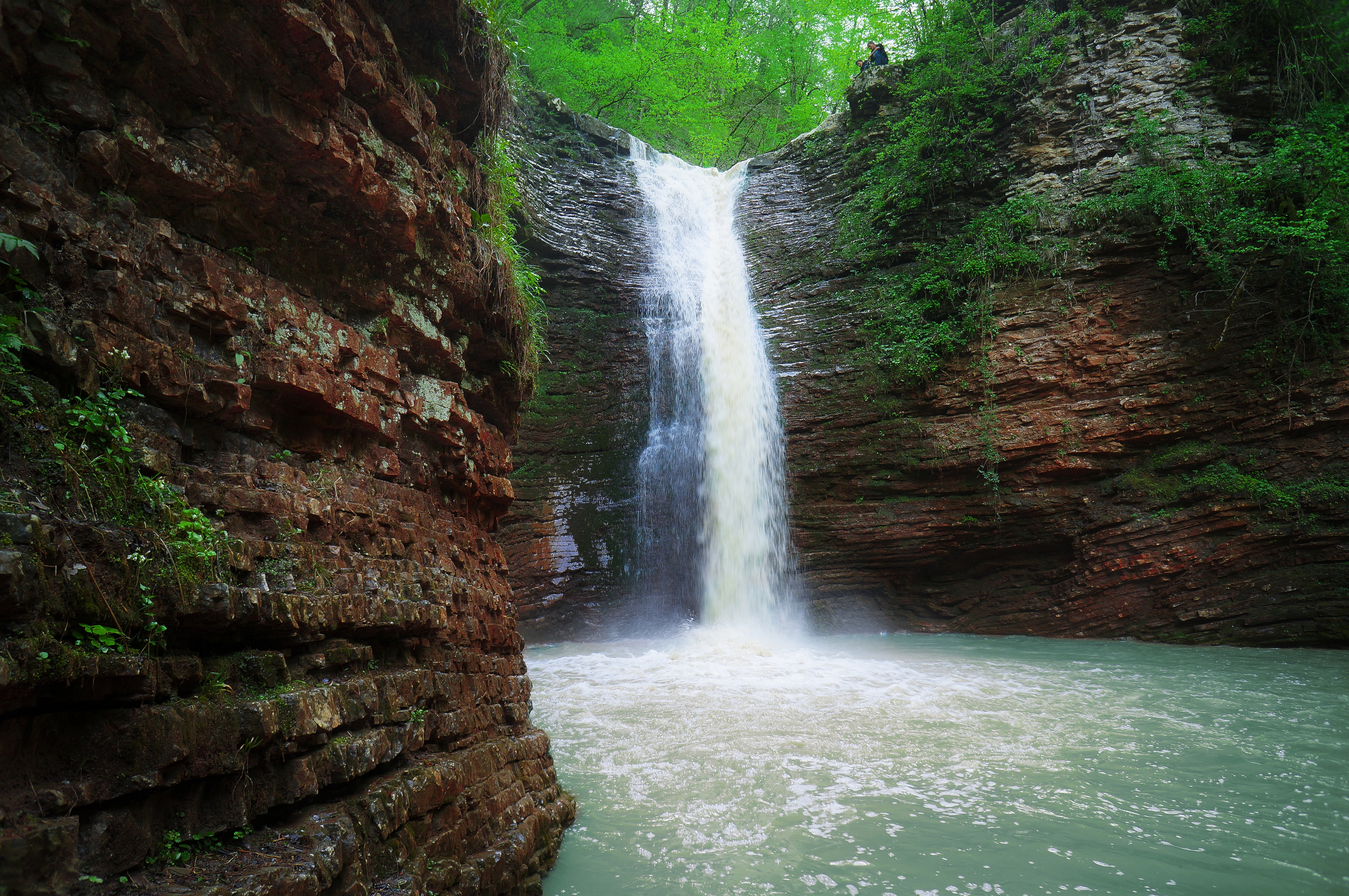
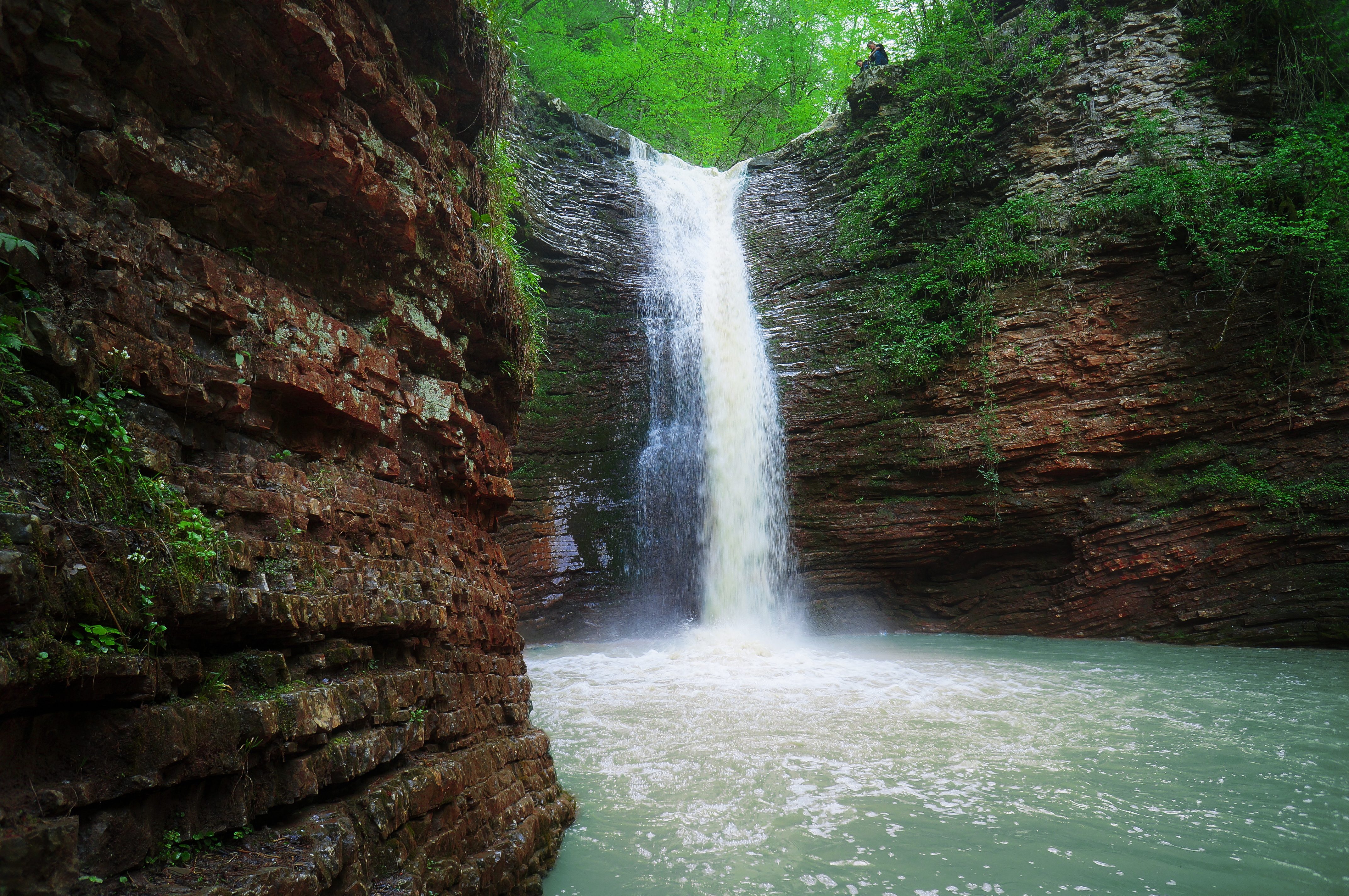
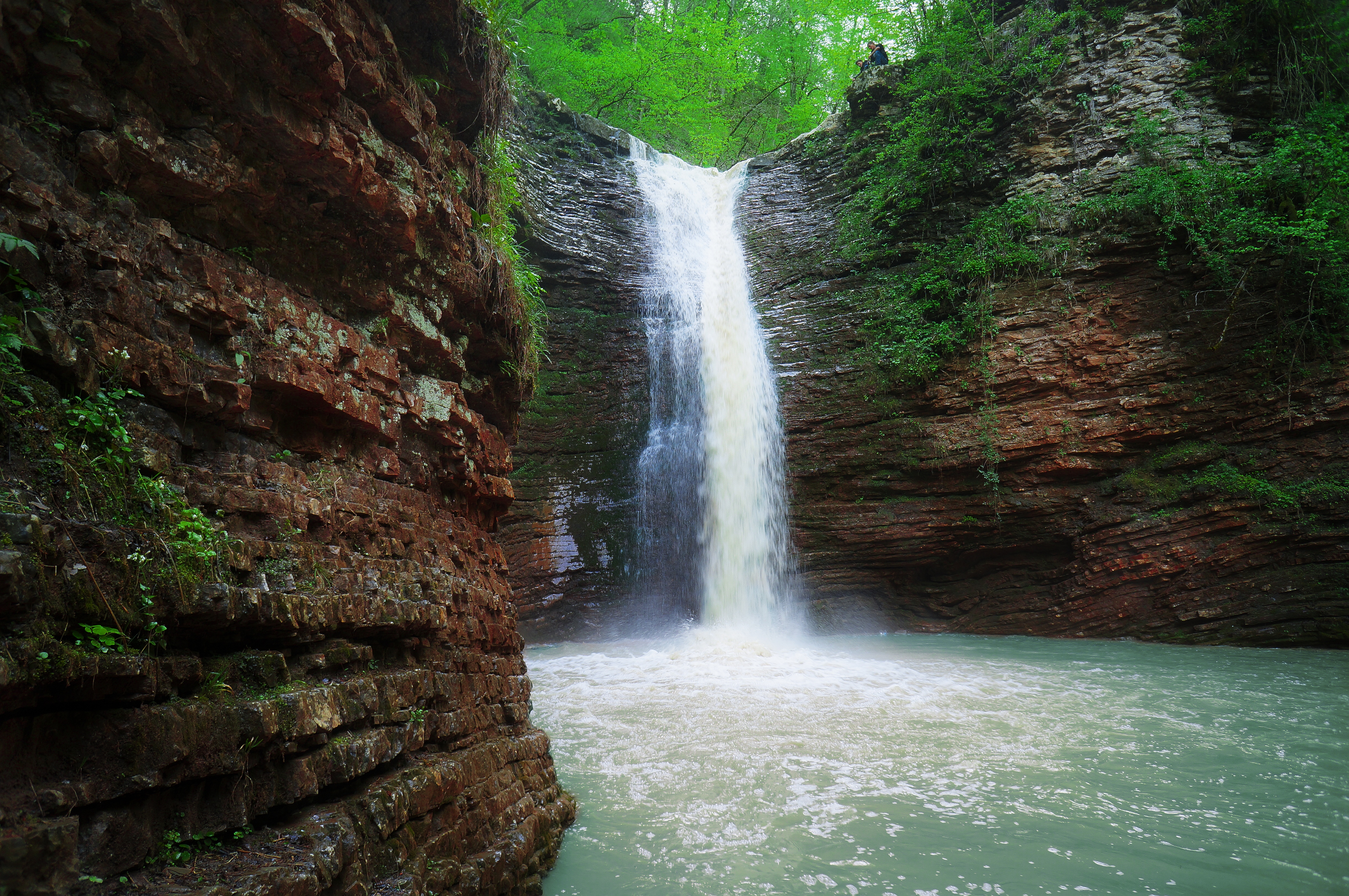
Девичья Коса is a waterfall that tumbles down a rocky gorge fed by the Rufabgo stream (Russian: ручей Руфабго). While the exact height of the cascade remains undocumented, the waterfall’s charm lies in its gentle yet persistent flow, which creates a fine veil of mist that clings to the surrounding spruce‑filled slopes. The water plunges over a series of small ledges, forming a series of mini‑cascades that together make a soothing, rhythmic soundtrack for anyone who stops to listen.
Historical Context
The name “Девичья Коса” translates loosely to “Maiden’s Braids,” a poetic nod to the way the water strands cascade down the rocks like a girl’s hair. Local folklore suggests that the waterfall was once a gathering place for shepherds and their families, who would come to wash wool and tell stories under the shade of ancient pines. Though there are no major historical monuments at the site, the waterfall has been part of the cultural landscape of Adygeya for centuries, quietly witnessing the region’s transition from a rural heartland to a growing eco‑tourism destination.
Significance
For nature lovers, Девичья Коса represents unspoiled biodiversity. The micro‑climate created by the constant spray nurtures mosses, lichens, and a variety of alpine plants that are rare elsewhere in the lower Caucasus. Birdwatchers can spot species such as the Eurasian three‑toed woodpecker and the golden oriole perched on nearby branches. The waterfall also serves as a natural waypoint for hikers exploring the Rufabgo river valley, linking several smaller cascades that together form a stunning waterfall trail.
3. How to Get There
By Air
The nearest major airport is Krasnodar International Airport (KRR), about 120 km north of Kamennomostskiy. From the airport, you can rent a car or catch a regional bus to the town of Maykop, the capital of Adygeya.
By Train
The Maykop–Krasnodar railway line stops at Maykop Railway Station. From Maykop, local minibusses (marshrutkas) run regularly to Kamennomostskiy (approximately a 1.5‑hour ride).
By Car
If you prefer driving, the most straightforward route is:
- M4 “Don” Highway → head south toward Krasnodar.
- Take the A146 towards Maykop.
- From Maykop, follow the R-217 road to Kamennomostskiy (signs for “Водопад Девичья Коса”).
The road is paved and well‑maintained, but be prepared for occasional mountain bends. Parking is available near the trailhead, just a short walk from the waterfall.
On Foot
The Rufabgo River Trail begins at the edge of Kamennomostskiy and leads directly to Девичья Коса. The hike is moderate—about 2 km each way with a gentle ascent of roughly 100 m—making it suitable for most fitness levels. Trail markers are simple wooden signs, and the path is mostly natural, so sturdy hiking boots and a water bottle are recommended.
4. Best Time to Visit
| Season | What to Expect | Why It’s Ideal |
|---|---|---|
| Spring (April–May) | Snowmelt swells the Rufabgo stream, creating a more robust flow. Wildflowers begin to bloom along the trail. | The waterfall is at its most powerful, and the air is fresh with the scent of new growth. |
| Summer (June–August) | Warm days, longer daylight hours, and comfortable temperatures (15‑25 °C). | Perfect for a full‑day hike, picnics, and photography with golden‑hour lighting. |
| Autumn (September–October) | Leaves turn amber, and the forest takes on a rich, russet palette. Water flow steadies. | The scenery is spectacular, and fewer tourists mean a peaceful experience. |
| Winter (November–March) | The cascade may partially freeze, creating icy sculptures. Snow covers the trail. | For adventurous souls, the frozen waterfall offers a dramatic, photogenic contrast. However, be prepared for icy conditions and limited access. |
Overall recommendation: Late spring to early autumn (May‑September) offers the most reliable weather, vibrant nature, and safe trail conditions for most visitors.
5. What to Expect
Arriving at Девичья Коса, you’ll first hear the soft roar of water before you see it. The trail opens onto a rocky clearing where the waterfall drops over a series of small ledges, creating a misty veil that catches the sunlight in sparkling droplets. The surrounding forest is a mix of Norway spruce, fir, and larch, providing a cool, shaded canopy even on warm summer days.
The soundscape is a gentle rush punctuated by occasional bird calls—perfect for meditation or a quiet lunch. If you’re a photographer, the best angles are from the left bank, where the water frames the backdrop of distant mountains. A short walk upstream leads to Сердце Руфабго and Каскадный, two neighboring cascades that together form a mini‑waterfall circuit.
Because the waterfall is relatively low‑key, there are no commercial facilities on site. Bring your own snacks, a portable seat, and a trash bag to keep the area pristine. The trail is well‑drained, but after heavy rain the rocks can be slippery, so tread carefully.
6. Nearby Attractions
While Девичья Коса is the star of the day, the Rufabgo river valley hosts several other natural wonders within walking distance. Each offers a unique perspective on Adygeya’s waterfall network:
| Attraction | Distance from Девичья Коса | Quick Note |
|---|---|---|
| Сердце Руфабго (Heart of Rufabgo) | 0.2 km | A compact, heart‑shaped cascade that’s perfect for a quick photo stop. |
| Каскадный (Cascade) | 0.2 km | A series of stepped falls that create a playful water “ladder.” |
| Камнепад (Stonefall) | 0.5 km | Known for its rugged rock formations and louder roar. |
| Бачурин (Bachurin) | 0.6 km | A secluded spot with a deeper pool—ideal for a brief dip in summer. |
| (Unnamed waterfall) | 0.7 km | A hidden mini‑fall that often goes unnoticed; great for those who love discovery. |
Explore more: For a broader overview of the region’s waterfalls, check the Russian Wikipedia page on the Водопады ручья Руфабго.
If you have extra time, consider a short drive to Maykop for its Museum of National Art, or venture further into the Caucasus Mountains for hiking routes such as the Krasnaya Polyana trail network.
7. Travel Tips
| Tip | Details |
|---|---|
| Pack Light, Pack Right | Bring sturdy hiking boots, a waterproof jacket, and a small first‑aid kit. The trail can be damp near the waterfall. |
| Respect the Environment | No open fires are allowed near the cascade. Carry out all trash and avoid disturbing the moss and lichens. |
| Timing | Arrive early (7‑8 am) in summer to avoid the small crowd that gathers later in the day. |
| Safety | The rocks can be slippery after rain. Use trekking poles for extra stability. |
| Connectivity | Mobile signal is limited; download offline maps (Google Maps or Maps.me) before you set out. |
| Currency | Russian rubles are the legal tender. While there are no shops at the waterfall, nearby villages accept cash only. |
| Photography | Use a polarizing filter to reduce glare on the water. The golden hour (just after sunrise or before sunset) provides the most dramatic lighting. |
| Local Cuisine | After your hike, stop in Kamennomostskiy for traditional Adyghe dishes such as pshyn (a cheese‑filled pastry) and shashlik (grilled meat). |
| Language | Russian is the primary language; basic phrases like “Спасибо” (thank you) and “Где…?” (where is…) go a long way. |
Final Thoughts
Dевичья Коса may not appear on every travel brochure, but that’s exactly why it feels like a secret treasure. Its gentle cascade, surrounding forest, and proximity to other waterfalls make it a must‑visit destination for eco‑tourists exploring Adygeya. Whether you’re chasing the perfect mist‑filled photograph, seeking a peaceful spot for meditation, or simply wanting to wander off the main road, Девичья Коса delivers an authentic slice of the North Caucasus that will stay with you long after you leave the trail.
Pack your boots, charge your camera, and set your compass for Kamennomostskiy—the adventure awaits!