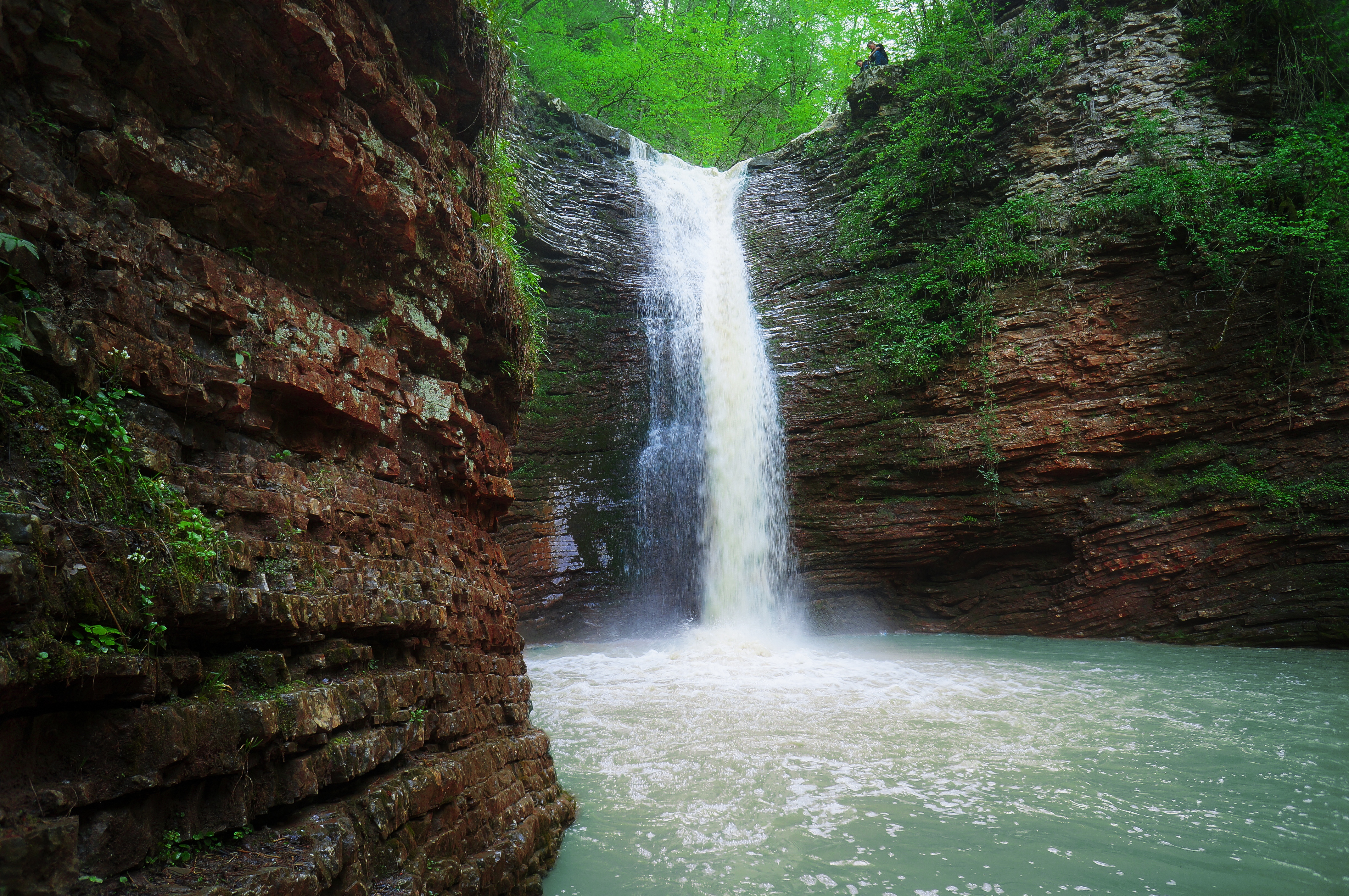
Детский Waterfall – A Hidden Gem in the Heart of Adygeya, Russia
Discover the serene beauty of Детский, a secluded waterfall tucked away in the rugged landscape of Kamennomostskiy, Adygeya. Perfect for nature lovers, photographers, and anyone seeking an off‑the‑beaten‑path adventure in the North Caucasus.
1. Introduction
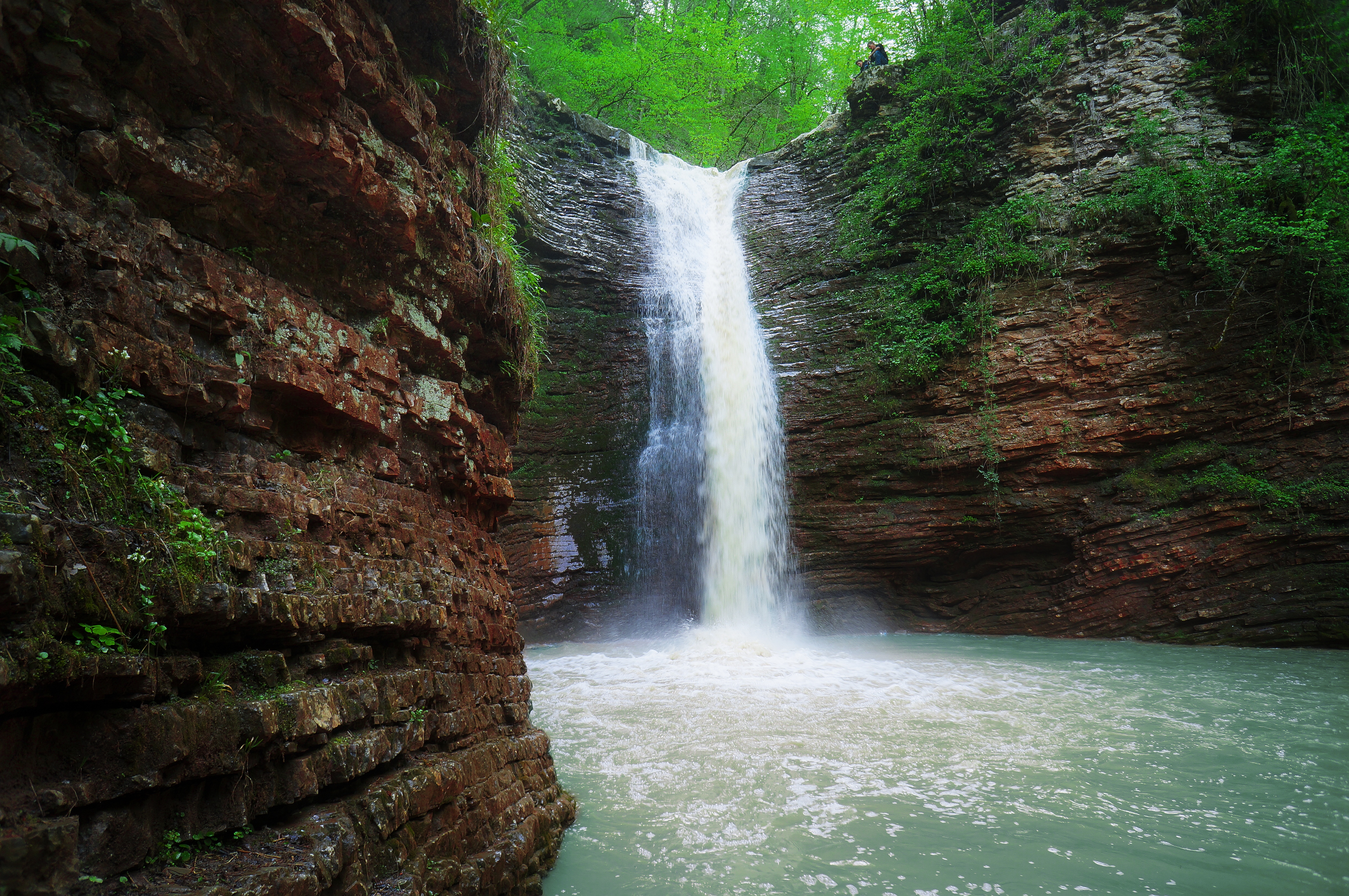
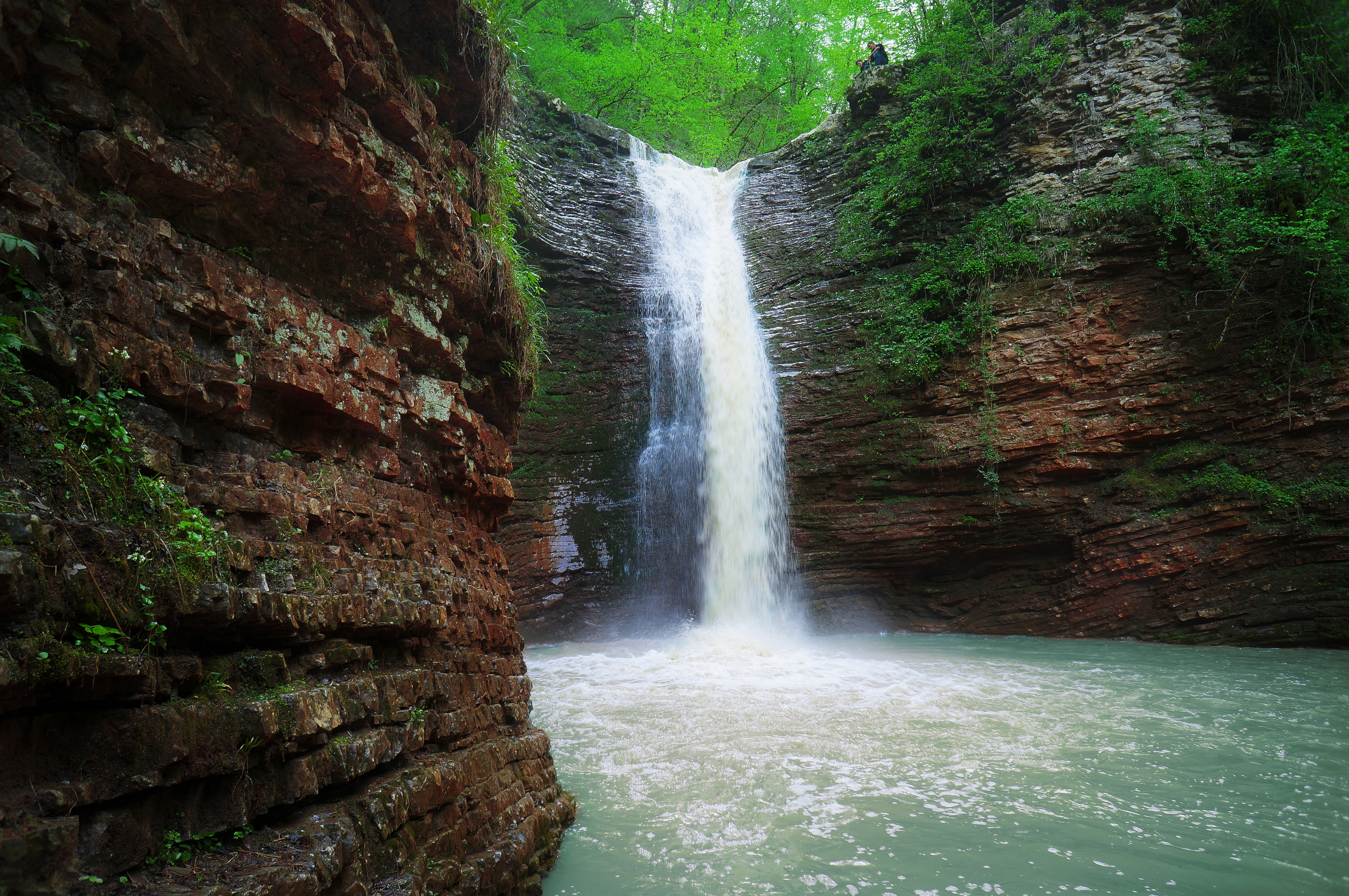
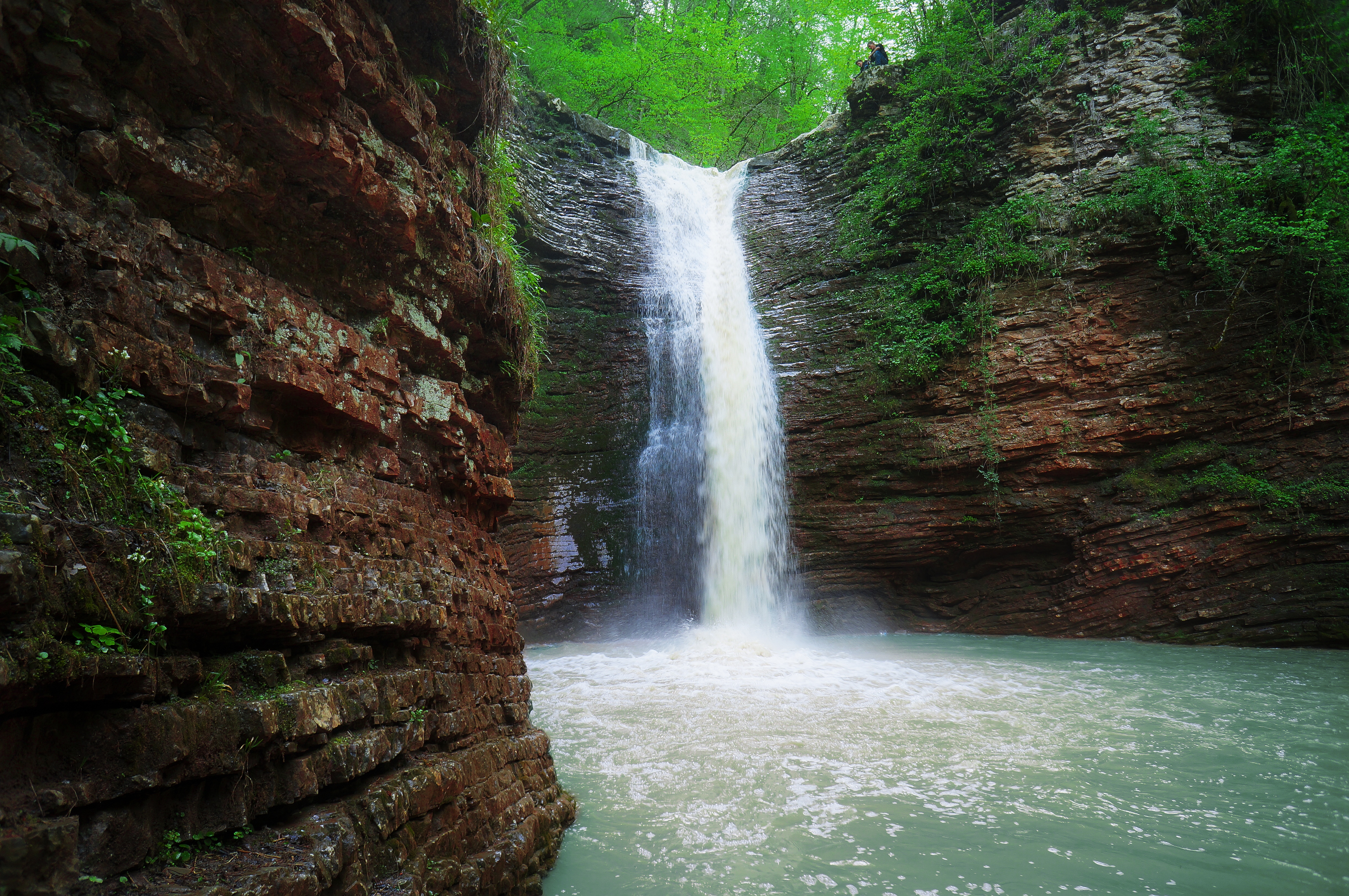
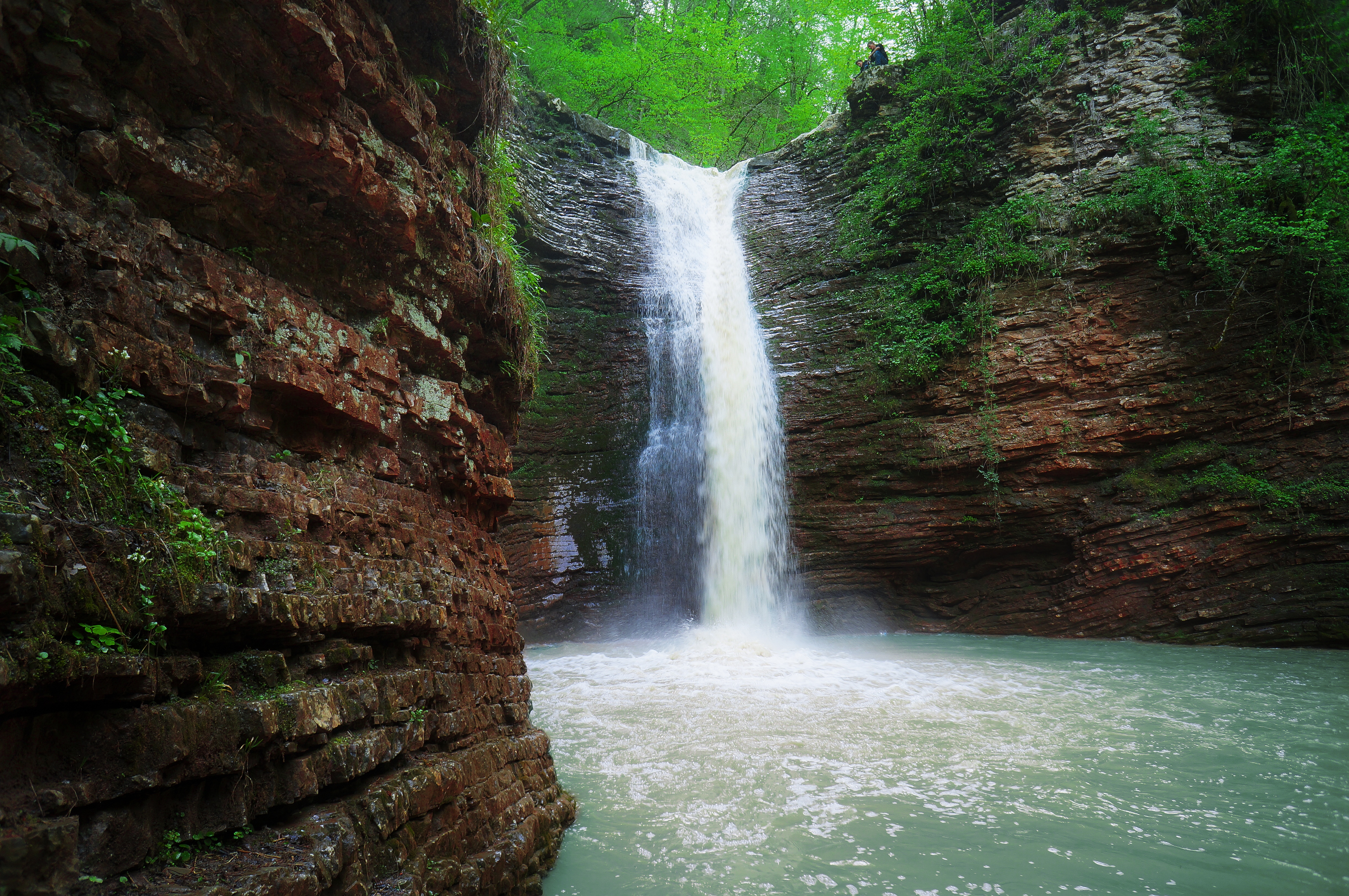
Imagine stepping off a quiet forest trail and hearing the gentle roar of water cascading over stone, mist rising like a veil in the crisp mountain air. That moment captures the essence of Детский waterfall, one of the most enchanting yet under‑the‑radar natural attractions in Adygeya, Russia. While the region is famed for its dramatic peaks, ancient towers, and vibrant culture, few travelers know about this secluded cascade that sits at an altitude of 621 m above sea level. Whether you’re a seasoned trekker or a casual day‑hiker, Детский offers a peaceful escape and a perfect photo‑op that will make your travel blog shine.
2. About Детский
A Quiet Cascade on the Rufabgo Stream
Детский (pronounced “Dyets‑kee”) is part of the Rufabgo stream (рус. ручей Руфабго), a network of small rivers that carve their way through the Kamennomostskiy plateau. The waterfall’s name, which translates to “Children’s,” hints at the playful, crystal‑clear water that tumbles over smooth rocks, creating a natural splash‑pool that feels inviting for a quick dip on a warm summer day.
History & Significance
Unlike many of the region’s historic sites that boast centuries‑old fortresses or ancient churches, Детский’s allure is purely natural. The waterfall has long been a favorite spot for local families and shepherds, who would pause their daily routes to enjoy the cool mist and the soothing sound of water. In recent years, eco‑tourism initiatives in Adygeya have highlighted Детский as a prime example of the area’s unspoiled wilderness, encouraging responsible visitation while preserving its pristine condition.
Why It Matters
- Ecological Value: The surrounding mixed‑forest ecosystem supports a variety of flora and fauna, including rare alpine plants and birds of prey.
- Cultural Touchstone: For locals, the waterfall is a place of relaxation and informal gathering, reinforcing community ties to the land.
- Photographic Appeal: The combination of altitude, mist, and surrounding greenery creates a soft, ethereal light that photographers adore, especially during sunrise and late afternoon.
3. How to Get There
By Air & Rail
- Nearest Airport: Maykop Airport (MCX), the capital of Adygeya, receives regular flights from Moscow, Sochi, and Krasnodar.
- Train Option: The Maykop–Krasnodar railway line stops at Krasnodar (about 120 km north) and Maykop. From either station, you can rent a car or catch a local minibus.
By Car
- From Maykop – Head south on the M4 “Don” highway toward Krasnodar. Take the exit for Krasnodar‑Krasnaya Polyana and follow signs to Kamennomostskiy (approximately 70 km total).
- From Krasnodar – Drive east on the R217 toward Novorossiysk, then turn onto the R-10 heading south to Kamennomostskiy (about 140 km).
The final stretch is a paved mountain road with gentle curves; signage for “Детский водопад” appears near the village of Kamennomostskiy. Parking is available at a small cleared area just before the trailhead.
By Public Transport
- Marshrutka (minibus): From Maykop, catch a marshrutka to Kamennomostskiy (departures every 2–3 hours). Ask the driver to drop you off at the “Водопад Детский” stop.
- Local Bus: The regional bus line #12 runs from Maykop to Kamennomostskiy twice daily, with a short walk (≈15 min) from the bus stop to the trailhead.
Walking the Trail
The path to Детский is a well‑marked forest trail of roughly 800 m from the parking area. The terrain is gentle, with occasional rocky steps. No special equipment is required, though sturdy walking shoes and a light rain jacket are advisable.
4. Best Time to Visit
| Season | Conditions | Why Visit |
|---|---|---|
| Spring (April–May) | Snow melt raises water flow; wildflowers begin to bloom. | Lush greenery, vibrant colors, and a powerful cascade. |
| Summer (June–August) | Warm temperatures, moderate water volume. | Ideal for picnics and a quick dip in the splash‑pool. |
| Autumn (September–October) | Golden foliage, cooler air, lower visitor numbers. | Photographers love the soft light and rich amber tones. |
| Winter (November–March) | Possible ice formation; trail may be slippery. | For adventurous souls, frozen waterfalls create a dramatic scene, but access can be limited. |
Peak recommendation: Late May to early September when the water is lively, the forest is fully leafed, and the weather is comfortable for hiking.
5. What to Expect
Sensory Experience
- Sound: A gentle, continuous rush that drowns out distant traffic, perfect for meditation.
- Sight: Crystal‑clear water tumbling over smooth granite, surrounded by dense pine and birch trees. In summer, the sun filters through the canopy, casting dappled light on the pool below.
- Touch: The mist cools your skin, and the water at the base is refreshingly cold—ideal for a quick splash on a hot day.
Photographic Highlights
- Long‑exposure shots of the waterfall’s silky flow.
- Close‑up macro of moss‑covered rocks and tiny water droplets.
- Panoramic forest views from the trail’s higher points, especially at sunrise.
Wildlife
While the waterfall itself is the star, keep an eye out for European honey buzzards, mountain hares, and occasional red‑crowned cranes that wander near the water’s edge.
6. Nearby Attractions
After soaking in the magic of Детский, explore other natural wonders within a short radius:
| Distance | Attraction | Type | Quick Link |
|---|---|---|---|
| 0.6 km | Горбатый | Waterfall | Горбатый Waterfall |
| 0.8 km | Unnamed | Waterfall | Nearby Waterfall (0.8 km) |
| 1.0 km | Зигзаг | Waterfall | Зигзаг Waterfall |
| 1.3 km | Скромный | Waterfall | Скромный Waterfall |
| 1.4 km | Лёлькин | Waterfall | Лёлькин Waterfall |
These cascades form a mini‑waterfall circuit that can be completed in a half‑day trek, offering varied perspectives of the Rufabgo stream’s dynamic flow. Each site has its own character—Горбатый features a bold, arching drop, while Зигзаг snakes over a series of small ledges, creating a playful “zig‑zag” effect.
7. Travel Tips
- Pack Light, Pack Smart – A small daypack with water, snacks, a reusable water bottle, and a basic first‑aid kit is sufficient.
- Footwear – Sturdy hiking shoes with good grip are essential, especially after rain when the trail can become slick.
- Respect the Environment – Stay on marked paths, avoid picking plants, and pack out all trash. The local community relies on the waterfall’s natural state for recreation.
- Timing – Arrive early (7–8 am) during summer weekends to beat the small influx of visitors and enjoy the soft morning light.
- Safety – The pool at the base is shallow near the edges but can be deeper in the center. Supervise children closely, especially during high water flow in spring.
- Connectivity – Mobile signal is limited; download offline maps (e.g., Maps.me or Google Maps offline) before you set out.
- Photography Gear – A tripod and neutral density filter will help you capture the waterfall’s silky motion. A wide‑angle lens works well for encompassing the surrounding forest.
- Local Cuisine – After your hike, try a traditional Adyghe meal in Kamennomostskiy: shashlik, chepalg (a cheese‑filled flatbread), and locally brewed kefir.
Final Thoughts
Детский waterfall may not appear on every travel guide, but that’s exactly why it feels like a secret waiting to be discovered. Its gentle cascade, tranquil forest setting, and proximity to other stunning waterfalls make it a must‑visit for anyone exploring Adygeya’s natural wonders. Pack your boots, bring a sense of adventure, and let the mist of Детский refresh both body and soul.
Ready to add this hidden cascade to your itinerary? Share your photos and stories using #DetskiyWaterfall and inspire fellow travelers to uncover the quiet magic of Russia’s North Caucasus.