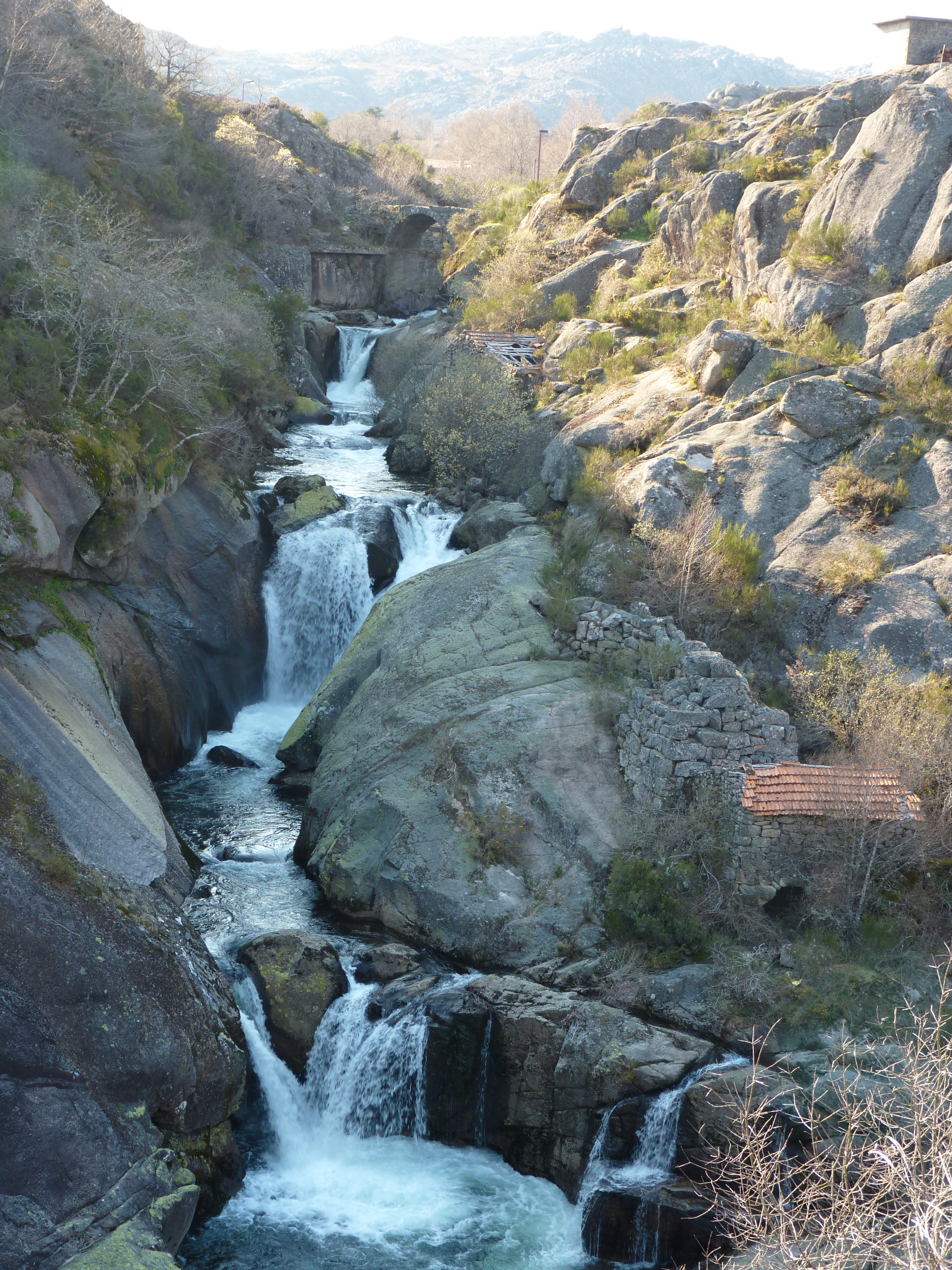
Cascata de Castro Laboreiro – A Hidden Waterfall Gem in Viana do Castelo, Portugal
Discover the tranquil power of Cascata de Castro Laboreiro, the secret waterfall that lies tucked away in the lush Minho countryside. From rugged hiking trails to nearby historic bridges, this off‑the‑beaten‑path destination offers an authentic slice of Portuguese nature.
1. Introduction
Imagine stepping off a quiet country road, the air suddenly filled with the fresh scent of moss and stone, and hearing the distant roar of water tumbling over ancient rocks. That moment captures the magic of Cascata de Castro Laboreiro, a pristine waterfall perched in the heart of Viana do Castelo. While Portugal is famed for its sun‑kissed beaches and historic cities, its interior hides a network of crystal‑clear streams and cascading falls that few tourists ever see. If you crave a peaceful escape, breathtaking scenery, and a touch of adventure, this waterfall should be at the top of your itinerary.
2. About Cascata de Castro Laboreiro
A Brief Description
Cascata de Castro Laboreiro is a natural waterfall located near the small village of Castro Laboreiro in the municipality of Viana do Castelo, northern Portugal. The falls sit at the coordinates 42.030043, ‑8.155367, spilling over rugged limestone cliffs that have been shaped by centuries of rain and river flow. The exact height of the cascade is not officially recorded, adding an element of mystery to the site, but the water’s steady plunge creates a mesmerizing curtain that shimmers in the sunlight.
Historical Context
The waterfall has long been a part of the daily life of local residents. Historically, the surrounding streams supplied water for agriculture, livestock, and the traditional watermills that once dotted the Minho landscape. While there are no grand monuments or famous legends attached to Cascata de Castro Laboreiro, its presence is woven into the cultural fabric of the region, representing the enduring relationship between the people of Castro Laboreiro and the natural world.
Why It Matters
- Ecological value – The cascade feeds a small but vibrant riparian ecosystem, supporting native flora such as ferns, mosses, and wildflowers, as well as fauna like amphibians and small birds.
- Scenic charm – The waterfall offers a dramatic focal point for hikers and photographers, especially when the surrounding forest is awash with autumn colors.
- Cultural heritage – As a historic water source, the cascade reflects the traditional way of life in the Minho region, where water has always been a lifeline.
3. How to Get There
By Car
The most convenient way to reach Cascata de Castro Laboreiro is by car. From the city of Viana do Castelo (approximately 70 km away), follow the N101 northward toward the village of Castro Laboreiro. Turn onto the local road EN 202, which leads directly to the waterfall parking area. The drive takes roughly 1 hour and 15 minutes, winding through rolling hills, pine forests, and classic Portuguese countryside.
- Parking: A small, free parking lot sits at the trailhead. Arrive early in peak season (summer weekends) to secure a spot.
- GPS: Enter the coordinates 42.030043, ‑8.155367 for precise navigation.
Public Transport
While public transport options are limited, you can take a regional bus from Viana do Castelo to the town of Ribeira de Pinhão (bus line 502). From there, a local taxi or rideshare can drop you off at the waterfall trailhead. Check the latest schedules on the Rede Nacional de Transportes website before you travel.
On Foot
For the more adventurous, Cascata de Castro Laboreiro is accessible via a moderate hiking trail that starts at the village square of Castro Laboreiro. The path is well‑marked, about 2 km long, and takes roughly 45 minutes to reach the falls. The trail offers stunning vistas of the surrounding valley and is a great way to soak up the local atmosphere before the main attraction.
4. Best Time to Visit
| Season | Water Flow | Visitor Density | Highlights |
|---|---|---|---|
| Spring (Mar‑May) | Highest – snow melt and rain feed the cascade | Low‑moderate | Lush greenery, blooming wildflowers, vibrant waterfalls |
| Summer (Jun‑Aug) | Moderate – occasional dry spells | Moderate‑high (especially weekends) | Warm weather for hiking, longer daylight hours |
| Autumn (Sep‑Nov) | Steady – occasional rain showers | Low‑moderate | Golden foliage, crisp air, fewer crowds |
| Winter (Dec‑Feb) | Lower – cooler temperatures may reduce flow | Very low | Peaceful solitude, misty atmosphere (if you don’t mind cooler weather) |
Tip: For the most spectacular water volume and comfortable hiking conditions, aim for late spring (April–May) or early autumn (September). Bring a waterproof jacket in case of sudden showers, which are common in the Minho region.
5. What to Expect
The Trail Experience
The approach to Cascata de Castro Laboreiro is a well‑maintained dirt path that gently ascends through a mixed forest of pine, oak, and chestnut trees. The trail is suitable for most fitness levels, though a few short, uneven sections may require sturdy walking shoes. Along the way, you’ll hear the faint murmur of water growing louder as you near the falls.
The Waterfall Itself
Upon arrival, the cascade reveals itself as a silvery ribbon of water plunging over a rugged rock face, creating a misty spray that cools the surrounding air. Sunlight often catches the droplets, forming a subtle rainbow—an ideal photo opportunity. The pool at the base is shallow enough to wade in during warmer months, offering a refreshing dip after the hike.
Wildlife & Flora
The micro‑habitat around the waterfall supports a variety of native species:
- Plants: Ferns, mosses, and delicate alpine flowers cling to the moist rocks.
- Animals: Small birds such as the European robin and goldfinch are common, while amphibians like the common toad may be spotted near the water’s edge.
Facilities
There are no commercial facilities directly at the waterfall (no cafés, restrooms, or souvenir shops). However, the nearby village of Castro Laboreiro offers a modest tavern serving traditional Minho dishes, and a public restroom is available at the parking lot.
6. Nearby Attractions
While Cascata de Castro Laboreiro is the star of the show, the surrounding area boasts several other points of interest that can easily be combined into a full‑day itinerary.
| Attraction | Distance | What to See | Link |
|---|---|---|---|
| Ponte Velha de Castro Laboreiro (historic stone bridge) | 0.1 km | A charming medieval bridge spanning the river, perfect for photos | Ponte Velha de Castro Laboreiro |
| Local Spring | 1.9 km | A natural spring that feeds nearby streams, ideal for a quiet pause | Spring near Cascata de Castro Laboreiro |
| Castro Laboreiro Dam | 2.1 km | Small dam offering panoramic views of the reservoir and surrounding hills | Castro Laboreiro Dam |
| Trilho Castrejo (hiking trail) | 2.1 km | A scenic trail that loops past the dam and through pine woods | Trilho Castrejo Trail |
| Additional Waterfall | 3.9 km | Another secluded waterfall tucked in the valley, less visited but equally beautiful | Nearby Waterfall |
These sites are all reachable by foot or a short drive, allowing you to explore the rich natural and cultural tapestry of the Minho region without straying far from the main attraction.
7. Travel Tips
- Footwear: Wear sturdy, waterproof hiking boots or trail shoes with good grip. The path can be slippery near the water.
- Weather Check: The Minho coast is known for sudden rain showers. Check the forecast and bring a light rain jacket.
- Timing: Arrive early (before 10 am) during summer weekends to avoid the brief rush of local visitors and to capture the best light for photography.
- Respect the Environment: Stay on marked trails, avoid littering, and do not disturb wildlife. The area is a protected natural habitat.
- Stay Hydrated & Fueled: Bring water and a snack. While there’s a tavern in the village, options near the waterfall are limited.
- Safety: The pool at the base of the cascade is shallow but can be slippery. Children should be supervised at all times.
- Connectivity: Mobile signal can be weak in the valley. Download offline maps (e.g., Google Maps offline area) before you set out.
- Parking: The lot fills quickly in peak season. If it’s full, you can park along the side of the road (ensure you’re not obstructing traffic).
- Photography: The best light occurs early morning or late afternoon when the sun hits the water at a low angle, creating dramatic shadows and occasional rainbows.
- Local Etiquette: Greet locals with a friendly “Bom dia” (good morning) if you pass through the village. The people of Castro Laboreiro are proud of their natural heritage and appreciate respectful visitors.
Final Thought
Cascata de Castro Laboreiro may not appear on the typical Portugal travel guide, but that’s precisely why it feels like a secret treasure. Whether you’re a seasoned hiker, a photography enthusiast, or simply a traveler seeking a tranquil spot away from the crowds, this waterfall offers a genuine connection to the raw, unspoiled beauty of northern Portugal. Pack your boots, bring a sense of adventure, and let the cascade’s soothing roar guide you into the heart of the Minho landscape.
Happy travels, and may the water’s whisper inspire your next journey!
